



February 14, 2025
Listen to it
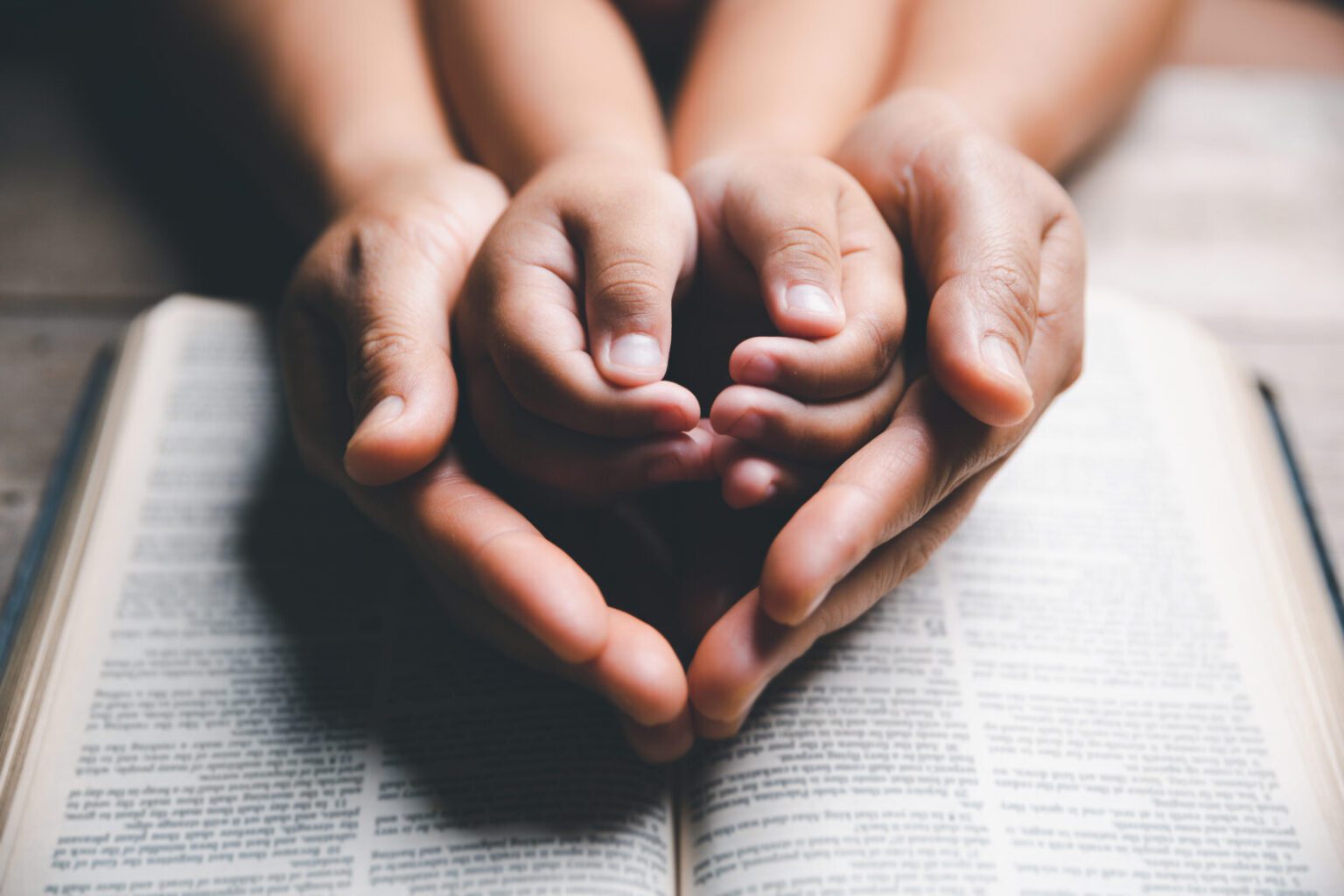
“It’s time to do good!” This year’s motto is especially important for our children. Various experts explain on nac.today how this works in terms of faith. This time, the focus is on prayer.
Our prayers should contain adoration, thanksgiving, petition, and intercession.
However, not every prayer has to cover all aspects in well-formulated words. It is more important for children to find themselves in prayer.
For example, you can tell small children what they have experienced during the day and then summarise this in a prayer of thanksgiving. As they get older, children can start by adding individual words and then whole sentences.
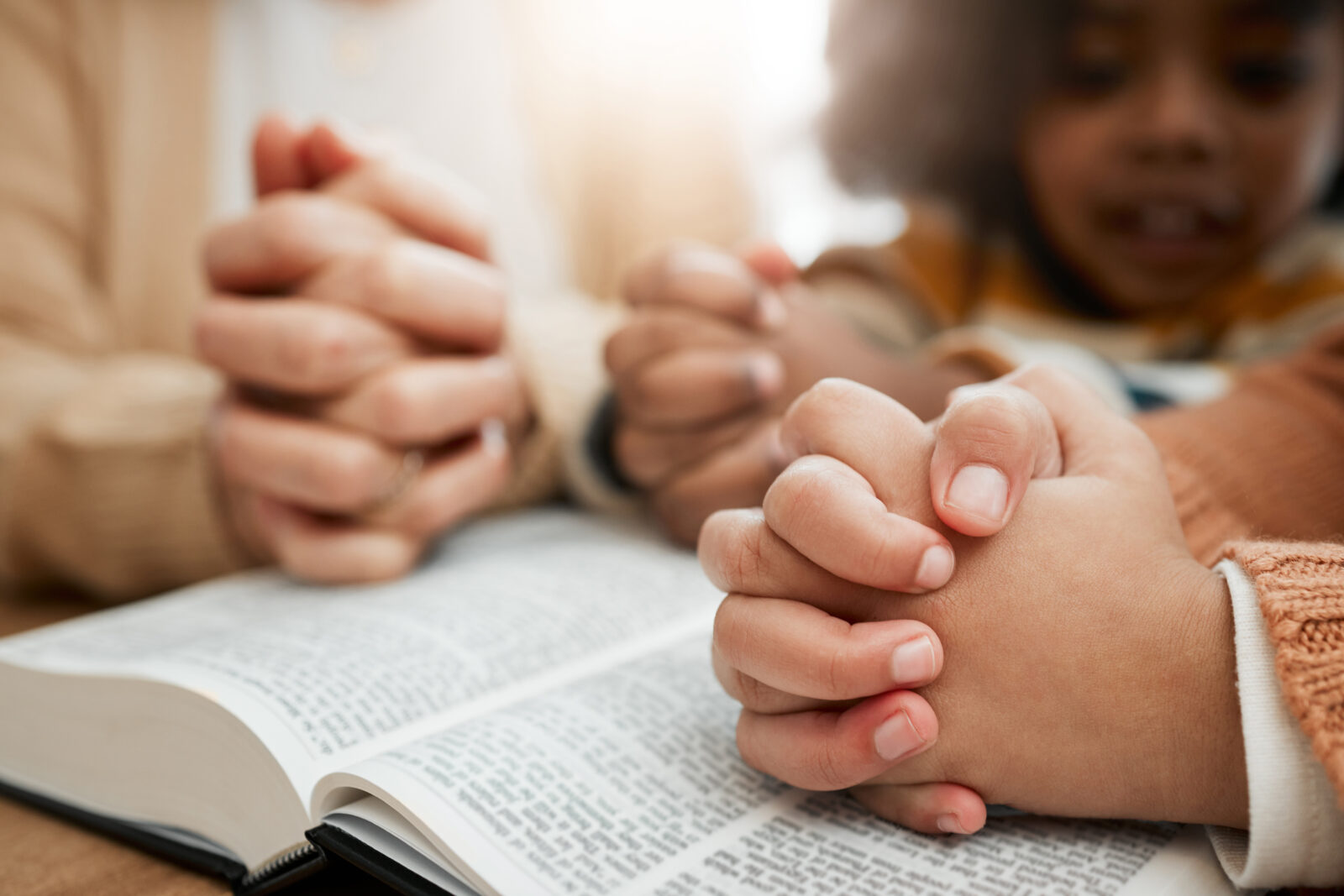
Parents and children can also say a prayer together, alternating sentences. The parents can start with a simple introductory sentence that the children complete with their personal experiences, “Dear God, we are grateful to you for the wonderful day …”, “… and that I have found my toy again!”
If older children want to contribute more, they do not have to say the whole prayer. Instead, they can add things that are particularly important to them.
To make a prayer more tangible for children, they can prepare it with appropriate actions.
- Worry: The children write their worries on a stone and throw it (under supervision) into a lake or river. Then someone says a prayer with them.
- Remorse: The children write what they regret on water-soluble paper and dissolve it in a bowl of water. Afterwards, they thank God for His willingness to forgive.
- I pray for you: The parents tell their children about their concerns and the children pray for their parents.
- Adoration, thanksgiving, petition, intercession: On cards prepared for each of the four aspects, the children can write down what they would like to say. In prayer, they can then either read the card aloud or summarise it freely.
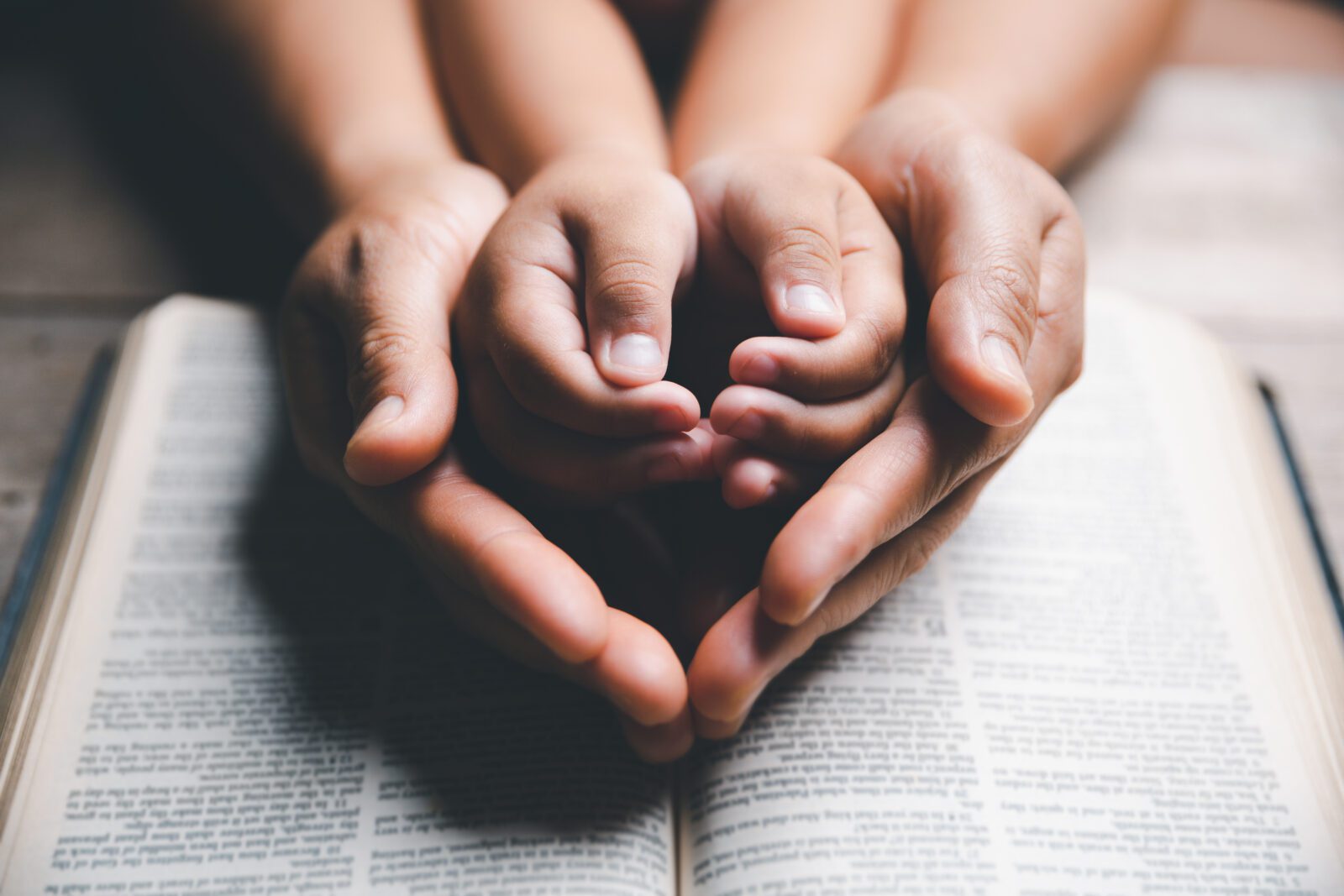
- The unspeakable: When words fail them, the children can read the Psalms together with their parents and choose a verse that fits their prayer intention.
- Intercession: You can find countless people to pray for in a daily newspaper, for example, people who are in need and those who help them.
Photo: doidam10 – stock.adobe.com
About the author
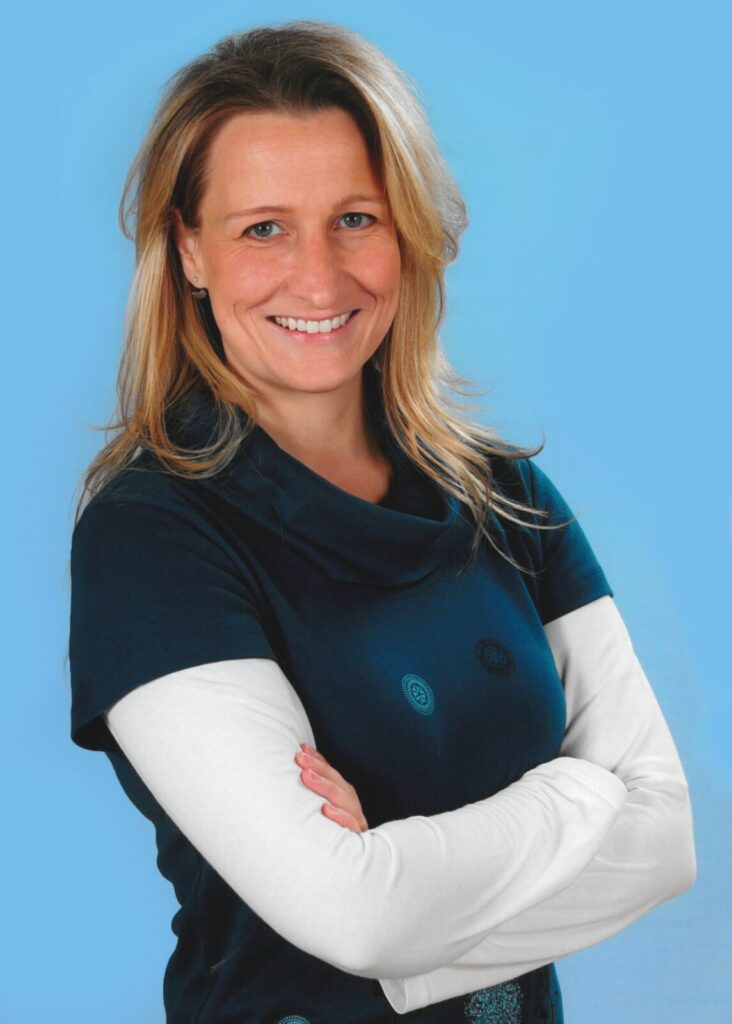
Maraike Finnern is a teacher and school counsellor at a primary school in Hamburg, Germany. She heads the Working Group Children and Teaching for the Regional Church of Northern and Eastern Germany.