




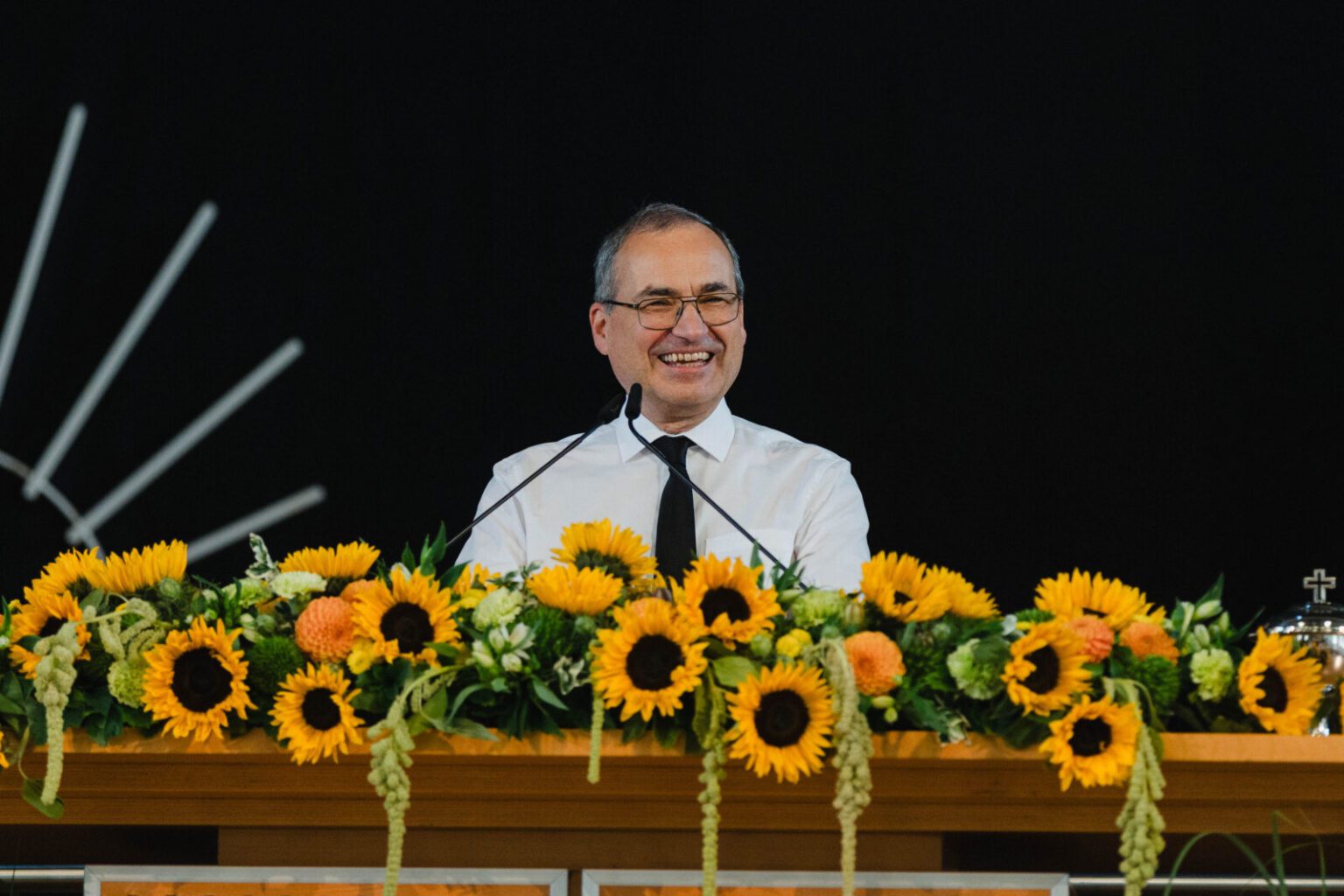
God goes after everyone: this is the meaning of the parable of the lost sheep. But the parable is not just about the ones who have strayed. Because, in fact, it affects every single one of us.
The divine service in Regensburg, Germany on 29 June 2025 revolved around the lost sheep: “And when he has found it, he lays it on his shoulders, rejoicing. And when he comes home, he calls together his friends and neighbours, saying to them, ‘Rejoice with me, for I have found my sheep which was lost!’” (Luke 15: 5–6).
With this parable, Jesus wanted to show that He not only wanted to save humanity in general, but every single person, Chief Apostle Jean-Luc Schneider explained. “For Jesus, every soul is valuable—from all time periods, from every country, in this world and in the beyond.”
Lost, but not forgotten
So, who is this lost sheep now? The Chief Apostle explained who all is included:
- all those who do not know Jesus Christ. “They have no chance of coming to Jesus.”
- all those who know the gospel, but do not accept it. “Like Noah’s contemporaries at the time; they heard the message, but they were not interested.”
- Christians who have strayed and lost their faith. “The path they have taken does not lead to God. But without Jesus Christ one cannot come to God.”
- believers who have left the fellowship. “Salvation can only be attained there where God offers salvation, that is, in the church of Christ, in His work of salvation, and specifically there where the Apostle ministry is active.”
- believers who do not want to follow Jesus consistently. “They firmly believe in Christ,” the Chief Apostle said, “but denying themselves, modelling their lives on Jesus’ example, serving, loving, forgiving, and changing has all become too much for them.”
Jesus Christ tells them, “I love you as you are and want to save you. I will go after you. And I will always create an opportunity for you to come to Me: now, tomorrow, in the thousand-year kingdom of peace, in this world, and in the beyond.”
Yet, the Chief Apostle went on to explain, in order to be saved, the sinner must repent. “I must not only believe in Jesus Christ. I must accept His word and orientate myself by it. I need to change.”
How simple repentance can be
“I have to ask myself the question, Am I perhaps the lost sheep?” Chief Apostle Helper Helge Mutschler said when he was called to serve. “Have I kept the commandments lately? Have I always spoken the truth? Have I made peace? Have I not hurt anyone in their soul?”
“Of course, repentance always sounds so terrible. It always sounds as though something must be paid for,” the Chief Apostle Helper said. “But the word ‘repentance’ is something very simple.” Namely: “Just turn round and go home. And if I can no longer manage to go home myself, I will let myself be carried home on the hands and arms of Jesus Christ. It’s that simple.”
Three instances of joy: a motivational boost
“Let us rejoice that the Lord goes after the sinners, the lost sheep,” Chief Apostle Schneider continued. “This joy starts with us. Of course, we are also one of those lost sheep. And we are so grateful to God that He keeps coming after us.”
And besides: “How could anyone be happy to be saved if others are not? It is a great joy to know that God loves everyone.” And finally: “No spirit, no power, no event can prevent Him from doing so.”
This joy motivates us to do good. For one, let us pray for the lost sheep and then also proclaim this message to all people—through our words and deeds, the Chief Apostle said. And finally, “let us ensure that souls find a place where this salvation is available. And that is in the church, in the congregation. That is why I want to continue to get involved and contribute.”

Photo: Andreas Selter

Photo: Andreas Selter
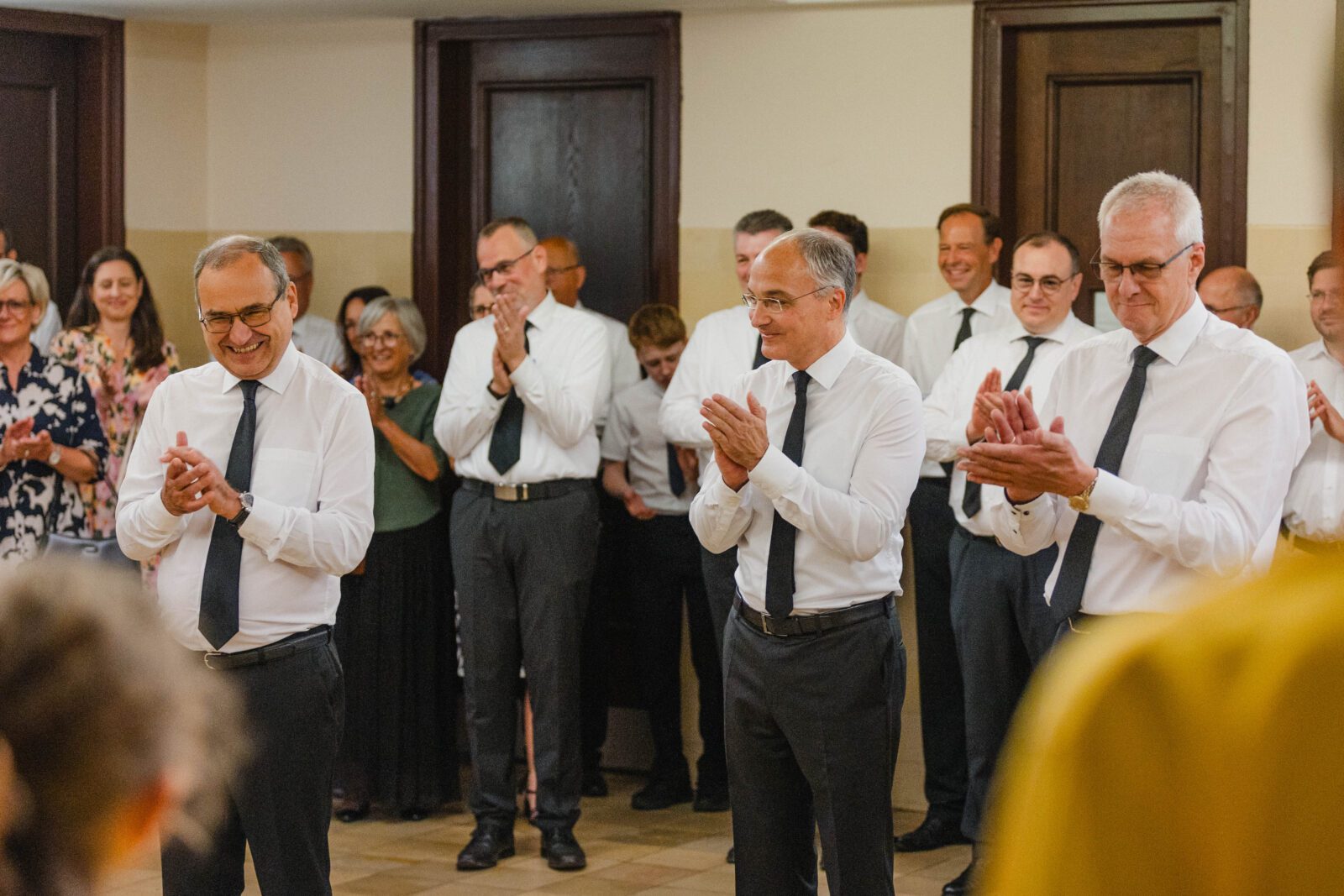
Photo: Andreas Selter
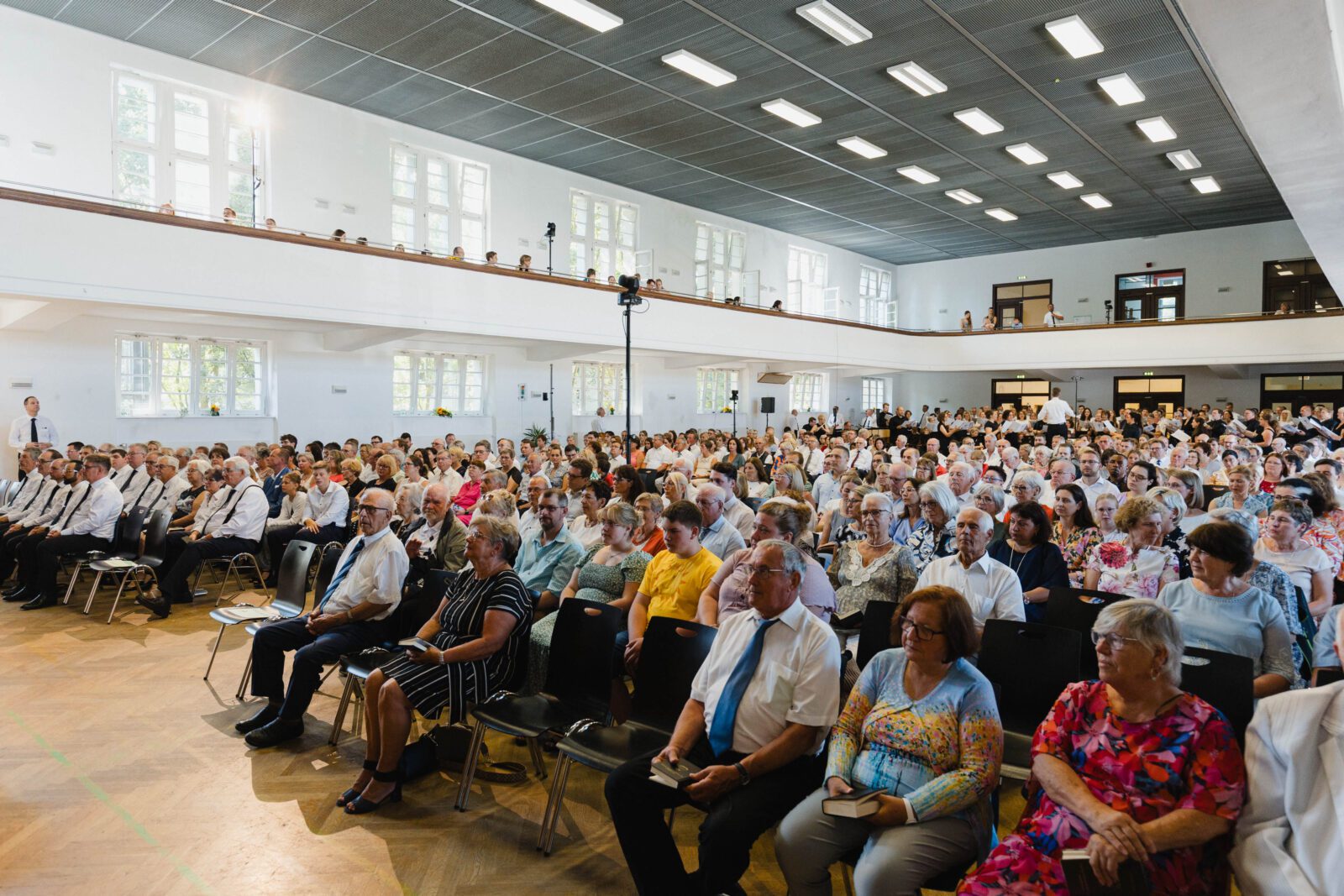
Photo: Andreas Selter
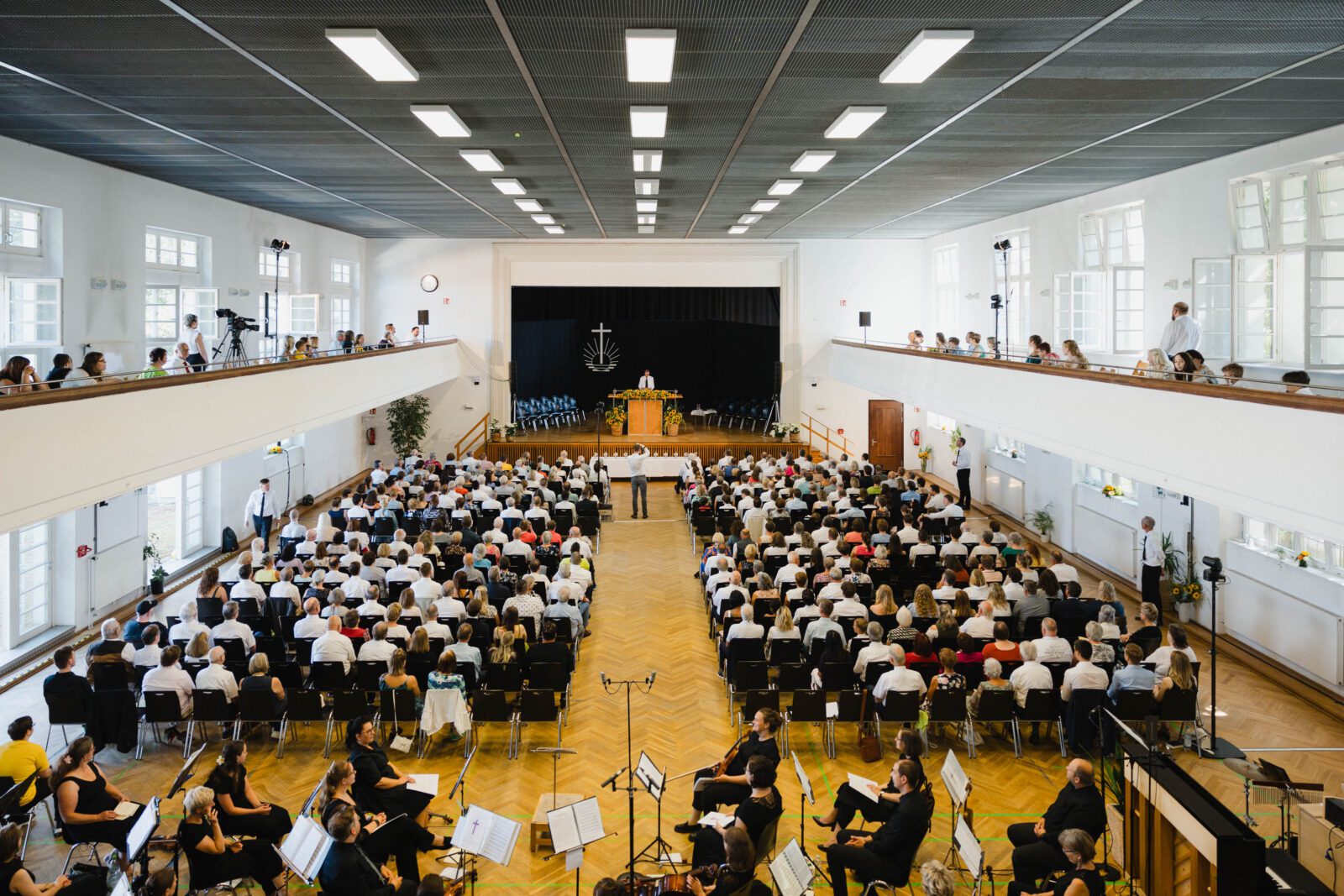
Photo: Andreas Selter
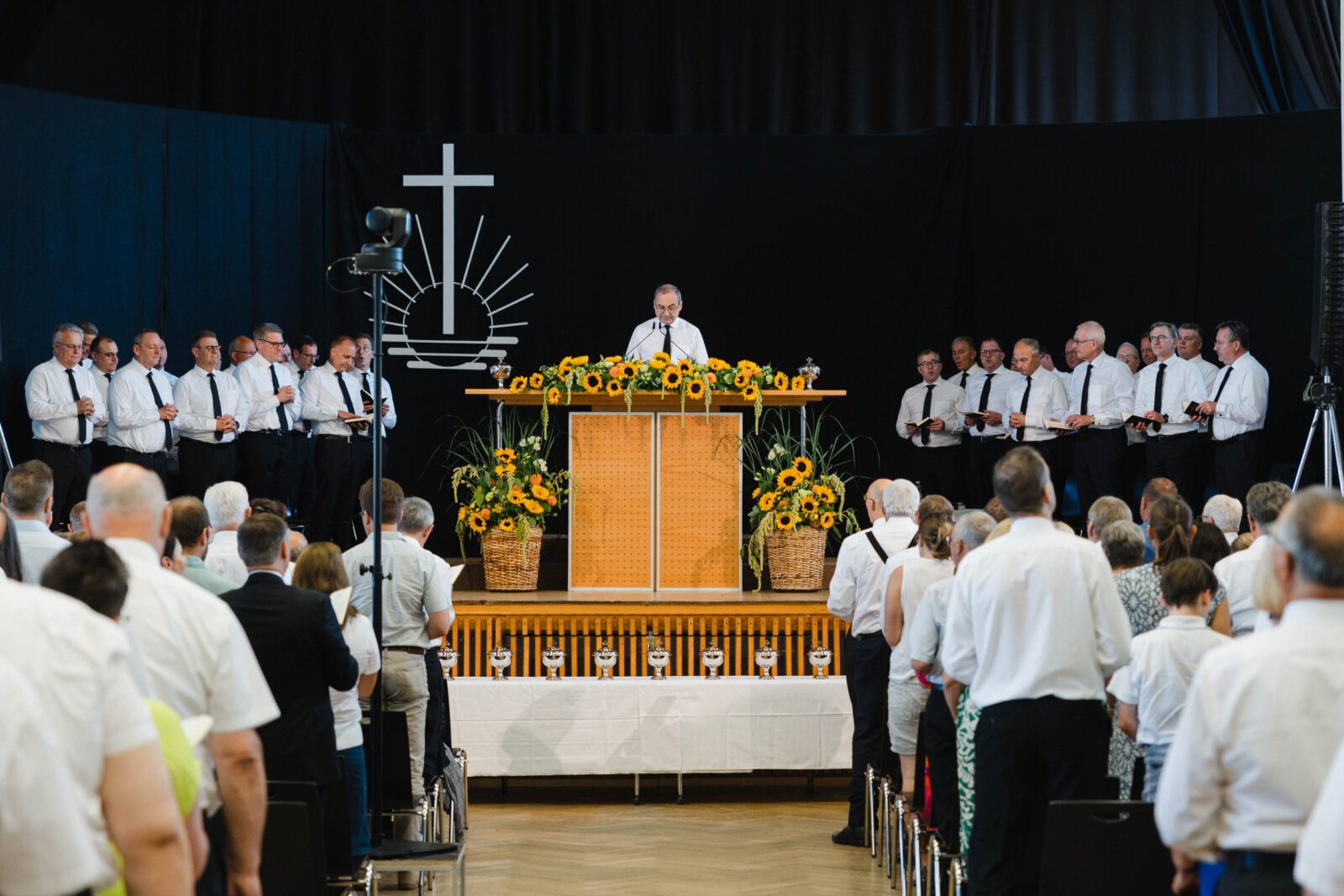
Photo: Andreas Selter
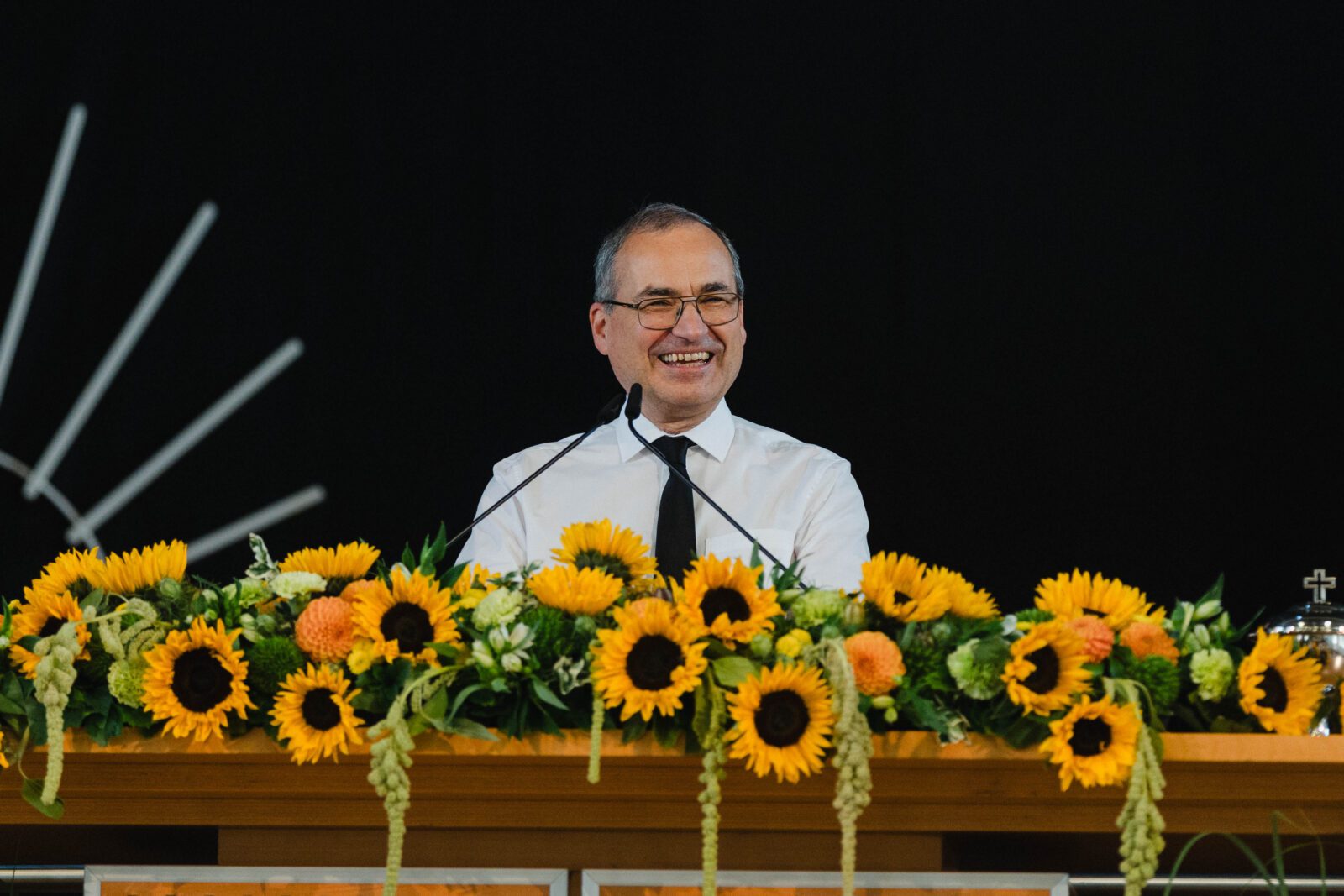
Photo: Andreas Selter

Photo: Lukas Noeding

Photo: Lukas Noeding
Photo: Lukas Noeding
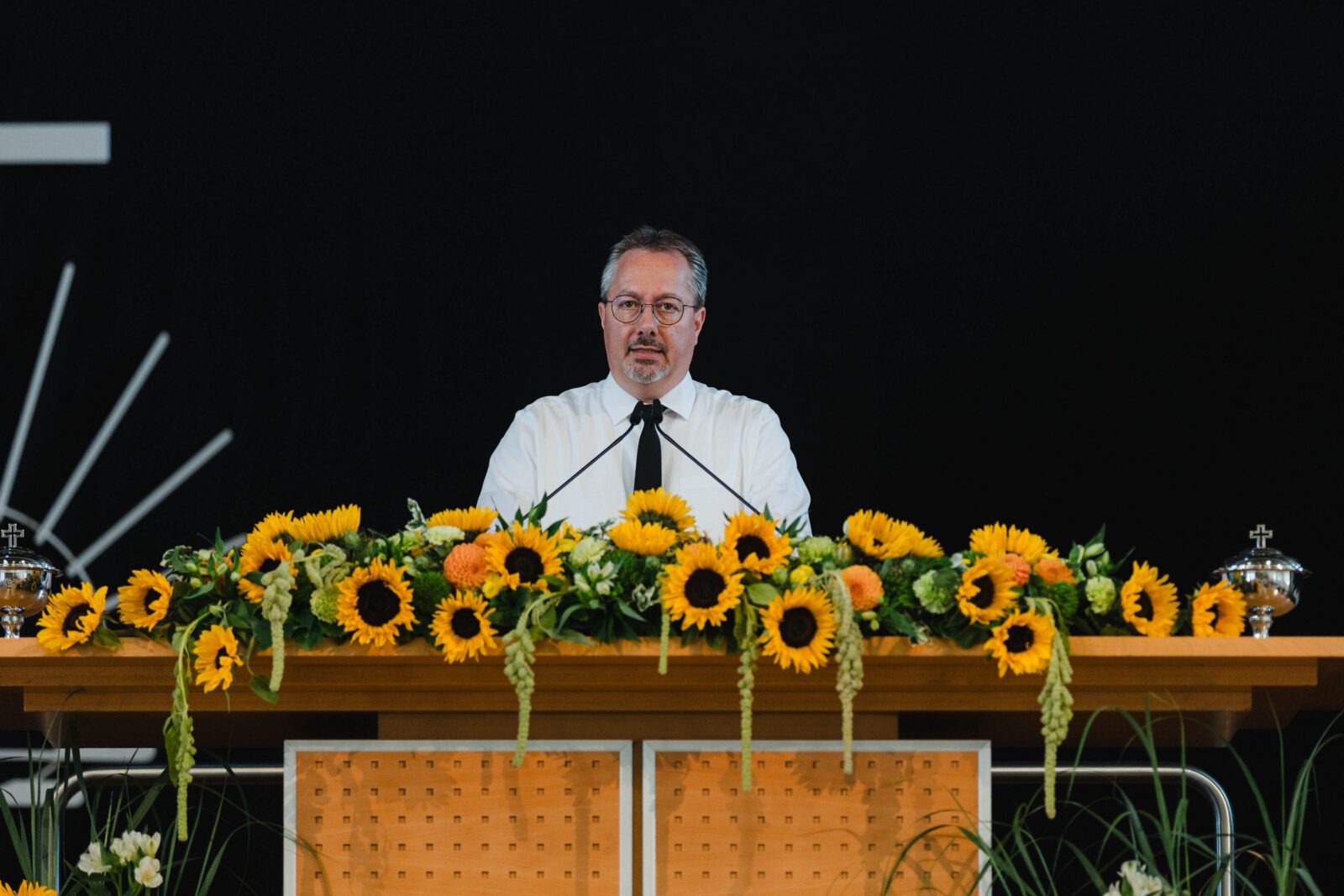
Photo: Andreas Selter

Photo: Andreas Selter

Photo: Lukas Noeding