




March 6, 2025
Listen to it
In Africa, especially south of the Sahara, preaching works differently than in the West. A different developmental history and traditional cultural values require a unique approach.
Generally speaking, African people live in a world that has retained its mystery and transcendence. It is a world where God, the ancestors, spirits, nature, human beings, and social interaction are part of an integrated whole. There is nothing supernatural as such, but everything forms part of the basic human experience.
So the African worldview is holistic and communal, valuing ancestral wisdom, oral tradition, and the intertwining of spiritual, social, and ecological realms. It prioritises interconnectedness and group identity, a feature that resonates strongly with the social structure of biblical society. Whatever relationship I have with my neighbour, or with God or the ancestors, has a ripple effect on everything else. The aim is to live in harmony with ancestral tradition, as well as with all the powers and beings of the world.
Collectivism
Like biblical societies, traditional African societies are characterised by collectivism, that is, people see themselves as part of a larger group (i.e., the family, the clan, the tribe) and they are expected to embody its values. Their individual identity is determined by their group identity.
Here one finds great respect for tradition and authority. Group members are expected not to challenge the status quo, but rather to help maintain the social cohesion of the group, which is prioritised over personal autonomy. It is about respect for the elders and maintaining ancestral traditions in order to experience harmony and blessing.
Mediators
African Traditional Religion has several categories of mediators that give access to the Supreme Being (God).
First, there are the ancestors, or the “living dead”. God, or the Supreme Being, is understood as “far away” and aloof from daily affairs. Yet, the ancestors are there to act as mediators, or it is understood that they can act out of their own authority. Ancestors are “closer” to the living and are understood as actively involved in the welfare of the community. They are also the source and guardians of a community’s social values, cohesion, and morality.
Second, there are diviners. They call on the ancestors for success in their healing practices, to give guidance and knowledge, or to predict the future in various matters of ordinary life. Diviners are generally held in high regard and appreciated as friends of the community. As friends and protectors of the community, they also expose the identity of witches through various means and protect communities from evil powers such as witchcraft.
In addition to these, there are herbalists, who blend spiritual insight with botanical knowledge and treat ailments with a holistic approach; and priests, the custodians of shrines who lead sacrifices and communal worship; rainmakers, who invoke rain and ensure agricultural fertility; and prophets, who arise during crises, calling for moral renewal through divine revelation, while ritual elders oversee rites of passage.
The above has an impact on the role of Christ as sole mediator between God and mankind (Hebrews 9:15; 1 Timothy 2:5), as well as the Apostle ministry sent by Him, who stand in tension with the traditional mediators of divine wisdom, healing, protection, and salvation. Additionally, our understanding of the departed, and their need for salvation, also affects the traditional high status that the ancestors enjoy.
Witchcraft
Witchcraft poses a serious problem for many people in Africa. It is believed to be the power used to harm others (through illness, death, bad luck, material loss and financial problems, and relationship problems) by supernatural means. It is understood that all events in life (good or bad) are the result of personal agency, that is, they are caused by someone like God, the ancestors, a jealous relative, or a witch. The question is asked: Who did this to me?
Those who are affected by witchcraft feel hopeless and helpless. For cures against illness or protection against witchcraft, diviners or herbalists are consulted. Many spend large amounts of money (or pay in cattle) to pay for “medicine” or “good magic” to be relieved from the misfortunes of witchcraft. Indeed, one of the most important functions of African Traditional Religion is to protect people from witchcraft. People also often engage in witch hunts and witch killings. Sometimes innocent people (even children) are accused of witchcraft out of jealousy.
Christianity
With the growing influence of Christianity, the church is seen as an alternative means of mediation, and primarily as an institution of healing and protection. Many local “prophets” and preachers replace, or supplement, the role of traditional mediators. Even Holy Baptism is seen as “medicine” against witchcraft.
People leave in their thousands those churches that do not take the threat of witchcraft seriously. They return to African Traditional Religion, or go to African Independent Churches started by local “prophets”, which combine Christianity and African Traditional Religion to find “salvation”. The focus of “salvation” is not so much a future event (in other words, the return of Christ), but the good life in the here and now.
African people are increasingly coming under the influence of both Christianity and Western values, yet at the same time, are increasingly asserting their African identity and values that in various ways compliment or reject a Euro-centric understanding of either Christianity or Western values. The main purpose of preaching is to reach them where they are, to affirm what is good, and ultimately, to guide them to the sole mediation and salvific meaning of Christ, as well as the role of the Apostles He has sent.
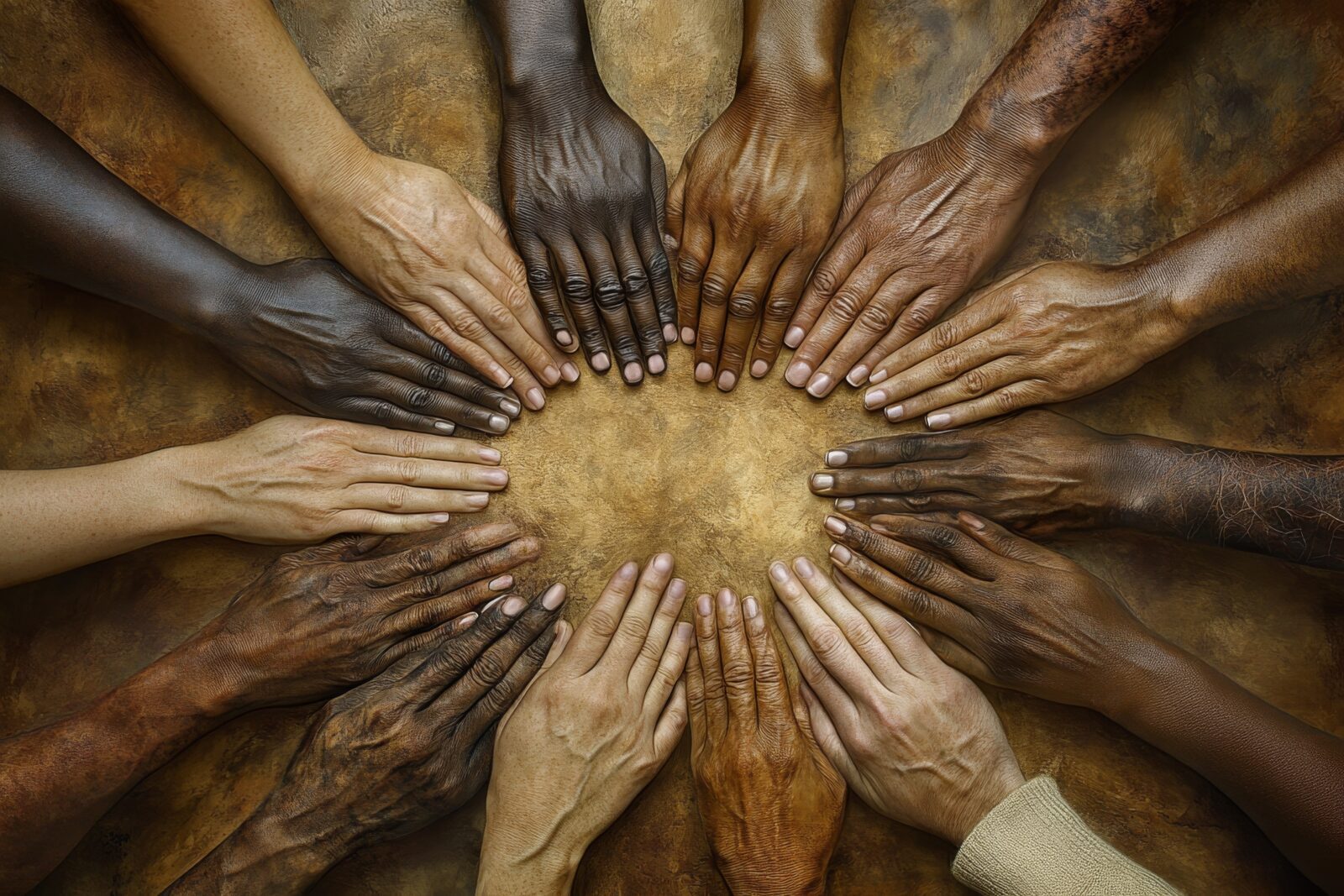
Photo: Espresso – stock.adobe.com
About the author
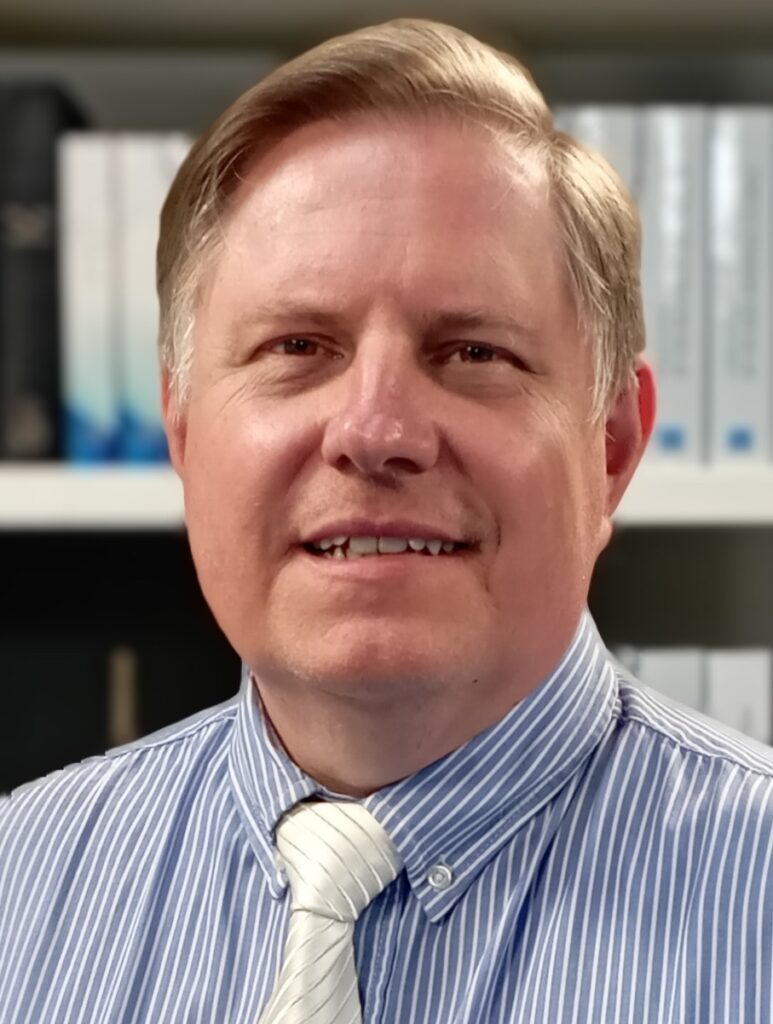
Markus Cromhout (born 1972) is a theologian at the New Apostolic Church Southern Africa. He is active in his congregation as an Evangelist. He studied at the Faculty of Theology and Religion at the University of Pretoria and obtained his doctorate in New Testament Studies. In addition to scientific publications, he also writes popular science. He conducted seminars on the subject of “Homiletics” and provides weekly background videos.