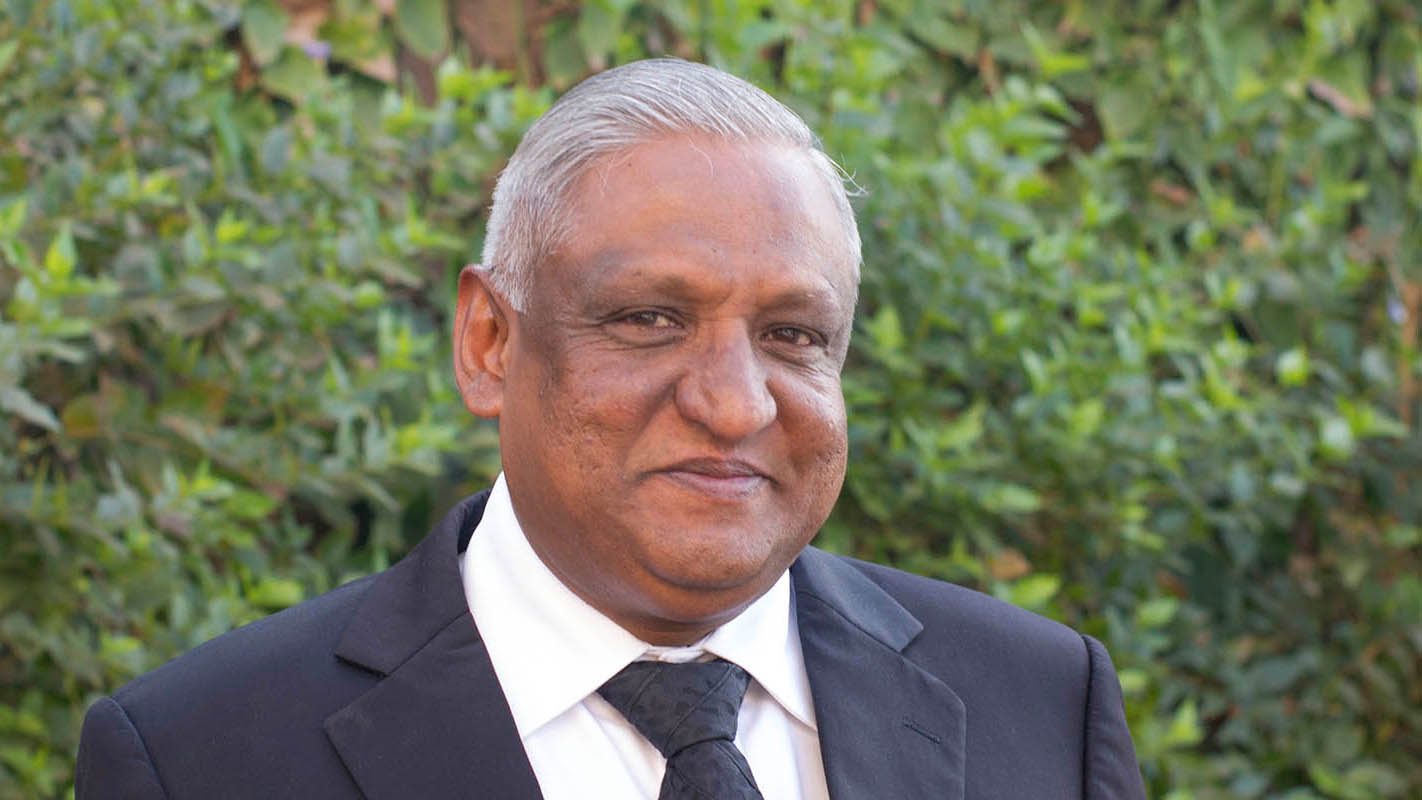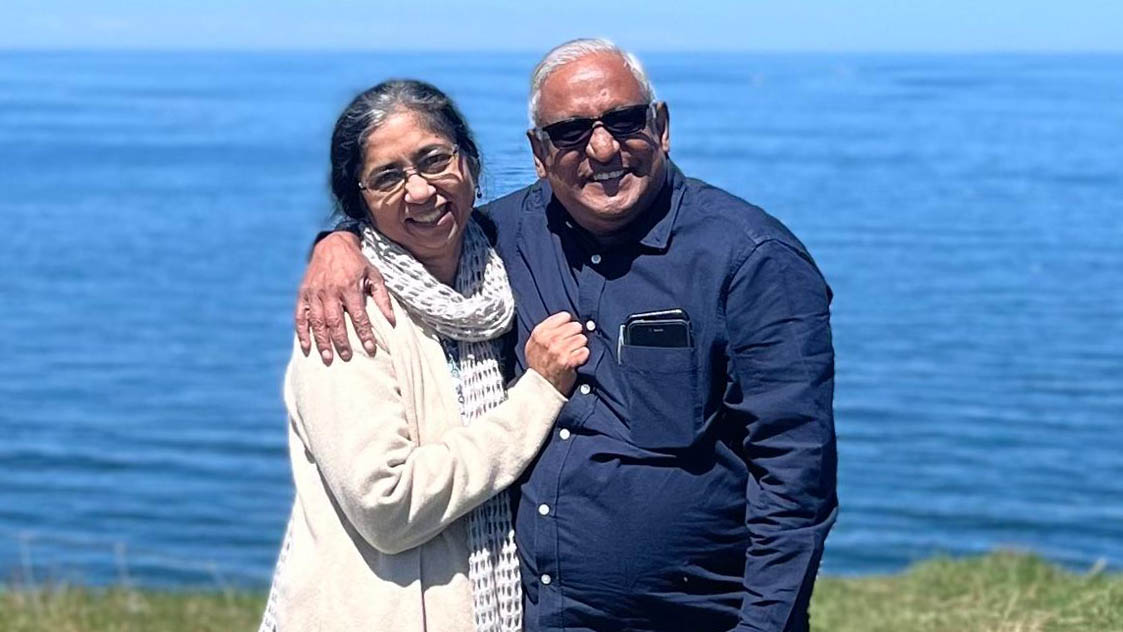




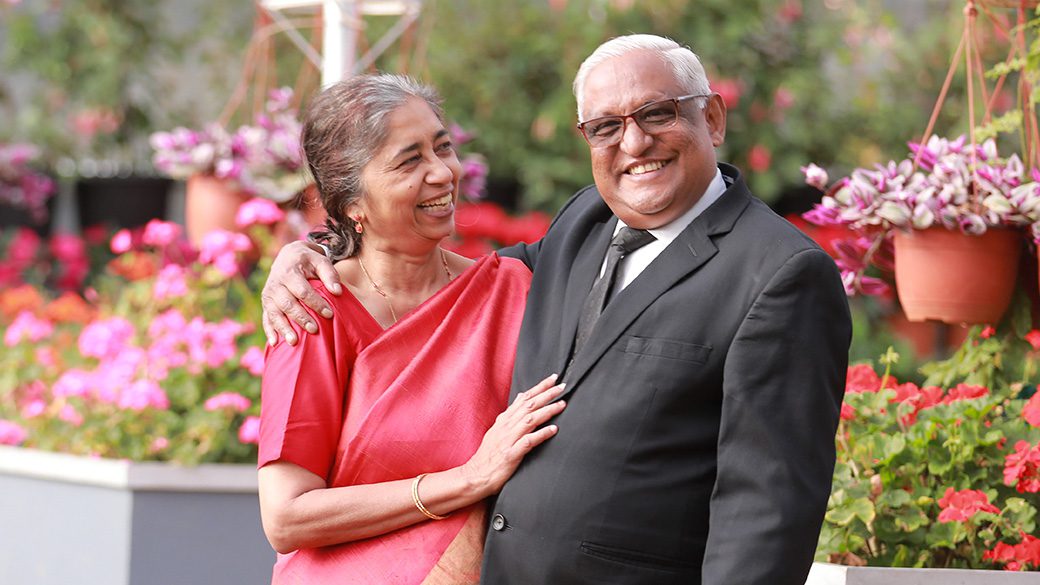
It is not his first attempt: he wanted to retire a good fifteen years ago already. But he stayed on and continued to move things along and make a difference. Here is a profile of District Apostle Helper David Devaraj from India.
David Garlapati Devaraj was born in August 1959 into a devout family. As a teenager, he was struck by the contradictions between the perfect God and the behaviour of human beings. He studied to become a chemical engineer and remained a seeker in terms of religion.
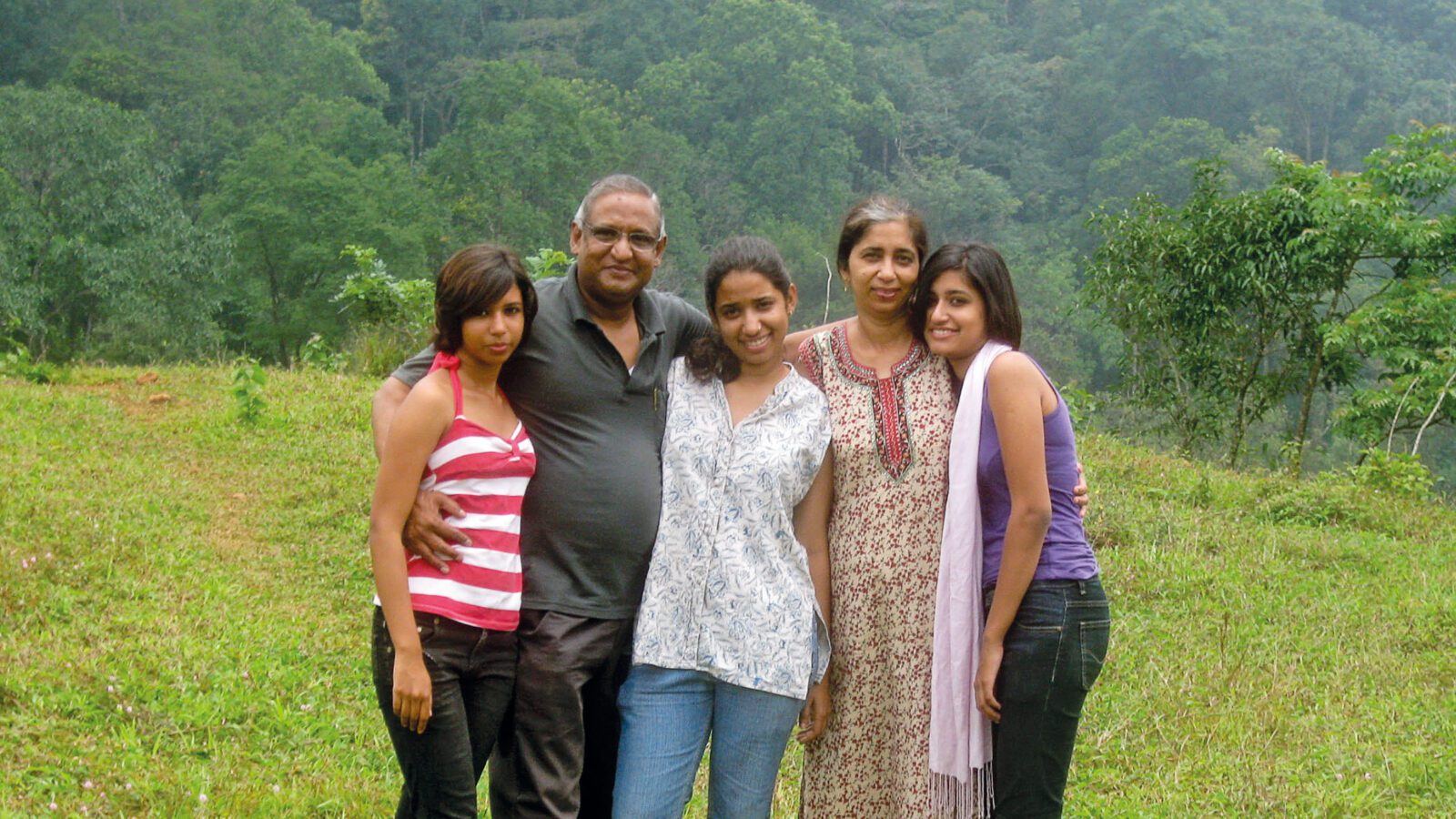
Then as now, he loves the great outdoors and loves to head into the wilderness to climb, hike, and explore. It was in nature that he gained an insight into the love of God. “I then came into contact with people who were at peace with themselves and had very sensible views,” he reports. “They were New Apostolic.”
Special assignment instead of retirement
David Devaraj was sealed in June 1988 together with his family. Less than a year later, he received his first ministry as a Priest. Further ministerial levels followed and on 29 March 1998 he was ordained into the Apostle ministry.
For the next twelve years, he was responsible for the teaching programme for all Indian ministers. And as an Apostle for Sri Lanka, he coordinated the reorganisation of the congregations. He had a letter requesting his retirement ready in his pocket when he met with the Chief Apostle and the District Apostle in 2009.
But the two had other plans and told him that he was needed as a District Apostle Helper. With his assignment in February 2010, the period of restructuring began in earnest.
Growth, change, and vision
The Church on the subcontinent was still being looked after by four different District Apostle Areas. The New Apostolic Church, which came to India in the 1970s, had experienced rapid growth. “This caused many difficulties in this great country of contrasts,” Apostle Devaraj recalls.
The task was to reconcile the records on paper with those on the ground, clarify ownership structures, and adapt the management structure. As a result, the number of congregations was reduced from around 4,000 to around 300, and the number of Apostles was reduced from over three dozen to less than ten. This was also reflected in the international membership statistics.
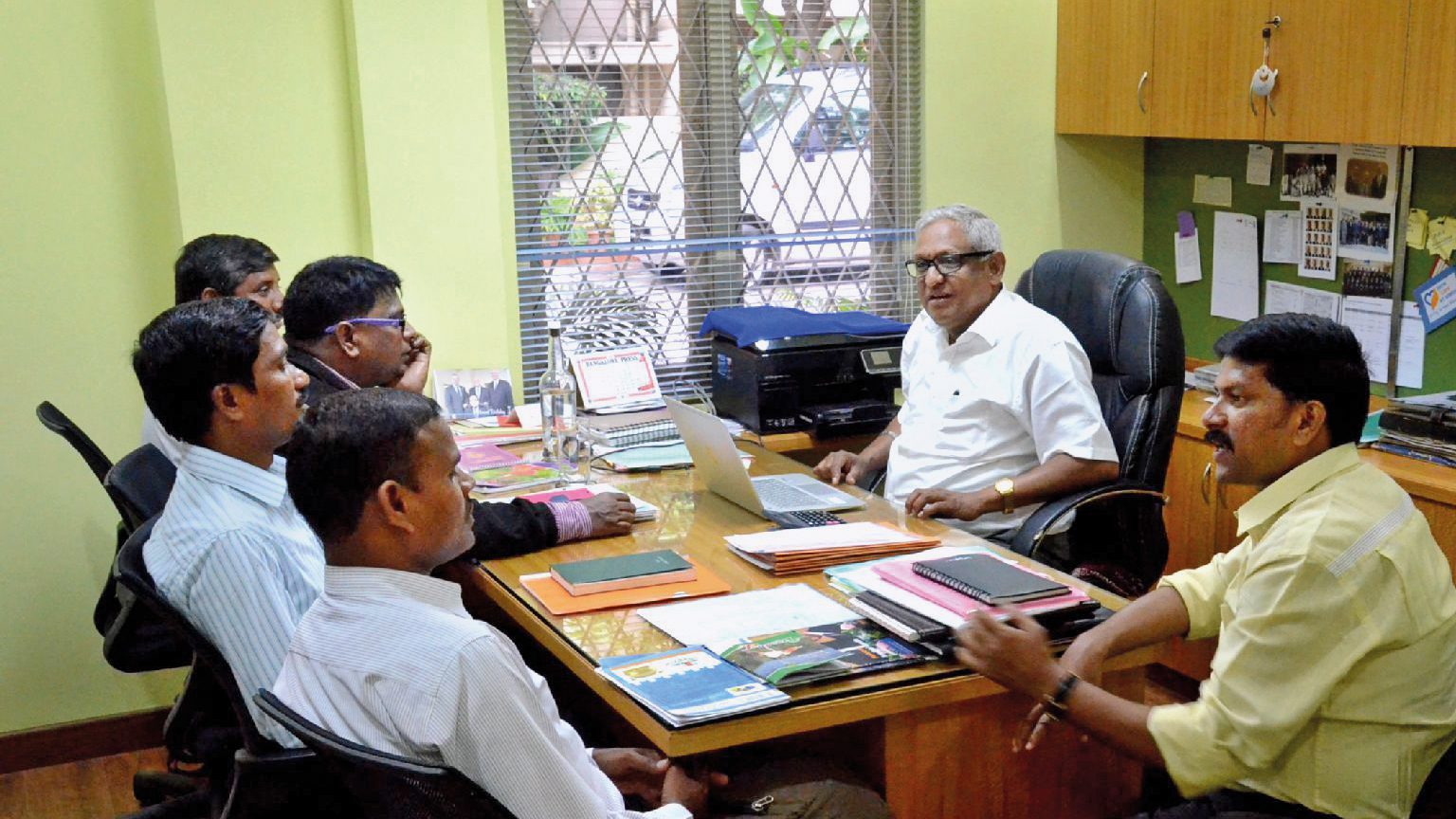
The District Apostle Helper not only put the Indian Church on a solid organisational footing, but stabilised the finances, standardised teaching programmes and textbooks in the eight most important Indian languages, and harmonised the administration.
A real live wire and meticulous
Despite the solid performance, there was always something else that came up so that his retirement was basically off the table. Up next was the Covid pandemic. And a man like David Devaraj couldn’t just walk away. Bursting with energy, he has been compared to a live wire.
He was meticulous in his approach to things: as a boss, he often gave his employees more than one chance to surprise him positively. And if they did manage to disappoint him after all, he always had a plan B up his sleeve. For anyone who has become a little complacent, this will be something they will miss in the future.
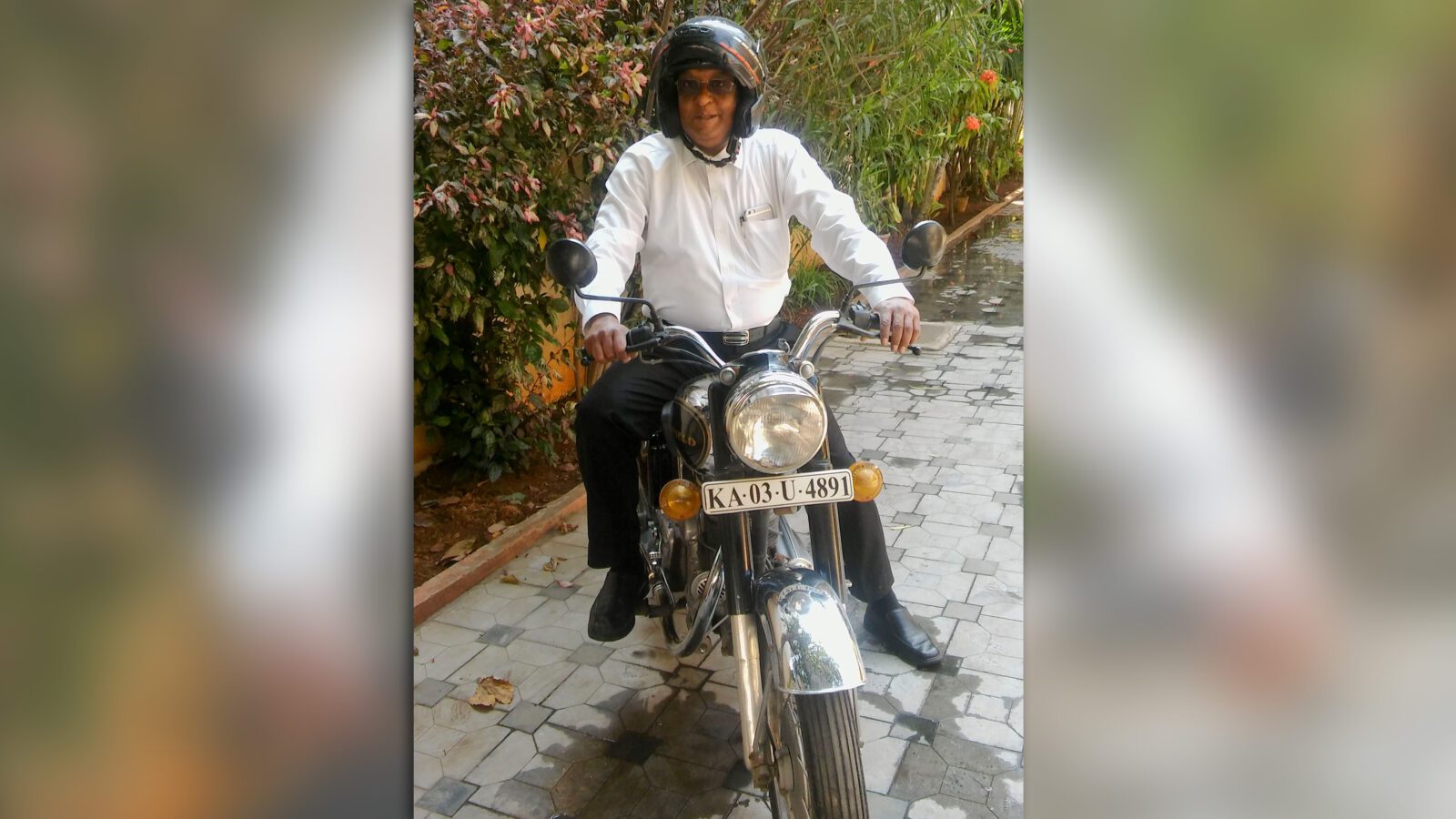
And sometimes he was downright wild. Riding his motorbike on all types of roads and terrain is his passion and something his District Apostle does not like at all. “He’s afraid I might break my bones. Sometimes I take my motorbike out for a spin secretly, very carefully.”
A bridge builder in a land of contrasts
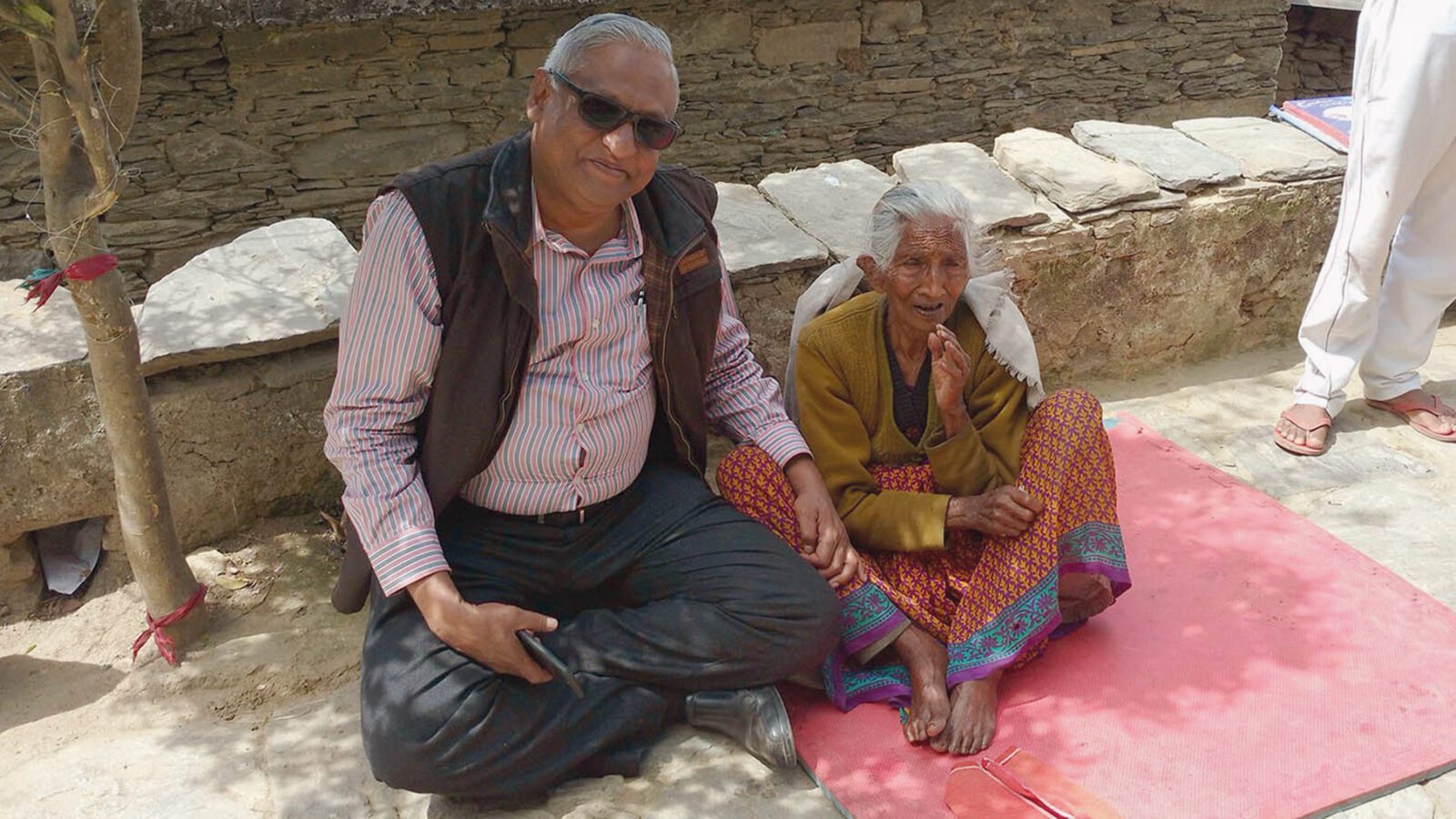
His greatest gift is probably his talent for approaching people and winning them over. In a land of social castes and cultural contrasts, Apostle Devaraj, who speaks five languages fluently and understands two others, always finds a common ground on which he can build a relationship.
His retirement is planned for this Sunday. As things stand today, it looks like this time he will indeed be able to retire. “The future of the Church in India looks promising,” he once said in an interview. “In this country of contrasts between castes, religions, and cultures, it is important to have the right people in the right place at all levels of management.”
Photos: NAC India