



Maintaining peace and harmony is sometimes not easy. Arguments can quickly flare up. The biblical example of two brothers teaches us how we can remedy the situation.
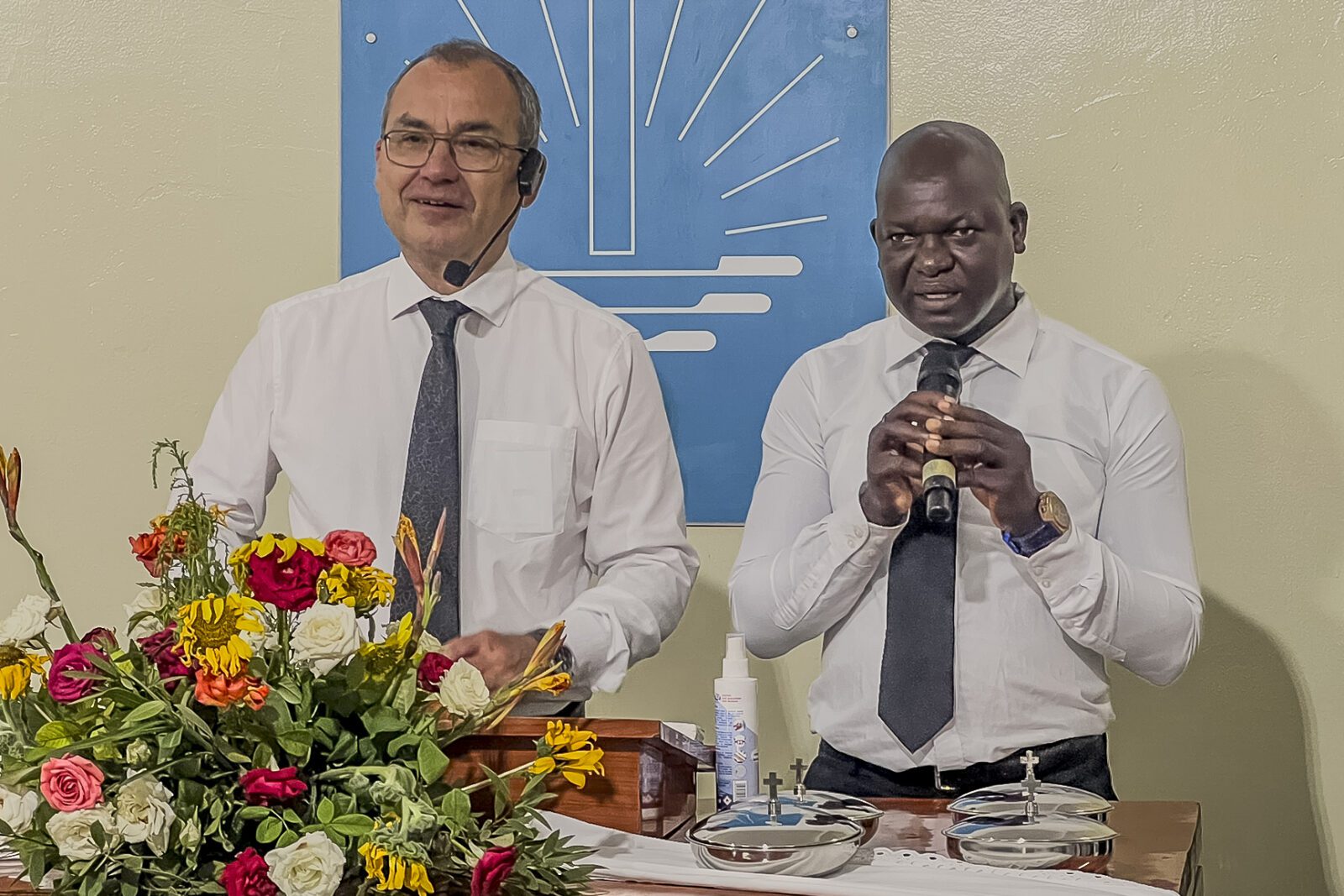
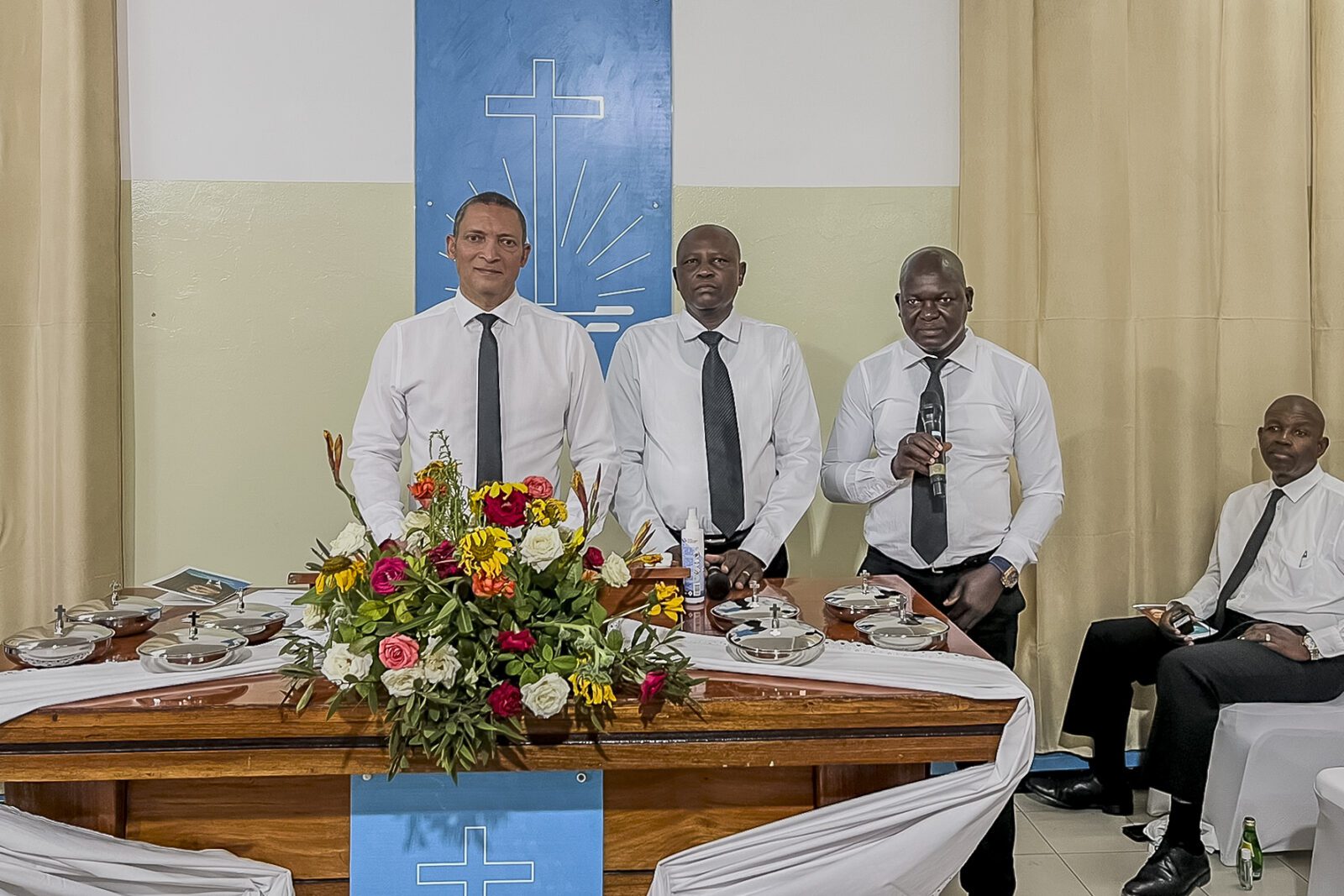
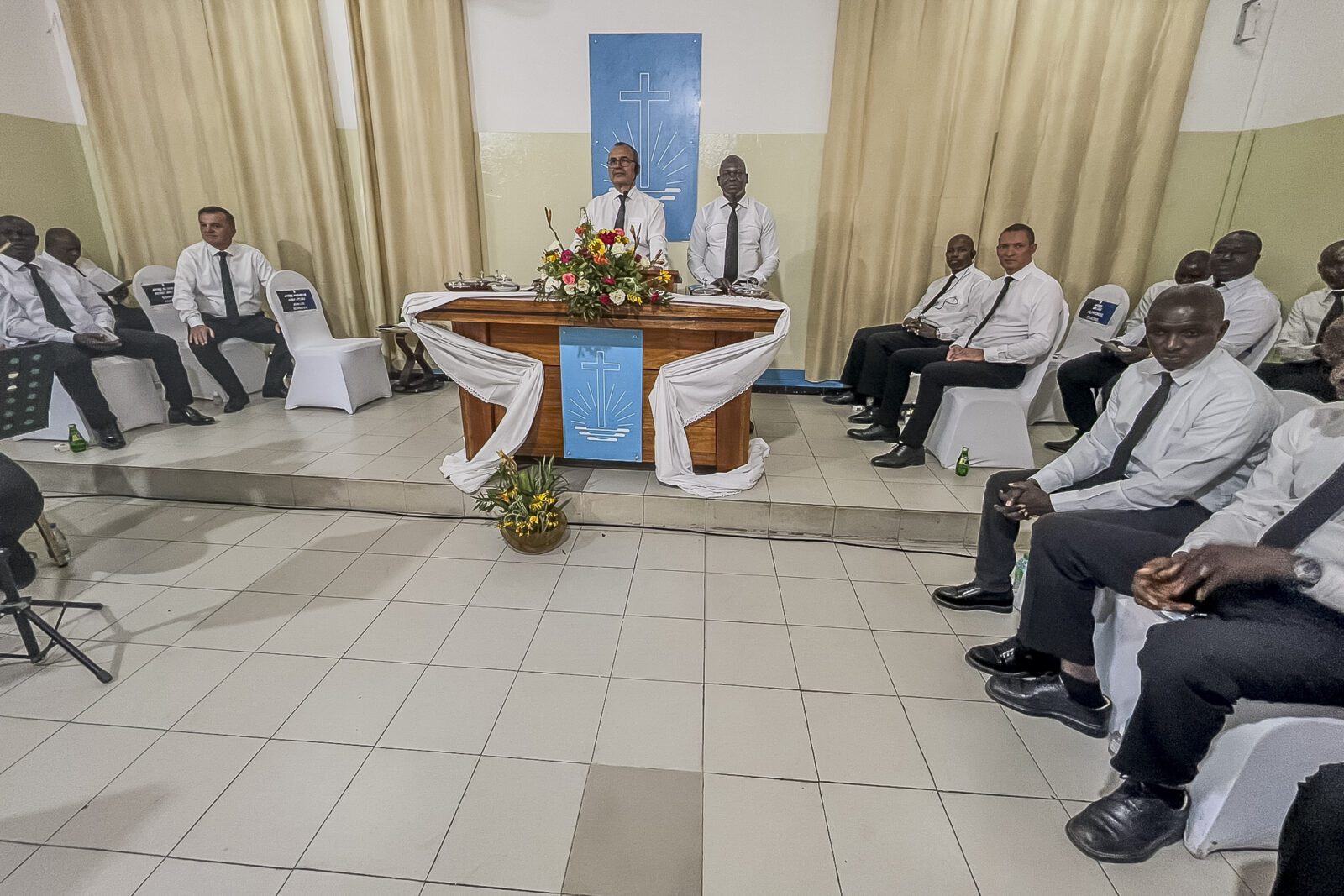
“Abram said to Lot, ‘Please let there be no strife between you and me, and between my herdsmen and your herdsmen; for we are brethren.’” This passage from Genesis 13: 8 was the basis of a divine service in Dakar, Senegal on 10 August 2025.
Abram and his nephew Lot had become wealthy and owned much livestock. But their herds were so large that water and pasture had become scarce. The herdsmen started to quarrel. Abram left it up to Lot to choose where he wanted to settle. Normally, it would have been for Abram to choose, as he was the elder of the two, but he decided to forego this privilege because he knew, “God promised me that He will take care of me.”
Harmony was destroyed
“God created human beings to live in harmony and peace,” Chief Apostle Jean-Luc Schneider said. However, the fall into sin destroyed this harmony. And since then, there have been conflicts and disputes among people—even within the Church. But: “Today, the Lord tells us through the Holy Spirit that there should be no quarrelling among us because we are brothers and sisters, we are children of God.”
This is also important in the long term, the Chief Apostle said. Because God wants to deliver us from the grip of sin and lead us into His kingdom, where we will once again live in perfect harmony with one another. We need to prepare for this and learn to be one today.
Why do people fight and argue in the first place?
In order to avoid disputes, we must begin by looking into our own hearts, understand the reasons behind them, and minimise the risks of them occurring. The Chief Apostle listed some causes that can lead to arguments.
Material things: “Everyone wants to have as much as possible.” Of course, everyone must see to their own needs, but it must never be at the expense of our fellow human beings, the Chief Apostle said. “The commandment to love our neighbour is more important than material wealth.” Those who want eternal life must obey this commandment, he said. If I choose to rather forego something than hurt my neighbour, I will be a source of peace within the congregation, the Chief Apostle said. “Let us trust in God like Abram did,” he added.
Envy and jealousy: “We are not all treated equally, and sometimes we see that God gives something to others that He does not give me.” This can make one envious and angry. Then our focus is suddenly on what we don’t have, and we forget everything that God has given us. Let us not forget all the things that God has given us and, above all, remember what He has done for our soul. Jesus Christ died for us. He wants to give everyone the same, namely eternal life and His glory. “If we anchor this thought in our hearts, it will reduce envy, jealousy, and disputes.”
Delusions of grandeur: Who is the greatest? Jesus’ disciples argued about this. This is still an issue today. “There are still arguments about who is the most deserving, who is the greatest, and who has the most to say.” But it is ridiculous to argue about this, the Chief Apostle said. Many problems in the Church are due to this attitude. Often, we forget that we all need grace and forgiveness of sins. “So, there is no point in trying to find out who is the greatest. Our goal is to be like the Lord Jesus. And the Lord Jesus came to serve, not to be the greatest.” The Chief Apostle urged, “If you want to be great like the Lord Jesus, learn to become small like Him.”
Unnecessary discussions: Already in the first Christian church there were disputes. And this is still the case today between brothers and sisters. “Everyone wants to force their point of view.” All disputes would be resolved if everyone were to focus on Christ, His gospel, the New Apostolic Creed, and the Ten Commandments. “Within the Church, God entrusted the interpretation of the Bible to the Apostles,” the Chief Apostle reinforced.
What can we do if others want to argue?
Even if we make the effort to settle an argument and bring about peace, others may continue to be difficult. The Bible has some advice for such cases.
- Forgive seven times seventy times. “Even if the other person is impossible, let us strive to forgive them,” the Chief Apostle said.
- Do not respond to evil with evil. “You can defend yourself against those who do evil, but let us strive to overcome evil by doing good.”
- Keep your distance, as Abram did. Some people are so stubborn and continue to cause problems that all we can do is distance ourselves. “We are not obliged to talk to them or listen to them,” the Chief Apostle said.
“So, if there are still disputes in the congregation, we must ask ourselves: is it really worth arguing about? Is this dispute more important to me than the salvation of my soul?” The Chief Apostle recommended: “Perhaps it is better to act as Abram did and forego something in order to have peace.”