




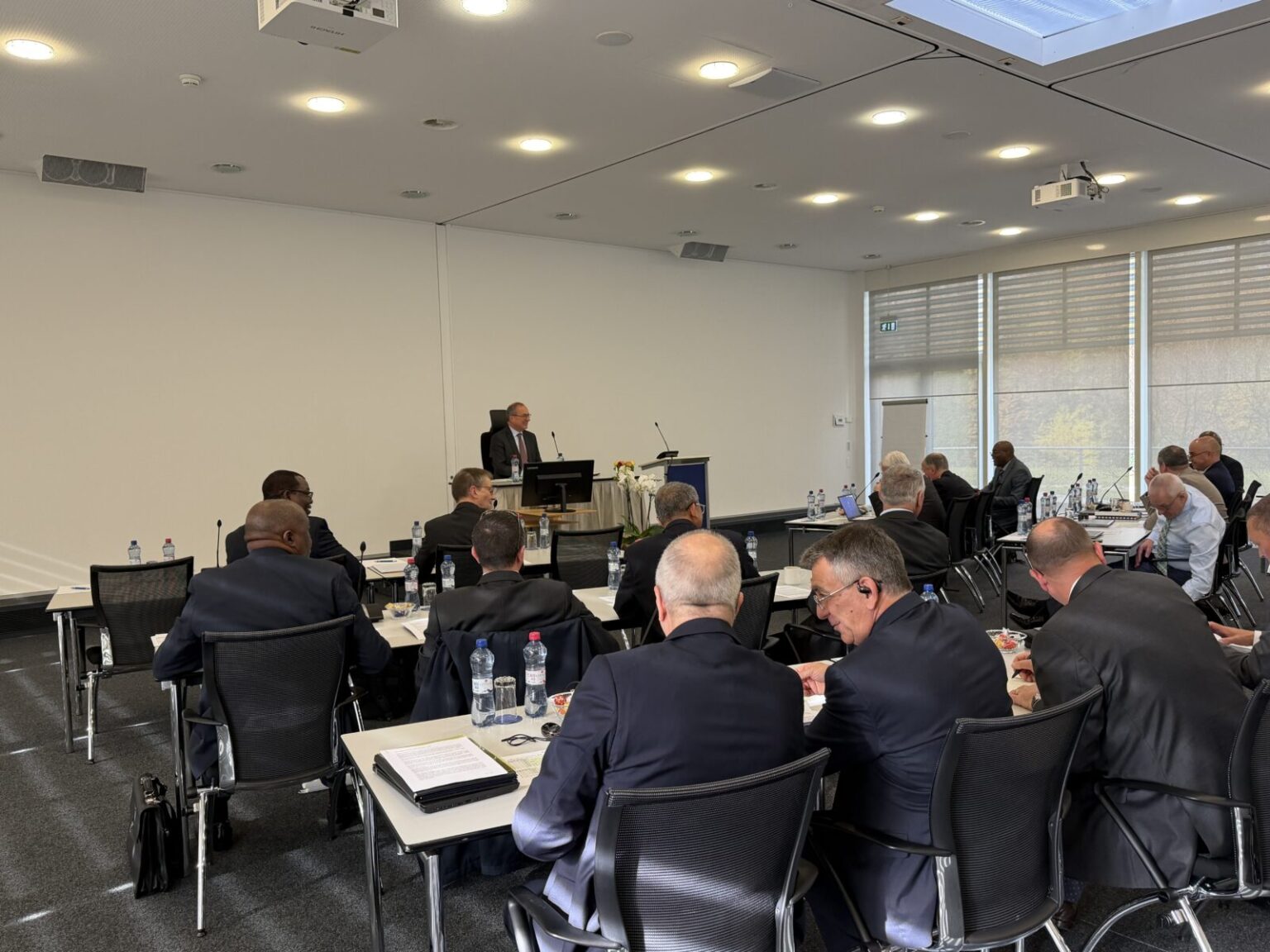
Providing pastoral care is part of the mission of the New Apostolic Church. But how does this work in practice in different cultures? The District Apostles discussed this subject.
“Pastoral care is just as important as preaching.” Chief Apostle Jean-Luc Schneider made this clear in Koforidua, Ghana in January 2019. Because: “The Lord wants us to take care of His people.”
“Every New Apostolic Christian is offered personal pastoral care,” the Catechism stipulates in 12.4.3. Jesus Himself set an example in two ways. Firstly, with the image of the good shepherd who knows His own, talks to them, protects them, and goes to seek them. And secondly through His conduct: He reached out to all people, regardless of who they were. He listened, helped, comforted, counselled, admonished, strengthened, prayed, and taught.
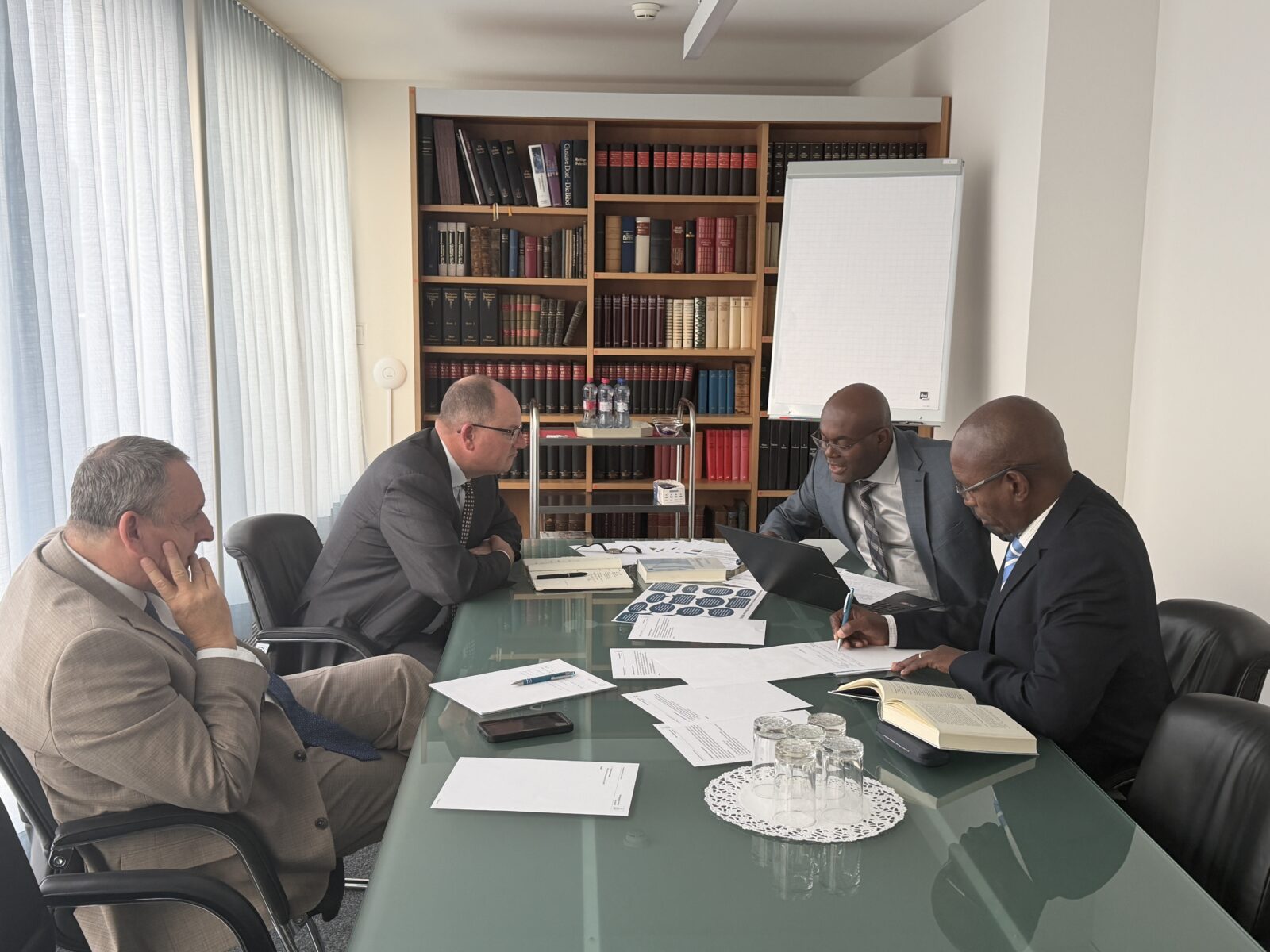
Left to right: DAH Rheinberger, DA Schnabel, DA Mukinda, DAH Mkhwanazi

Left to right: DA Pöschel, DA Tshisekedi, DA Schulte, DAH Heynes

Left to right: DA Deubel, DA Minio, DAH Misselo, DAH Ernst
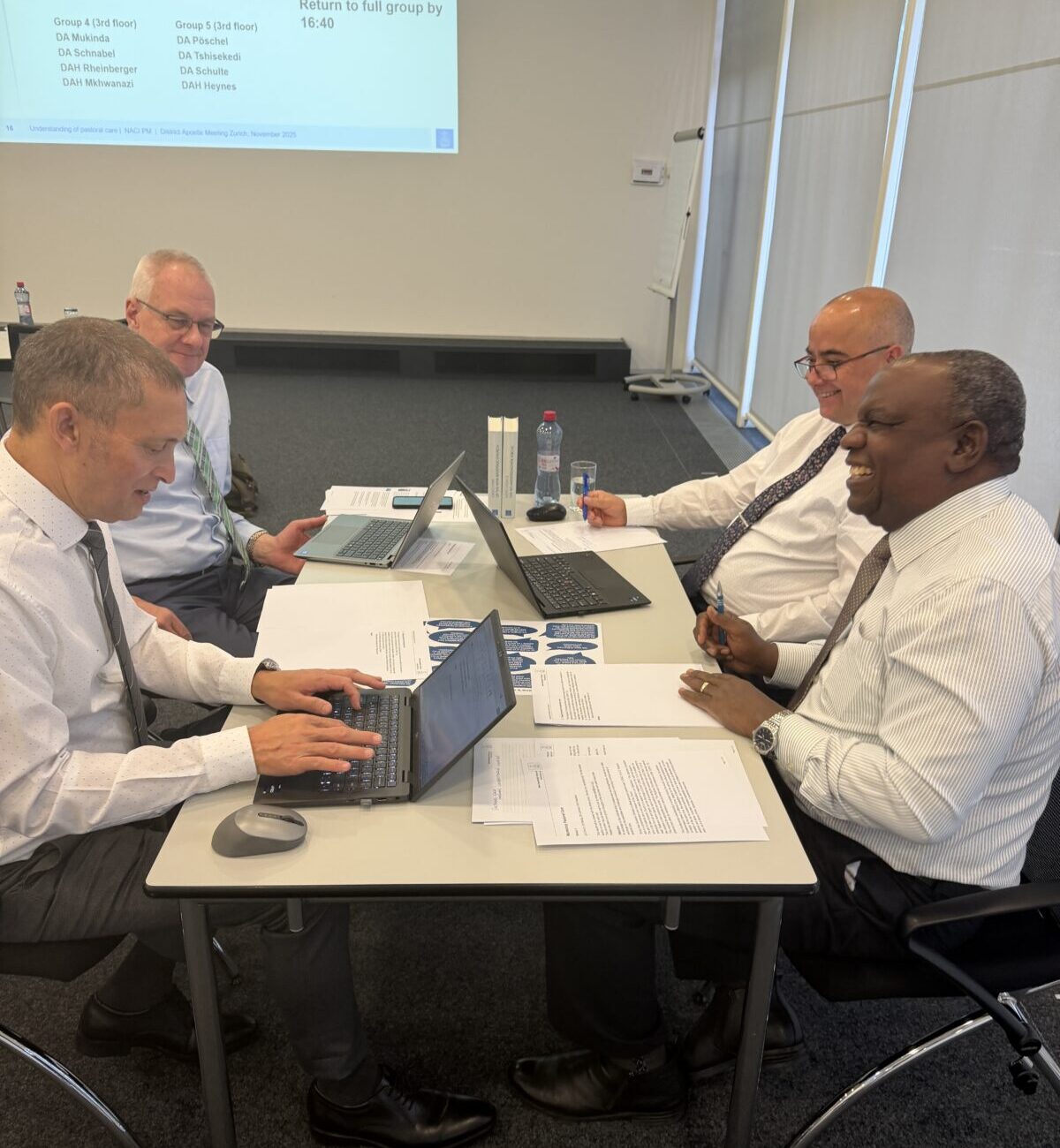
Left to right: DA Lambert, DA Ehrich, DA Martig, DAH Nsamba
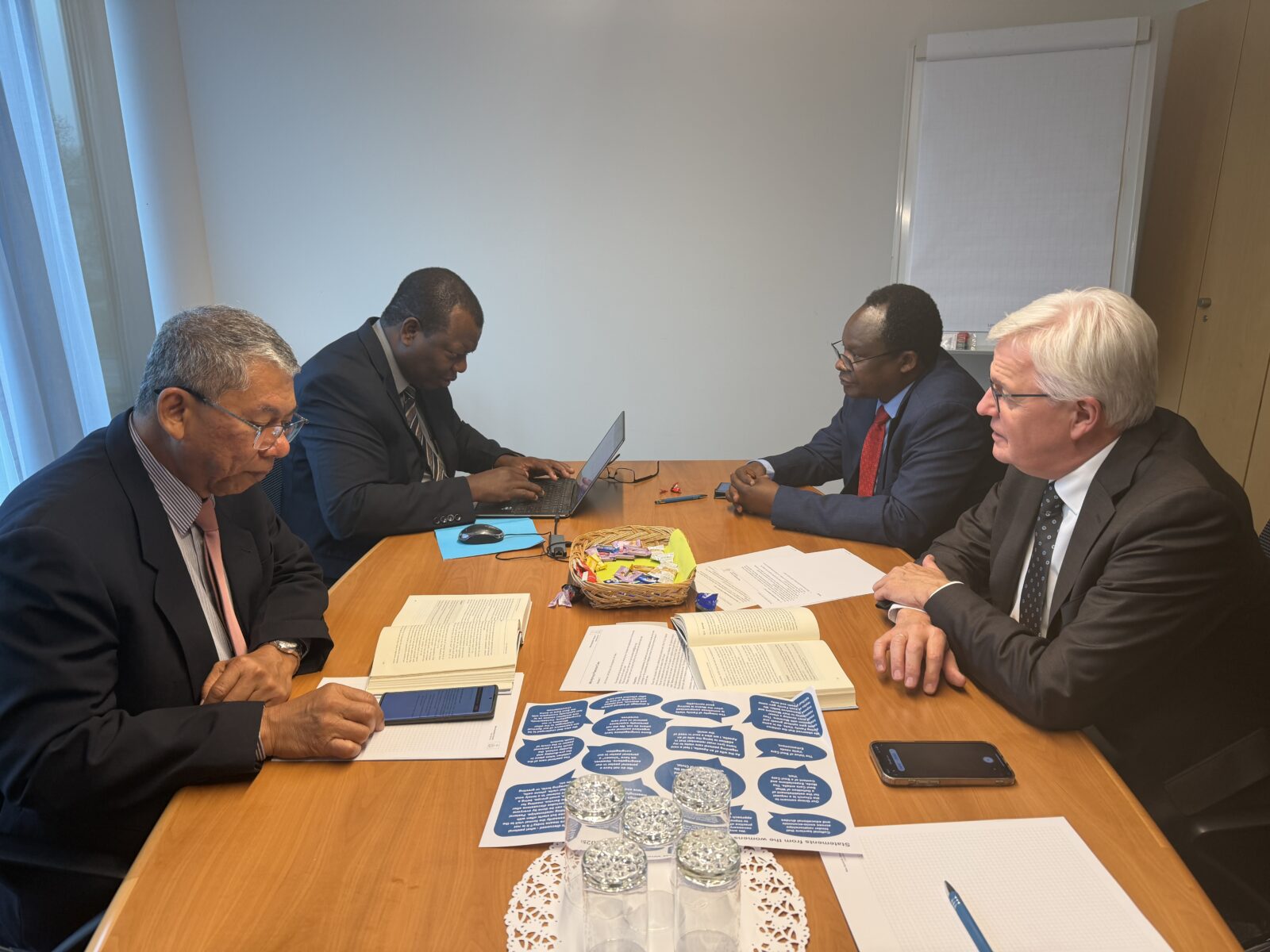
Left to right: DA Isnugroho, DA Ekhuya, DA Soko, DA Krause
Based on unity, practised in diversity
“Believers receive special care in all circumstances of life,” the Catechism says. “The Regional Churches are free to develop special pastoral care offers for members in special phases or circumstances of life,” the Guide for Ministers adds in chapter 7.10.
Pastoral care follows these guidelines worldwide. But how this is done locally is as diverse as the cultures and social conditions in which the people live their New Apostolic faith. And we must not forget, pastoral care also has its limits. It cannot answer all existential questions or alleviate every need. Besides, the volunteer ministers face challenges in terms of time, expertise, and emotions.
Increased focus on pastoral care
Pastoral care remains an issue. How does the Church reach people at the local level? Do the methods differ in Africa and in Europe, in urban congregations and rural areas? The District Apostles and their assistants discussed this in small groups: What helps in practice, and what does not? Who provides pastoral care, and how are they prepared and supported? Where are the limits, and what procedures apply in exceptional cases? The focus was on target groups such as young people, young families, and people in special circumstances. Pastoral care online, home visits, guidelines, and clear escalation paths were discussed.
Regardless of the form, the core of pastoral care—making God’s love tangible—remains the same everywhere.

The New Apostolic Church International reports on other topics from the District Apostle Meeting on its website nak.org.