



There are many voices around us. They are loud, powerful, and persuasive, and they all seem to come from God. But which one speaks the truth? A discerning faith and Christ as our model and guide can help us discern the word of God.
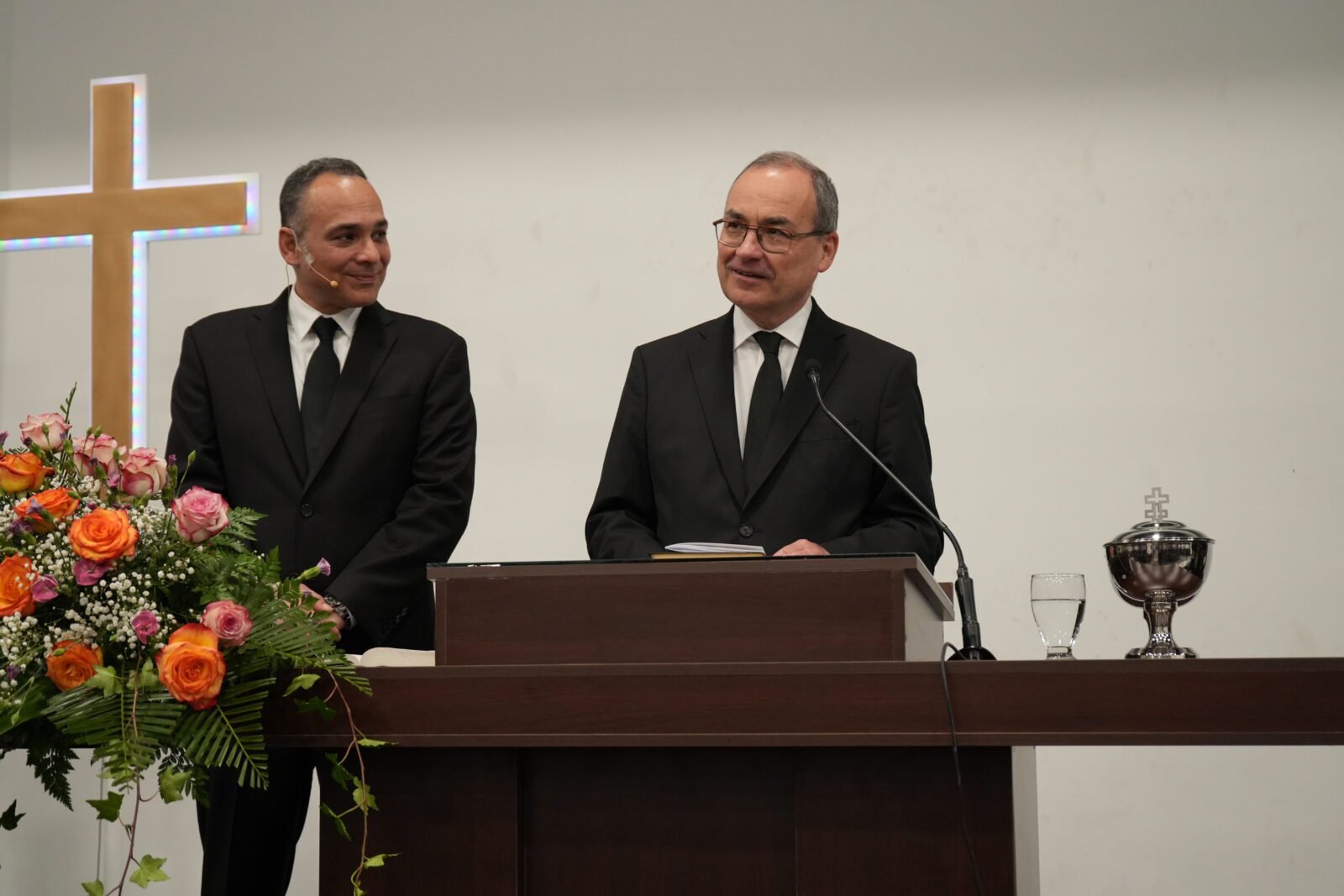
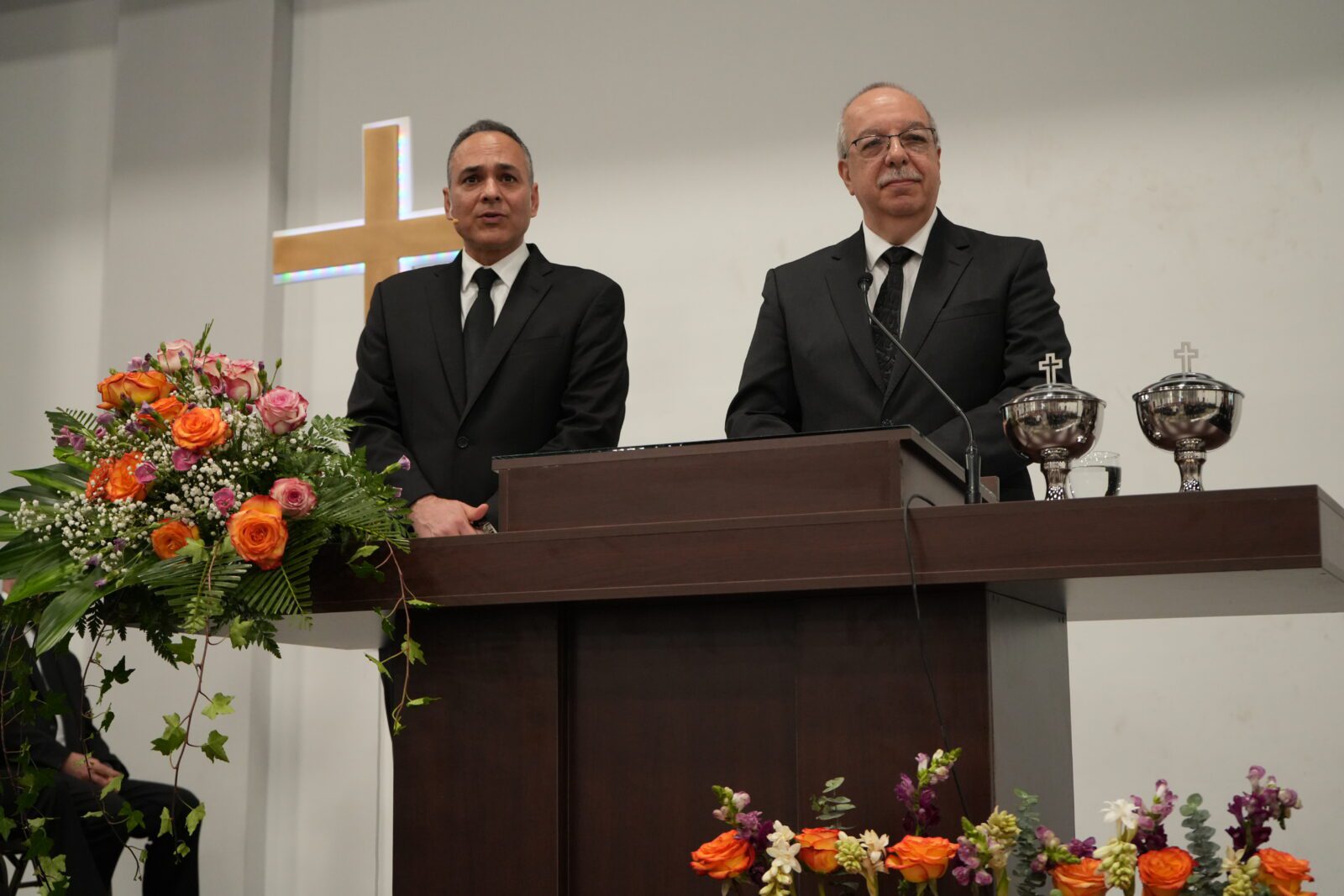
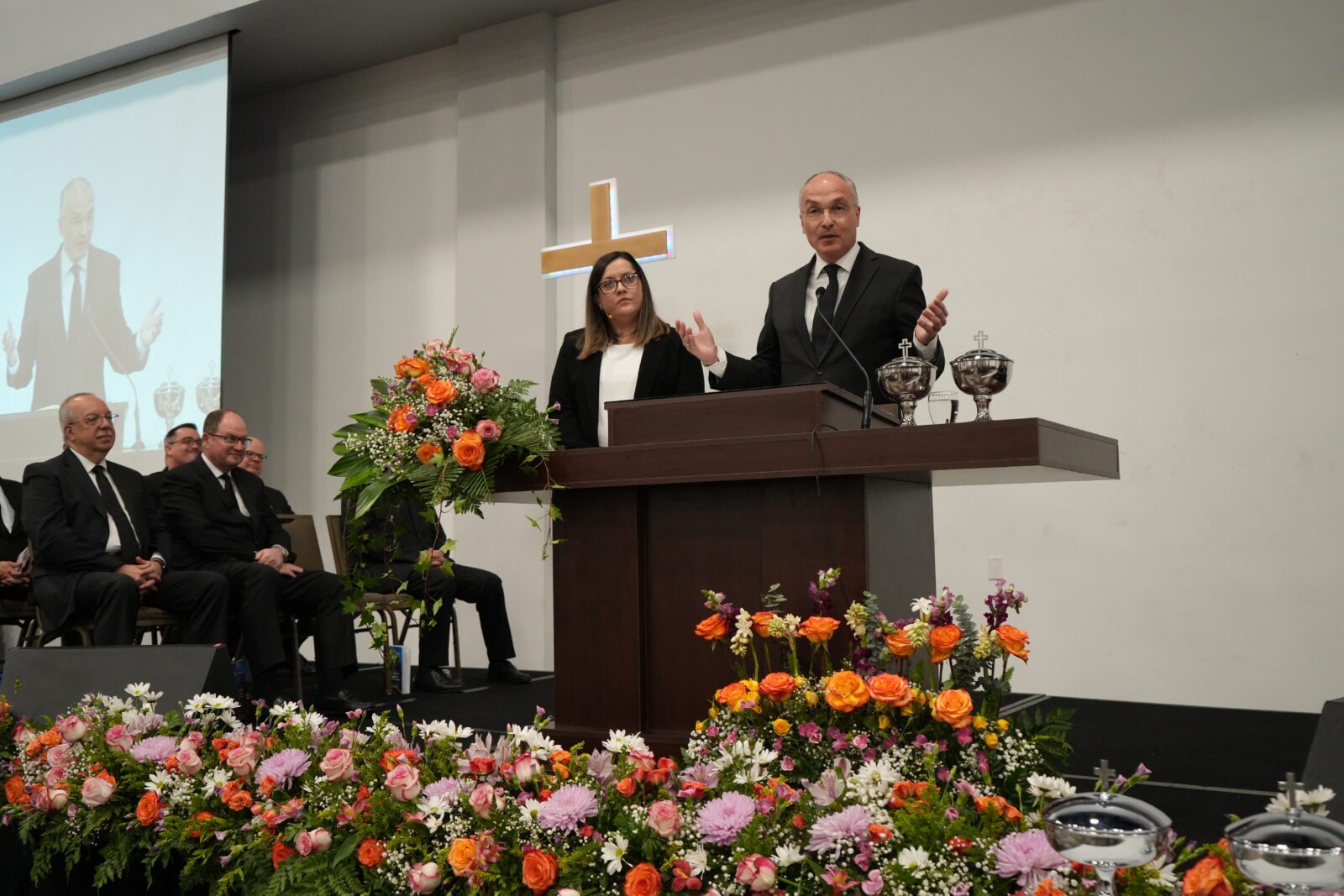
“What is God’s word?” With this question, Chief Apostle Jean-Luc Schneider began the divine service in Panama City, Panama, on 25 January 2026. He based his sermon on 1 Thessalonians 5: 21: “Test all things; hold fast what is good.”
Much noise, but only one truth
In today’s word, many claim to have been sent by God and to proclaim His word. So who is telling the truth? “We must examine their teachings,” emphasised the Chief Apostle.
- Just because people cite the Bible does not necessarily mean they are telling the truth. Even the devil came to Jesus and quoted Scripture.
- Just because someone speaks loudly and convincingly does not mean that they are right.
- Just because millions listen to and believe someone does not mean that they are telling the truth.
- Just because someone is successful and rich does not mean that they are telling the truth. The devil has the power and possesses the wealth of this world, and can distribute it as he pleases.
- It is not the truth simply “because their teaching matches your opinion, your feelings, and your desire”.
The Chief Apostle appealed to the congregation: “Let us examine all these ‘teachers’, these people who claim to preach God’s word.”
The test of true discipleship
To recognise true teachers, true disciples of Christ, we must examine whether they are:
- sincere. “Do they practise what they preach?” Or are they like the Pharisees, who did not live according to their own demands.
- loving. “Jesus Christ loved every person without condition.” Whether they followed Him, rejected Him, or even sought to kill Him, He prayed for their salvation.
- peaceful. “Jesus did not use violence or threats, or force sinners to change.” Motivating change through love—that was His way. He spoke the truth and did not care whether His message was accepted.
- pleasing to God. “Many only tell people what they want to hear.” For them, it is important to please others, not God.
- willing to suffer. “Jesus Christ was willing to suffer in order to convey His message.”
The teaching of the Apostles
Some believe they do not need teachers because they are inspired directly by the Holy Spirit. However, this is not how it works. “The Bible says that the gospel must be preached and heard,” Chief Apostle Schneider emphasised. “We know and believe that the Apostles were sent by Jesus to teach the gospel.” The teaching of the Apostles has been valid since Jesus’ death and will continue to be valid until His return.
The Apostles’ teaching shows us what is necessary for salvation. It is independent of who proclaims it and who receives it. “They all teach the same doctrine,” the Chief Apostle said. And they are also willing to suffer in order to spread the message, motivated by their love for Christ and their neighbour.
Test everything—using Christ as the standard
We must test whether the message is truly inspired by the Holy Spirit. “Where the Holy Spirit is at work, He refers only to Jesus Christ.” This means …
- “… reading the Bible in the light of Jesus Christ’s teachings.” One must not mix a passage from the Old Testament with the New Testament. The gospel is the ultimate truth.
- “… He did not come to change society, but to transform people so that they may enter the kingdom of God.”
- “… to become like Jesus Christ and to be humble.” God is not bound by our prayers or offerings. The wisdom of the Holy Spirit is to accept God’s will and to ask for the strength to remain faithful under the circumstances God has allowed.
- “… salvation is not related to our deeds or keeping certain rules.”
- “… love God and love your neighbour.” The Holy Spirit seeks to transform us so that we can truly love God and our neighbour, and forgive others and accept them as they are.
Even though the Apostles are inspired by the Holy Spirit, their message must also be tested. “That means, think about it deeply. Reflect on what was said so that God’s will becomes our will.” Then we will no longer do God’s will out of obedience, but out of conviction that this is the right path.
“Test everything. The gospel concerns every aspect of our existence,” the Chief Apostle urged. “And hold fast to what is good.”
The final criterion: the return of Christ
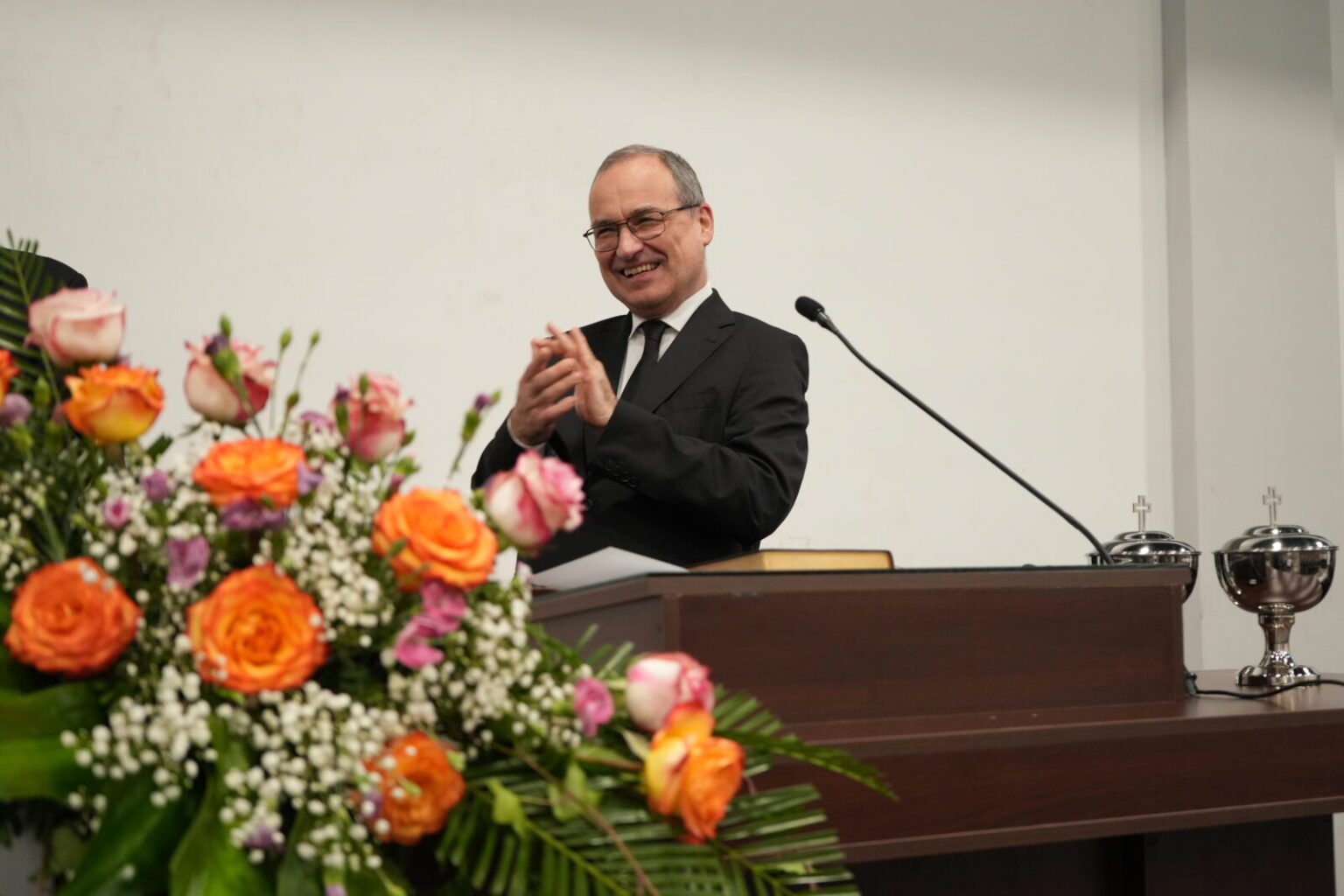
“Our Chief Apostle invited us today to a kind of faith that reflects and examines,” Chief Apostle Helper Helge Mutschler said when he was called up. Another criterion to be examined with regard to preachers is the question: “Do they teach the return of Christ?”
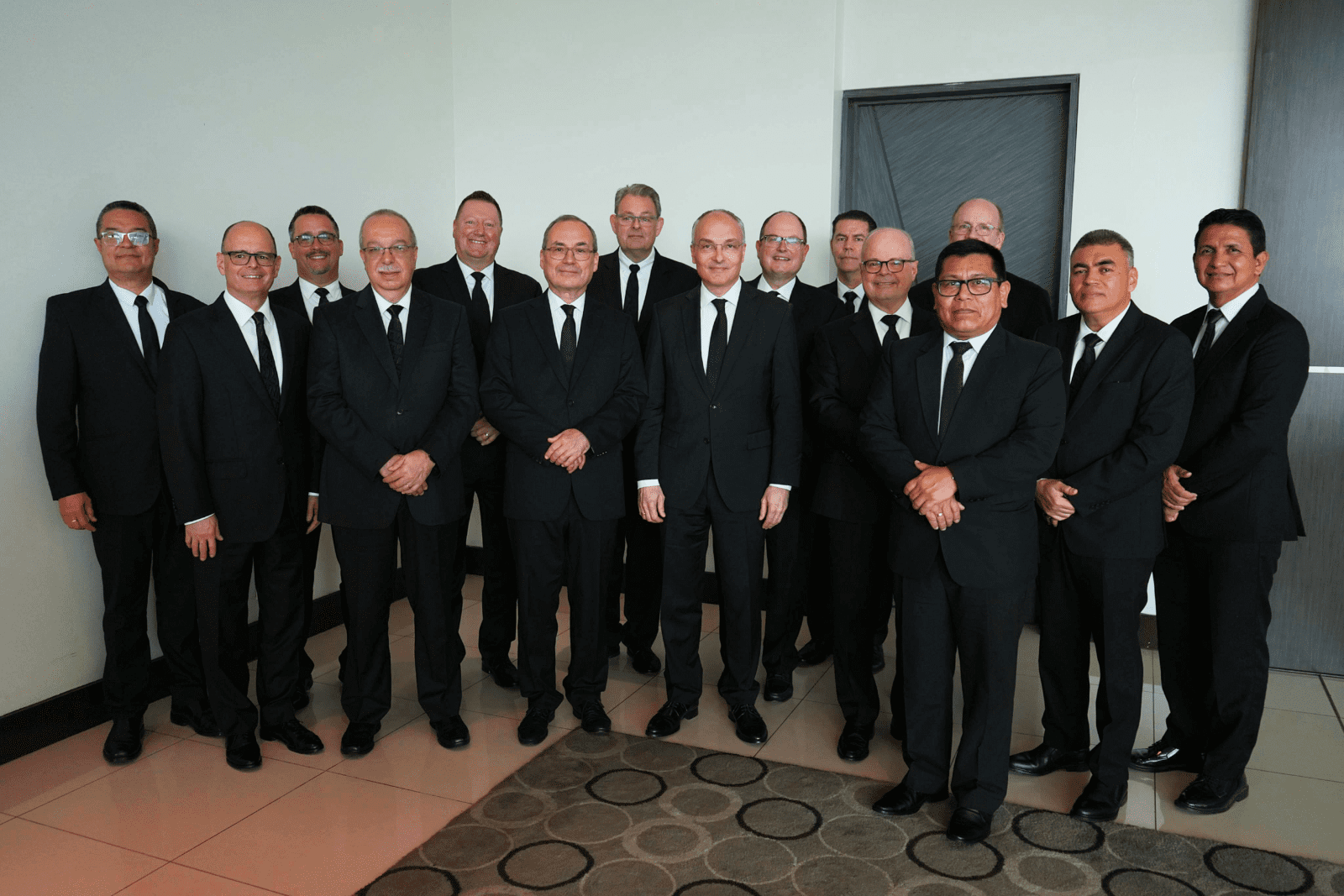
The Chief Apostle Helper mentioned the first Apostles’ Meeting he attended. There had been many discussions, very open discussions, and a wide range of opinions. Eventually, however, when the discussions came to one certain point, everyone in the room fell silent, “That was when we spoke about the return of Jesus Christ. At that moment, I knew: everything is in order in this circle.” Those who follow the apostolate are on the right path. Chief Apostle Helper Mutschler urged, “Test us. Are we good shepherds?”

Photo: NAC Panama