




As the host of this Pentecost celebration, the Regional Church of Southern Africa looks back on a journey marked by faith, steady growth, and enduring solidarity—from its first mission to the Regional Church that it is today.
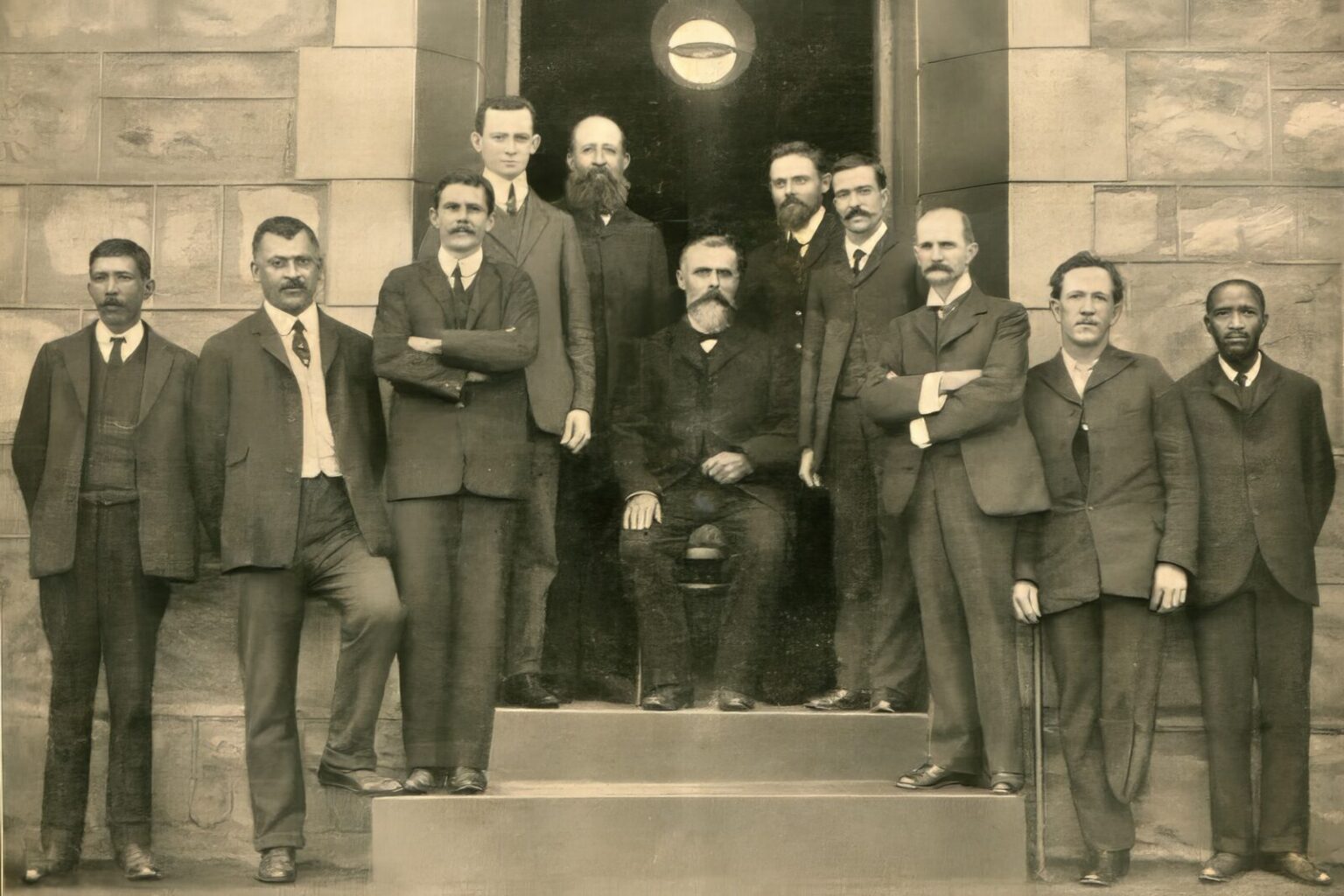
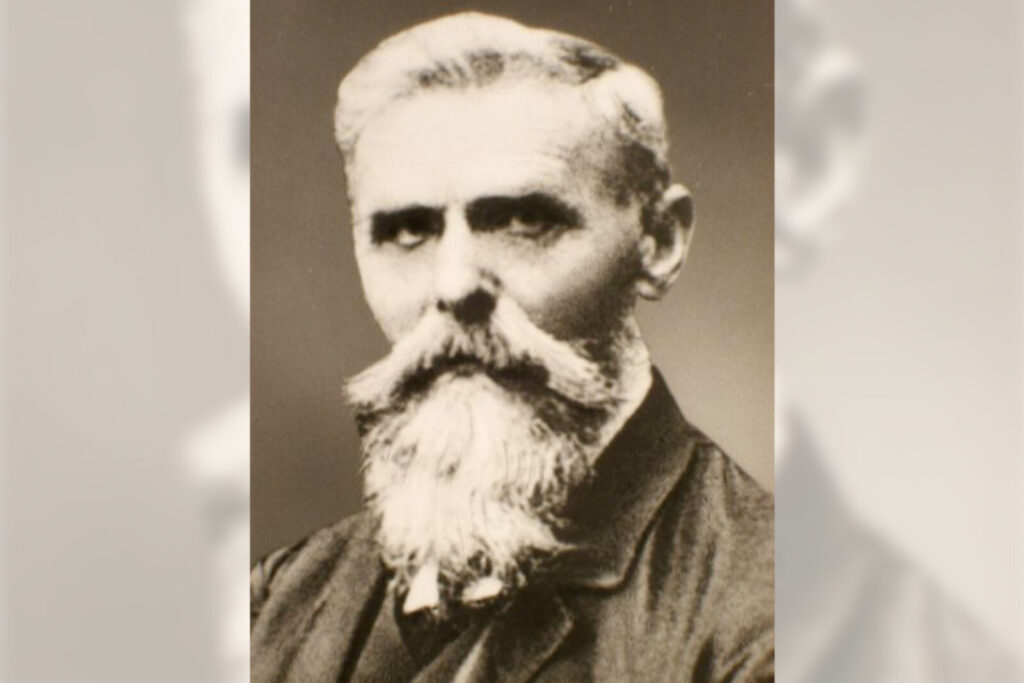
In 1889, Apostle Heinrich Friedrich Niemeyer sent a young emigrant of German descent from Australia to South Africa. The mission of the 37-year-old Evangelist Carl Georg Klibbe was to establish New Apostolic congregations at the Cape of Good Hope. But his early efforts remained fruitless. It was only when he moved from Claremont to East London, some 900 kilometres away in Eastern Cape, that he began to have some missionary success. Three years later, the first congregation was established there, initially without its own church building.
Klibbe was ordained as an Apostle in July 1893. In the years that followed, he ordained Deacons, Priests, and Evangelists and sent them to Port Elizabeth (Gqeberha), Durban, Johannesburg, and Kimberley to spread the gospel and establish congregations. In 1903, he sent Deacon Georg Heinrich Wilhelm Schlaphoff to Cape Town.
The beginnings of the Church in Cape Town
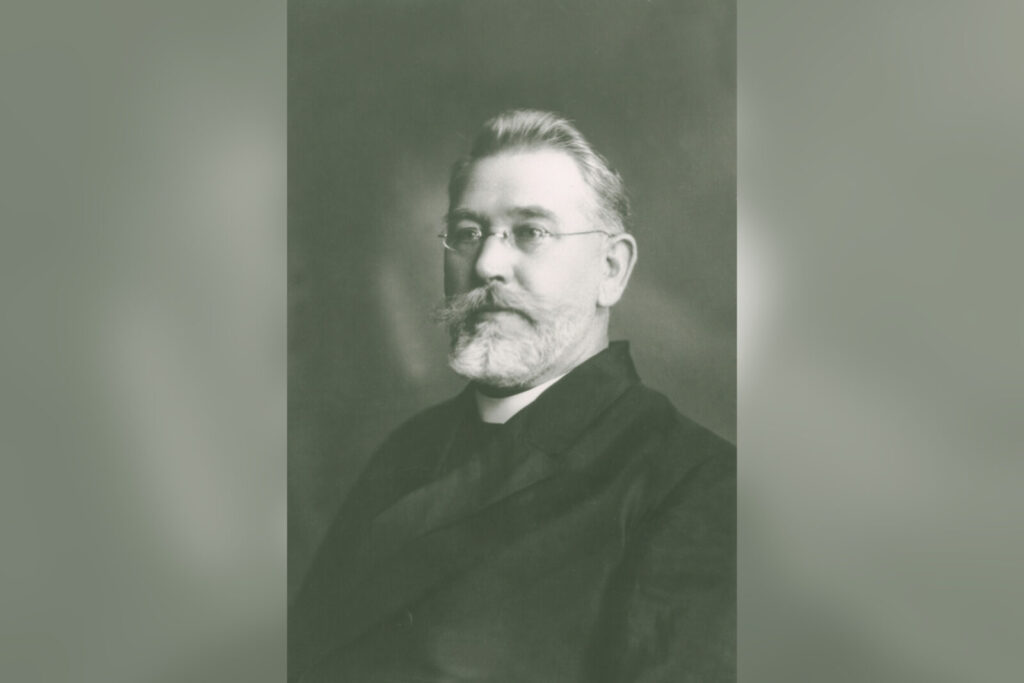
Schlaphoff came from northern Germany and, while settling in South Africa with his family, not only found a new home but also discovered the New Apostolic faith. The family became New Apostolic in 1902. From Cape Town he was to assist with the building up of the Church in the western part of the country. At first, he conducted services in his own home at 41 Argyle Street, and later on in rented premises. The sermons were delivered in German and in Dutch. The first believers were sealed in Cape Town in April 1904. Schlaphoff was ordained as an Apostle in 1913 and commissioned to take over the leadership of the congregations in South Africa.
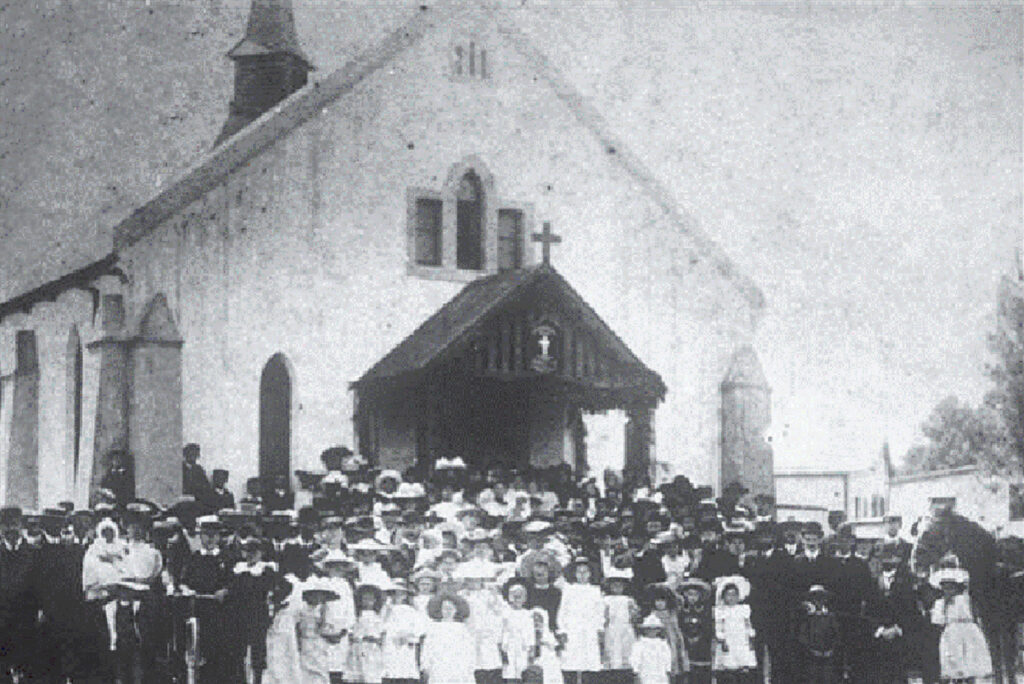
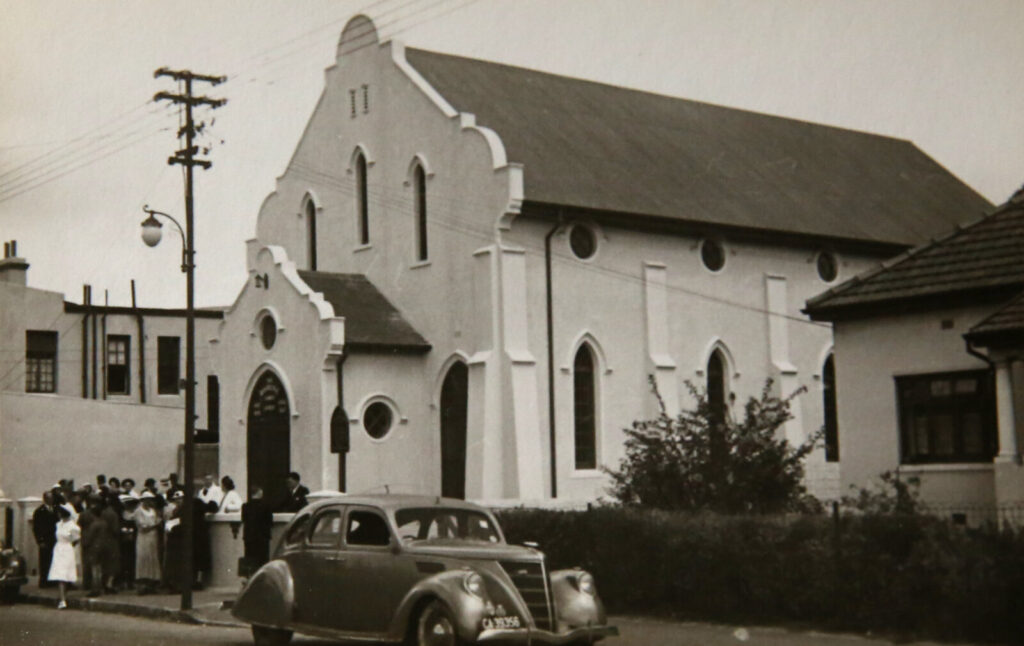
The Church’s first own chapel was built on Palmyra Road in Claremont and was dedicated on Pentecost 1906. Four years later, the Church was officially registered as “The New Apostolic Church (Africa)”. However, between 1913 and 1926, there were two denominations in South Africa that carried the name “New Apostolic Church”. Apostle Klibbe and his followers had gone their own way, yet retained the name. The case went to court. After the hearing, the two parties reached an agreement, and Klibbe carried on his activities under the name “The Old Apostolic Church of Africa”.
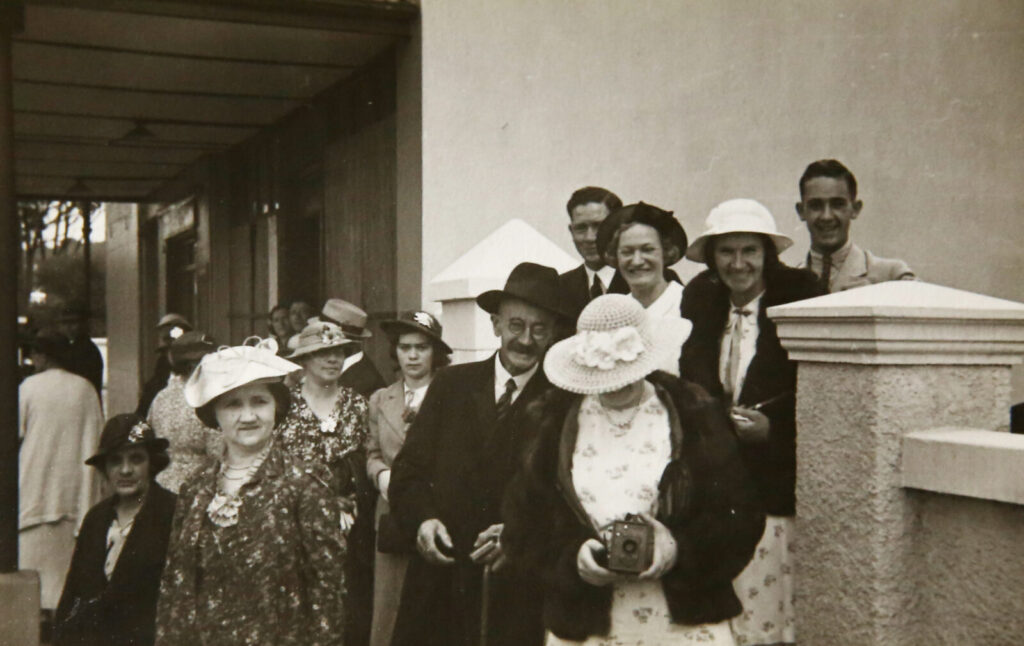
Growth through change
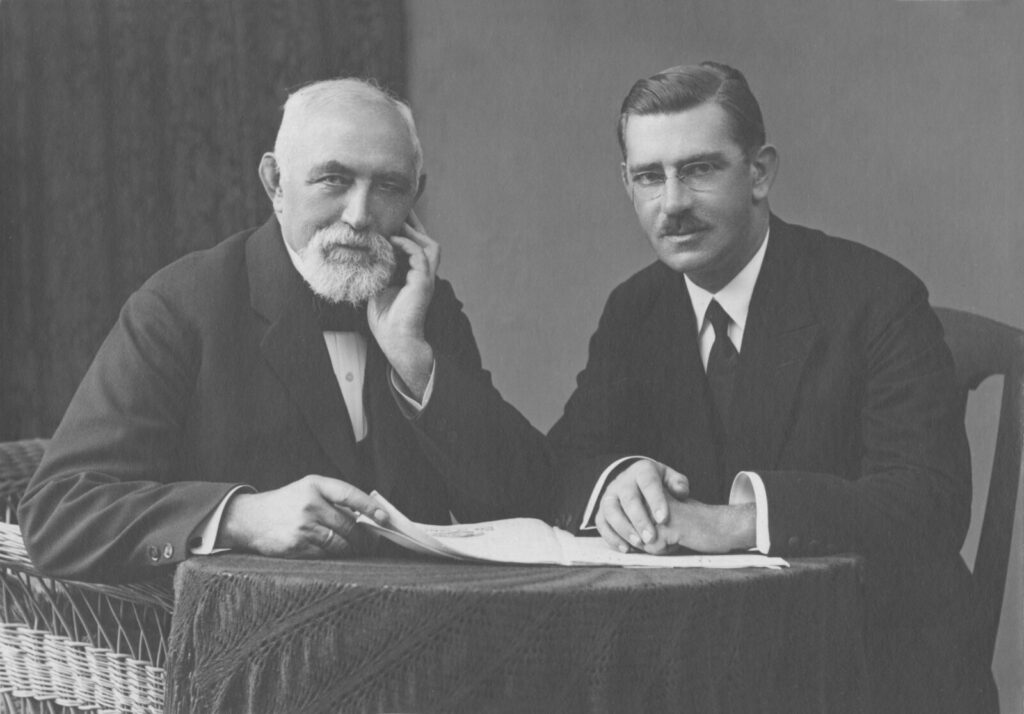
The New Apostolic Church (Africa) had nearly forty congregations and about seven thousand members when Apostle Schlaphoff set out on a journey to visit all the congregations. While in Johannesburg to do pastoral work he collapsed and died. His son, Heinrich Franz Schlaphoff, was ordained Apostle and appointed to take over the affairs of the Church in South Africa. In 1933 H. F. Schlaphoff was appointed as Assistant Chief Apostle for the Southern Hemisphere. Not only did he carry on his father’s work but consolidated it. Without further ado, he abolished the practice of divine services being conducted in the German language. From then on, services were held in English and Afrikaans. Putting the focus on the country’s national languages drew many new members into the Church. He structured the Regional Church into Elder and Bishop areas. He also set up an accounting system based on the European model and wrote weekly circulars to the ministers in three languages. He went on to establish welfare centres and set up a burial fund. And he founded the United Sports Union, under which the Church maintained its own community sports leagues, including football, cricket, and softball.
Moving forward
In 1939, the New Apostolic Church in South Africa became a recognised body. In later years, the Church in South Africa developed into two separate districts—Cape and South-East Africa—each led by its own District Apostle.
In 1965, Chief Apostle Walter Schmidt became the first Chief Apostle to visit South Africa. In 1978, Chief Apostle Ernst Streckeisen visited South Africa and dedicated the Silvertown church. He also conducted the first service for the departed in South Africa. Only three days later, still in Cape Town, he suffered a stroke and died in hospital. In 1999, District Apostle Noel Barnes dedicated the Tafelsig church, one of the largest New Apostolic church buildings worldwide.
Moving into the future together
In 2016, the districts of South-East Africa and Cape were merged to form the New Apostolic Church Southern Africa. John Leslie Kriel was appointed District Apostle to lead the newly established Regional Church. The area of responsibility includes Botswana, Falkland Islands, Lesotho, Madagascar, Mauritius, Mayotte, Mozambique, Namibia, Réunion, Seychelles, St Helena, Swaziland, and South Africa. Since 2023, Peter Lambert has served as the District Apostle.
Photo: Neuapostolische Rundschau, Bischoff Verlag Archiv