





The storms of life are fierce: darkness, headwinds, and endless rowing. But Jesus Christ never loses sight of His own. Today, more than ever, He comes walking on the very waters that threaten to overwhelm us.
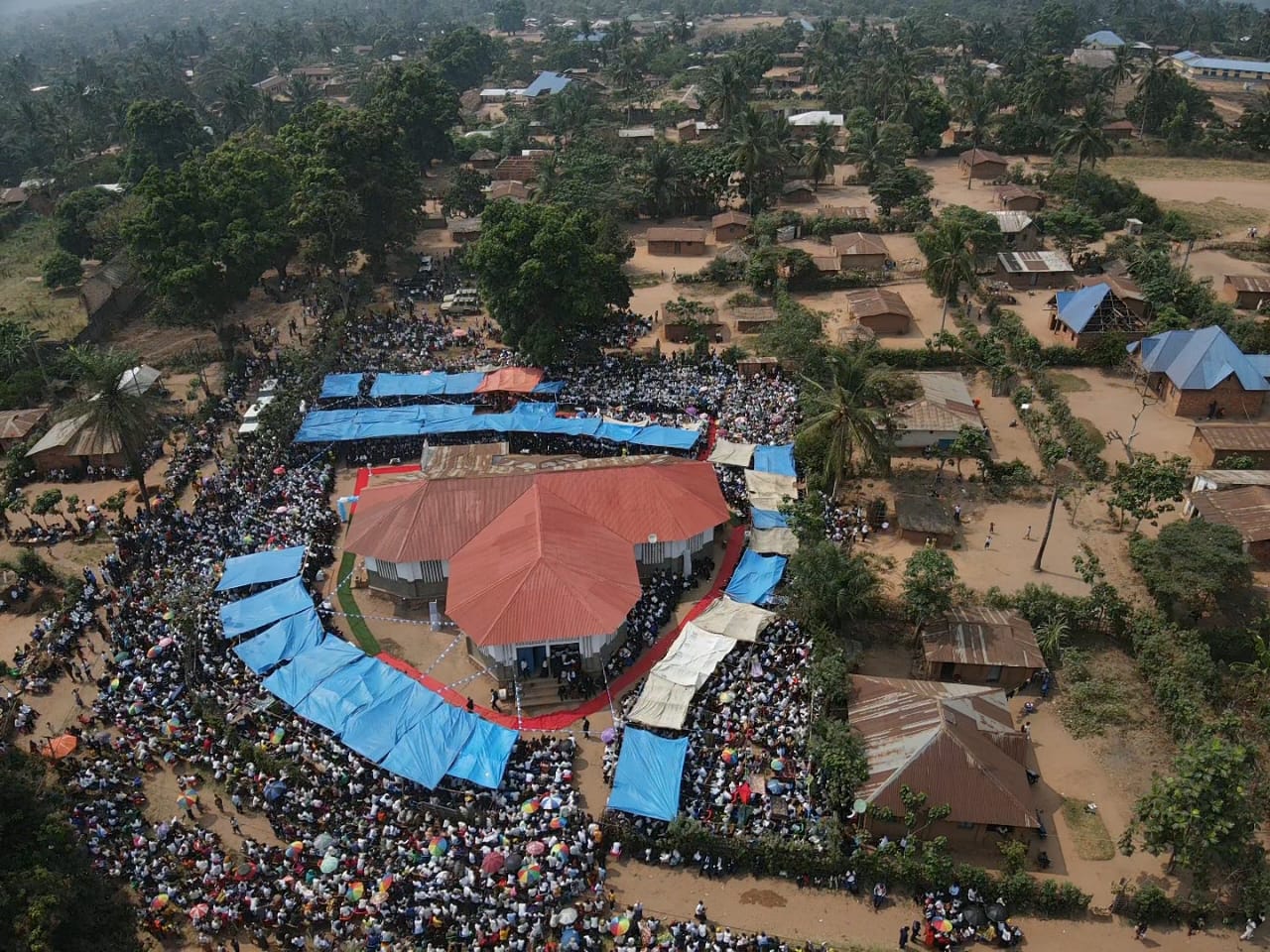
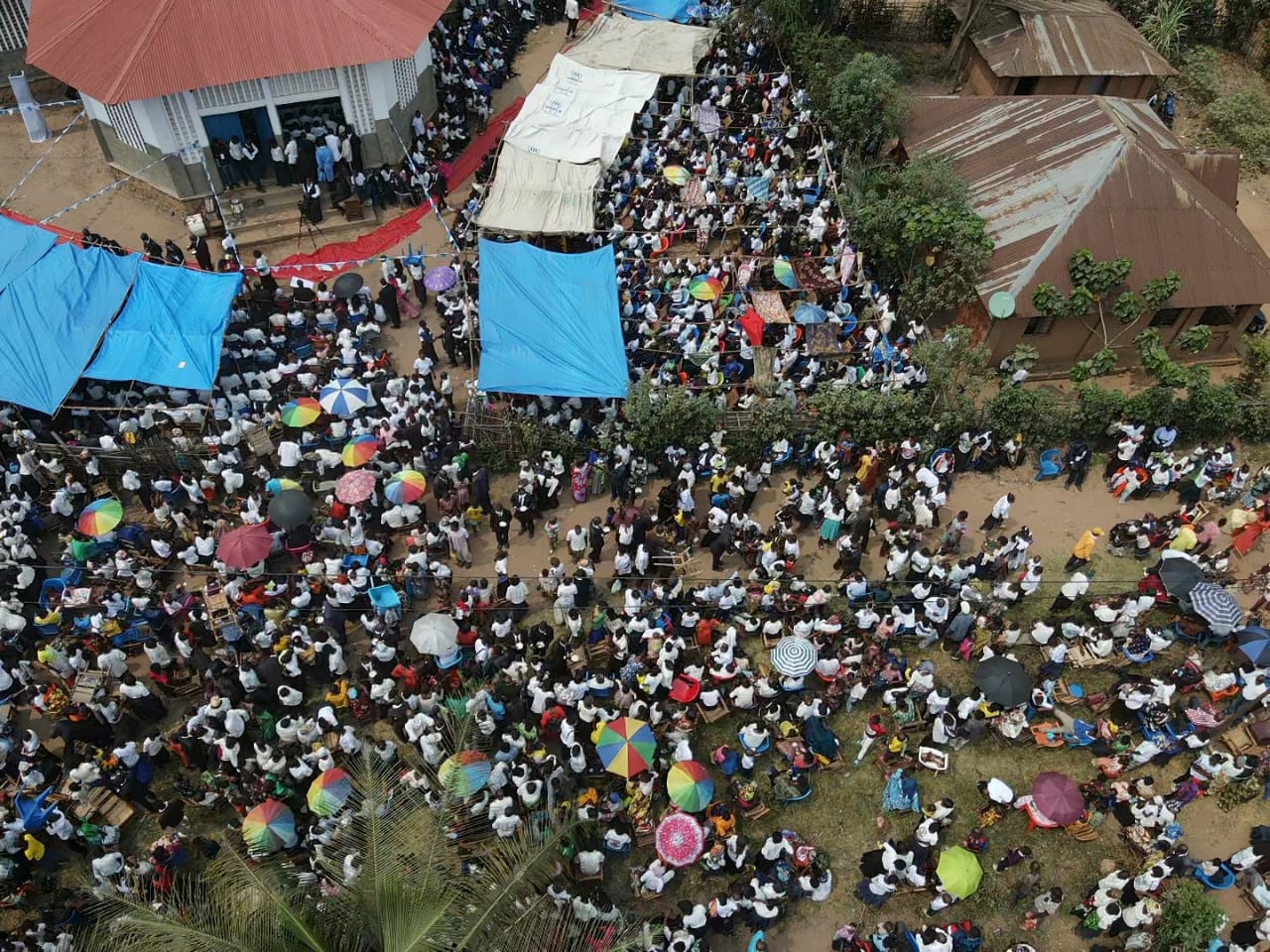
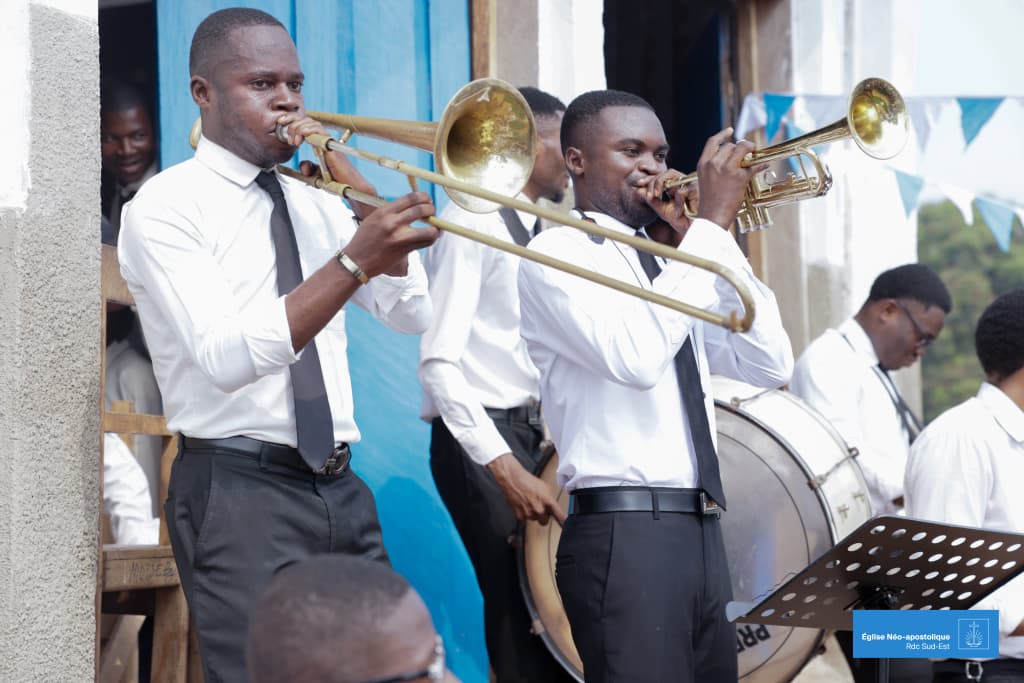
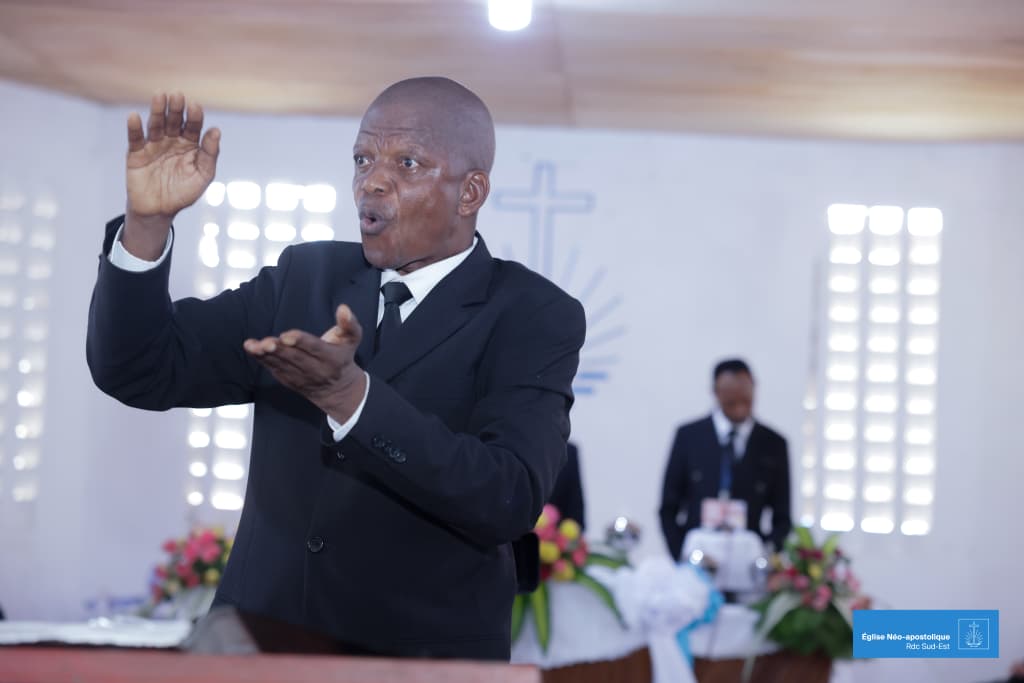
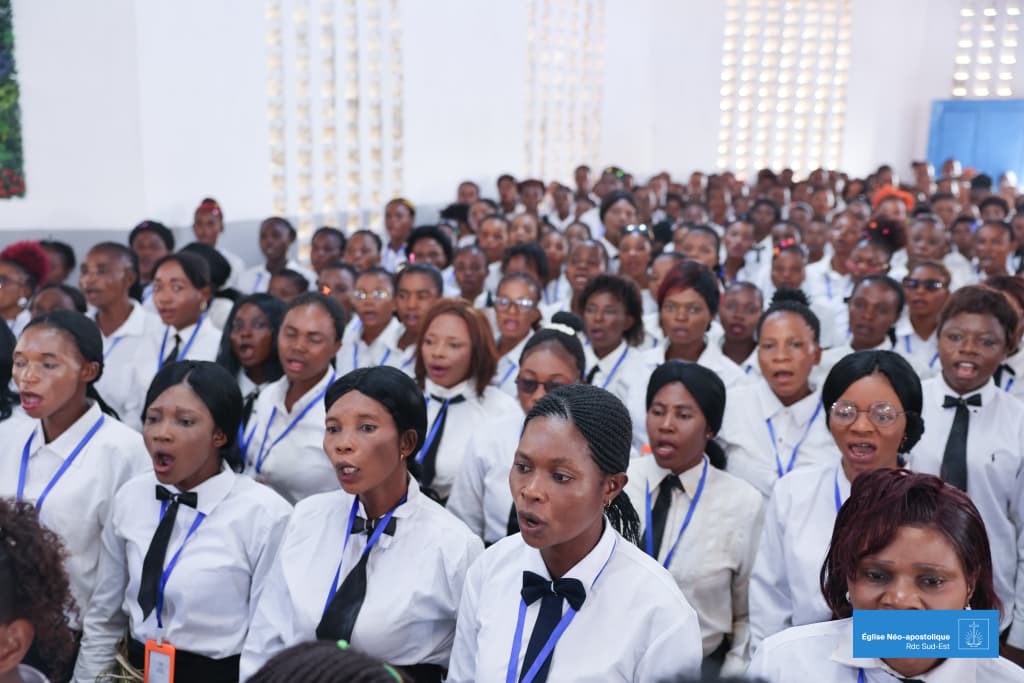
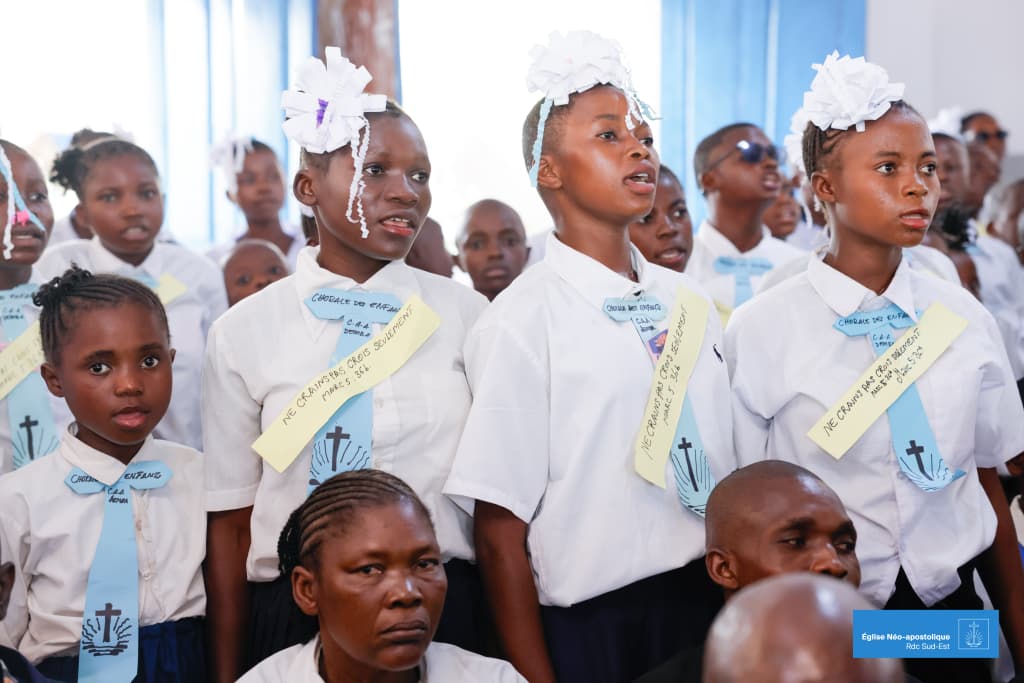
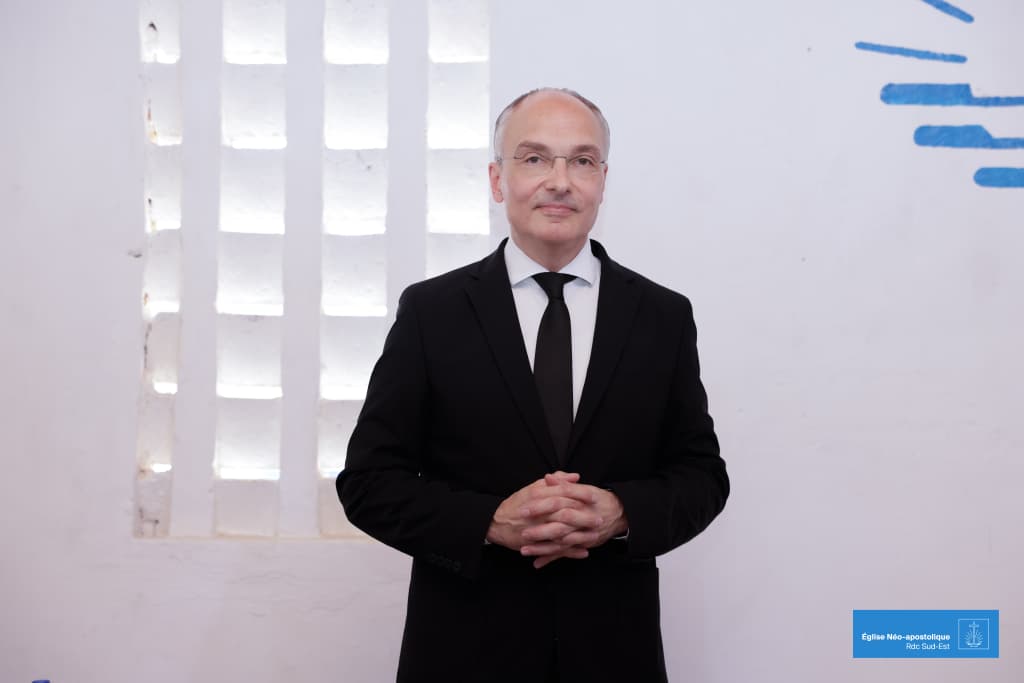
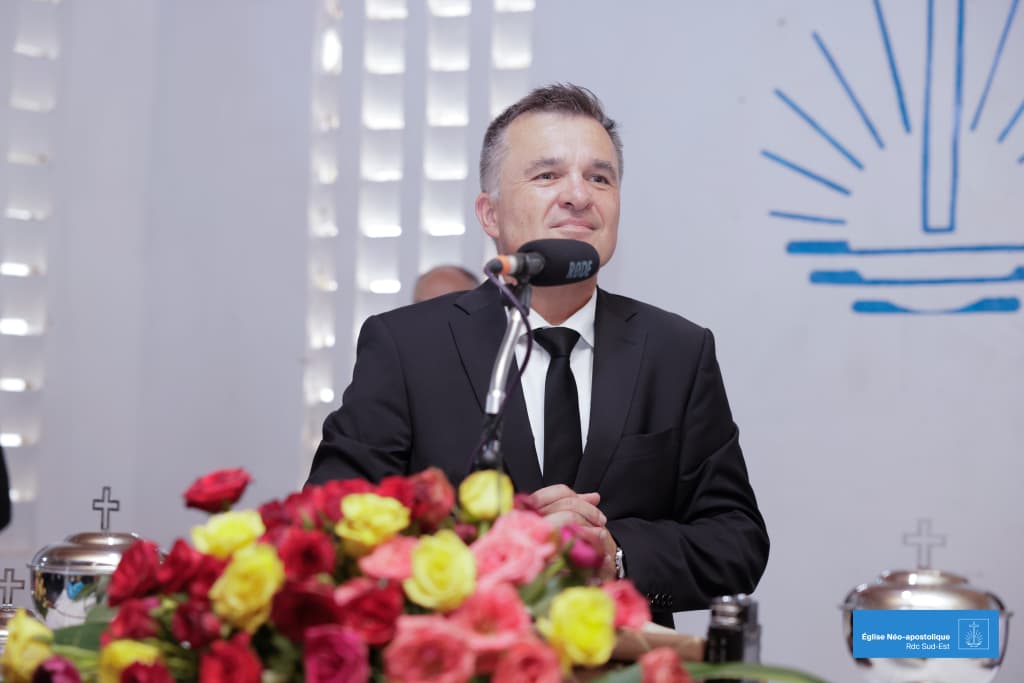
Chief Apostle Helge Mutschler conducted a divine service on Friday, 3 July 2026, in Demba in the DR Congo. His sermon was based on Mark 6: 50b–51a: “But immediately He talked with them and said to them, ‘Be of good cheer! It is I; do not be afraid.’ Then He went up into the boat to them, and the wind ceased.”
The feeding of the five thousand is the story behind this Bible passage. Jesus and His disciples only had a few loaves of bread and two fish with which to feed the five thousand people—far too little for such a large crowd. But Jesus, the Chief Apostle explained, said a prayer of thanksgiving and blessed the food. And in the end, there was even some left over.
To the people of that time, Jesus had been “someone very special”, the Chief Apostle said, which is why they wanted to make Him their king. Jesus responded with the words: “My kingdom is not of this world; My kingdom is in heaven.” Then He left His disciples and went up a mountain to pray. From there, the Chief Apostle continued, He saw the disciples in a boat on the lake, at night and in the midst of a raging storm, struggling to row against it.
Rowing against the storm
“Sometimes, especially at night, we feel lost and lonely,” said the Chief Apostle. “Sometimes our worries and problems surface at night.” We may find ourselves remembering bad experiences, being startled awake by unfamiliar sounds, or feeling overwhelmed by forces that are beyond our control.
“This is how the disciples also experienced the night. And they found themselves in a violent storm.” Everyone faces storms in life: a sick child and no doctor to help, or a destroyed harvest. Another headwind we might face is hostility directed at our own faith.
“The disciples rowed and rowed with great effort, but it was in vain because the wind was too strong.” A sentiment perfectly described: namely realising that, despite all our efforts, hunger, sin and failure continue to manifest themselves. “We look into the world and think that something must change, but realise: with the little power I have, I cannot change anything.”
“In this stormy night, we might ask ourselves, ‘Where is God?’” Jesus Christ was praying up there on the mountain, but He had seen His disciples, the Chief Apostle said. “You are not forgotten.” Jesus sees each and every one of us and prays for us.
Hope in the darkest night
“Jesus Christ then came down from the mountain and walked on the water to join the disciples,” Chief Apostle Mutschler continued. This reveals that Jesus holds all power. The disciples were terrified, thinking that they were seeing a ghost. Jesus climbed into the boat with them, the wind ceased, and He said, “Be of good cheer! It is I; do not be afraid.”
“Be of good cheer.” God wants to give us courage. “It is I.” In Hebrew, God’s name is Yahweh, which means “I am who I am”. He is steadfast and unchanging. Furthermore, it means “I am with you”. He is therefore almighty and faithful, and never abandons anyone. “Do not be afraid!” Jesus overcame fear with His love. “And we will experience the peace of the Risen One.”
“It is precisely when we are in the greatest distress that Jesus Christ comes to us.” He steps into the boat—and that boat is the church; it is each and every one of us. For He has promised: “For where two or three are gathered together in My name, I am there in the midst of them.”
All this took place in the early hours of the morning, between three and six o’clock. This is the darkest and coldest part of the night. But it is also the time when dawn is closest. It was at precisely then that Jesus stepped into the boat. “It is during the coldest night in the world that Jesus Christ, our bridegroom, will come.”
-

Photos: ENA RDC Sud-Est
-
-
-

-

-

-
-

-

-

-
-
-
-
-
-