



You don’t necessarily need to organise a large-scale campaign to help. Every little bit helps to bring a little relief when disaster strikes. New Apostolic Christians in Venezuela are currently experiencing this firsthand.
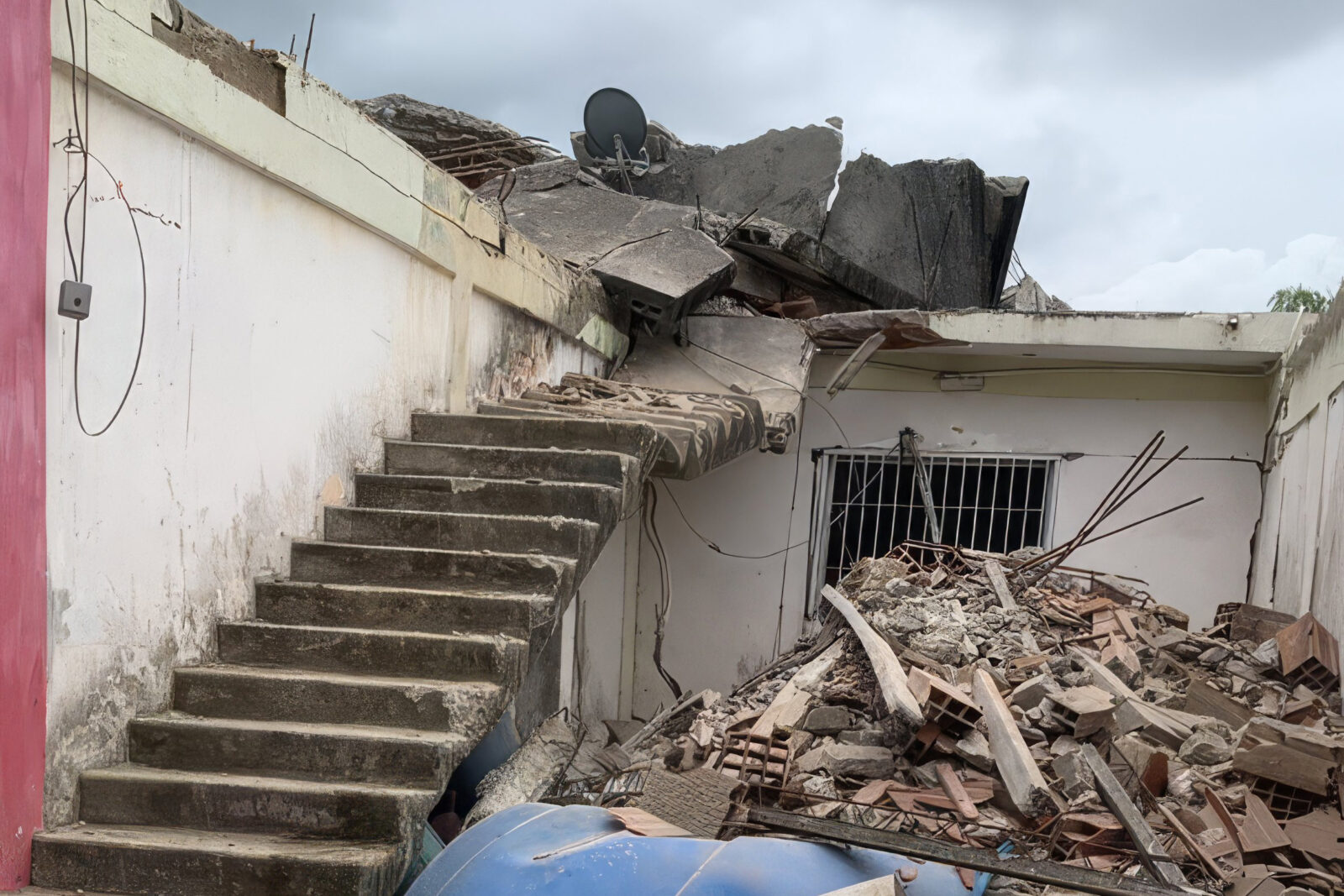
Two earthquakes struck within seconds of each other, leaving behind a disaster whose consequences will be felt for a long time to come. On 24 June 2026, earthquakes measuring 7.2 and 7.5 on the Richter scale struck northern Venezuela. The capital, Caracas, and the state of La Guaira were particularly hard hit.
More than 6,400 people were killed. Homes, schools, and hospitals were destroyed or damaged, and in many places the supply of water and other essential goods has been cut off. According to United Nations estimates, around 1.8 million people are in need of humanitarian aid, including some 680,000 children.
Working together to tackle hardship
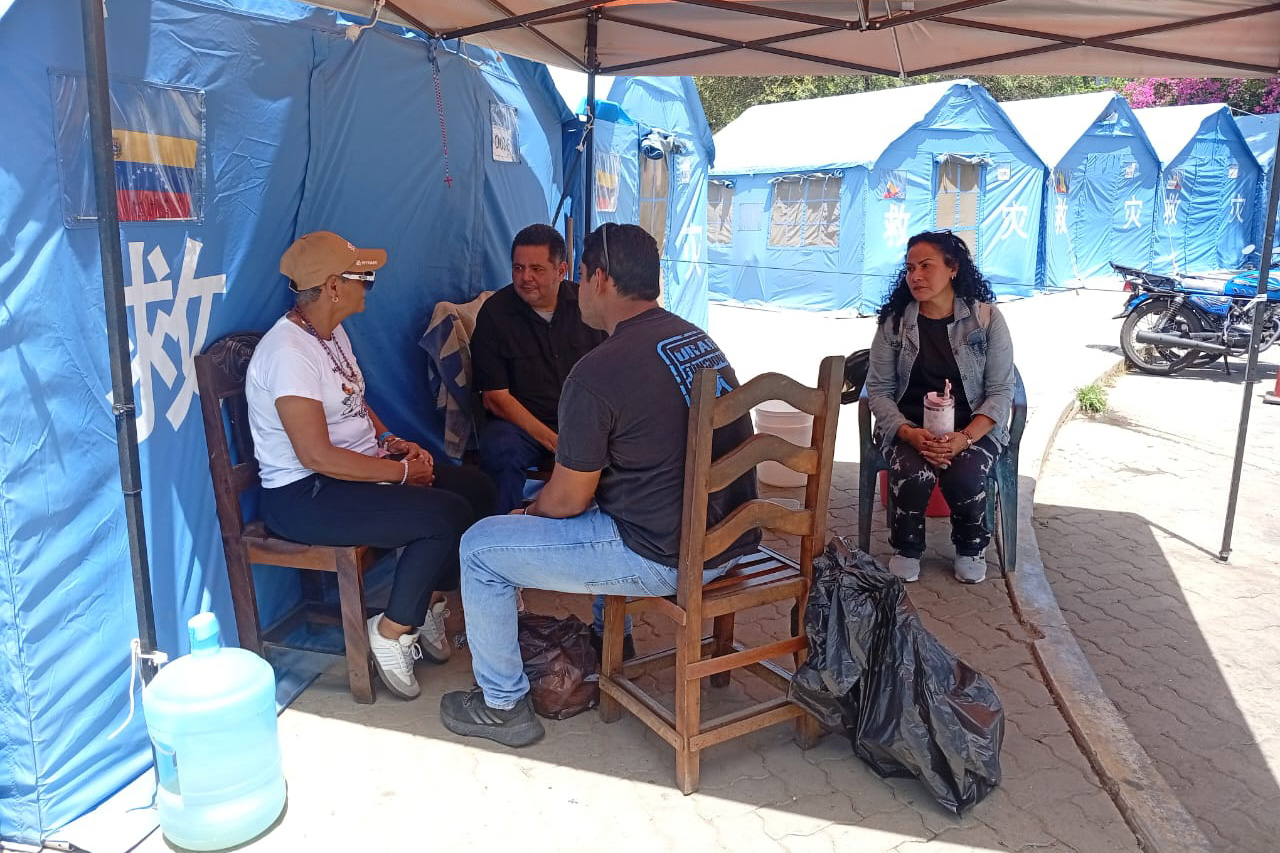
The disaster has struck a country that was already struggling with a severe supply crisis. This makes on-the-ground support all the more crucial. International organisations and local volunteers are providing people with food and drinking water, are setting up emergency accommodation, and organising healthcare.
Immediately after the earthquake, humaNAKtiv, the aid agency of the New Apostolic Church Southern Germany, made 30,000 euros available from its disaster relief fund. In collaboration with the local branch of the Lutheran World Federation, food parcels and emergency shelter kits consisting of blankets, torches, and hygiene items were organised and rushed to displaced families.
A nation pulls together
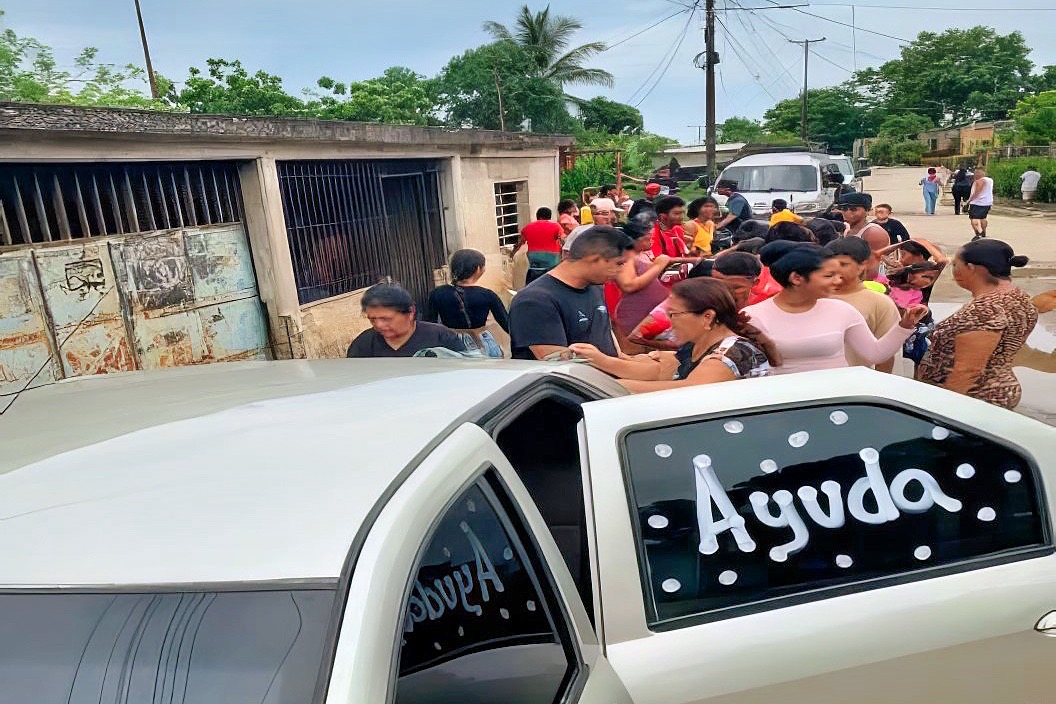
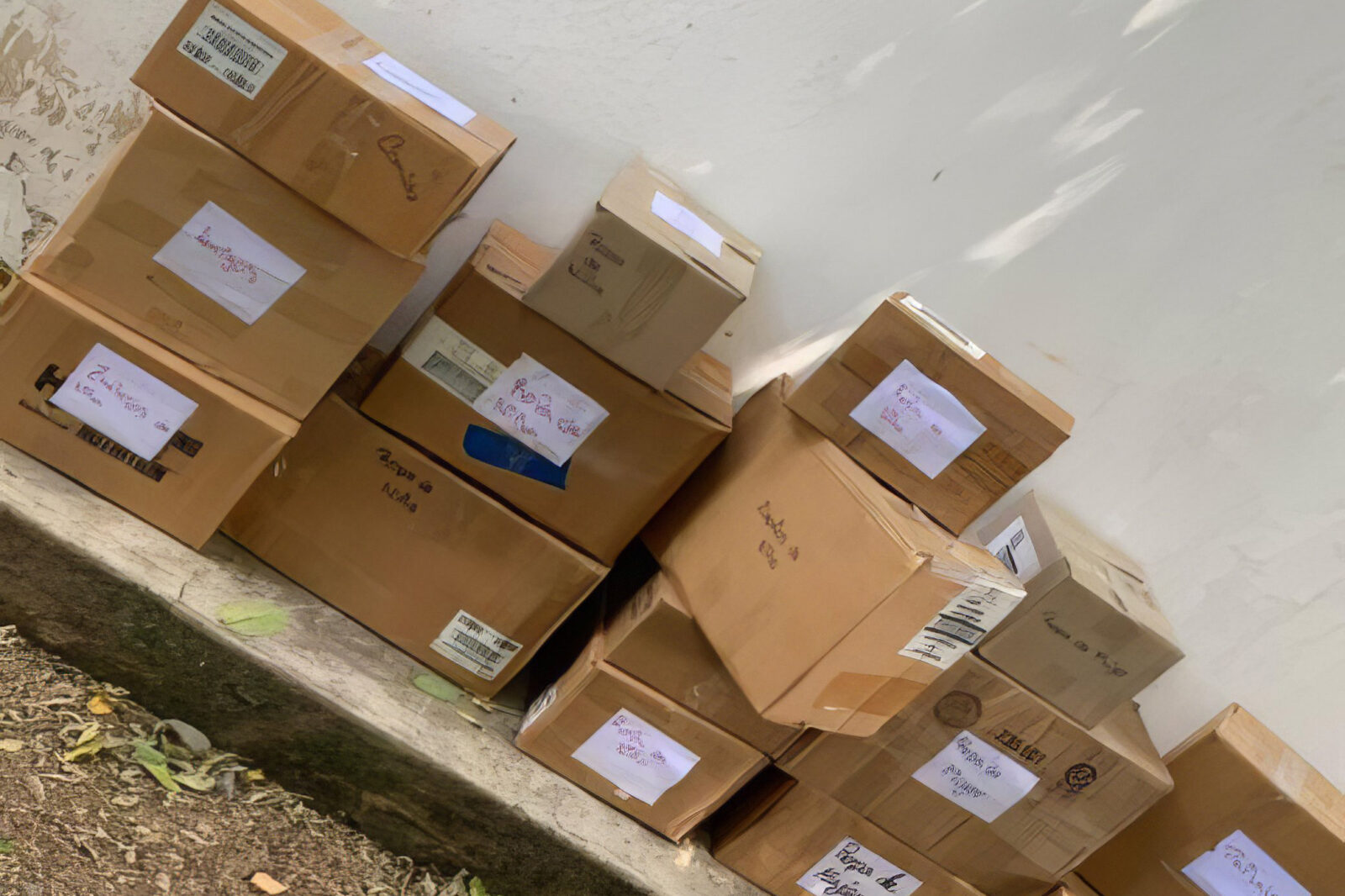
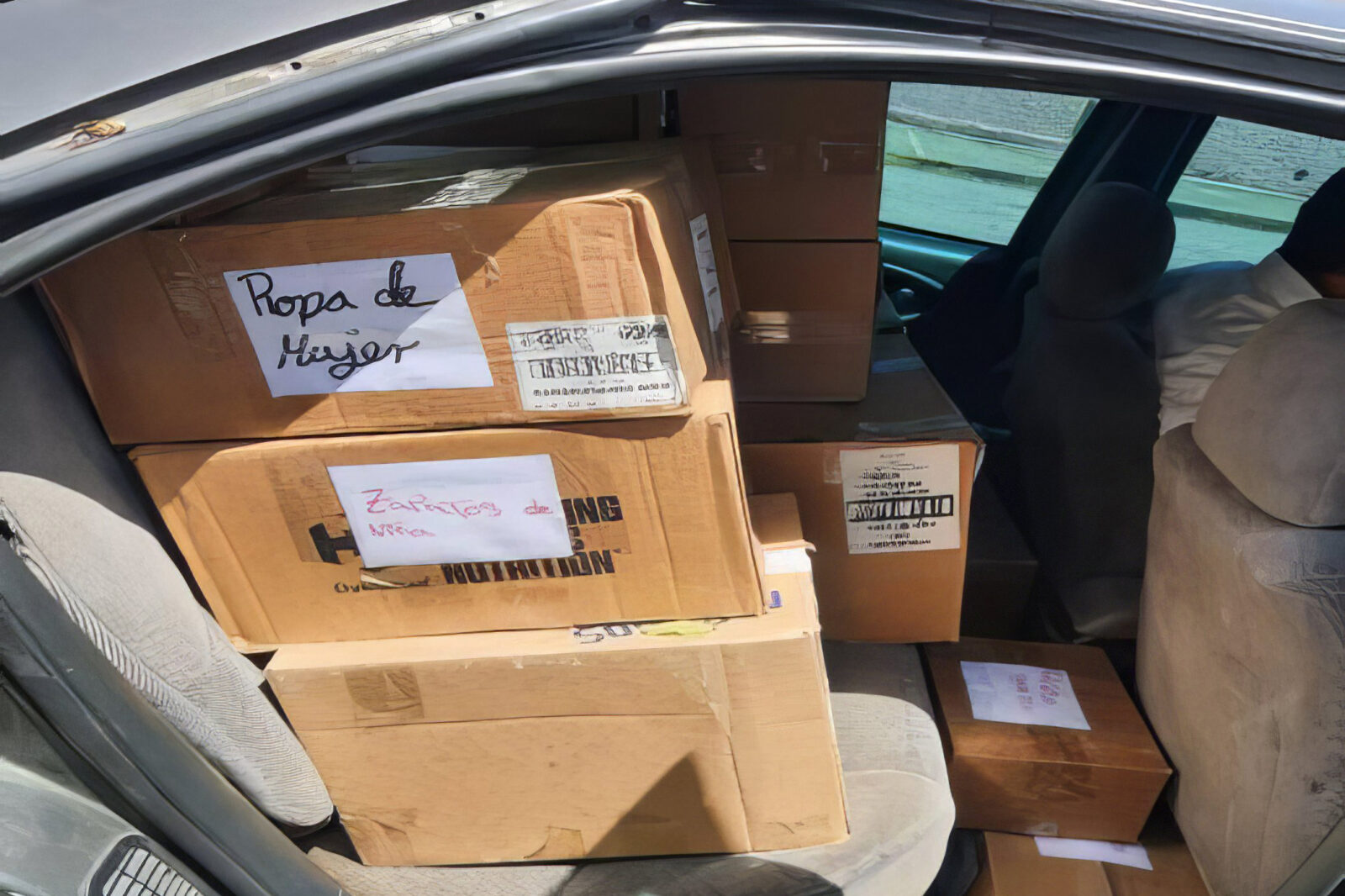
The tragedy “has sparked a strong spirit of togetherness and solidarity”, reports Yilmar Molin, Bishop of the New Apostolic Church in Venezuela. “Across the country, collection points have been set up to gather relief supplies, food, water, clothing, medicines, and other essential items for those who have lost everything.”
The members from local congregations are also getting involved—not only out of a desire to help one another, but also out of gratitude. “The majority of our members are doing well,” reports Bishop Molin. “This has motivated them to take action and help others.”
Every gesture counts
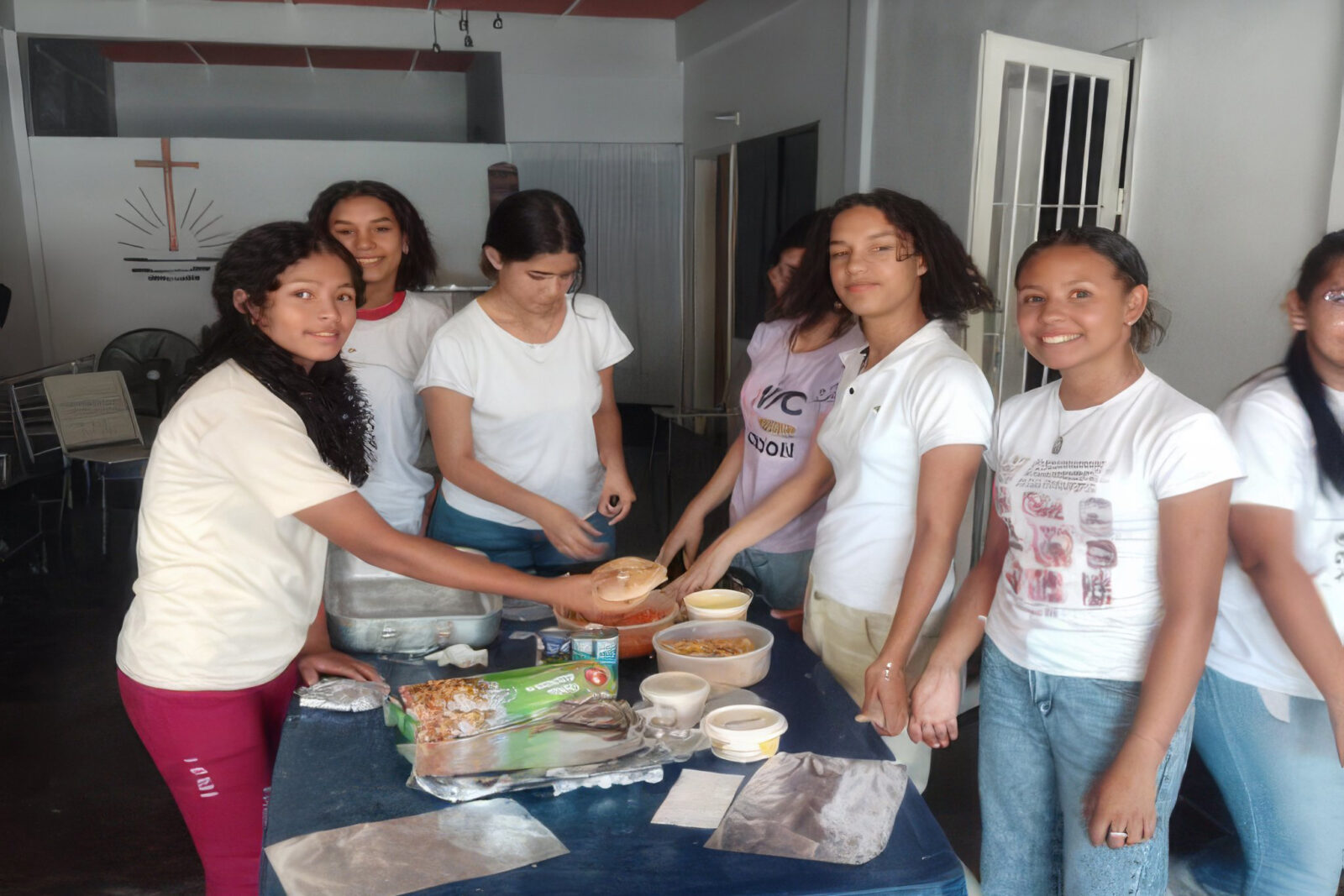
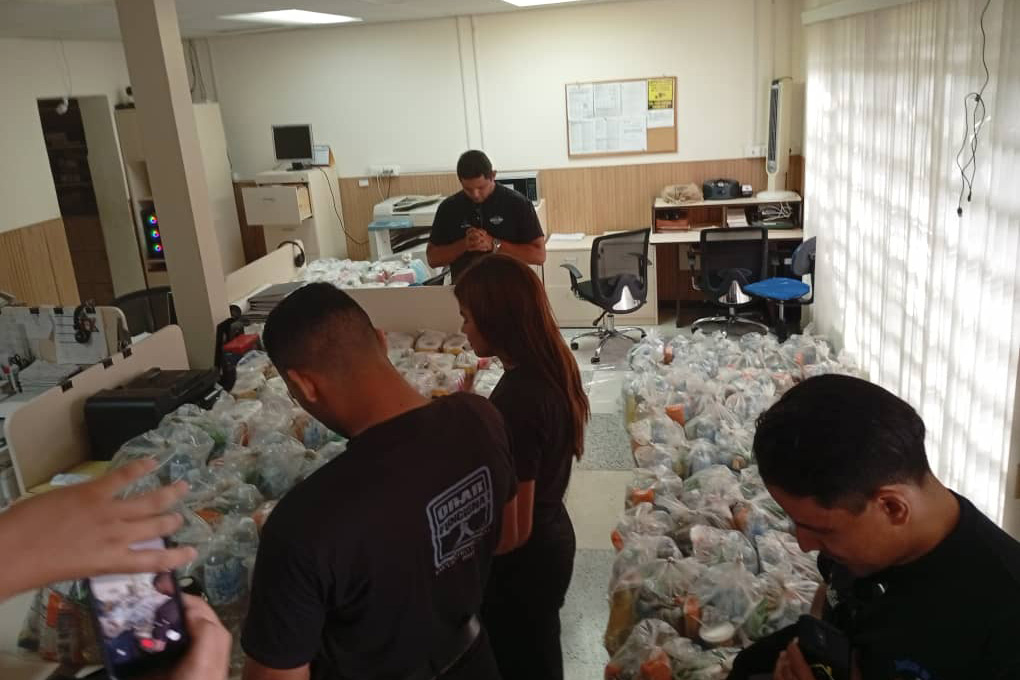
In Barquisimeto, for example, one of our ministers working for the state-run music foundation El Sistema coordinated the distribution of relief supplies by young people and other members of the Church. In Maracay, young people collected food and prepared it for distribution in the areas surrounding their congregations.
Aid also took very practical forms in La Victoria and Caracas, a region particularly hard hit: Church members there prepared meals for families who had lost their homes. In Coro, young people and other volunteers collected clothing, toiletries, and non-perishable food, and took them to the designated collection points.
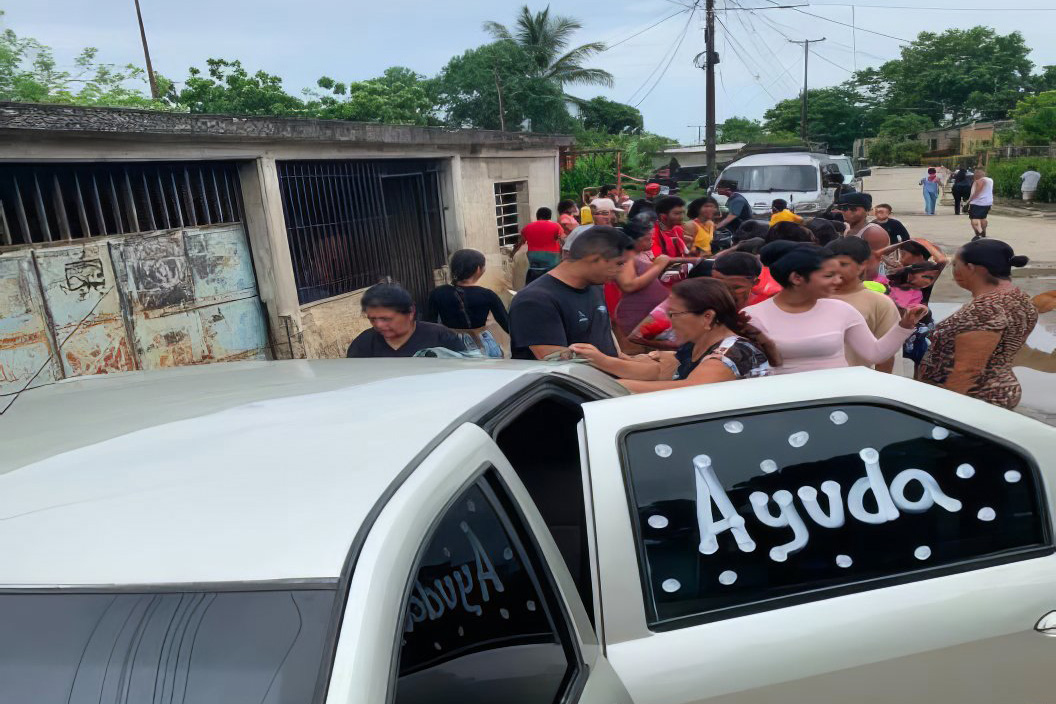
Elsewhere, volunteers went directly to the affected areas: from Valencia, the rector and other ministers travelled with young people to Morón, where homes had collapsed. They brought food, clothing, and drinking water. And in San Carlos, Deacons transported the collected donations to official collection points.
Hope amidst the rubble
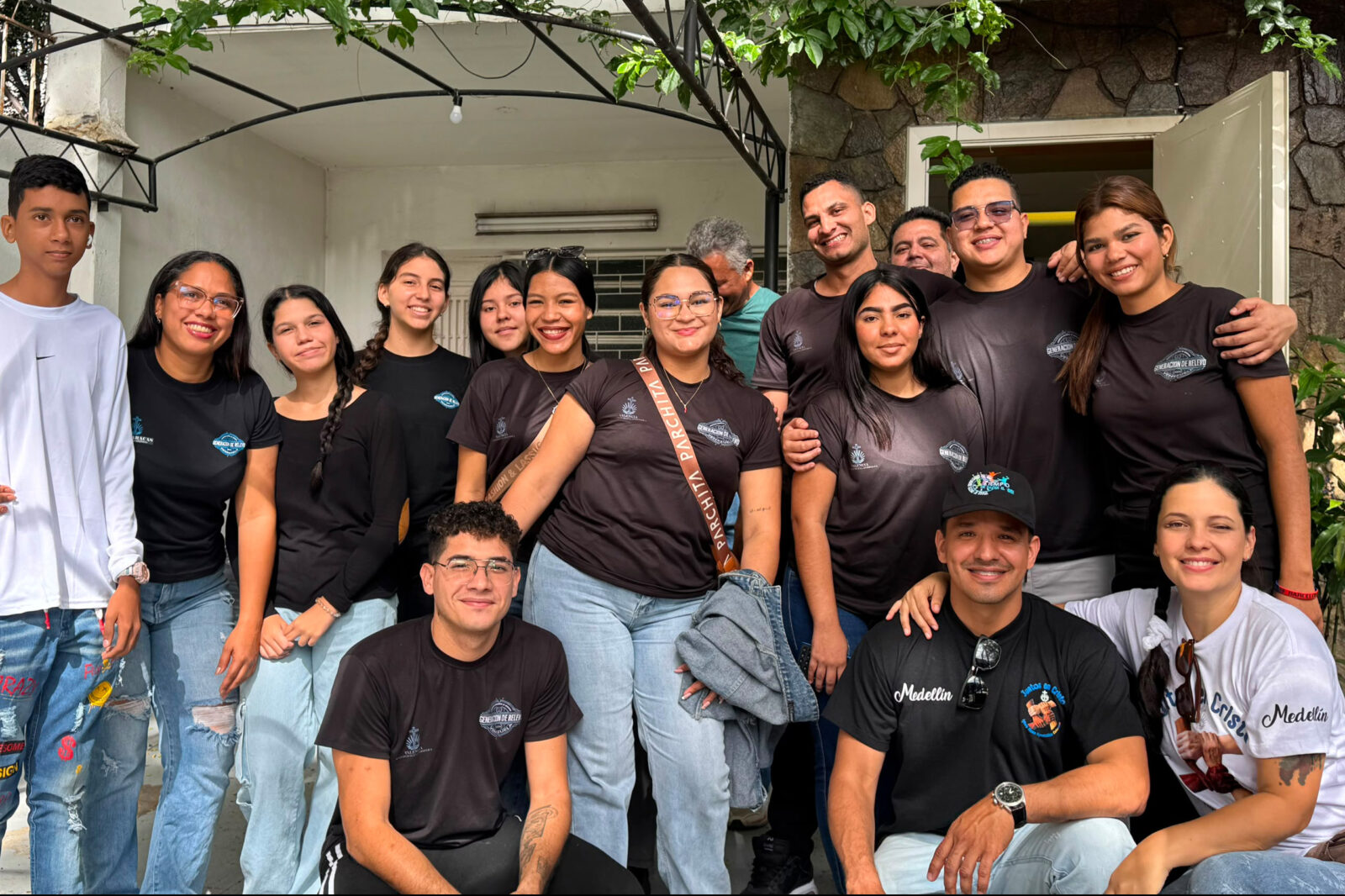
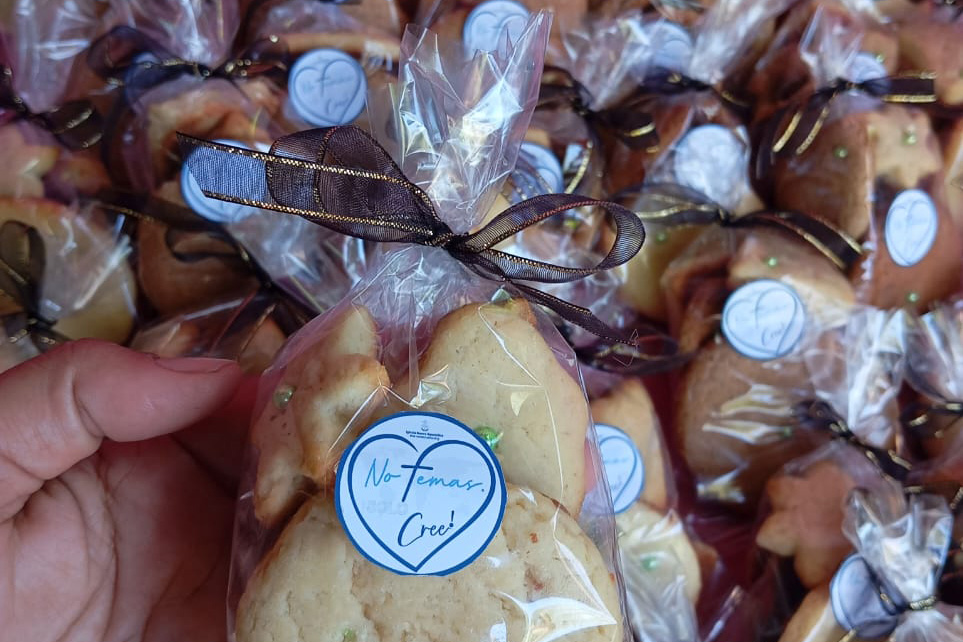
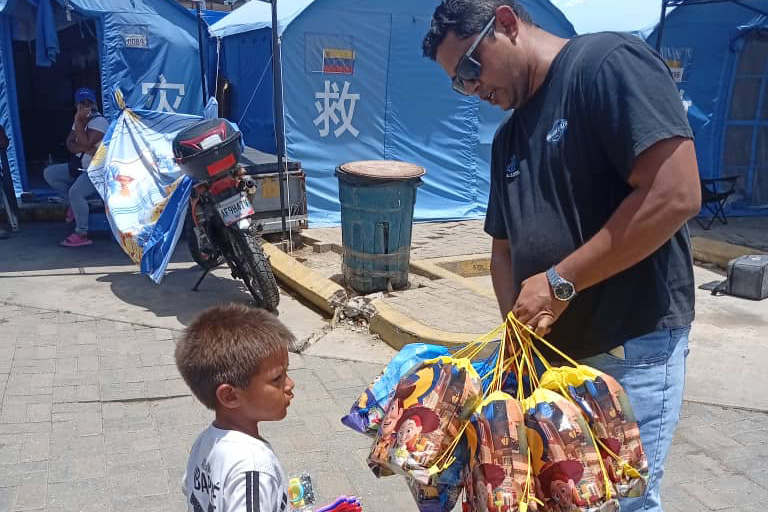
The volunteers brought not only relief supplies but also a little joy. Evangelist Luis Ramirez reports: in early August, a group of young people from New Apostolic congregations set out on the more than three-hour journey to La Guaira. They had collected food and toiletries. The aid parcels also carried a special sticker with our 2026 motto: “Don’t be afraid. Just believe!”
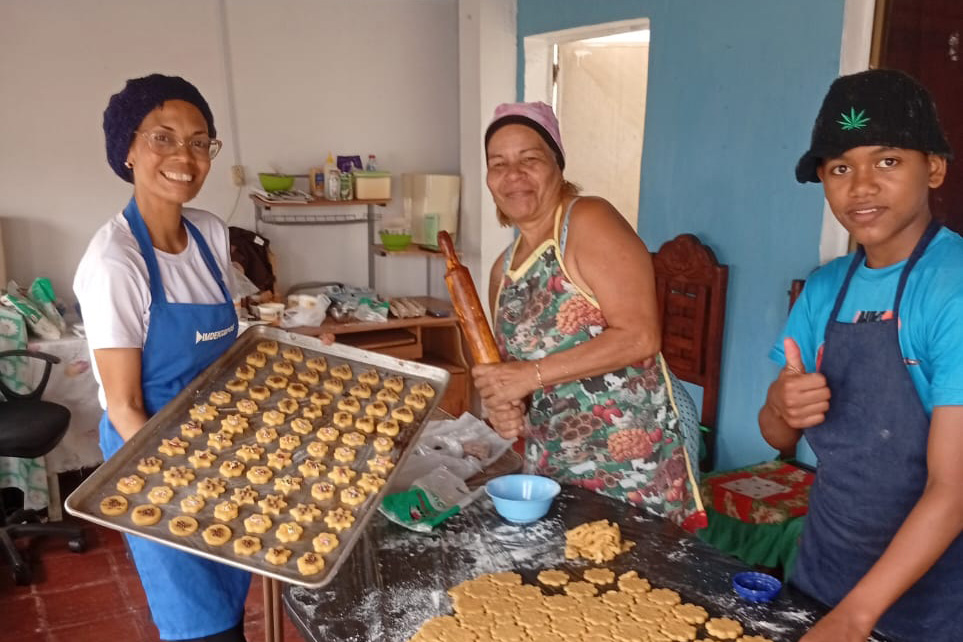
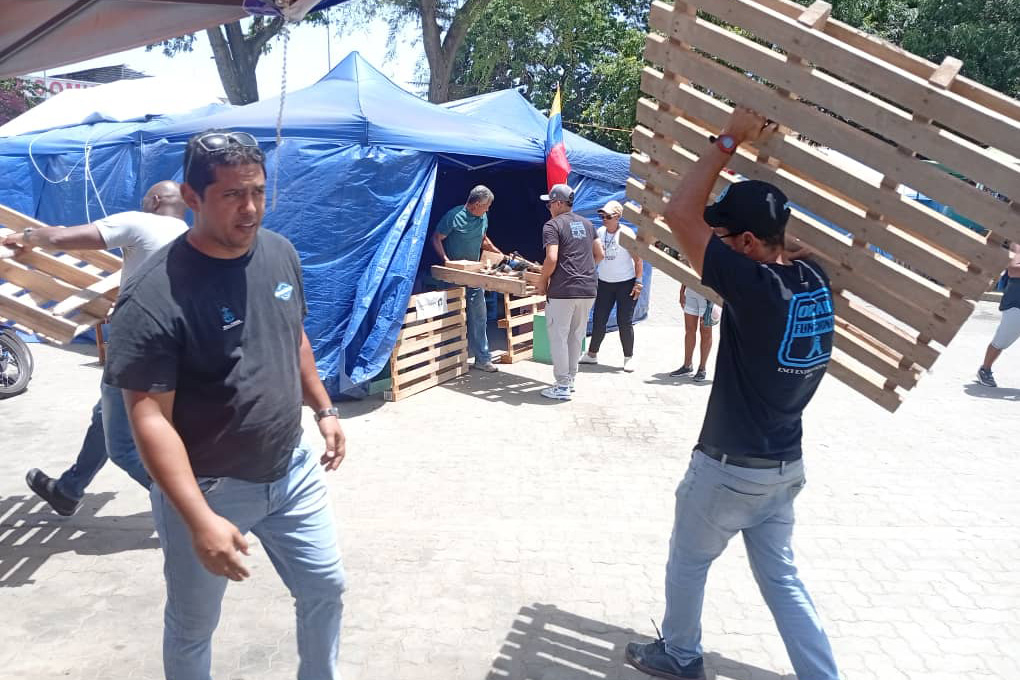
Once there, the images of the disaster became a stark reality: collapsed houses and shops, and people living in tents since the earthquake. But the visitors also encountered hope and confidence. While the ministers spoke with the adults, the young people played with the children and handed out small parcels containing toiletries, exercise books, and art supplies. The adults were given food—and another group of volunteers contributed milk coffee and homemade cookies.
The effort ended in the late afternoon with a prayer. The volunteers know that a campaign like this cannot alleviate hardship. But it is one of many forms of aid currently reaching people in the affected areas. And for the young people, it was an experience that will stay with them long after the day ended: it is one thing to see suffering on social media; it is quite another to meet the people behind those images.
-
Photos: INA Venezuela
-
-
-
-
-
-
-
-
-
-
-