




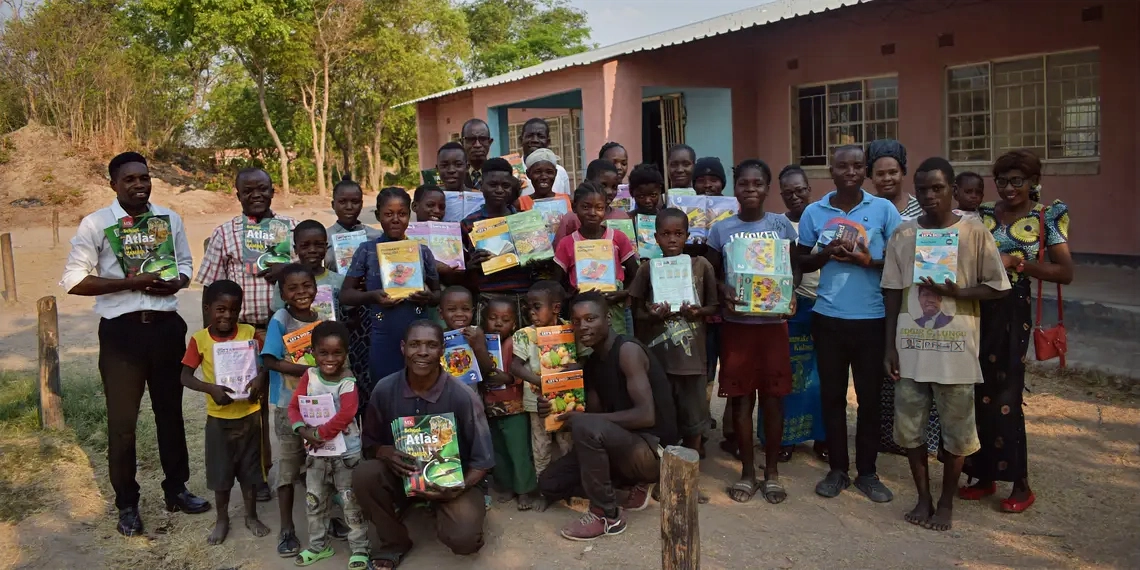
Some see education and religion as opposing forces. The initiatives presented here tell a different story. To mark International Literacy Day, we highlight educational projects supported by the Church and its partners around the world.
In 1966, UNESCO proclaimed 8 September as a day to highlight the importance of literacy. Since then, it has been celebrated every year at local, national, and regional levels to remind policy-makers, practitioners, and the public of the critical importance of literacy. Only education can create a more literate, just, peaceful, and sustainable society.
Despite progress, at least 739 million youth and adults worldwide still lacked basic literacy skills in 2024. At the same time, four in ten children are not reaching minimum proficiency in reading, and 272 million children and adolescents did not attend school in 2023.
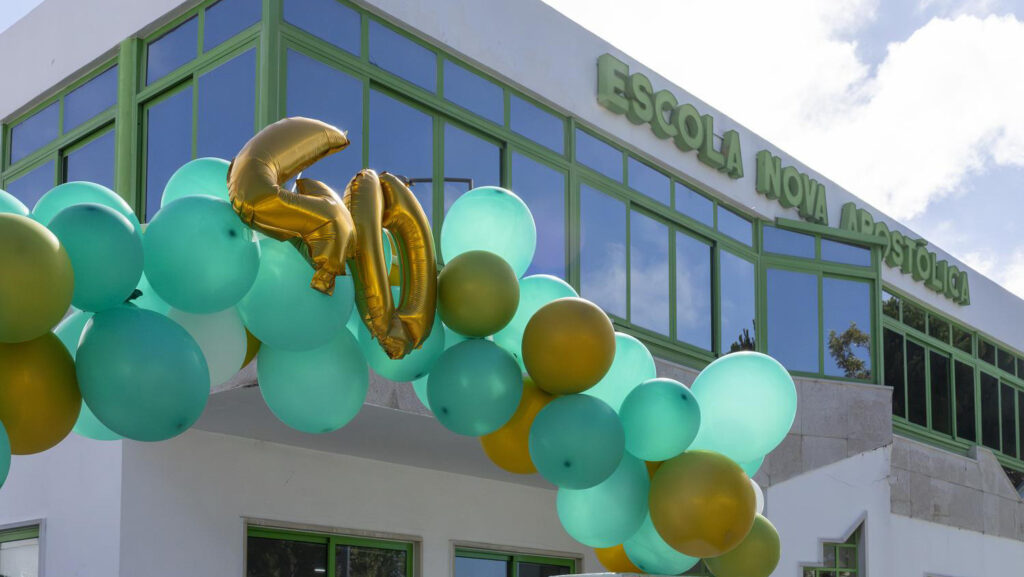
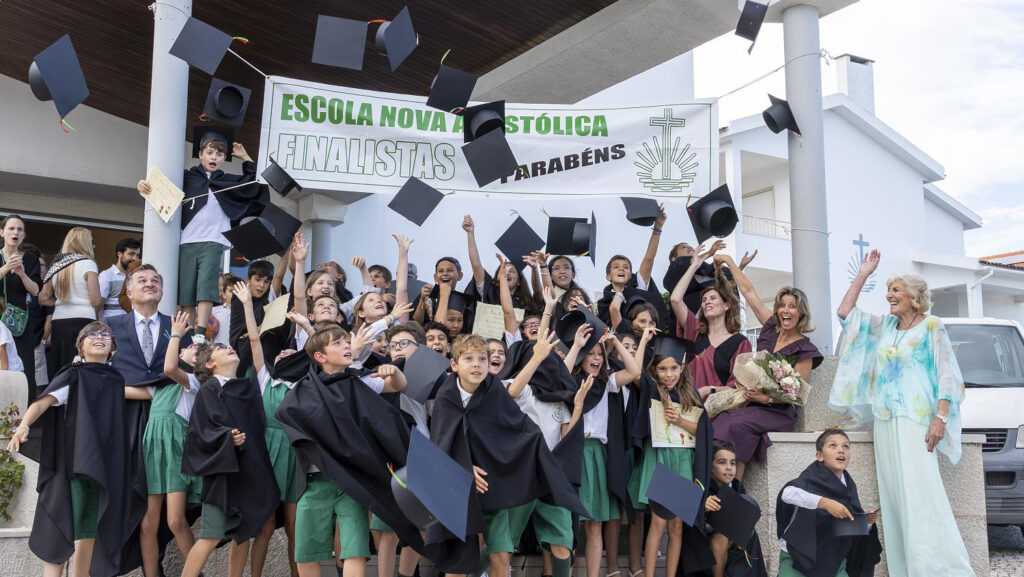
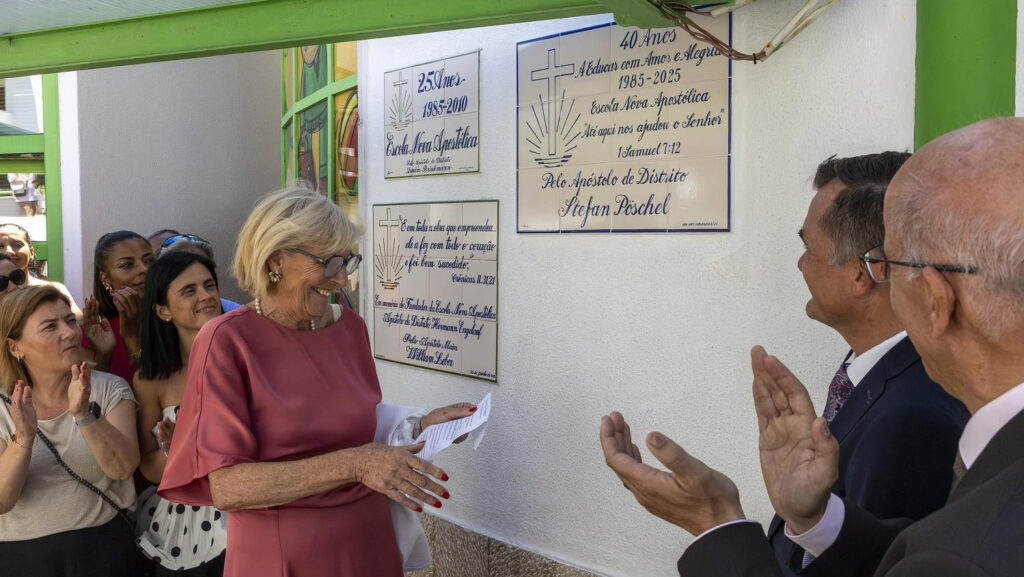
This year, the Escola Nova Apostólica in Carcavelos-Sassoeiros, near Lisbon, Portugal, celebrated its fortieth anniversary. When the school opened its doors in September 1985 it was the first New Apostolic school in the world. The Church continues to provide the school premises, while its operations are financed through parental contributions and public funding. The private school now offers a toddler group, three kindergarten groups, and a primary school covering grades one through four. It is open to children regardless of their religious denomination.
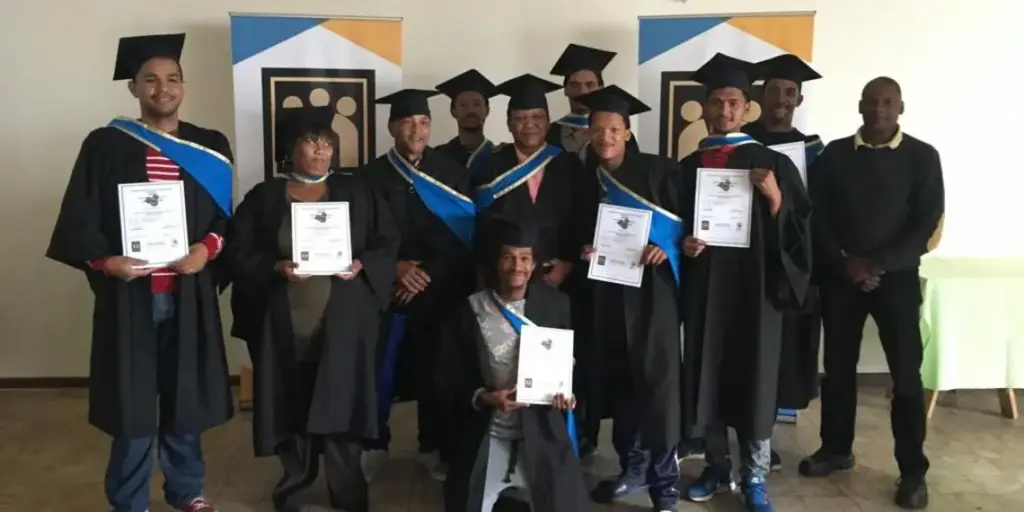
In Cape Town, South Africa, the NACSEARelief and NAK-HUMANITAS have built two new primary schools, which were officially handed over to the Department of Education in 2025/2026. Both Amontay Primary School in Binalbagan, Negros Occidental, and Datal-Uga Primary School in Kiamba, Sarangai Province, received a building with two classrooms, a faculty room, school furniture, three sanitary facilities, and hand-washing stations. In addition, the NACSEARelief scholarship programme enabled 41 graduates from the 2024–2025 school year to complete their degrees.
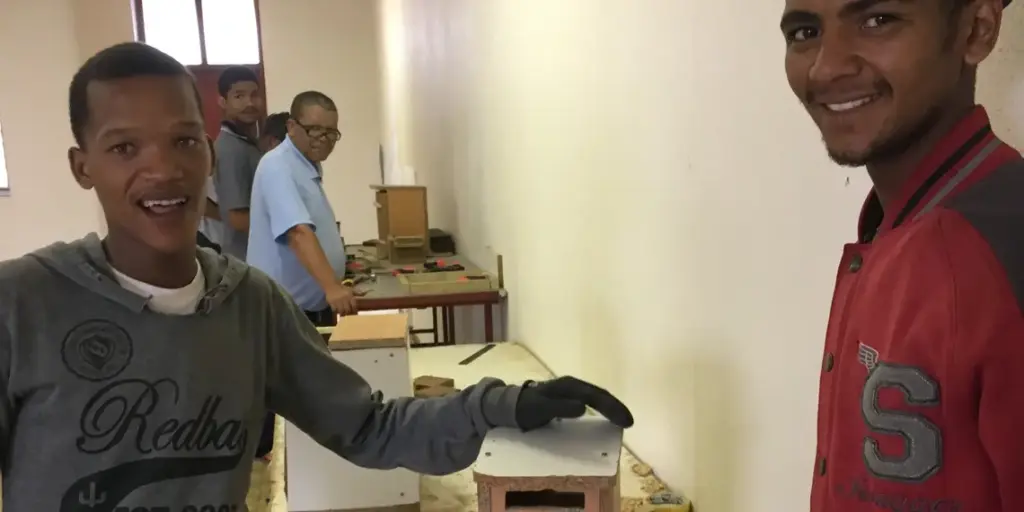
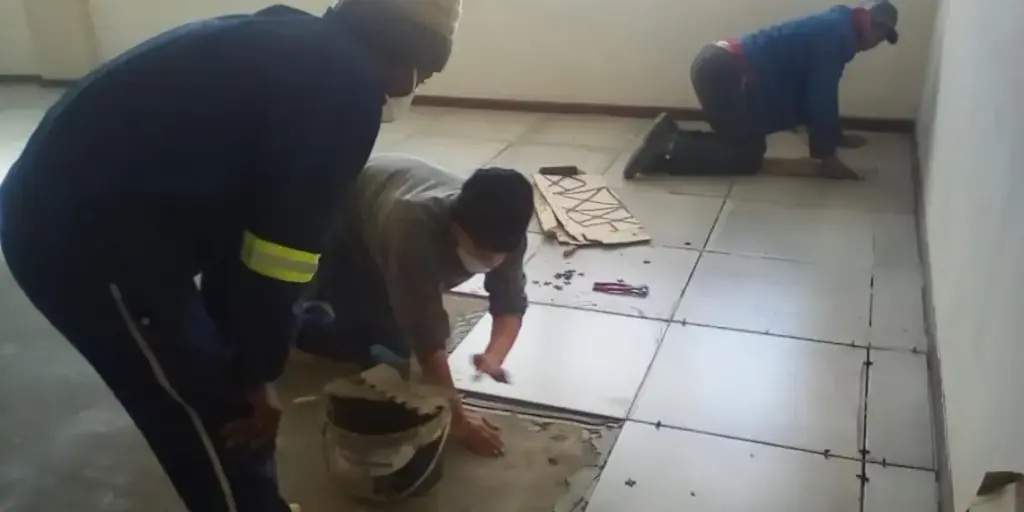
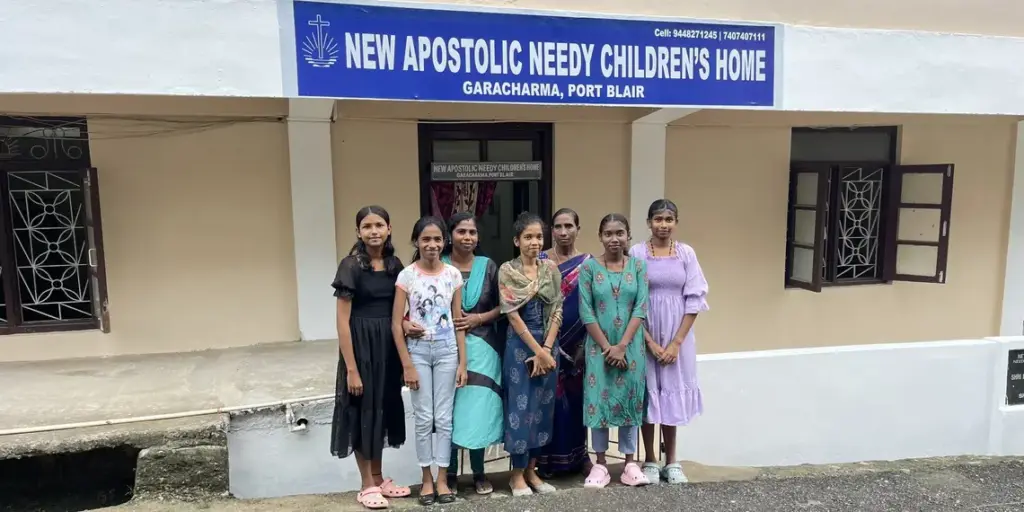
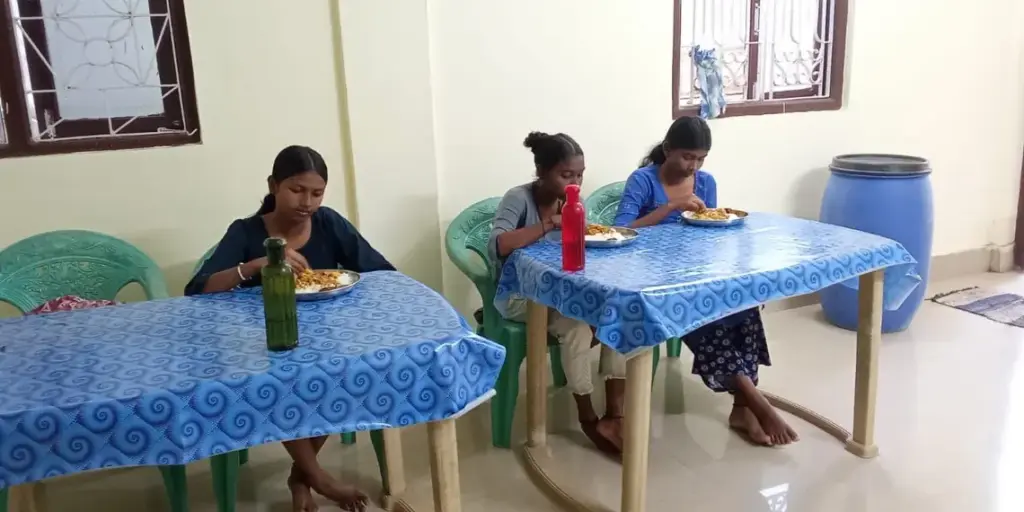
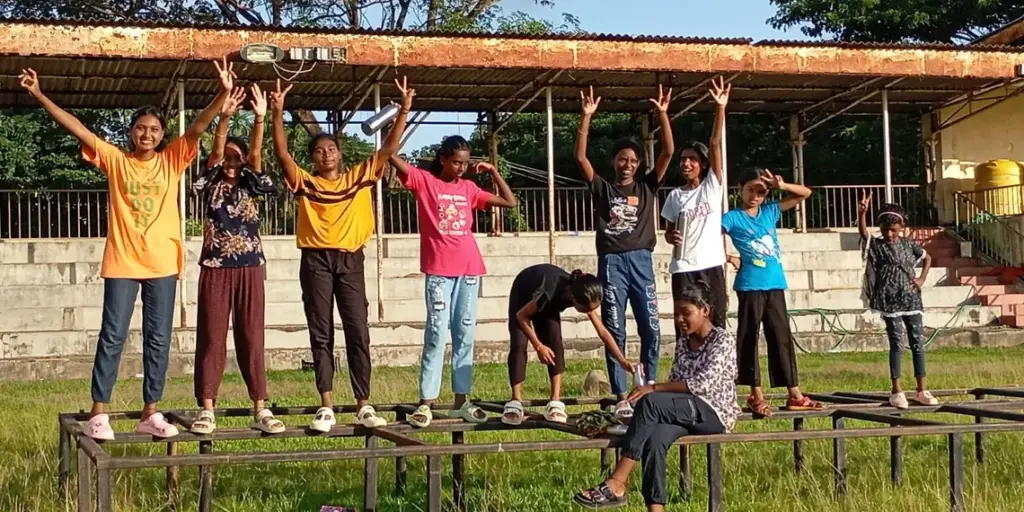
A children’s home in Garacharma, in the Andaman Islands, India, provides disadvantaged girls and young women aged 5 to 18 with a stable and safe space until they finish school, enabling them to move on to state-run schools in India from there. The New Apostolic Church India and NAK-karitativ have already carried out renovation work on the building, including modernising the electrical and plumbing systems, improving safety and weather protection, fitting out a play and study room complete with a library, and extending the kitchen. Additional support includes assistance with school fees and educational materials, as well as the establishment of a small vocational training centre.
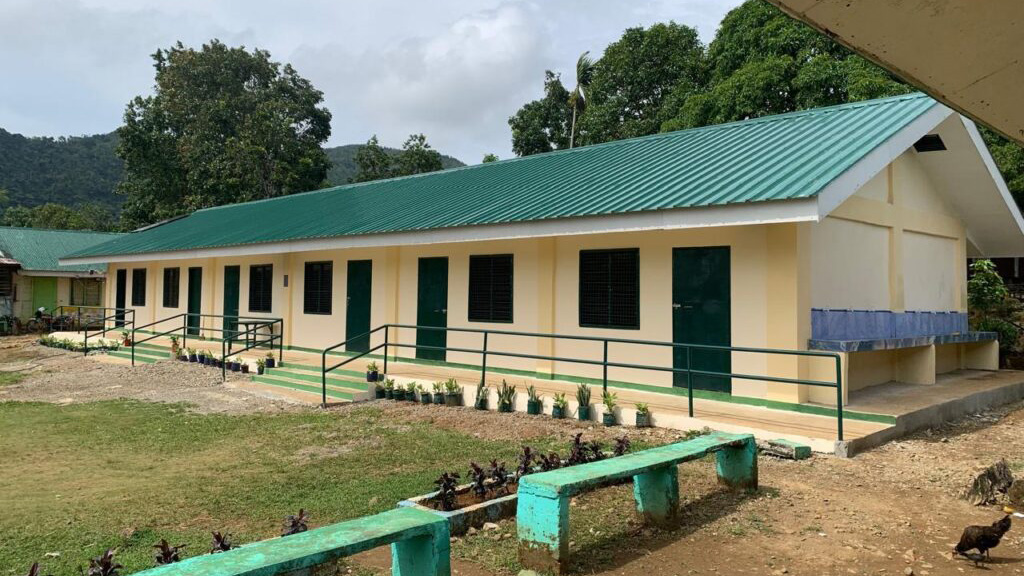
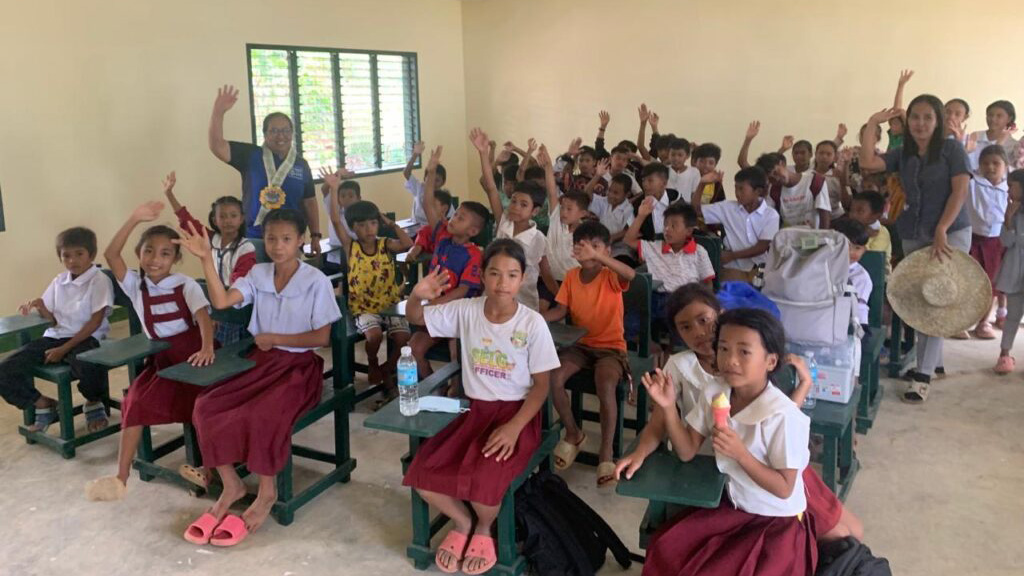
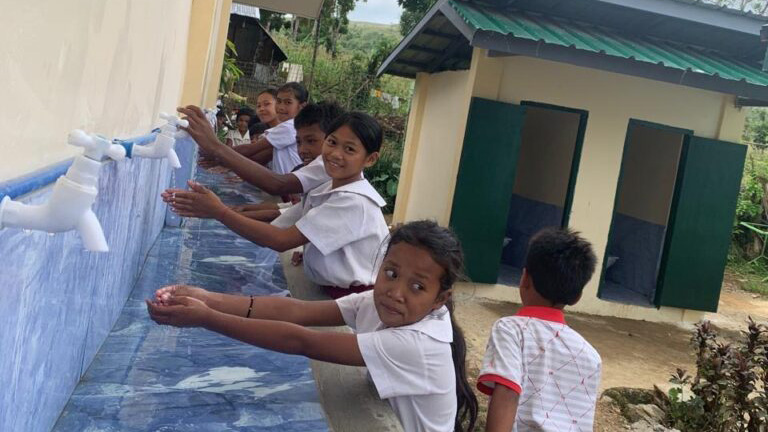
In the Philippines, NACSEARelief and NAK-HUMANITAS have built two new primary schools, which were officially handed over to the Department of Education in 2025/2026. Both Amontay Primary School in Binalbagan, Negros Occidental, and Datal-Uga Primary School in Kiamba, Sarangai Province, received a building with two classrooms, a faculty room, school furniture, three sanitary facilities, and hand-washing stations. In addition, the NACSEARelief scholarship programme enabled 41 graduates from the 2024–2025 school year to complete their degrees.
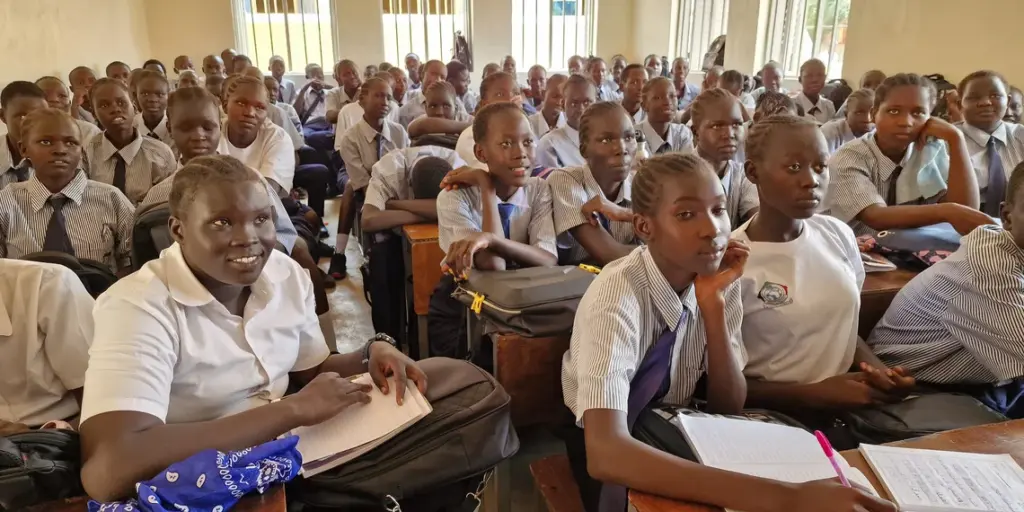
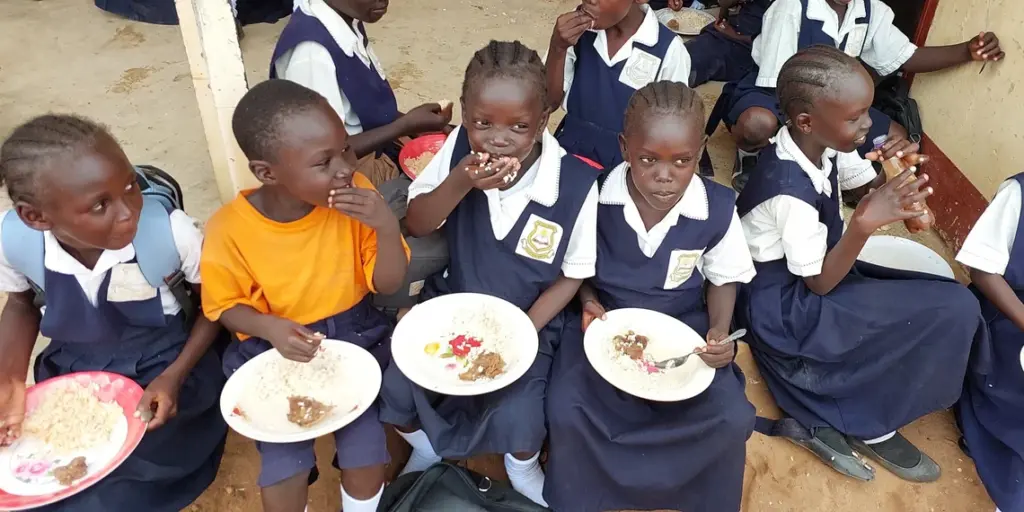
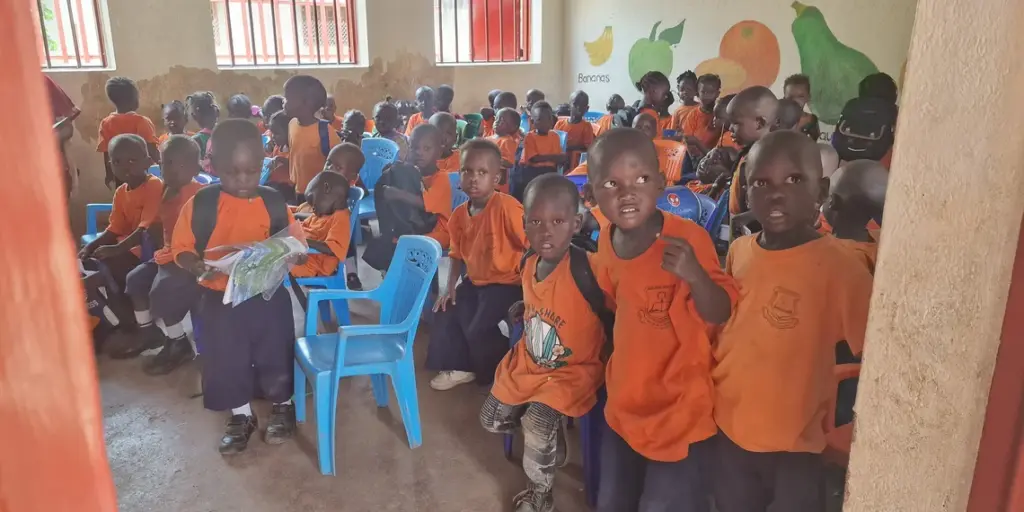
Between 2008 and 2012, the then Regional Churches of Lower Saxony and South Sudan established a kindergarten and a primary school in Juba, South Sudan. These facilities were gradually expanded to include a pre-school, a water treatment plant, a medical station with a pharmacy and, in 2018, a secondary school. Since 2016, NAK-karitativ has been funding school meals and is now also working to address the problem of unreliable public electricity—because without electricity, the school’s operations are severely disrupted. A rooftop solar panel system is intended to provide a stable and reliable supply of electricity.
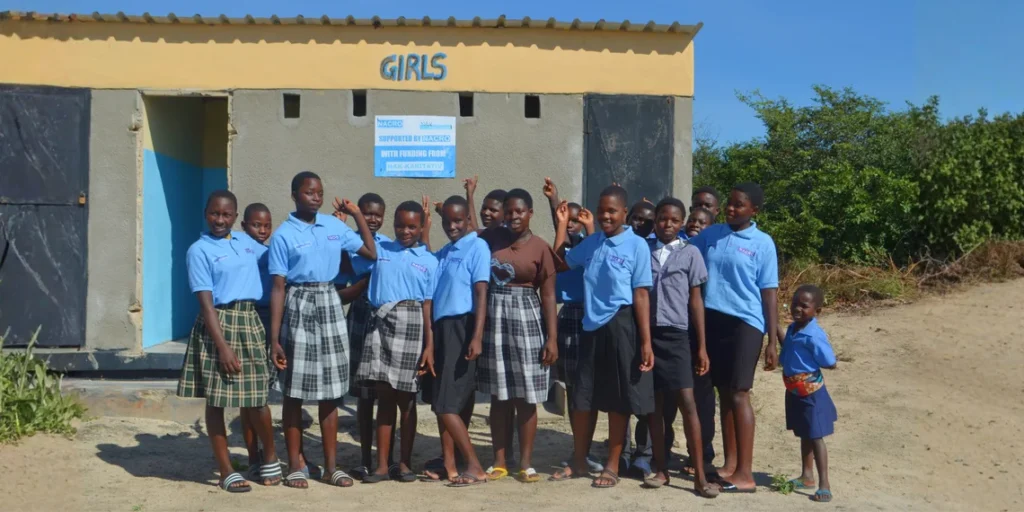
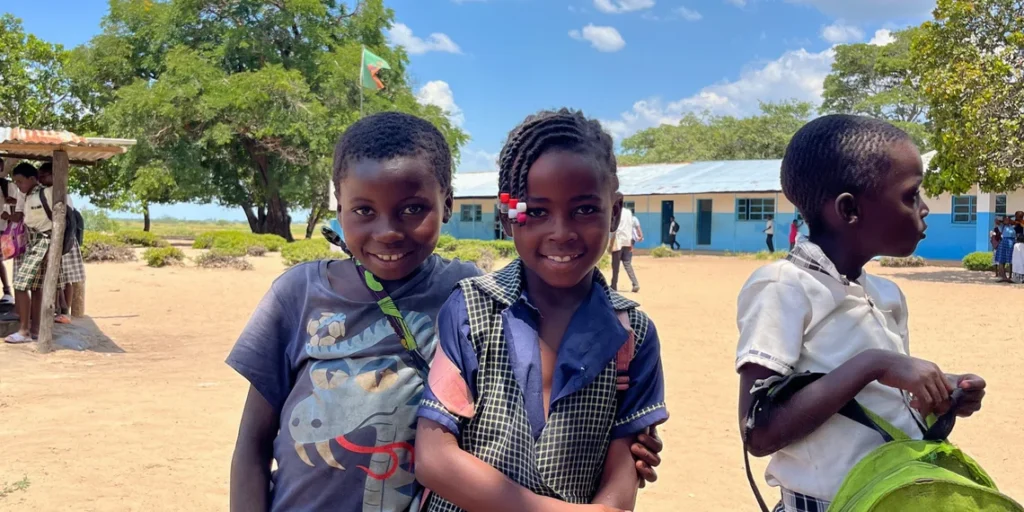
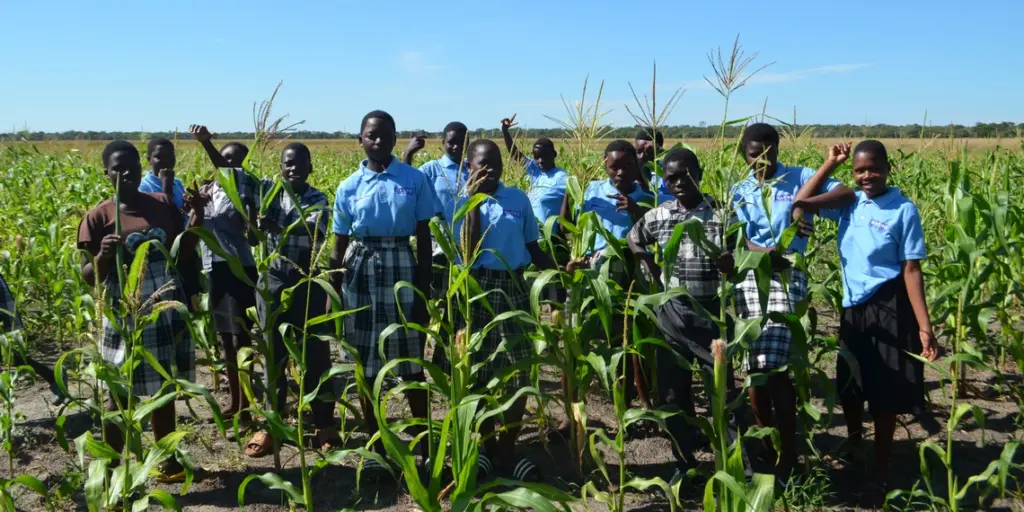
In Zambia, NAK-karitativ and NACRO are working to further improve educational infrastructure. At three rural schools—Makapaela, Ganda and Matenda—new classrooms, teacher accommodation, school gardens, and improved hygiene facilities create safer, more inclusive and sustainable learning environments. A particular focus is on hygiene, the installation of drinking-water systems, and improved sanitary facilities.
In Sebeta, Ethiopia, the Selam Hiwot School has been in operation since 2005. It was built by the Missionary Society of the New Apostolic Church Southern Germany (now humaNAKtiv). The school provides education from grades one to six and is attended by around 600 children. humaNAKtiv not only covers ongoing maintenance costs but also provides school materials. Thanks to the proceeds from the Charity Tour, the school was expanded in 2026 with the construction of two additional classrooms and a library.
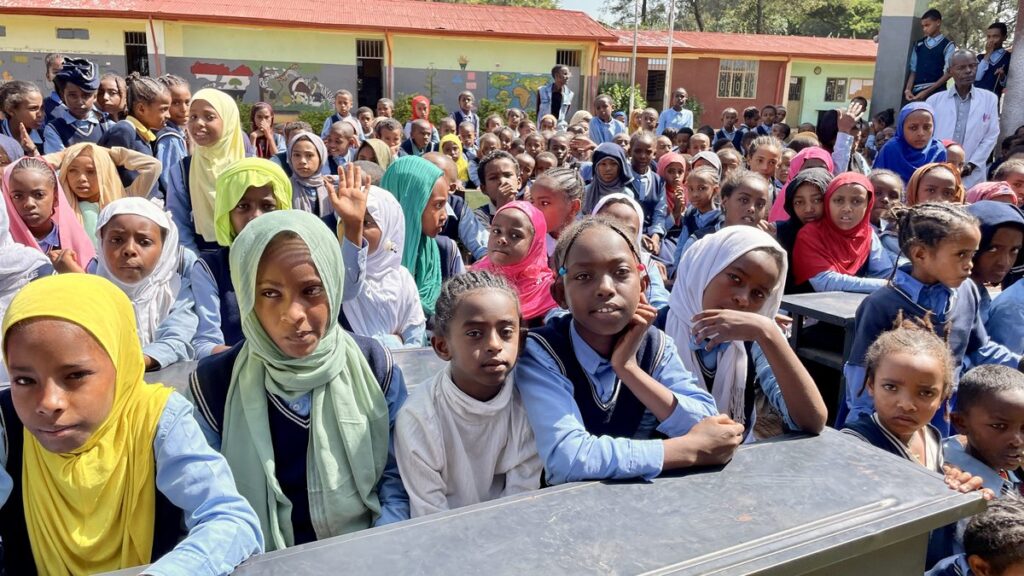
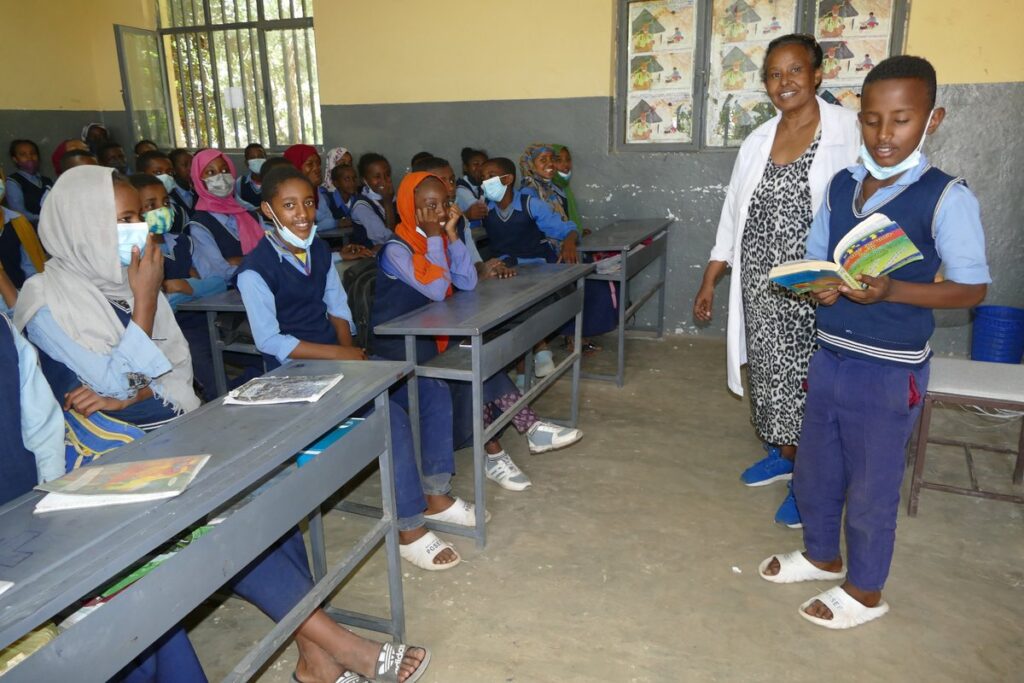
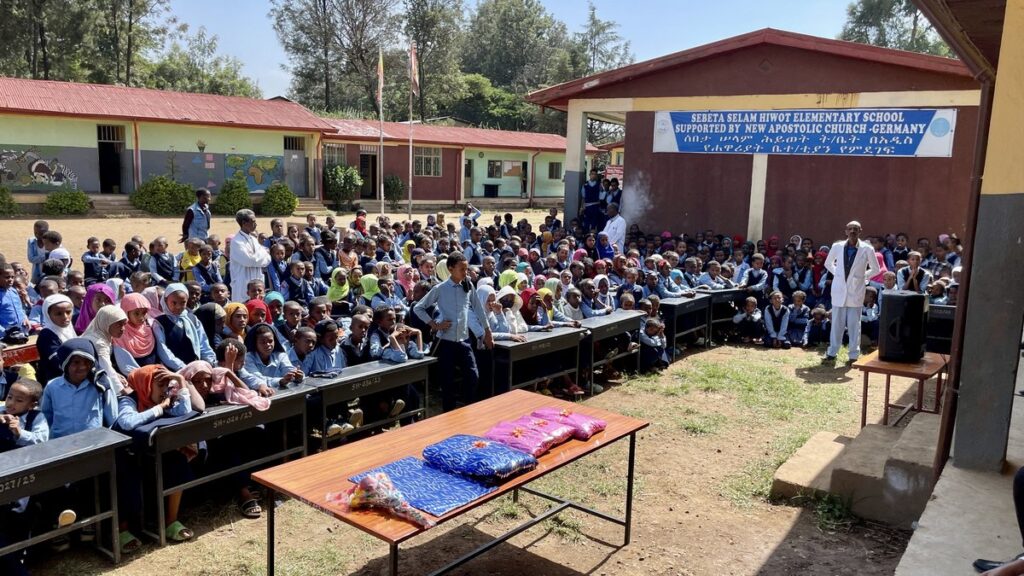
Photo: NAK Westdeutschland, NAK-karitativ, Masakhe Foundation, NACSEARelief, NAK-HUMANITAS, NACRO, humaNAKtiv