




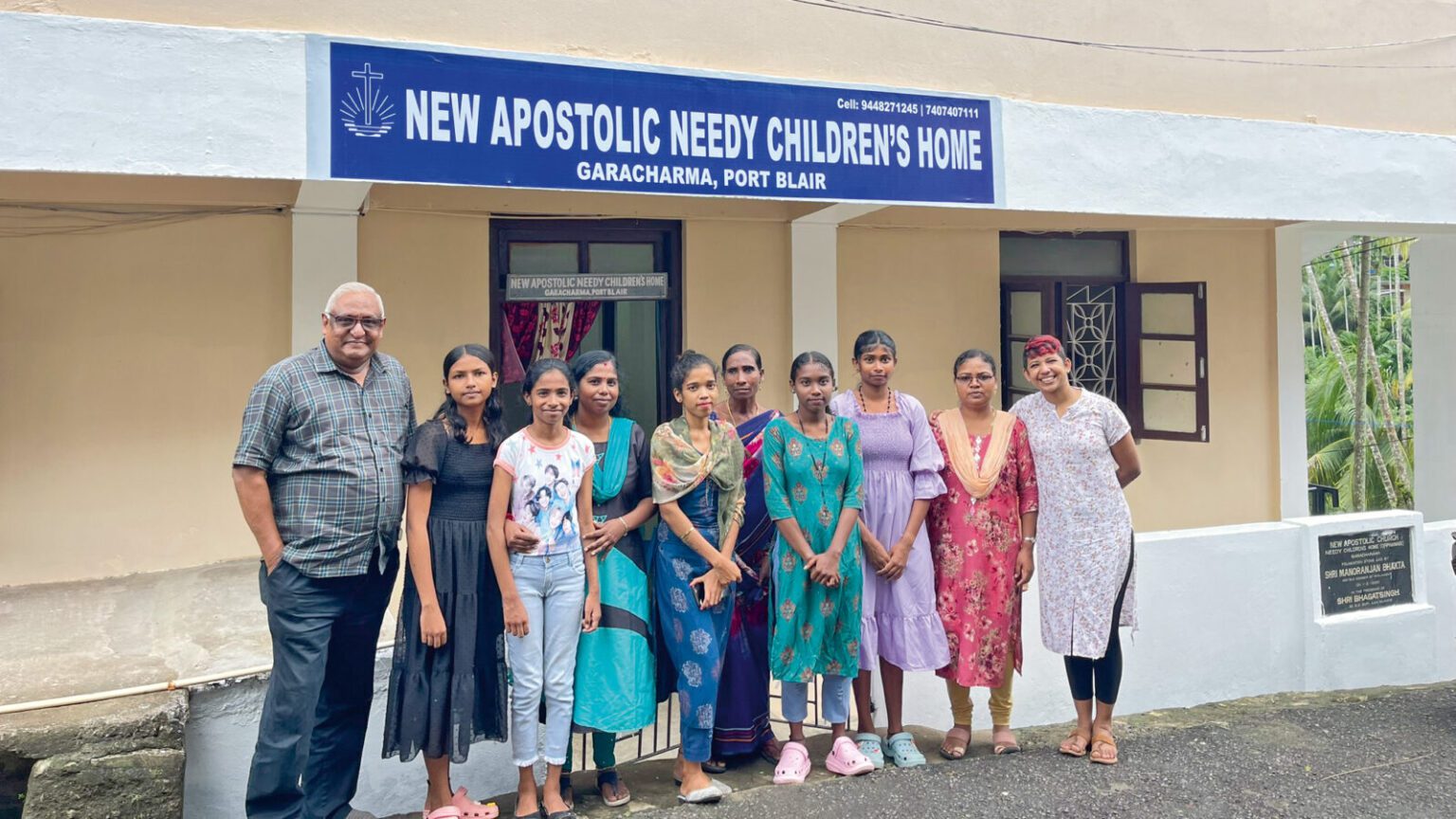
A children’s home on an island in the Indian Ocean wants to transform the lives of girls and open up their prospects for the future.
Over 1.2 billion people live in India, and almost 30 per cent of them are children under the age of 14. Most of them grow up in poverty and have little chance of achieving a better life through their own efforts. Girls are especially vulnerable. In many places, they face limitations and have fewer opportunities than boys.
Divine services on the island
The Andaman Islands, a group of over two hundred islands east of India in the Bay of Bengal, belong to India—the seventh largest country in the world in terms of area. The islanders are considered to be very religious, most of them are Hindus. But there are also Christians and Muslims, and many adherents of other religions. More than four hundred denominations and religions are represented. In Port Blair, the capital of the Andaman Islands with a population of around 100,000, there are two New Apostolic congregations: Garacharma and Dairy Farm.
The Needy Children’s Home in Garacharma was built in 1995. Funding is provided by NAK-karitativ in close cooperation with the aid agency of the New Apostolic Church in India, the National Organization of the New Apostolic Church India (NONACI). The girls who currently live there are not New Apostolic. However, those who wish can take part in the divine services and other congregational activities in Garacharma—an offer that is accepted. Until the start of the Covid pandemic, the institution was home for up to thirty children during the school year and, in cooperation with the neighbouring school, provided a solid education. Since the Indian government passed a new law prohibiting the children’s home from accommodating girls and boys under one roof, it has been decided to accommodate girls only, as they need support more urgently than boys.
Covid brings everything to a halt
When the Covid pandemic started in 2020, the children had to leave the home and return to their parents. The home was reopened in June 2021. Only a few girls came to live at the home. In the past two years, it had to be closed again because it needed to be renovated completely in order to keep it functional.
Lea König, project coordinator at NAK-karitativ, is confident that more girls in need of a stable, supportive, and healthy space will now come to live in the home again. In order to make the place better known “it is now being put on official lists”, Lea König says. “Increased advertising and public relations work are to ensure that more girls can be admitted in the coming year.”
A chance for girls
Diyani spent ten years at the Needy Home as a child. Today, she has a bachelor’s degree, is married, and has a son. The 40-year-old works as an in-house caretaker, helps in the office, and teaches the girls how to do housework. On Sundays, Diyani, who is a Deacon, attends the divine services in the Garacharma congregation together with children from the home. The institution gave her the chance of a good life, and she made the most of it.
Lea König hopes that many more girls will be given a chance in life and on the formal labour market by attending and completing school. “The focus is on giving the girls a home that supports them in their educational and professional development,” she says. The children attend classes at a public school. However, overcrowded classes and overburdened teachers are the norm there, so that the directors of the children’s home have hired tutors to help the girls catch up on their schoolwork. The children’s home also offers the girls a stable and safe space until they finish school. This would not always be the case in their families.
But even with a solid education, it is not easy for girls in rural India to build a good life for themselves. In addition to helping them with their schoolwork, the Needy Home also gives them vocational training, honing their skills in sewing or carpentry to help them take control of their lives and shape them—just like Diyani was able to do.
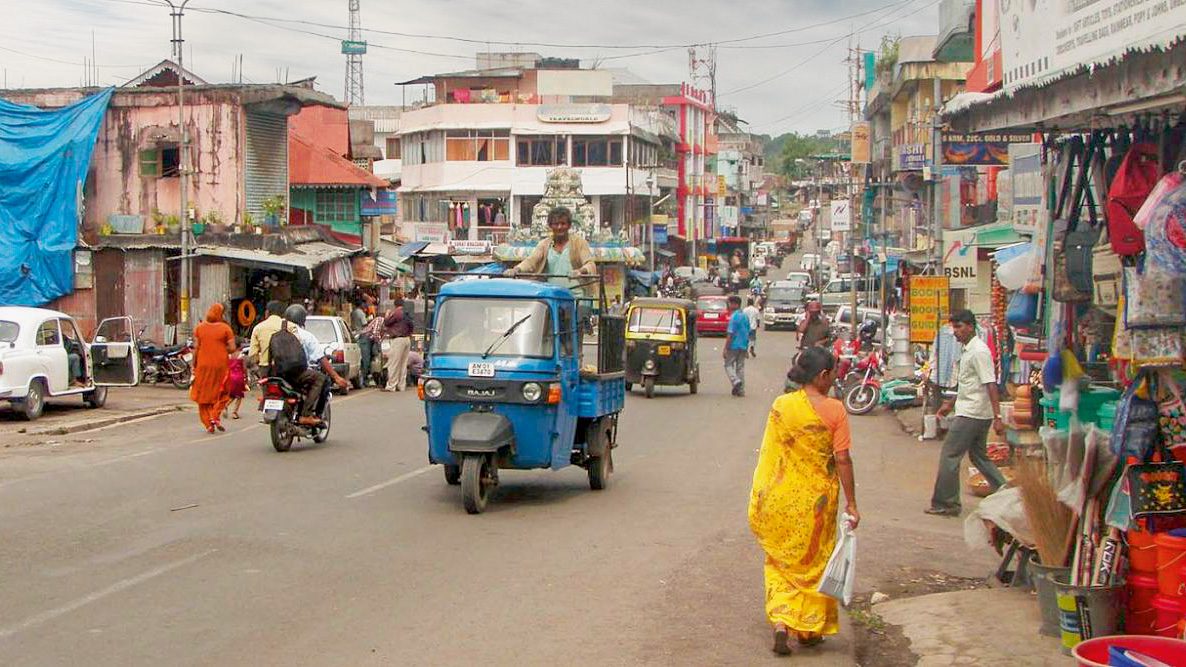
Street scene in Port Blair
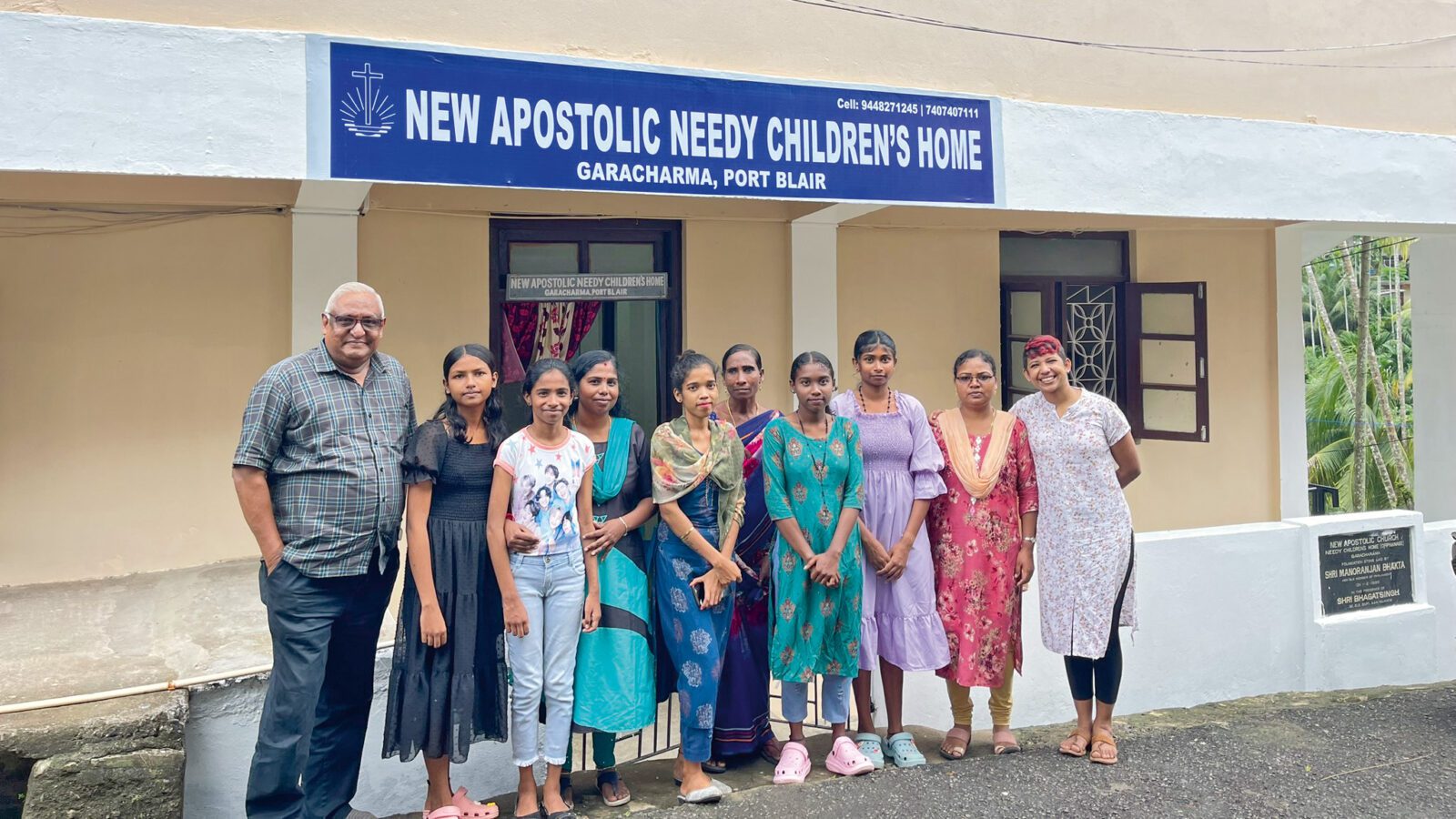
District Apostle Helper David Devaraj, the girls with their mothers and carers, Deacon Diyani (second from right) and Rebekah David (right) from the New Apostolic Church India
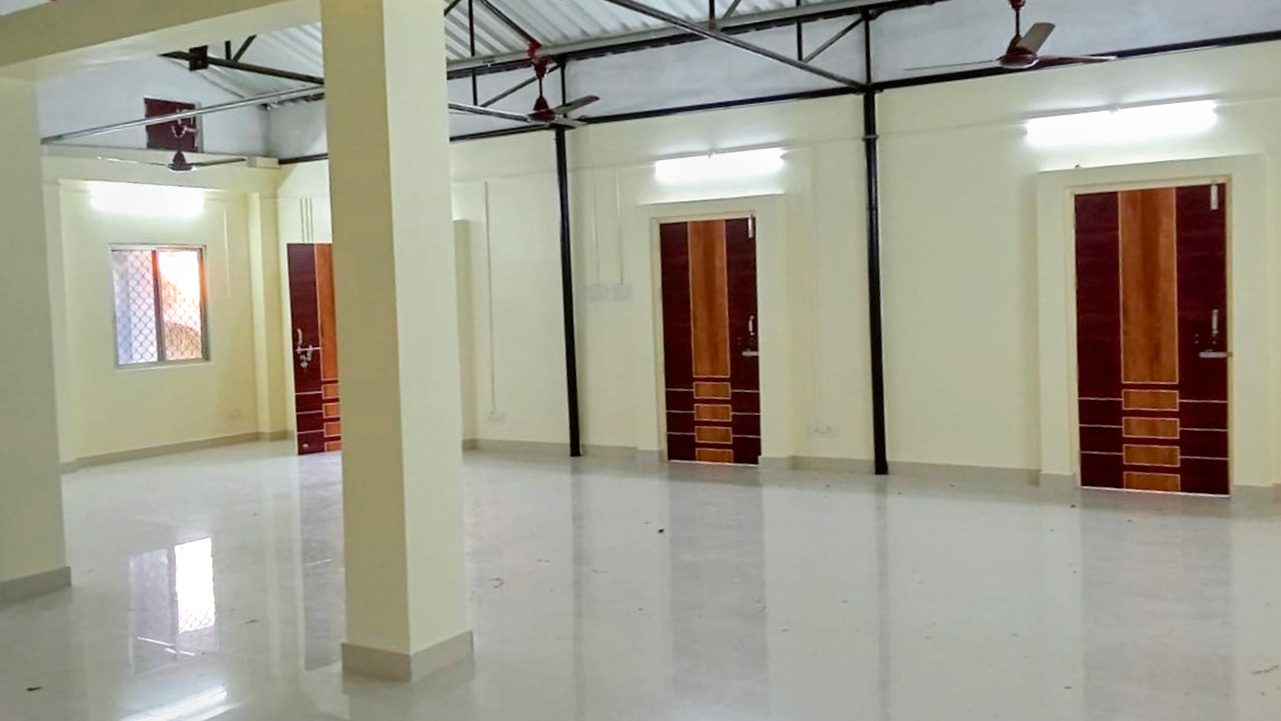
The building needed extensive renovations in recent months
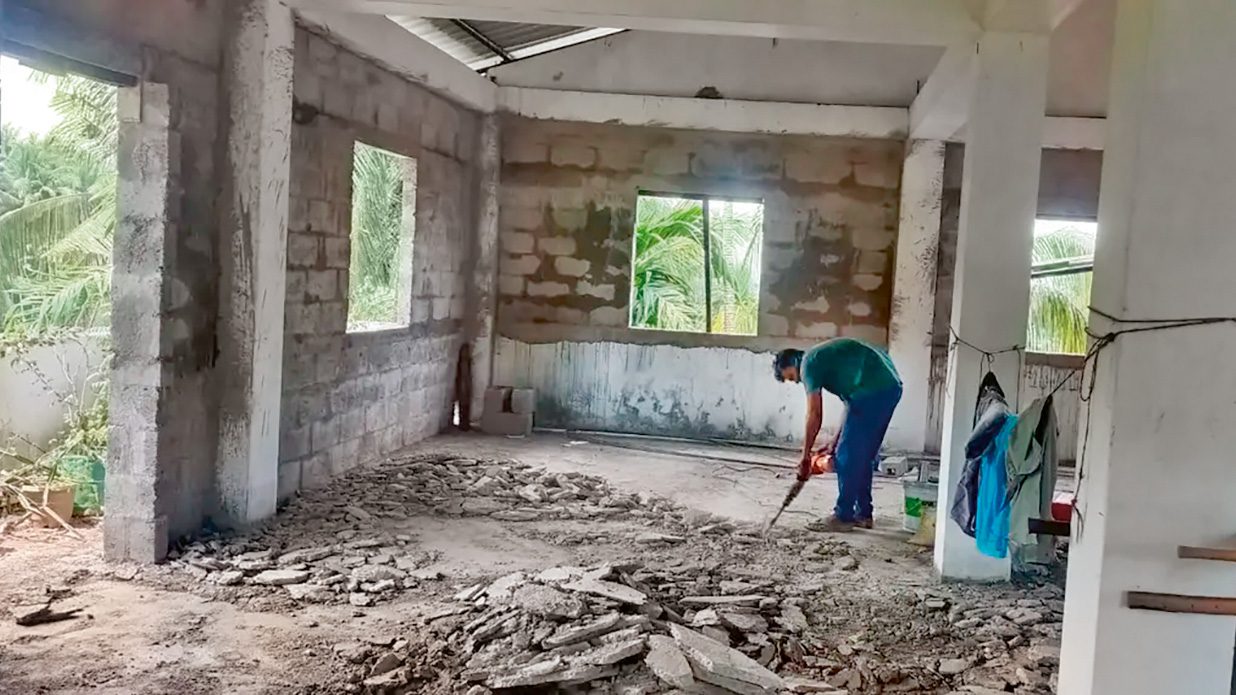
The building needed extensive renovations in recent months
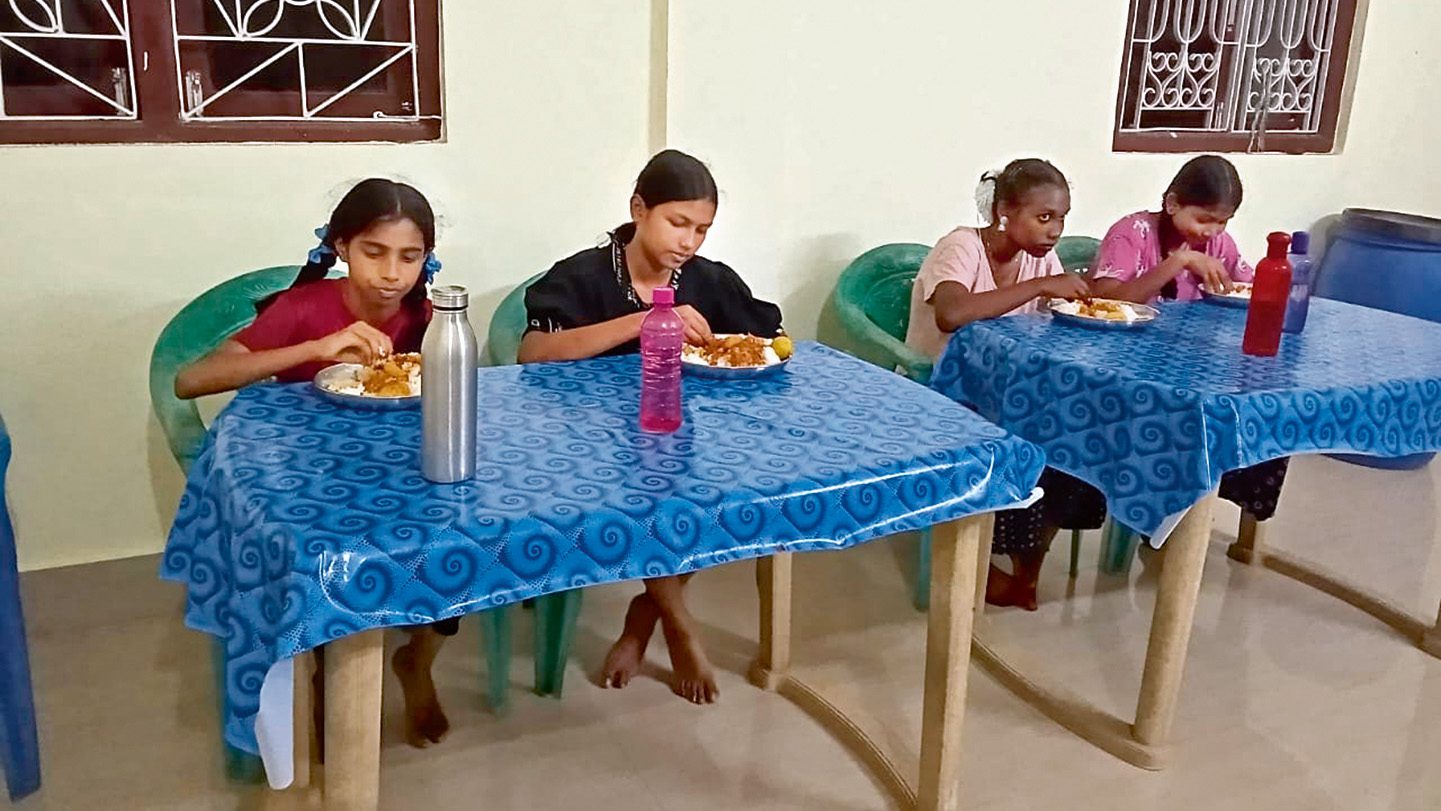
After school, the girls enjoy a meal at the home