




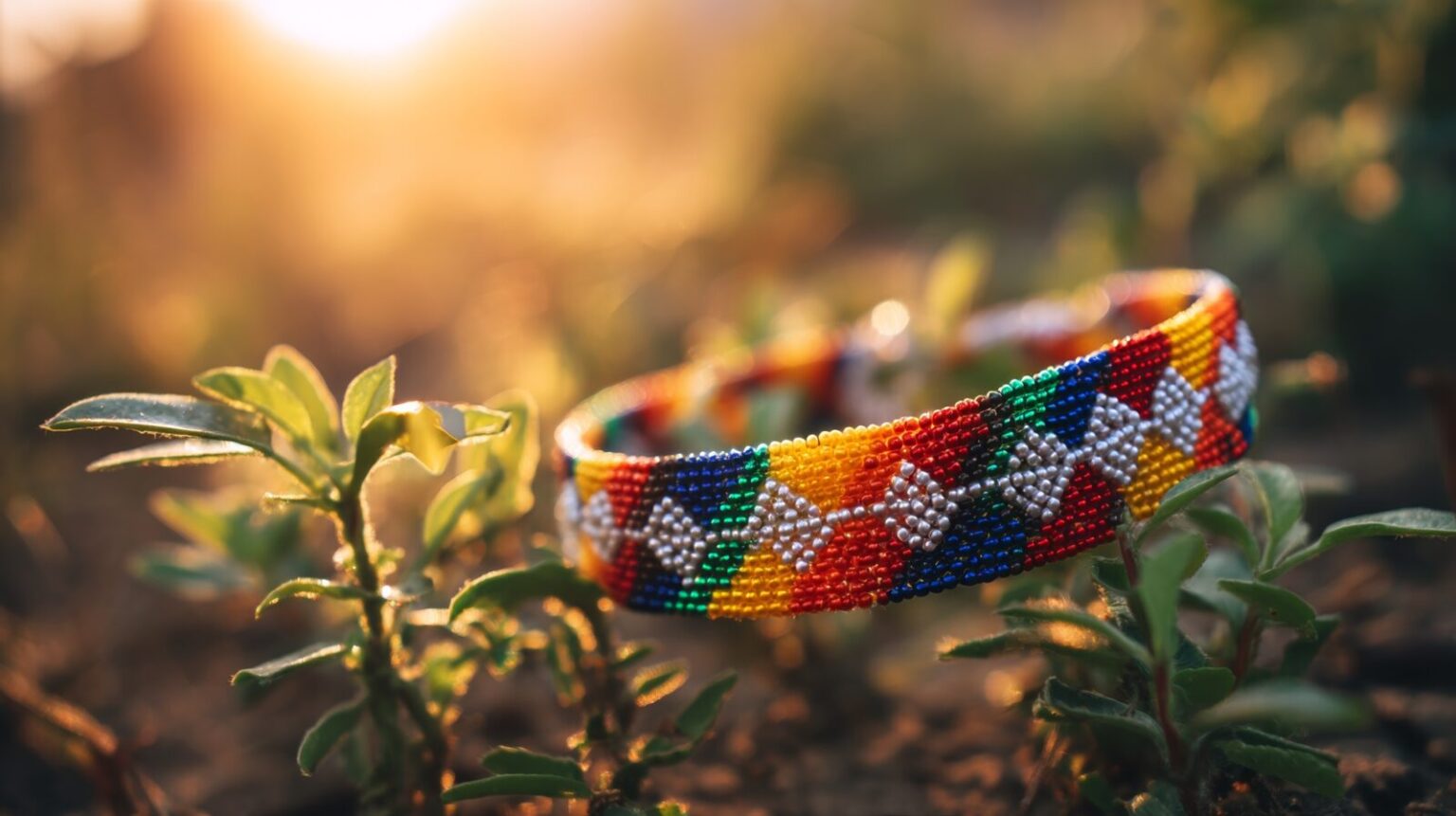
One Faith, Many Cultures : few Regional Churches embody this spirit as fully as Southern Africa, host of the 2026 Pentecost Assembly. Here is a closer look at the Rainbow Nation and its neighbours.
For Pentecost 2026, the focus of the New Apostolic world will be on Tafelsig church, which is located in Mitchell’s Plain, Cape Town, South Africa. A viewer of the congregation present on the day would think that this is a fairly homogenous group, but this is far from being representative of the membership of the Regional Church.
The Regional Church of Southern Africa is not only comprised of South Africa, but also includes the countries of Botswana, Namibia, Madagascar, Mozambique, and the southern Indian Ocean islands. Each of these countries has its own diversities in terms of ethnicity, culture, language, and social standing. To detail the full spectrum of what this entails would be overwhelming. We will therefore focus on just two of the countries, South Africa and Mozambique, to gain insight into the complexity of their people and the environment in which our members worship.
South Africa
Archbishop Desmond Tutu of the Anglican Church used the term Rainbow Nation in reference to the South African population in the early 1990s. This was the metaphor he used to describe the multicultural nature of the country’s people, and it was later also used by President Nelson Mandela when he became head of state in 1994. This description of the population of the country is underscored by its motto: !ke e: /xarra //ke. This phrase in the /Xam language of the Khoisan people, when interpreted, would translate into: Diverse People Unite.
Starting with ethnicity, the population can broadly be classified into four major ethnic groups: Black African, Coloured, White, and Indian/Asian. At first glance, this may not seem too multifaceted, but a closer look reveals that each of these categories is in turn split into further groupings. The Black African group includes the Zulu, Xhosa, Ndebele, Pedi, Basotho, Tswana, Shangaan, and Venda peoples—each with its own language and cultural lineage.
The Coloured grouping is distinctly multiracial being formed from a combination of the indigenous people who first inhabited the country (like the Khoisan), enslaved peoples from the East Indies and other parts of Africa, and European settlers. They have subgroups that include Cape Malays and the Griqua.
The White population is made up of Afrikaners, who are descendants of Dutch, German, and French Huguenot settlers, and the English who are descendants of British settlers. Lastly, the Indian/Asian population is composed of descendants of indentured labourers and merchants brought from India, but it also includes communities of Chinese and other Asian heritage.
To add to this melting pot of a country there are increasing numbers of migrants from other countries who come to South Africa in search of a better life.
Kings preserve the cultural heritage
All of the groupings mentioned differ primarily through a blend of language, culture, history, and economic status. South Africa has twelve official languages with a couple of other languages fighting for official status. Although English can be regarded as the lingua franca it is not the most widely spoken language. Depending on where in the nine provinces of the country you find yourself, you may find it difficult to be understood if you only speak English.
The South African government recognises certain traditional kingships, and these traditional leaders are paid a salary by the state. While they do not have any executive function in government, they do determine the allocation of communal land and they are specifically tasked with preserving cultural heritage, customs, and traditional values. This provides an insight into how important the preservation of culture is regarded.
Ethnic affiliation spills over into the realms of art, music, and even cuisine. For example, Amapiano and Kwaito are music forms rooted in South African townships, while Goema music represents a lively carnival sound stemming from Khoisan and Malay musical heritage. Anyone who has been to South Africa will know of the wide variety of food; from mopani worms to potjiekos.
Dealing with the past
New Apostolic Church members come from his multiplicity of ethnic backgrounds but also from a widely disparate set of socioeconomic conditions. These conditions are inseparably linked to the system of government that was in place in the not-too-distant past. It dictated, among other things, restricted movement of people, segregation, and the reservation of jobs only for certain ethnic groups. The legacy of these policies continues to be felt, as the country still grapples with social and economic inequality.
The gap between rich and poor is among the widest in the world and is linked to ethnicity. This can, for example, be seen in housing where the rich have residences rivalling the most luxurious homes in the world, while the majority of the people live in townships with a shack as a shelter. Disparities in access to proper education further compound these inequalities and are among the factors contributing to an official unemployment rate of nearly 33 per cent. For young people this percentage is even higher, making some vulnerable to viewing gangsterism and crime as viable alternatives. Crime has become rampant, and in certain areas moving freely is severely restricted.
Mozambique
The population of this country is predominantly a diverse mix of indigenous African ethnicities (about 99 per cent), alongside minority groups of European, South Asian, and mixed heritage people. The African ethnicities comprise the Makua (the largest group), Makonde, Yao, Swahili, Sena, Ndau, Shona, Tsonga (second largest group), Chopi, and Nguni peoples. The minority groupings are the Portuguese Mozambicans (descendants of the colonial era), the Mestiços (individuals of mixed African and Portuguese descent), and South Asians (primarily of Indian and Chinese descent).
While Portuguese is the official language of the country and the lingua franca used for government, media, and education, there are more than forty indigenous Bantu languages spoken across the country. It is estimated that only around half of the population speak Portuguese with any degree of fluency. Over time, the culture has become a fusion of the indigenous groupings with Arab, Swahili, and Portuguese influences. This is then reflected in the music, arts and craft, and cuisine. For example, the Marrabenta, which is the national music style, blends African rhythms with Portuguese and Western influences, while the capulana—a cotton cloth traditionally worn by women wrapped around the waist—reflects both African and Portuguese motifs.
Faith as an anchor
The religious landscape is equally diverse. Nearly half of the population practises indigenous or animist religions, in which deep reverence is paid to ancestral spirits. About a third of the population identifies as Christian, predominantly Roman Catholic, while Islam is prominent.
Mozambique is categorised as a low-income country characterised by extreme poverty and high inequality with 60 to 70 per cent of the population estimated to be living below the international poverty line. By far the greater majority rely on subsistence agriculture and the informal economy for a living. Years of internal conflict, which continues up until the present, creates an unstable political climate that hinders development because of security risks.
One church, many cultures
It is against this backdrop that the New Apostolic members in Southern Africa live their life of faith. The congregation becomes a collection of diverse backgrounds from the community it serves. The heartwarming aspect of it all is that members find a home in the New Apostolic Church through which they gain a new identity and become part of a greater tradition.
In 2010, all the Apostles from around the globe gathered with Chief Apostle Leber in Cape Town for the celebration of Pentecost. For this occasion, the motto was: One Spirit – One Goal! At the conclusion of the divine service the choir sang a hymn with the same title, which had been specially composed for this festive celebration. In the lyrics of the hymn the following words remain relevant: “From sources diverse and backgrounds unknown You gather those who call Your presence home.”
Photo: zhongyou – stock.adobe.com