




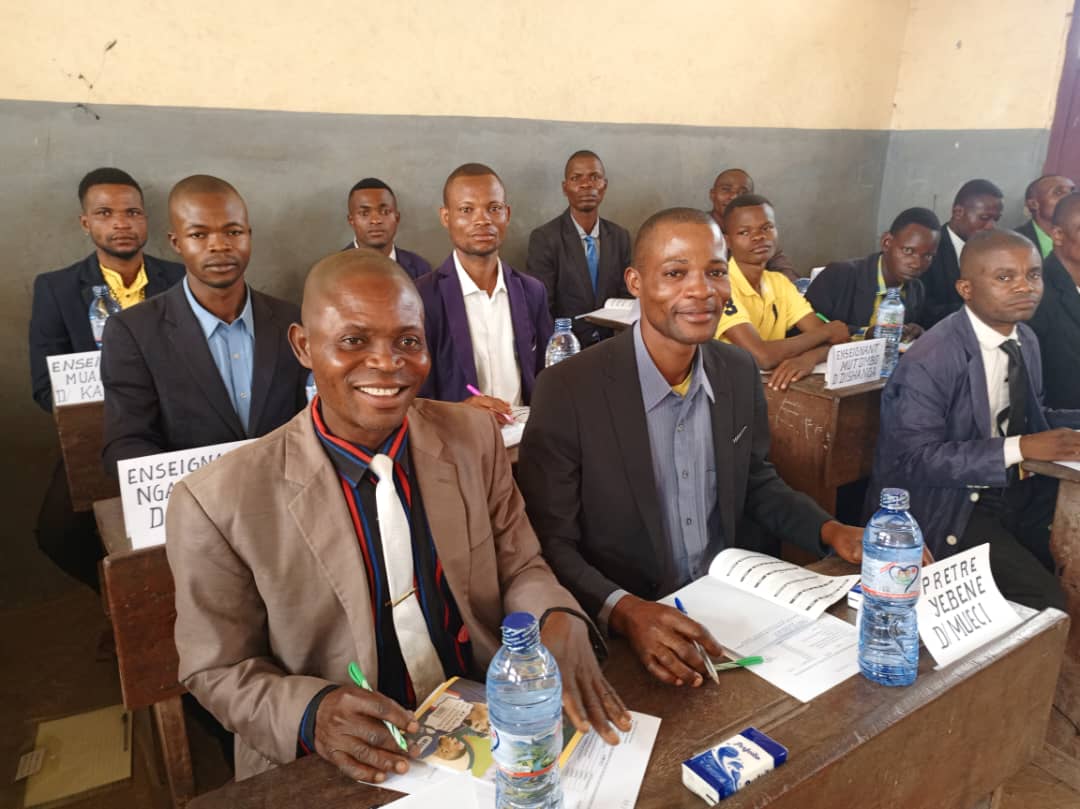
The DR Congo South-East decided that it would suspend its building programme this year and instead invest it in teacher training programmes. The decision by the Church leaders to reallocate the budget is to benefit the children in the congregations in the long term.
There are around 10,000 congregations, thousands of teachers, and tens of thousands of children. The teacher training programme in the New Apostolic Church in the south-eastern part of the DR Congo is a mammoth project—and yet it is only an intermediate step on the way to a future-focused church. The aim of the project is to give Sunday School teachers comprehensive training for their important task.
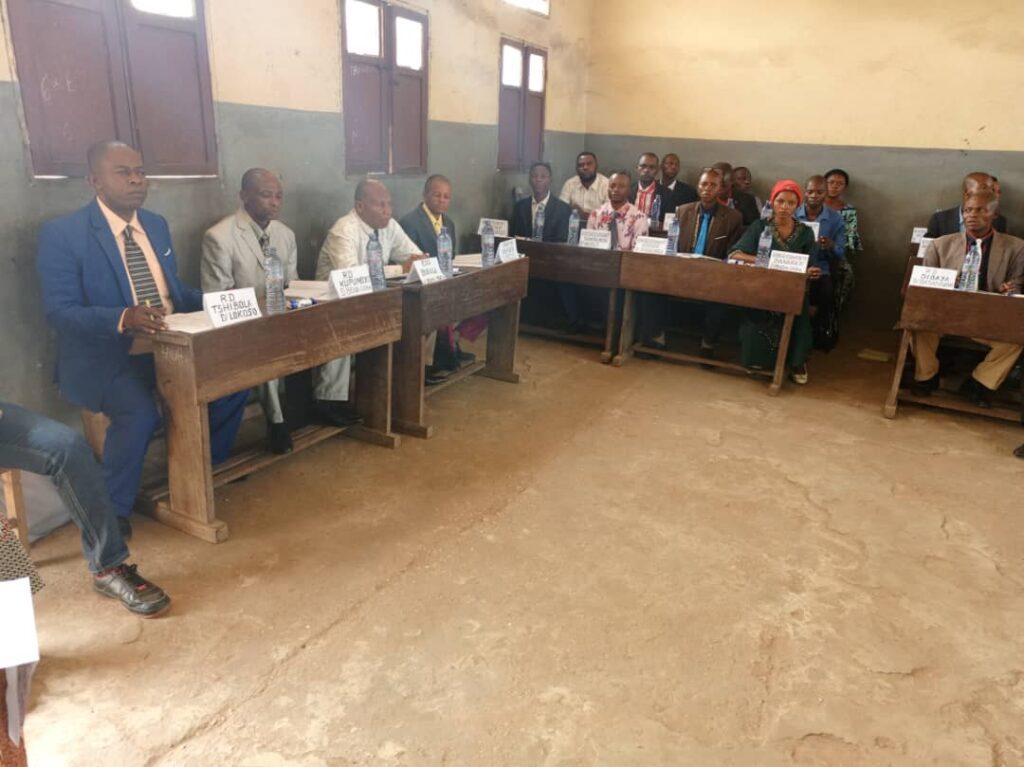
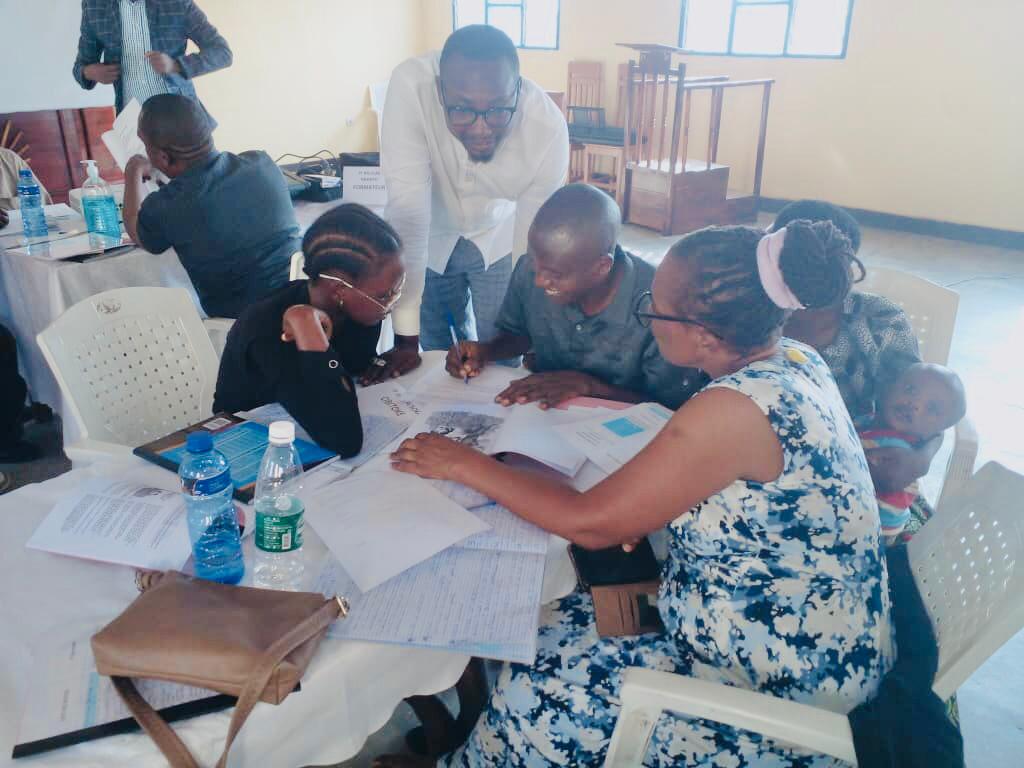
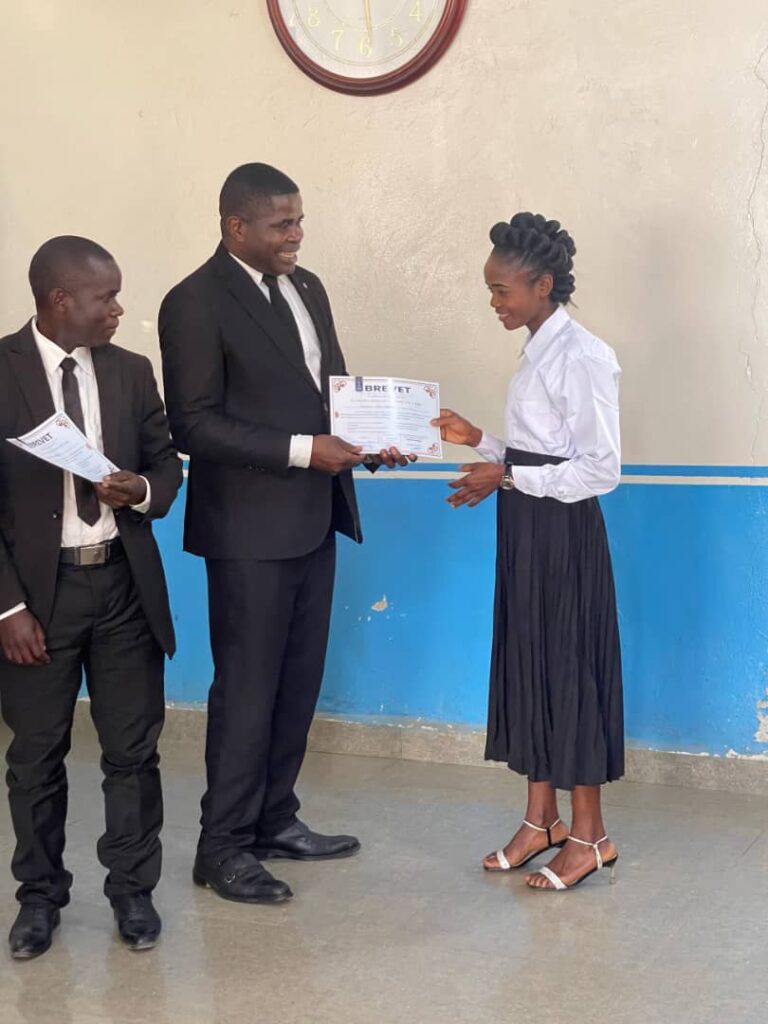
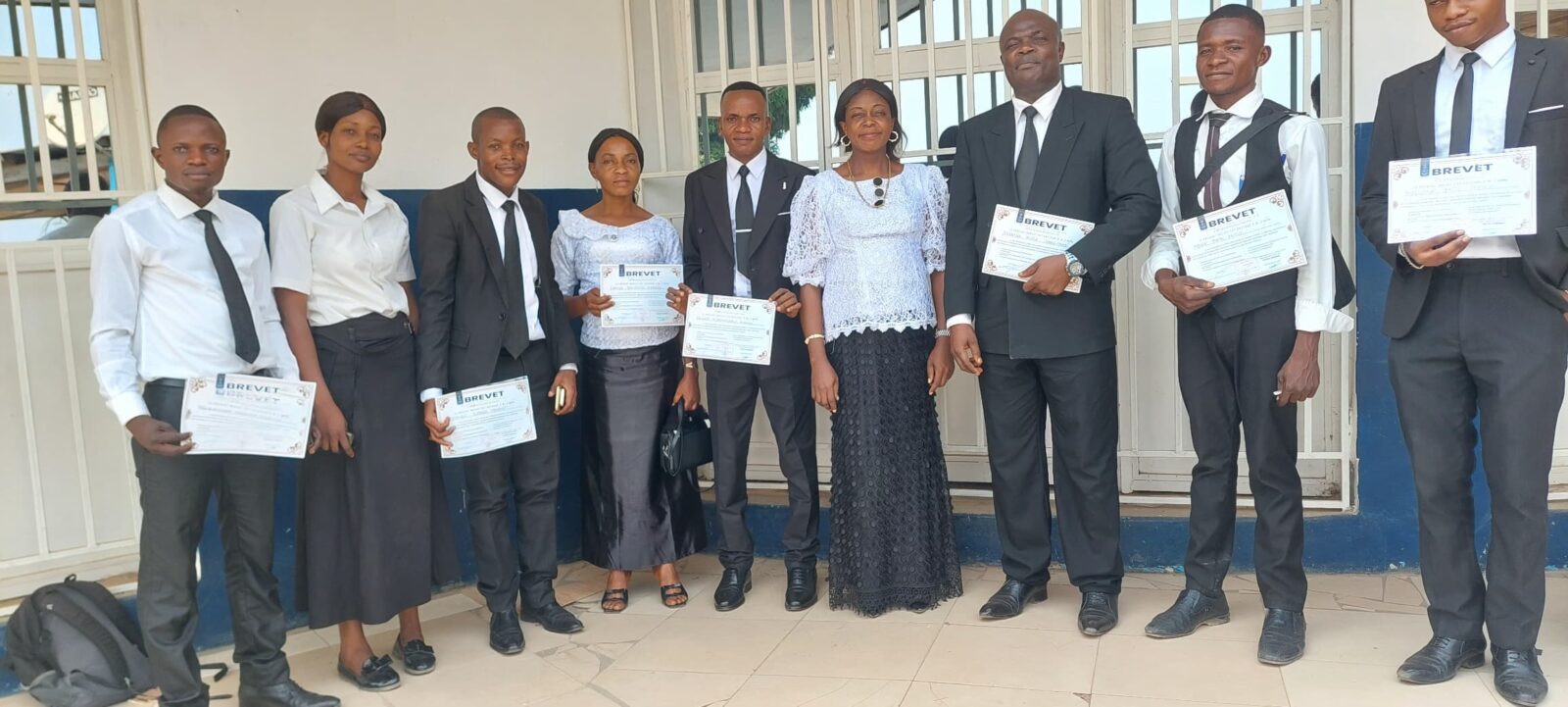
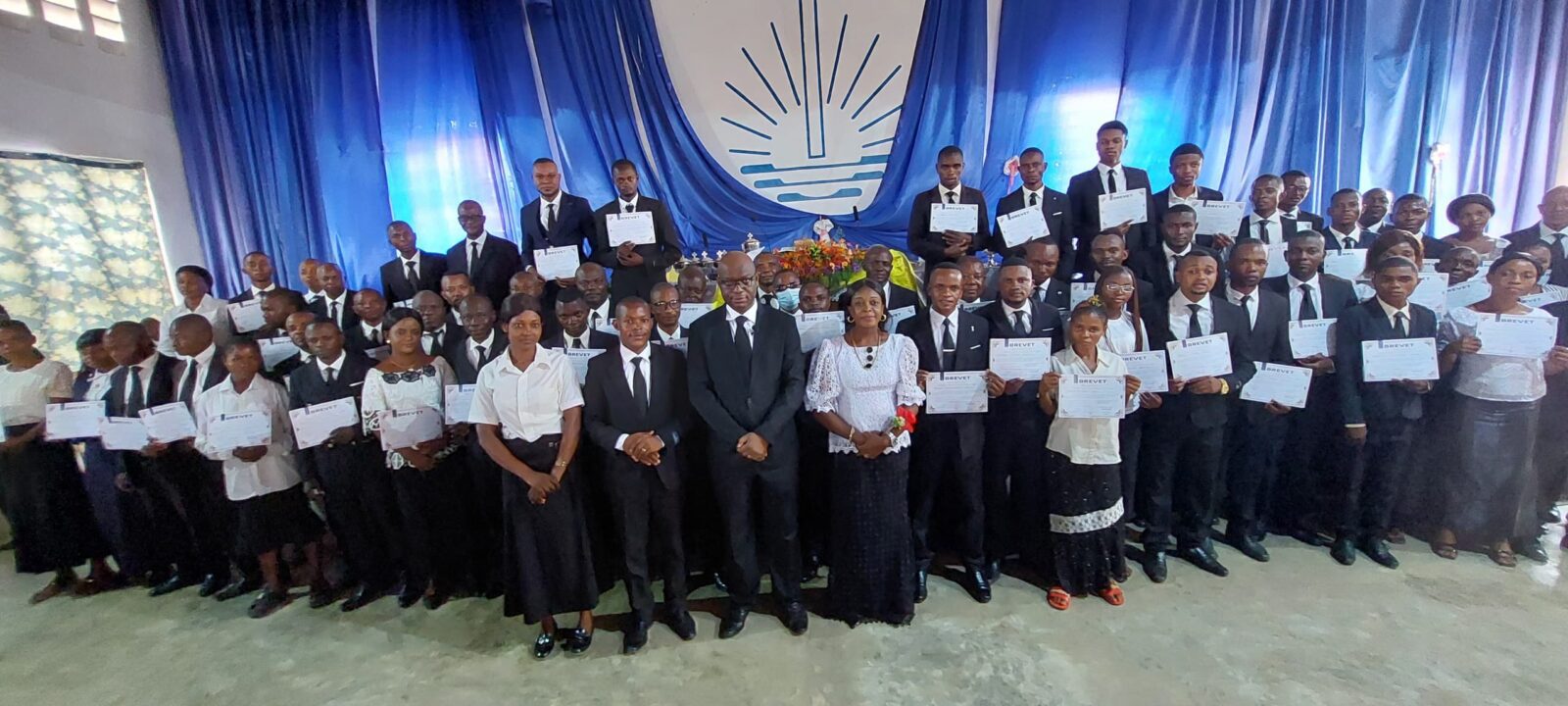
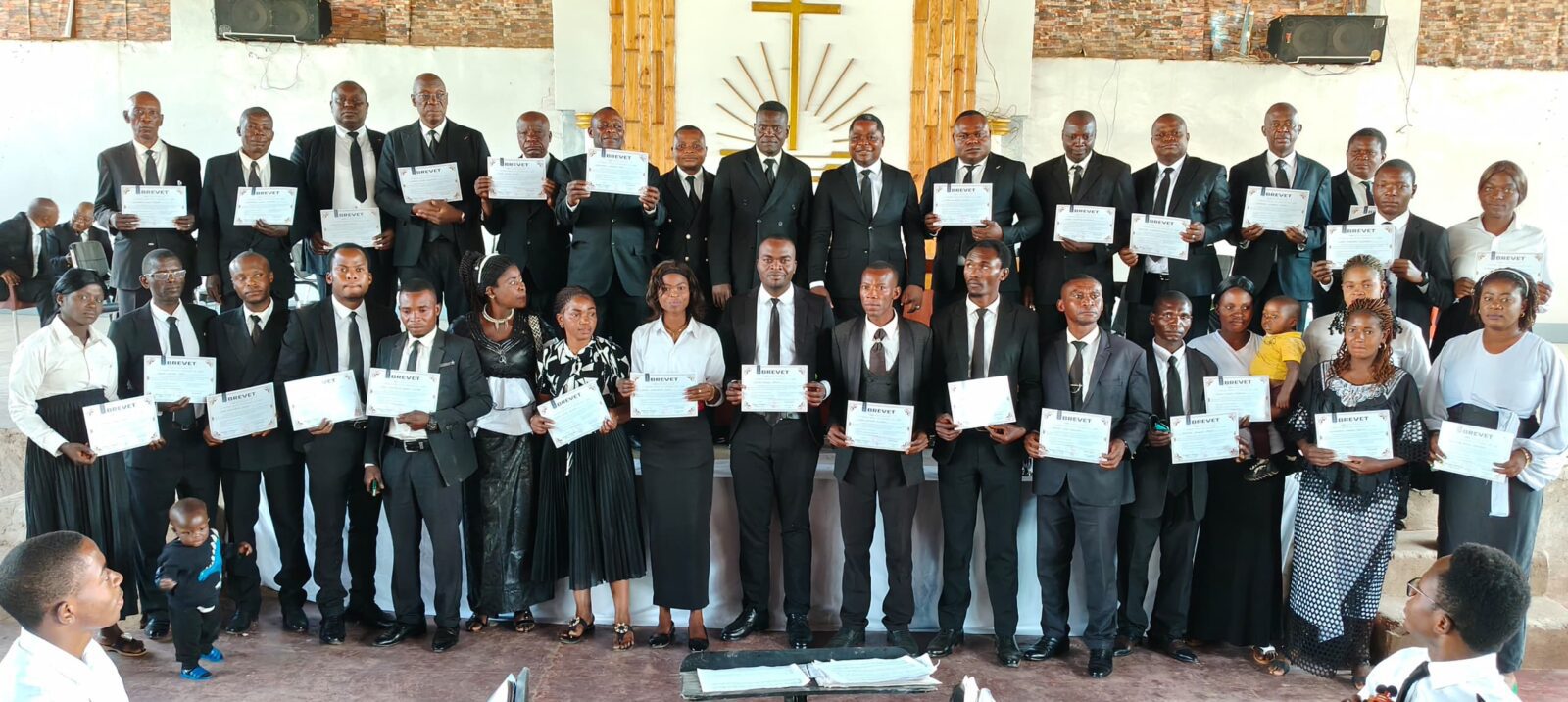
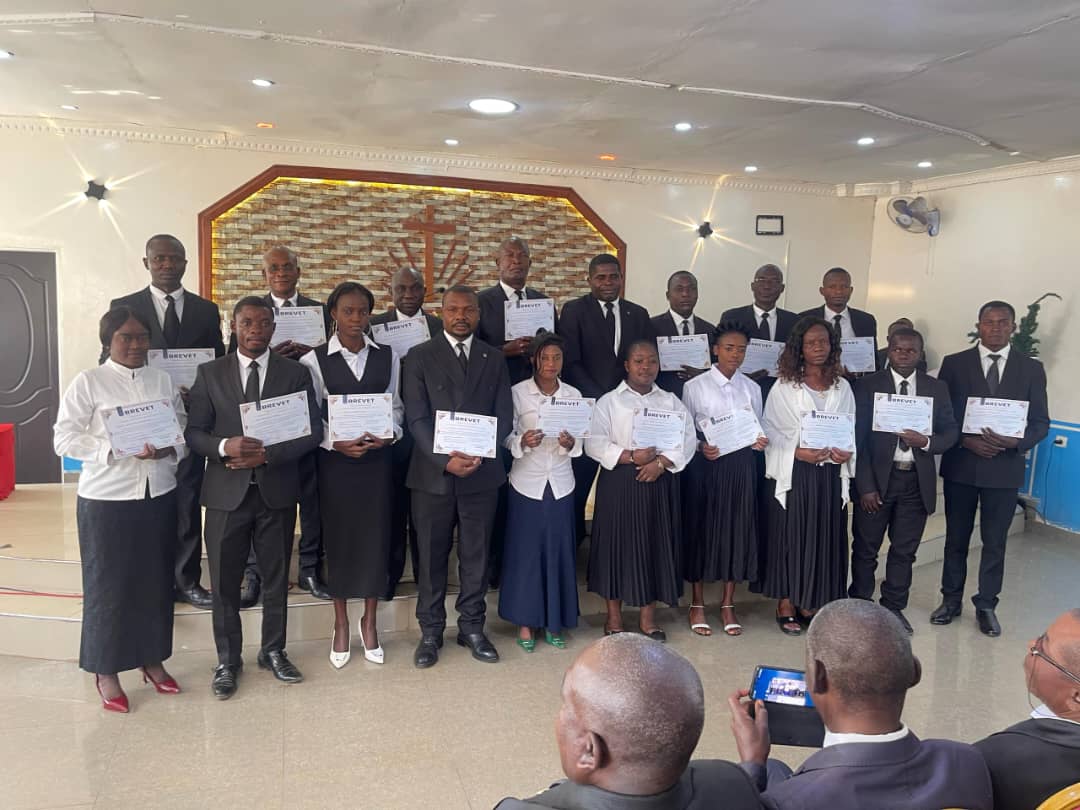
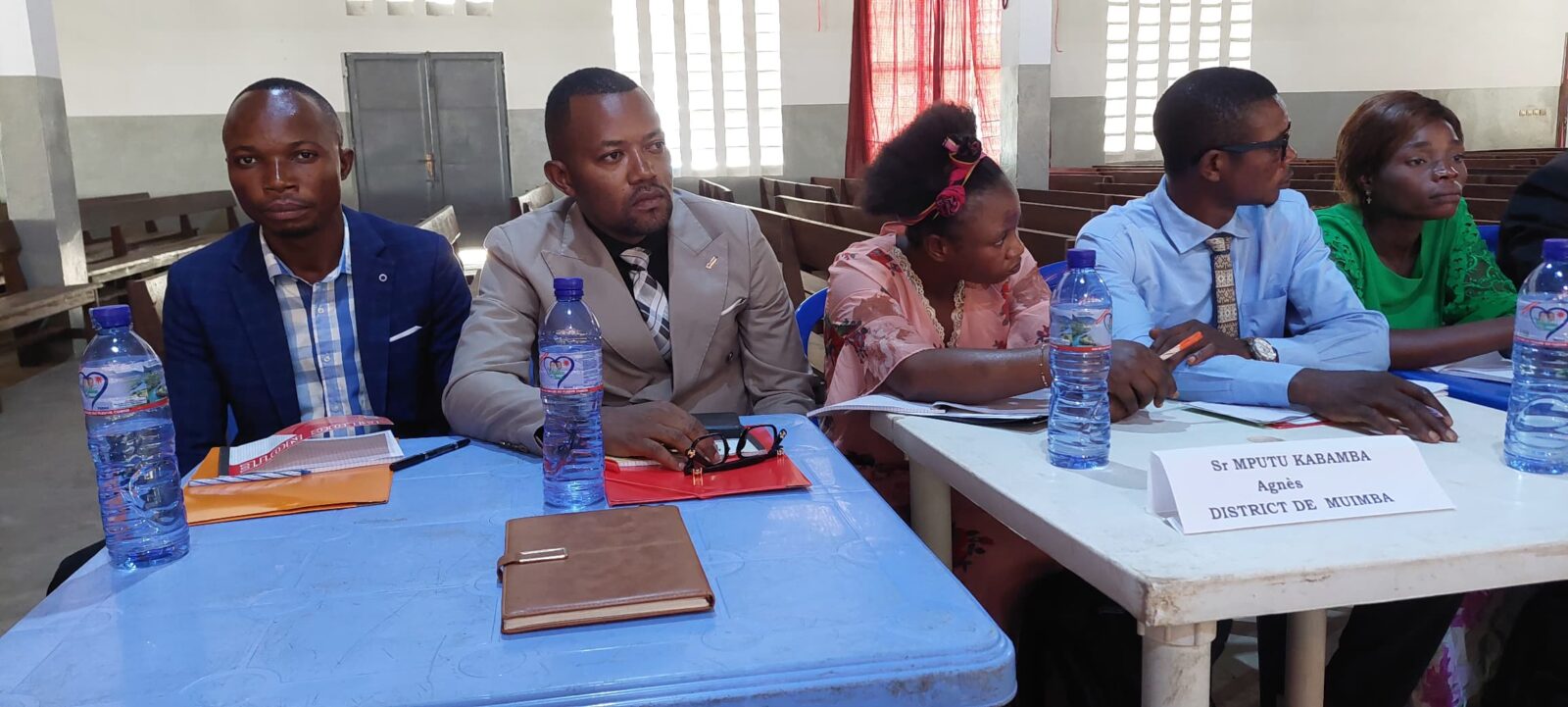
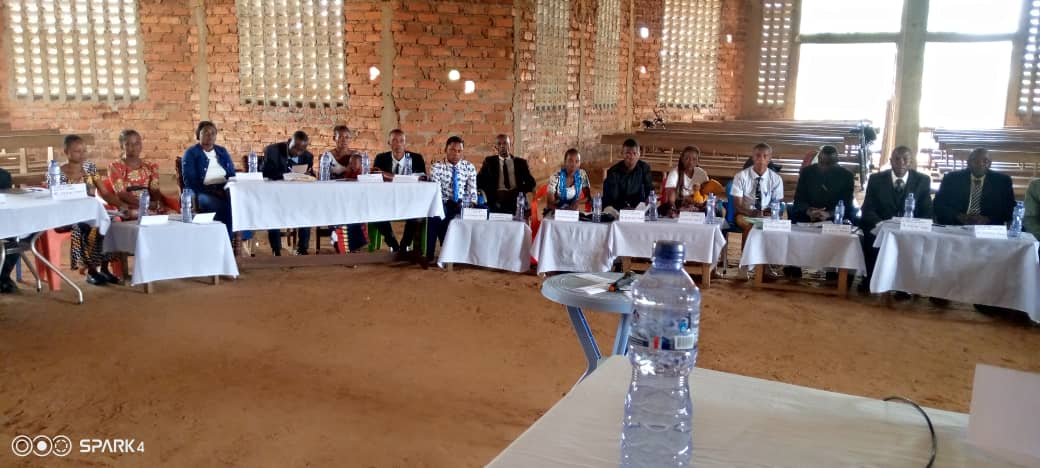
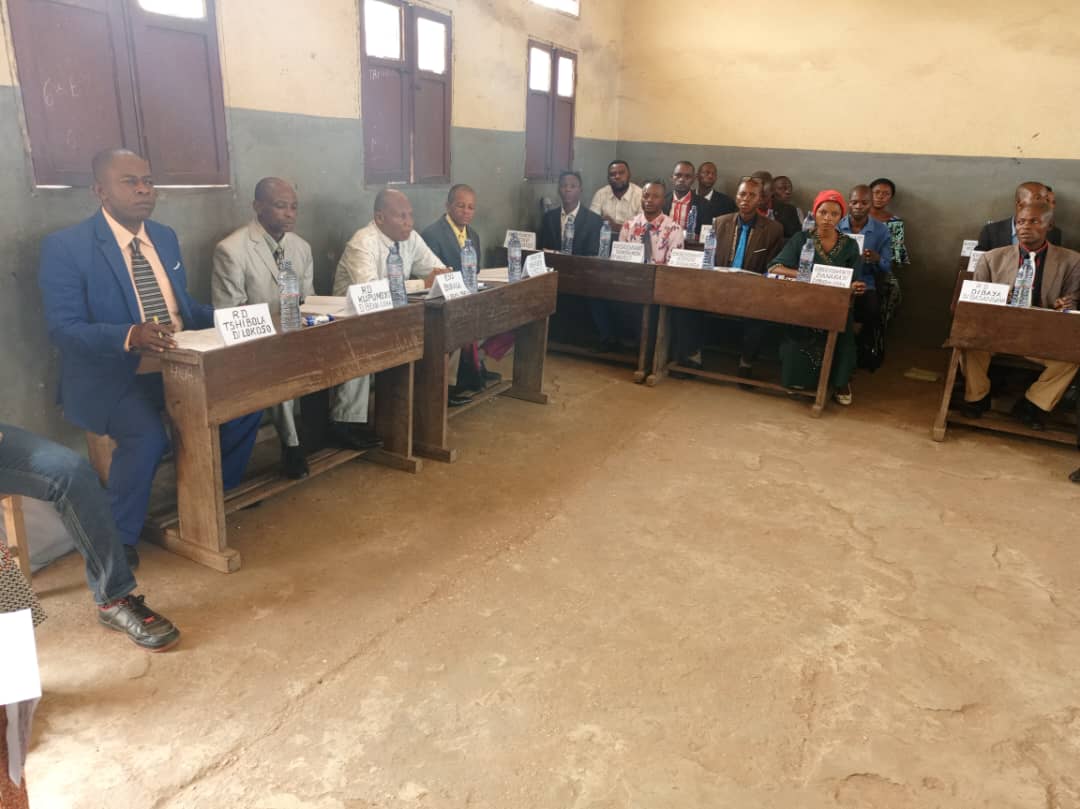
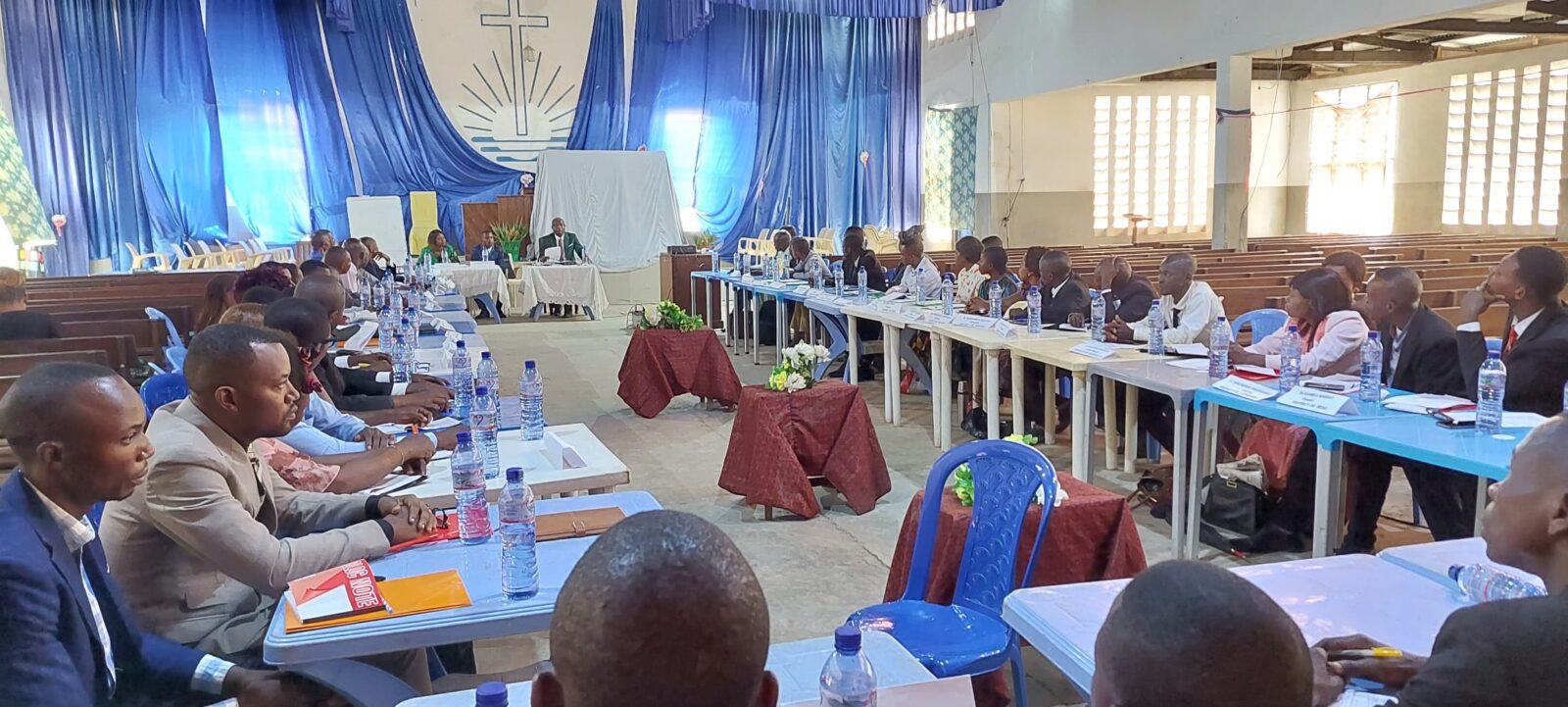
The current focus is on level 3 teachers, which involves training teachers at district level. Currently, 1,442 teachers are undergoing this important course. Each participant receives a certificate at the end of the course. “Most of the teachers trained are psychologists and therefore know that this is a continuing education programme at university level,” Serge Mukadi, the communications manager, explains.
A structured teaching system
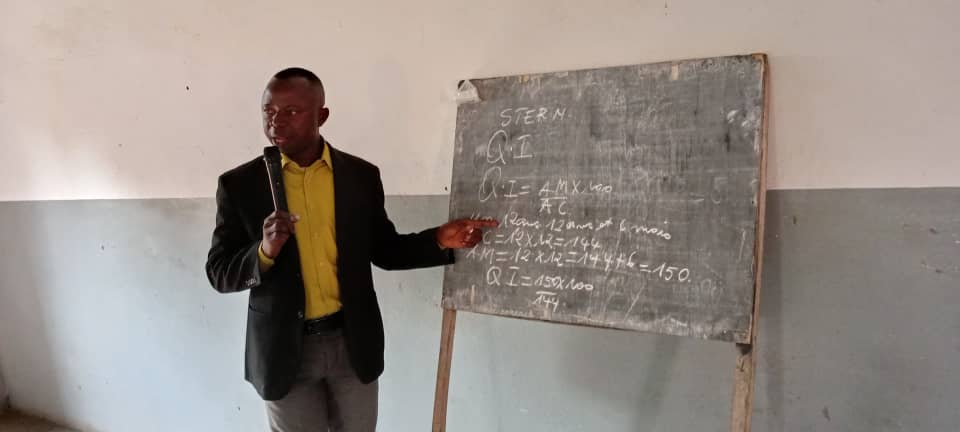
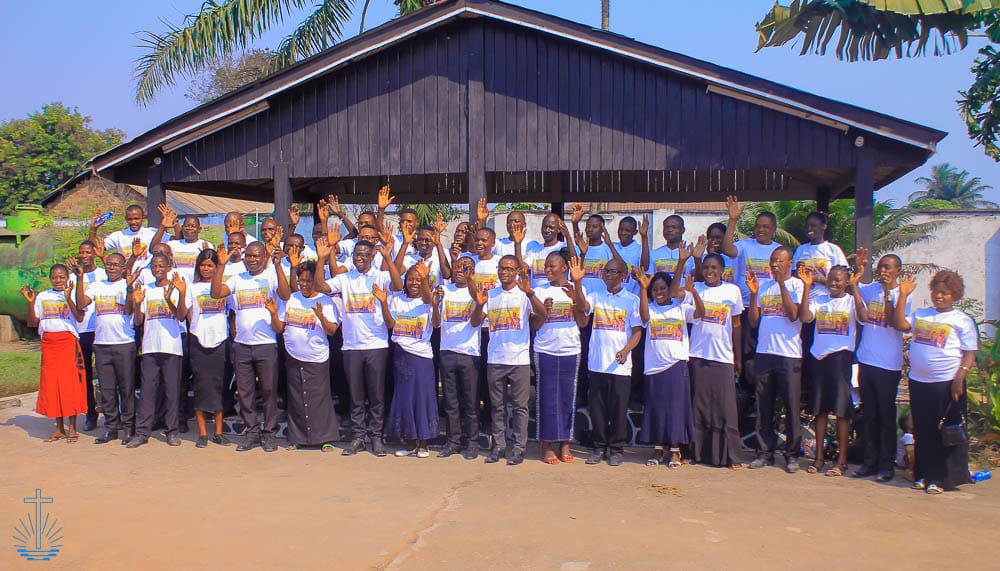
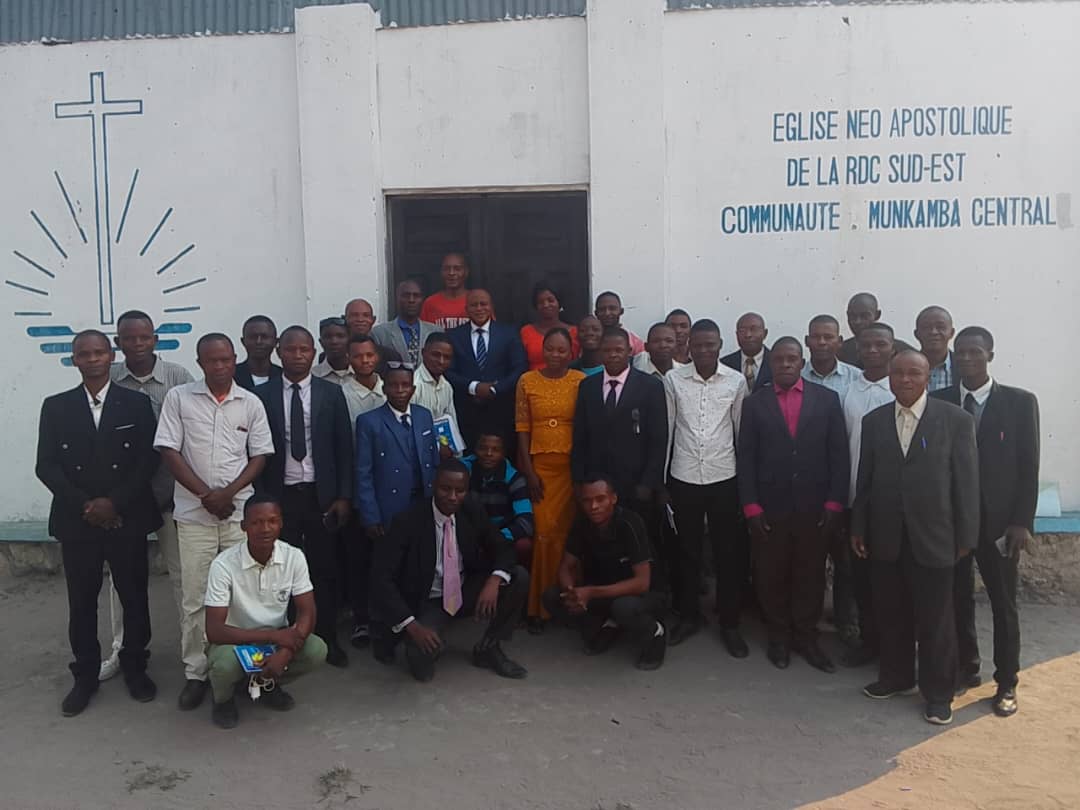
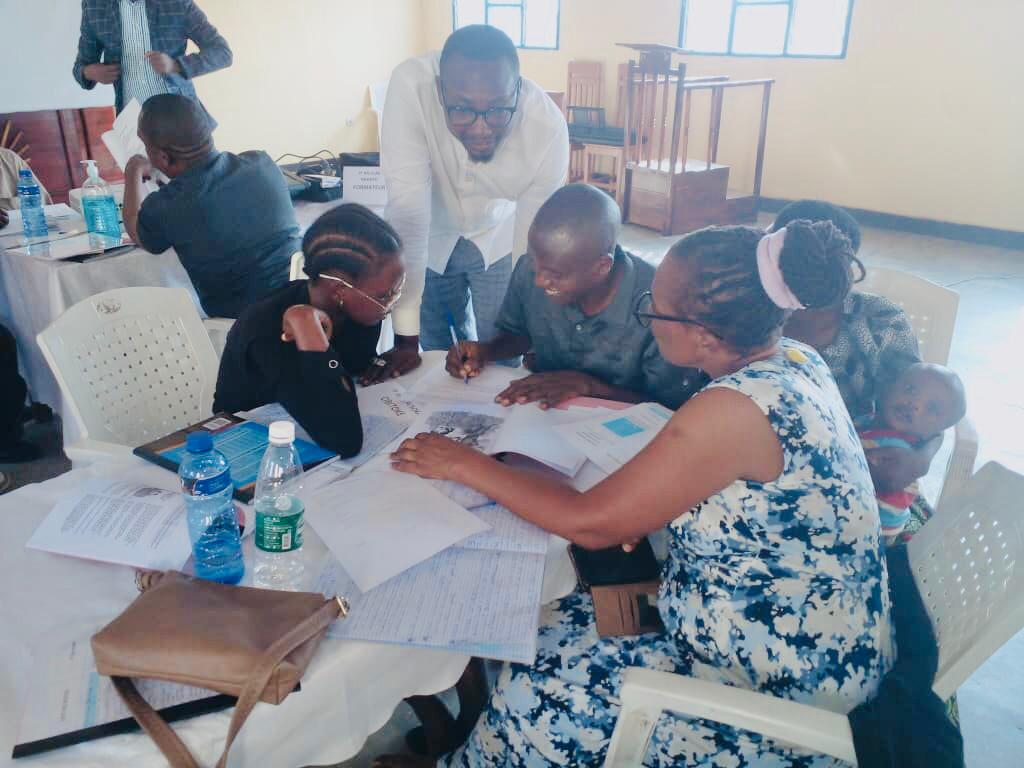
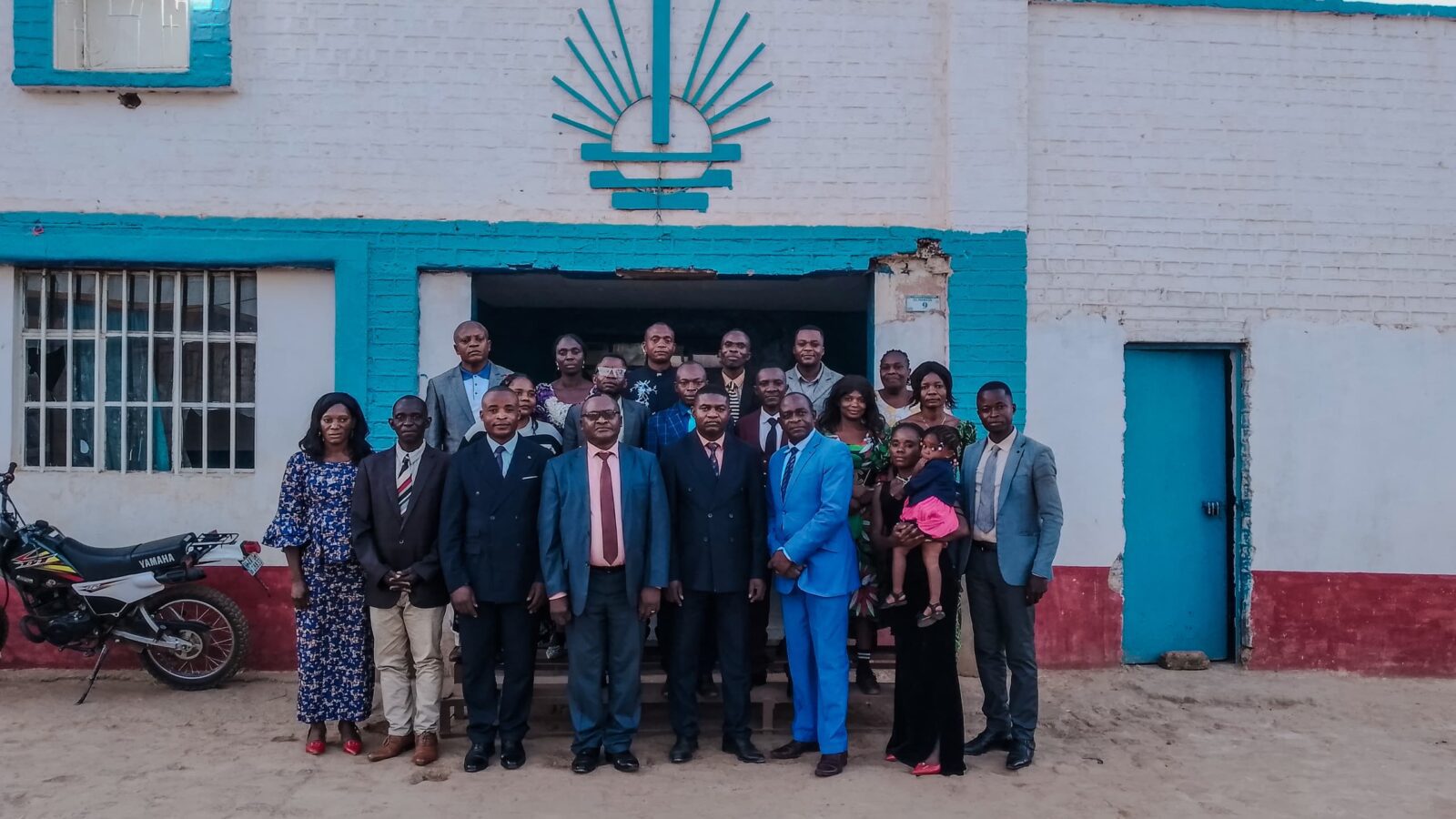
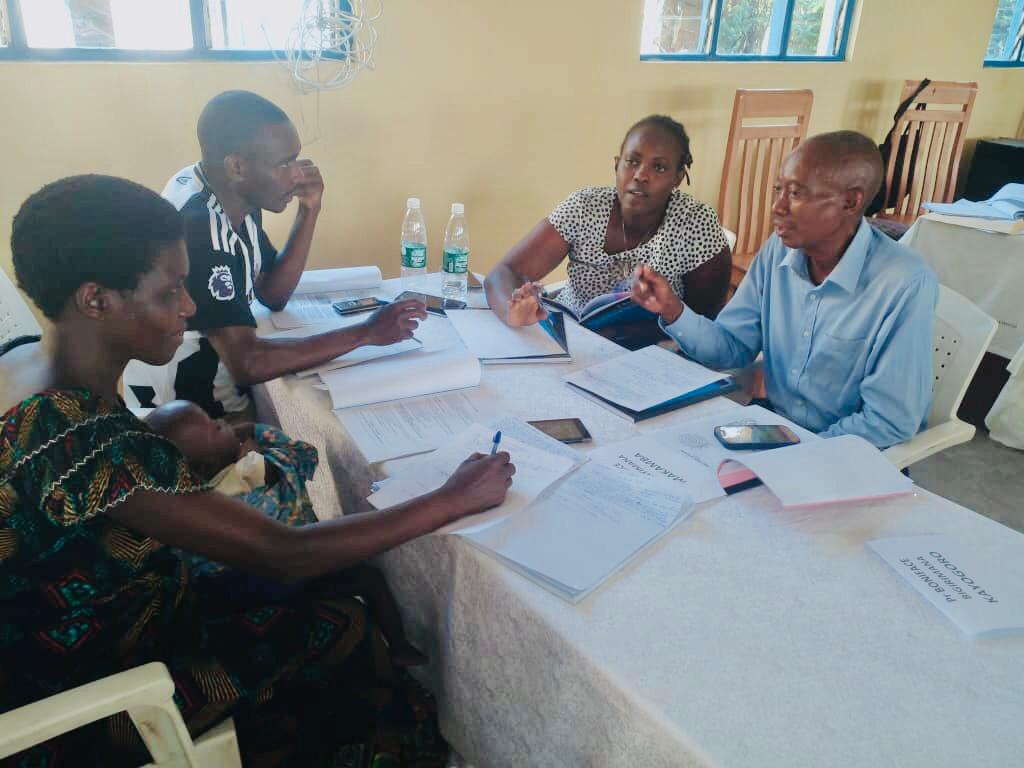
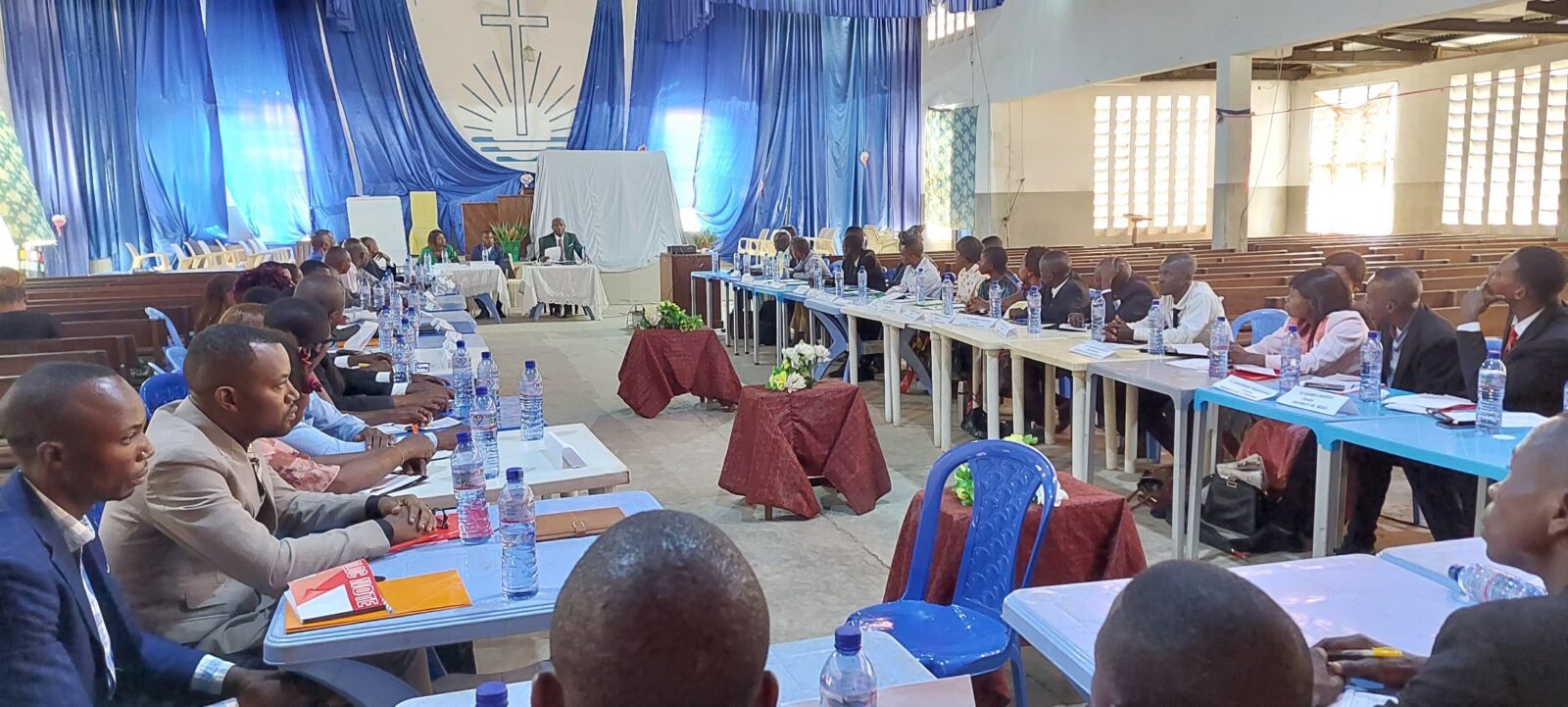
Teacher training takes place across several levels: the Apostle, district, and congregational level, and the teachers receive specific training. In July 2025, a comprehensive training programme for level 3 teachers took place in all Apostle districts, reaching leaders from 399 church districts. Attendance was high. Of a total of 1,394 expected district leaders and teachers, 1,264 were present. Only teachers from regions where the security situation is tense, making travel impossible, could not attend. They will receive training once the situation eases.
In December of the previous year, level 1 training had already taken place in Goma. The course had been led by a renowned psychologist and university professor. The course covers important topics such as general behaviour in dealing with children, pedagogical communication, teaching objectives, general principles of modern education, teaching strategies, and teaching practice.
Efficient use of local resources
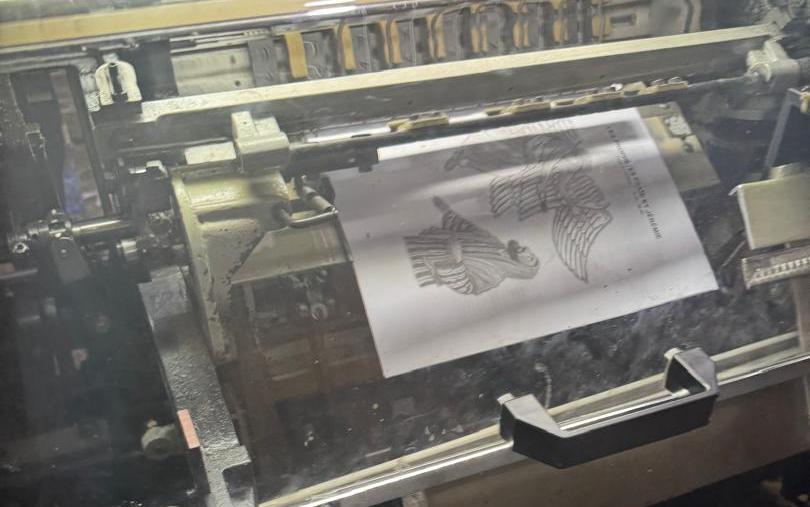
Teaching materials were printed locally, totalling 18,000 books, divided into two volumes of 9,000 copies each. Working with a local print shop not only ensures efficient production but also supports the local economy. These books are an essential basis for teacher training and make a significant contribution to ensuring sustainable quality in teaching.
A look into the future
The successful completion of the level 3 training is by no means the end of the programme: a fourth and final phase is still to come, which will then effectively involve and cover all congregations in the south-eastern part of the DRC. This will be the final phase of the training programme. The long-term objective is clearly defined: to ensure the sustainable education of the next generations so they can actively shape the future of the Church.
“This is about far more than simply passing on knowledge,” emphasises one of the responsible ministers. “We are investing in the future: in our children and in the people who accompany and shape them. That is our great task and responsibility.” This project being carried out in the Regional Church shows how important the religious education and care of its children is to the Church. This year, the Church made a conscious decision to suspend its building programme and invest the money in teacher training instead.
Another highlight of the year is just around the corner: this Sunday, Chief Apostle Jean-Luc Schneider will conduct a divine service in Mbuji-Mayi. Thanks to a satellite link and the internet, all congregations of the Regional Church will be able to follow this special divine service on large screens or overhead projectors.
Photos: ENA RDC Sud-Est