


More than four million euros went to humanitarian aid projects in Africa, Asia and Europe in 2025 through NAK-karitativ. Where did the money come from, and where did it go? Here is a closer look.
The association NAK-karitativ, based in Germany, aims to create a world in which people can reach their full potential: without hunger, with a wide range of educational opportunities, and with access to basic healthcare. The projects are designed to sustainably improve people’s living conditions regardless of religion, age, background, or gender, while preserving nature and taking ecological aspects into account.
Despite crises and suffering, all aid projects are meant to help people build their own strength and thereby increase their resilience. The nonprofit organisation reaches out to people to develop solutions together with them and to clear paths that give hope and confidence.
NAK-karitativ is active in Africa, Europe, and Asia in the fields of health, education, disaster relief, nutrition, and livelihood security. In 2025, fifty projects, partnerships, and ongoing campaigns were carried out in 19 countries, benefiting just over 170,000 people, 20 hospitals, and 21 regional organisations.
A seven percent increase
For 2025, NAK-karitativ recorded income of just over 4.7 million euros, about seven percent higher than the previous year. This is attributable in particular to inheritances and bequests totalling around 711,000 euros, as well as government grants of almost 620,000 euros. During the year, around 2.5 million euros came from individual donations, just under 156,000 euros from contributions by other organisations, around 298,000 euros from sponsorships, just over 152,000 euros from ongoing campaigns, and around 50,000 euros from fundraising events.
Four areas of operation, more funding
Despite the increase in revenue, project expenditure rose to just under 4.2 million euros in 2025, which was around 28 per cent higher than in the previous year. This was due to the launch of new projects, the continuation of multi-year programmes, and the use of donor-designated funds already raised in previous years. Total expenditure amounted to just over 4.7 million euros.
The funds were distributed across the following areas: around 1.4 million euros went to nutrition and livelihood security (33.7 per cent), just over 192,000 euros to healthcare (4.5 per cent), around 1.6 million euros to education (37.7 per cent), and just over 1 million euros (24 per cent) to disaster relief.
Aid for countries in Africa, Asia, and Europe
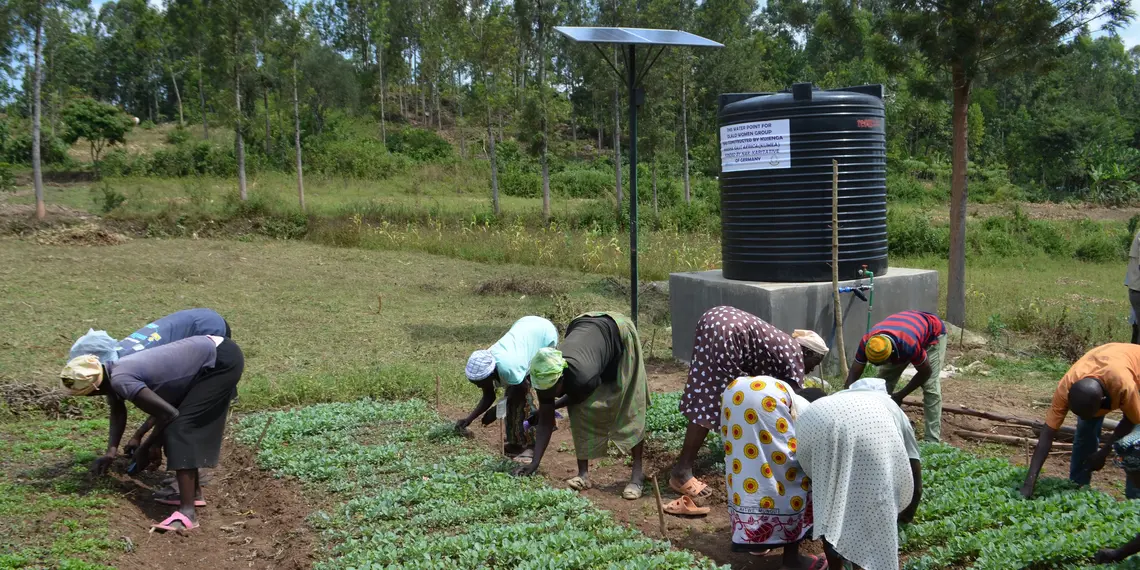
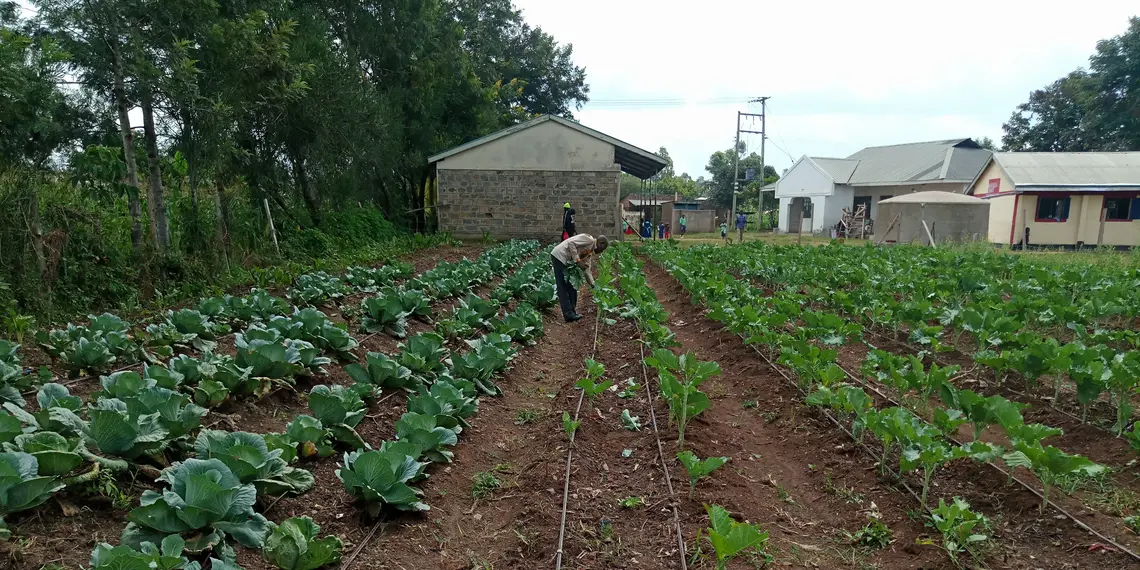
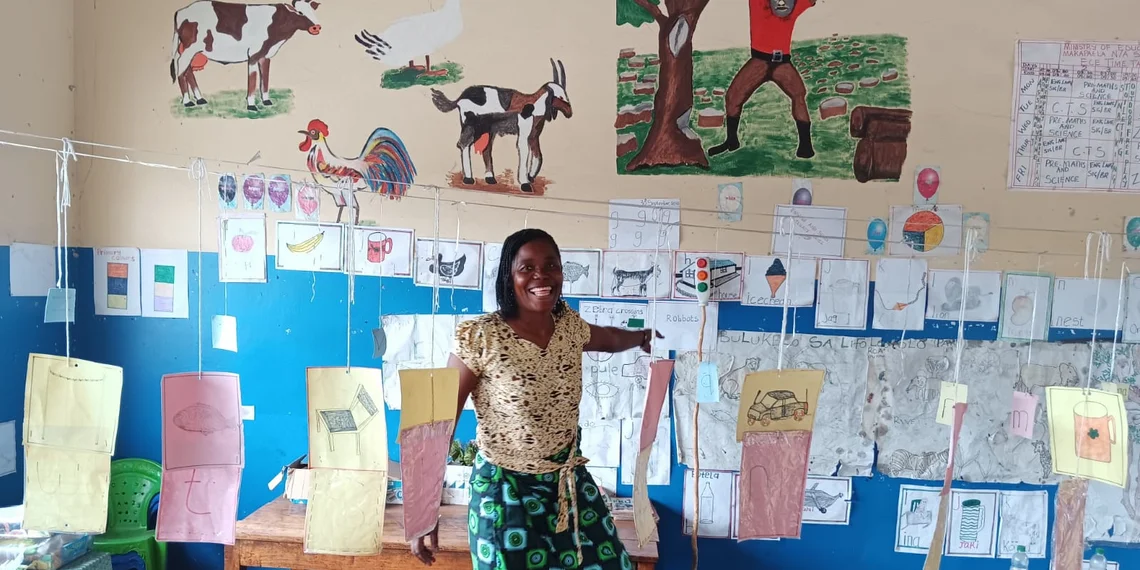
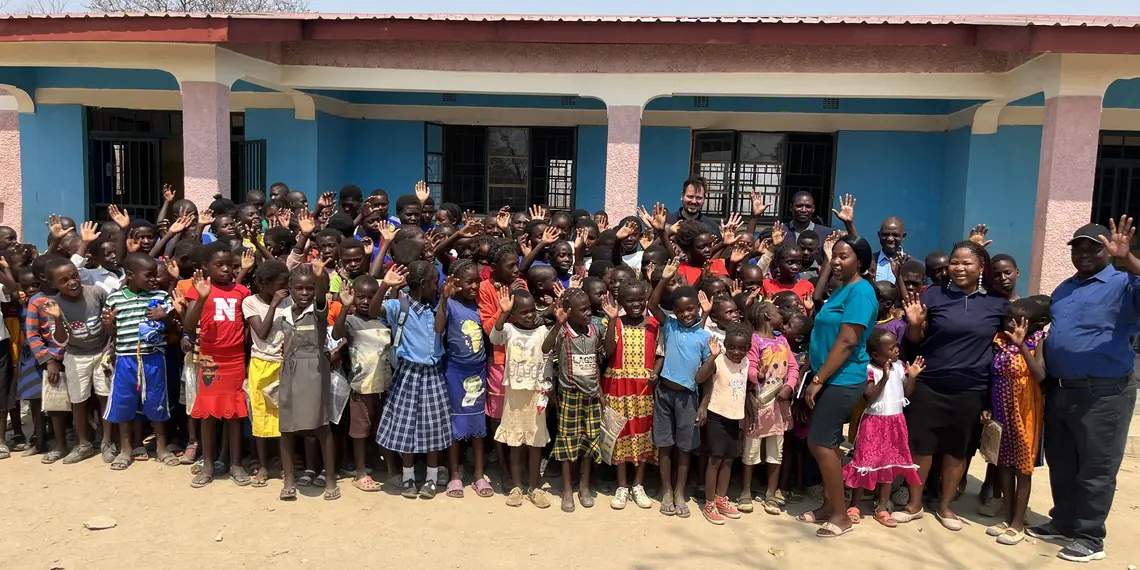
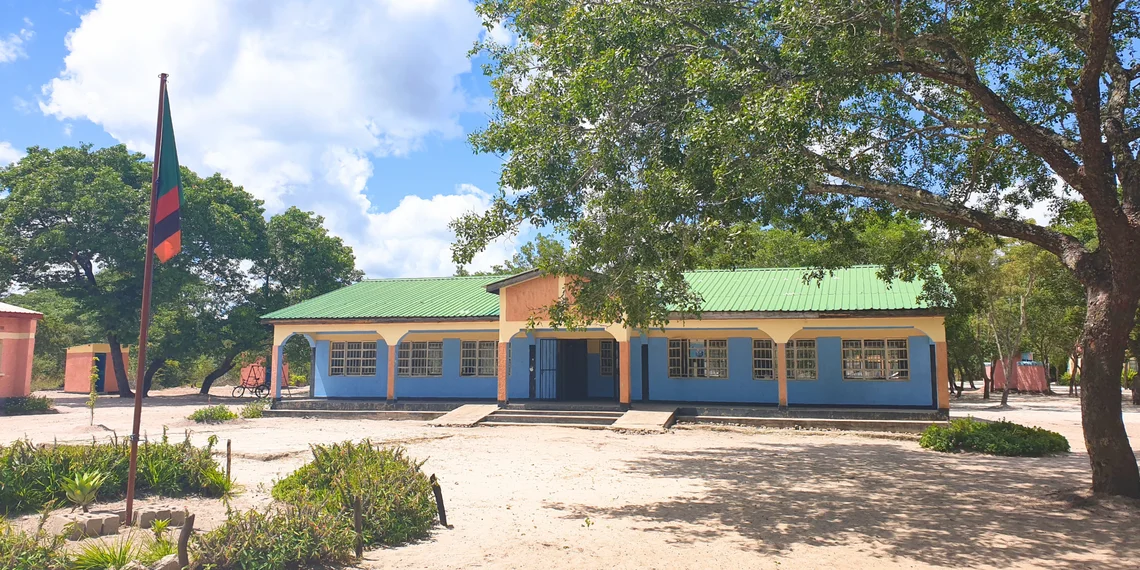
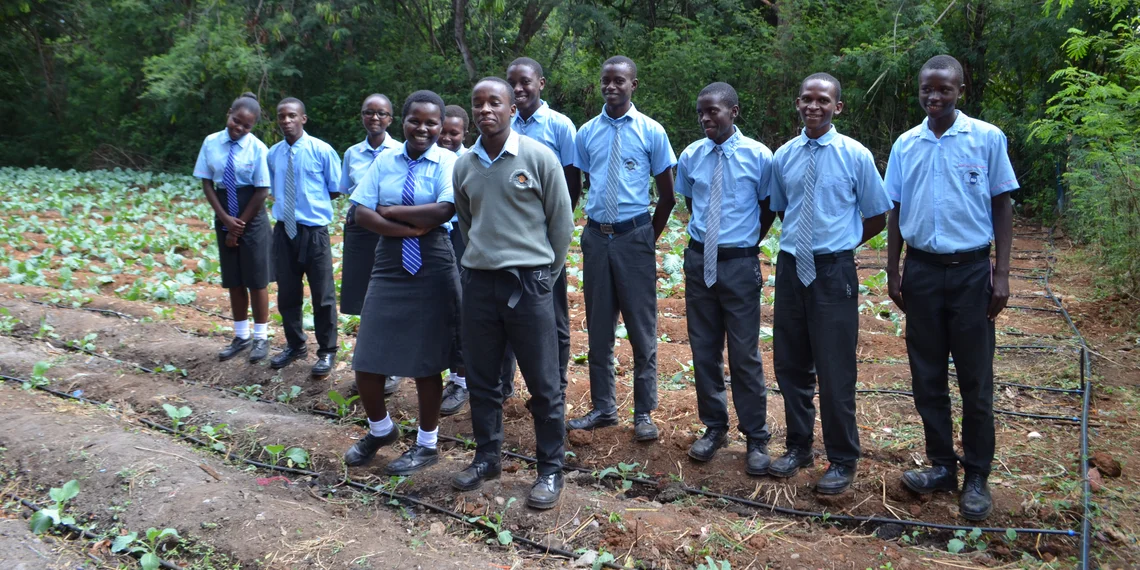
About 64 per cent of the project funds were used in Africa. This included just over 249,000 euros for effective water management in Kenya. The funds are used to make sustainable vegetable farming and fish farming possible, and to improve sanitation facilities in schools and villages, while also boosting income and ensuring food security. Around 374,000 euros went to Zambia for the project Schools Instead of Kilometres, which aims to improve access to schooling for 2,000 pupils in the remote regions of Ganda, Matenda, and Makapaela.
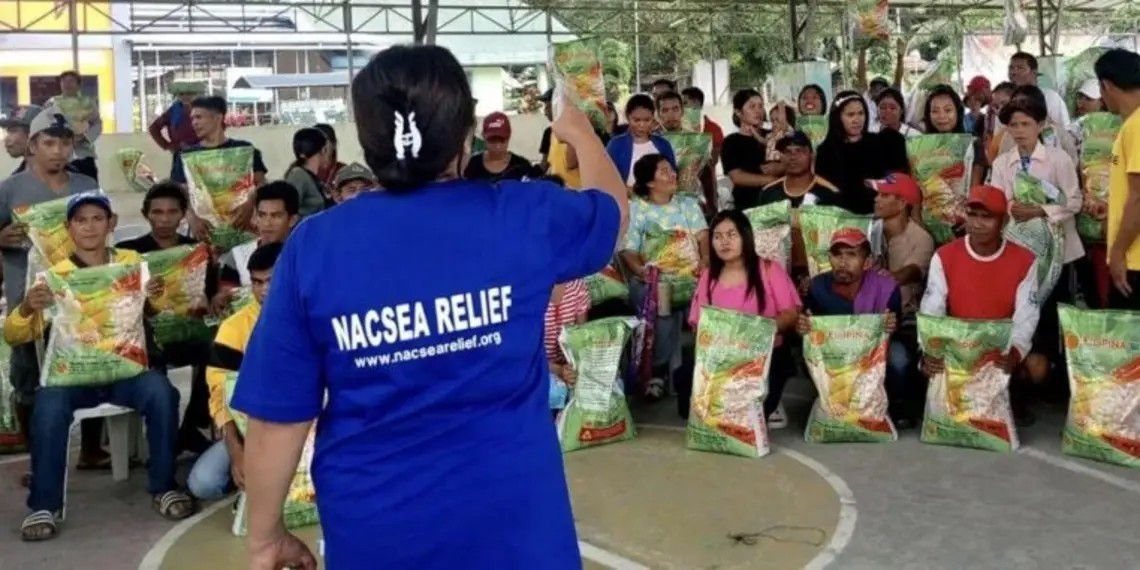
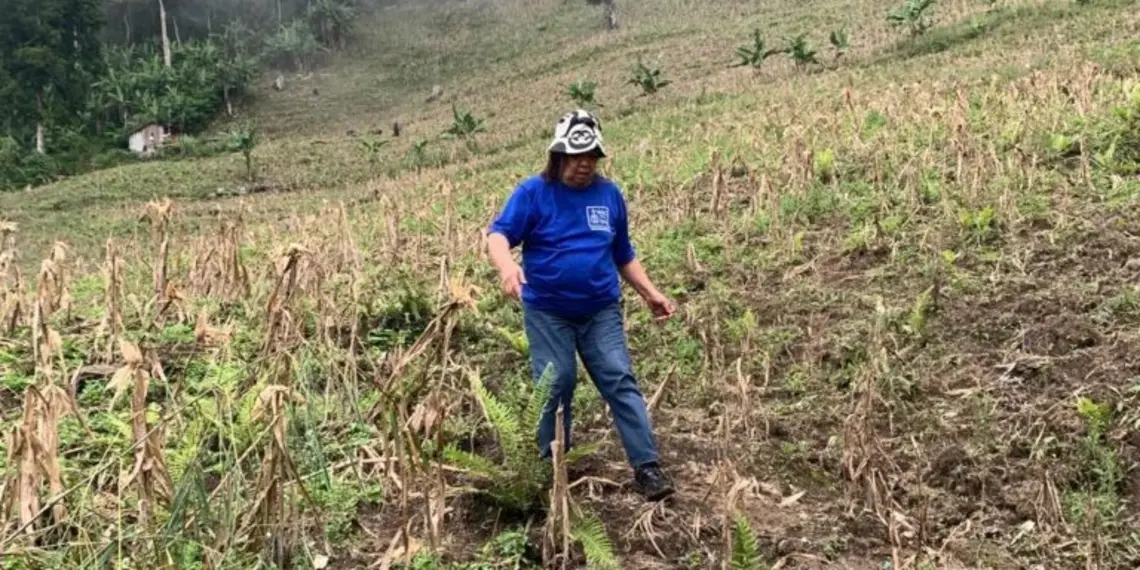
In Asia, almost 48,000 euros were channelled into disaster relief in the Philippines to secure the agricultural livelihoods of smallholder farmers in the districts of Lake Sebu and Glan in the SOCCSKARGEN region of Mindanao following a severe drought. In Armenia, the organisation provided funding of just over 77,000 euros to support livelihood security by increasing income through the establishment of micro-enterprises in the agricultural and skilled trades sectors.
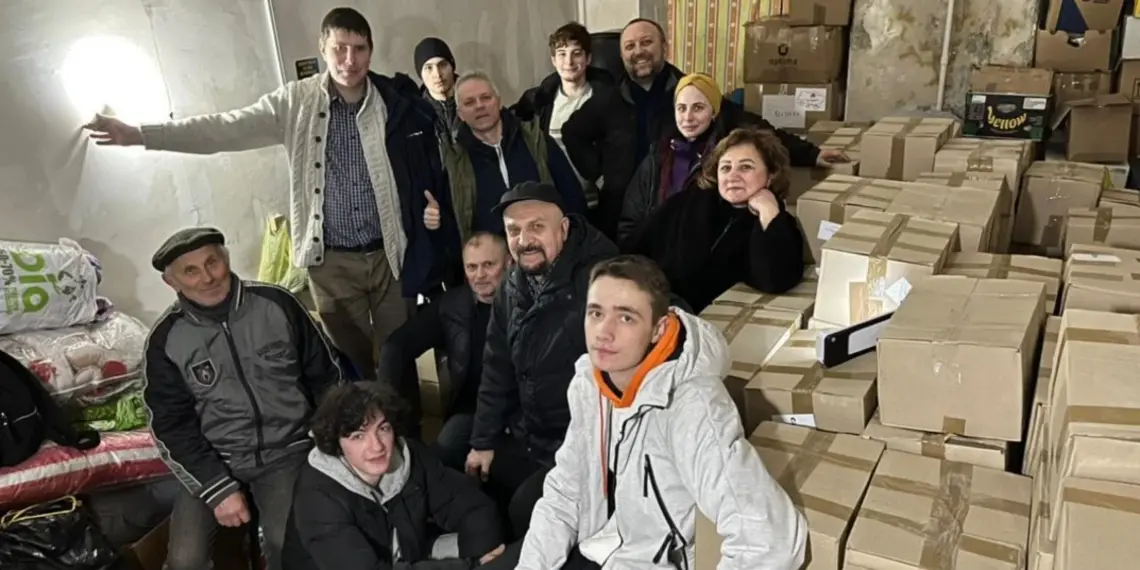
In Europe, NAK-karitativ supported people affected by the war in Ukraine, contributing around 367,000 euros for emergency aid, food, and psychological care and educational support. This also covered the care of the sick and wounded in twenty hospitals, as well as new accommodation and furniture for families who have lost their homes. The project Flood relief in Germany received just over 479,000 euros to improve the mental health of people affected by the floods in the Bad Neuenahr-Ahrweiler region.
Further expenses were incurred in the area of public relations, amounting to just over 91,000 euros, and in administration—totalling around 263,000 euros.
An optimistic outlook
Through the end of the 2025 financial year, the economic situation of NAK-karitativ was stable. Equity from assets and financial investments amounts to just over 8.6 million euros and provides a stable foundation for financing ongoing, multi-year, and future projects.
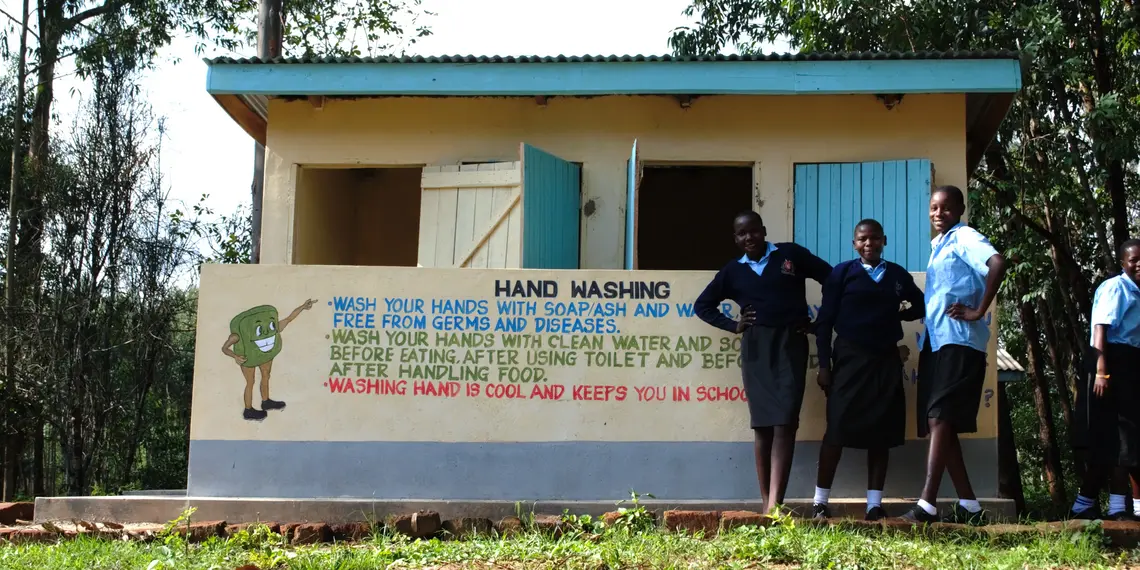
Photo: NAK-karitativ