




On 20 October, Europe turns the spotlight on statistics. The New Apostolic Church is also counting—members, congregations, and clergy. Following is a look at key figures, curiosities, and a WhatsApp channel that lets the numbers tell the story.
Every Sunday, the “Richard F” sets off on the water. The small white boat picks up around twenty members from their homes and takes them together to the divine service in the Delta congregation. It does not make the journey alone: its partner boat is named “Maranatha”.
This boat does not appear in any statistics. But its twenty passengers are counted nonetheless—as members of a congregation that belongs to a worldwide church.
A day set aside for statistics
European Statistics Day falls on 20 October. It was launched by the European Statistical Advisory Committee (ESAC) and was first observed in Budapest in 2016. It fills the years between the United Nations World Statistics Days, which fall on the same date but only take place once every five years.
The UN General Assembly proclaimed the first World Statistics Day on 20 October 2010—a date notable for its numerical sequence: 20.10.2010. The second took place in 2015 under the theme “Better data, better lives”. It was then that the United Nations established the five-year cycle. The most recent observance was in 2025, and the next is scheduled for 2030.
Official statistics are central to this process. Governments use them for planning, businesses make decisions based on them, and citizens use them to measure political promises. This only works if the data is collected independently, using sound professional methods, and in a transparent manner.
Why a church keeps track
Even a church needs reliable figures. Where are the congregations growing? Where is there a shortage of ministers? Into which languages does Church literature need to be translated? Where is help needed? Anyone who wants to know the answers to questions such as these must keep track of what is happening.
The New Apostolic Church International publishes key statistics pertaining to the Global Church on nak.org. As of 31 December 2025, the Church counted over 9 million members across nearly 200 countries. More than 87 percent of them live in Africa, 4.6 percent are at home in Asia, 4.5 percent reside in Europe, 2.5 percent live in the Americas, and 1.5 percent make their abode in Australia and Oceania. More than 233,000 ministers serve over 51,000 congregations, and there are 366 Apostles in active ministry around the world.
Figures such as these represent snapshots in time. New congregations are continually being founded, while others are merged. Members are constantly moving, and a certain number of ministers retire—the statistics shift from year to year, and even in the interim. That is why every figure must be associated with a specific reference date.
A closer look is also possible at the Regional Church level. These Churches maintain their own statistics for their respective countries and regions, and publish them regularly—for instance, in annual and business reports or on their websites. These sources provide facts, figures, and other data pertaining to local membership, congregations, and ministers. An overview of all Regional Churches, including links to their websites, is also available at nak.org.
The stories that statistics tell
Statistics can also tell a story. For instance, Kinshasa, the capital of the Democratic Republic of Congo, is home to around 1,700 New Apostolic congregations. If the responsible District Apostle were to conduct a service in each of them, he would be on the road for about sixteen years. Approximately a third of the Church’s global membership resides within the country’s two Regional Churches.
We could just as easily shift the conversation to communion wafers: if you were to stack up all the wafers the Church’s bakeries have produced to date, the result would be a stack around 600 kilometres high. That is thirty times the distance from the summit of Mount Everest to the bottom of the Mariana Trench in the Pacific Ocean.
nacfacts: figures at your fingertips
Since the beginning of 2026, such facts have also been directly accessible to smartphone users. Under the heading “nacfacts”, the New Apostolic Church International publishes infographics featuring facts and figures from the Global Church on its WhatsApp channel—available in English, German, French, and Spanish. The topics range from Church history to contemporary congregational life: the youngest Apostle, the first overseas journey by a Chief Apostle, and even the first video broadcast of a divine service.
There is no fixed schedule, and new posts appear at irregular intervals. Several thousand people are already following the channel. If you would like to join, you can find it here: WhatsApp-channel of the New Apostolic Church International.
The gallery accompanying this article displays a selection of the charts published to date. The figures shown reflect the status at the time of publication.
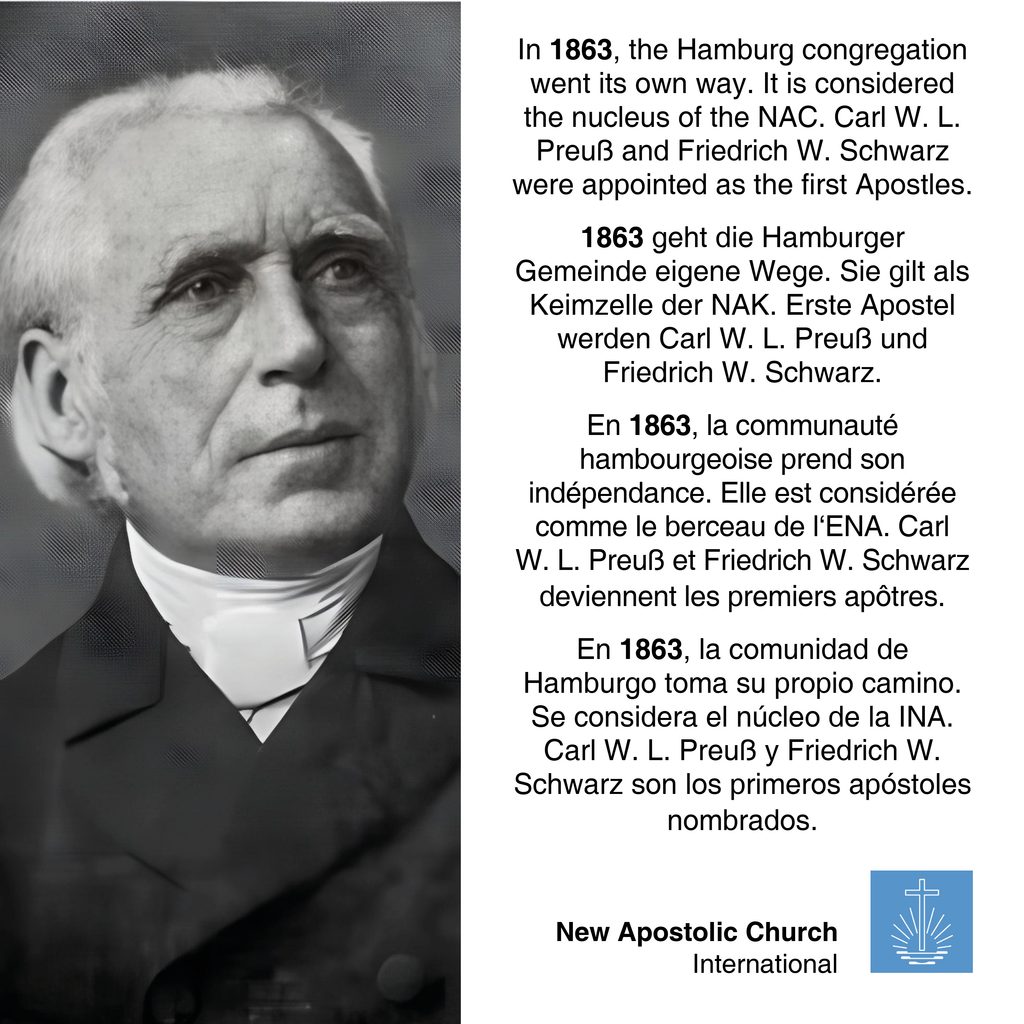
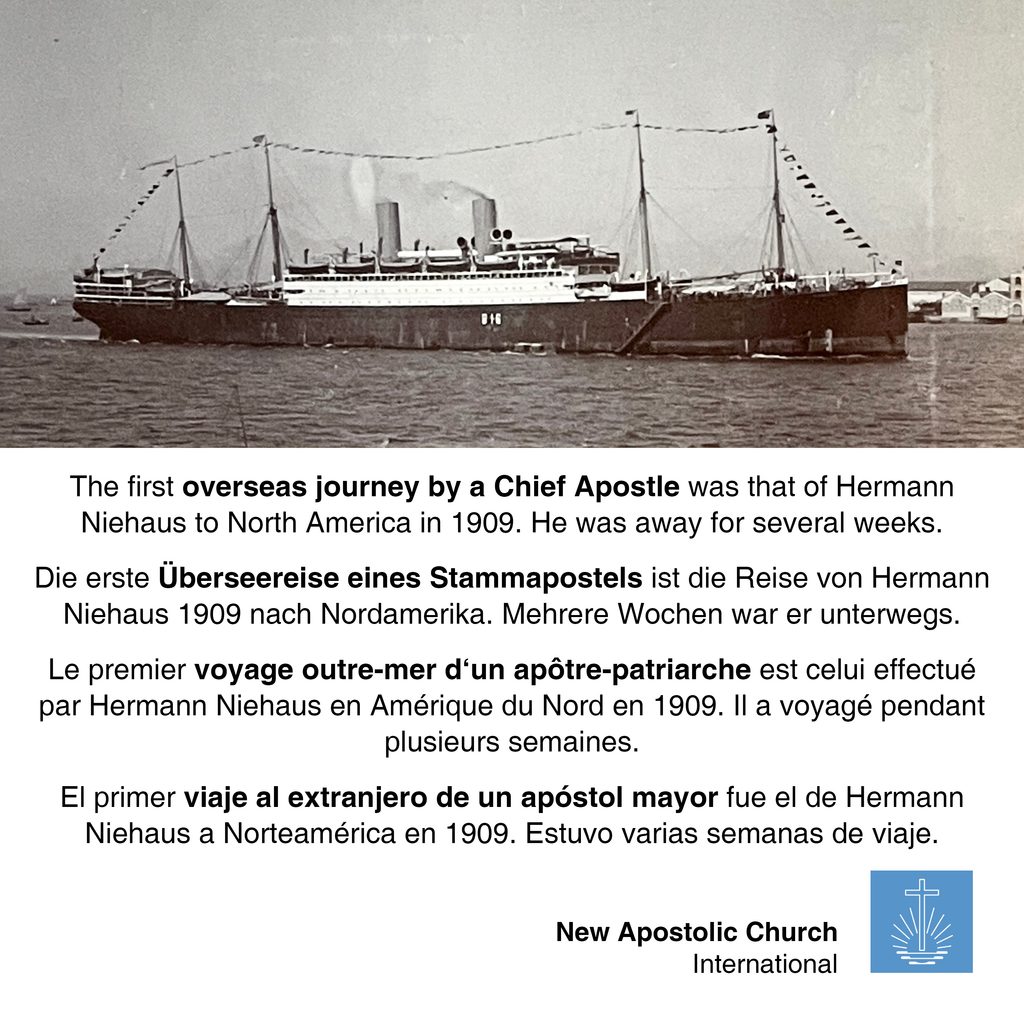
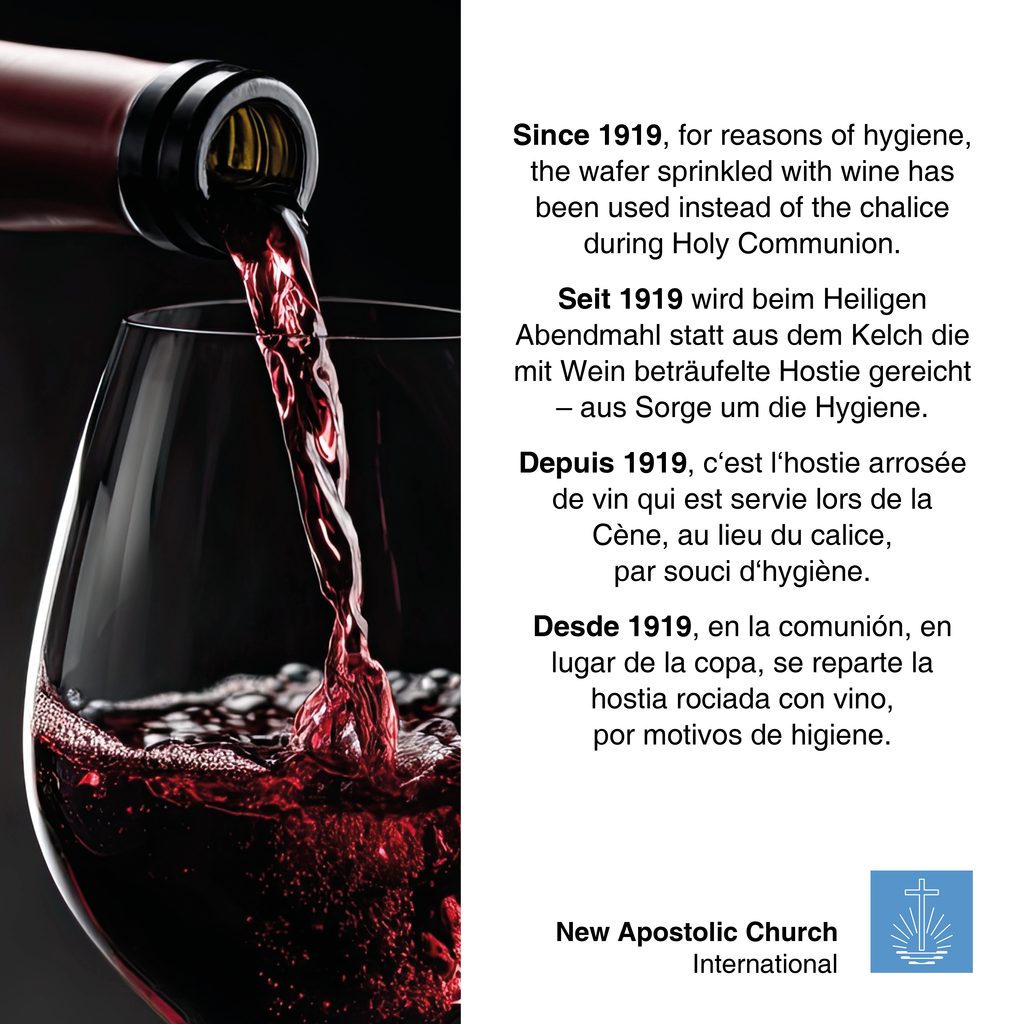
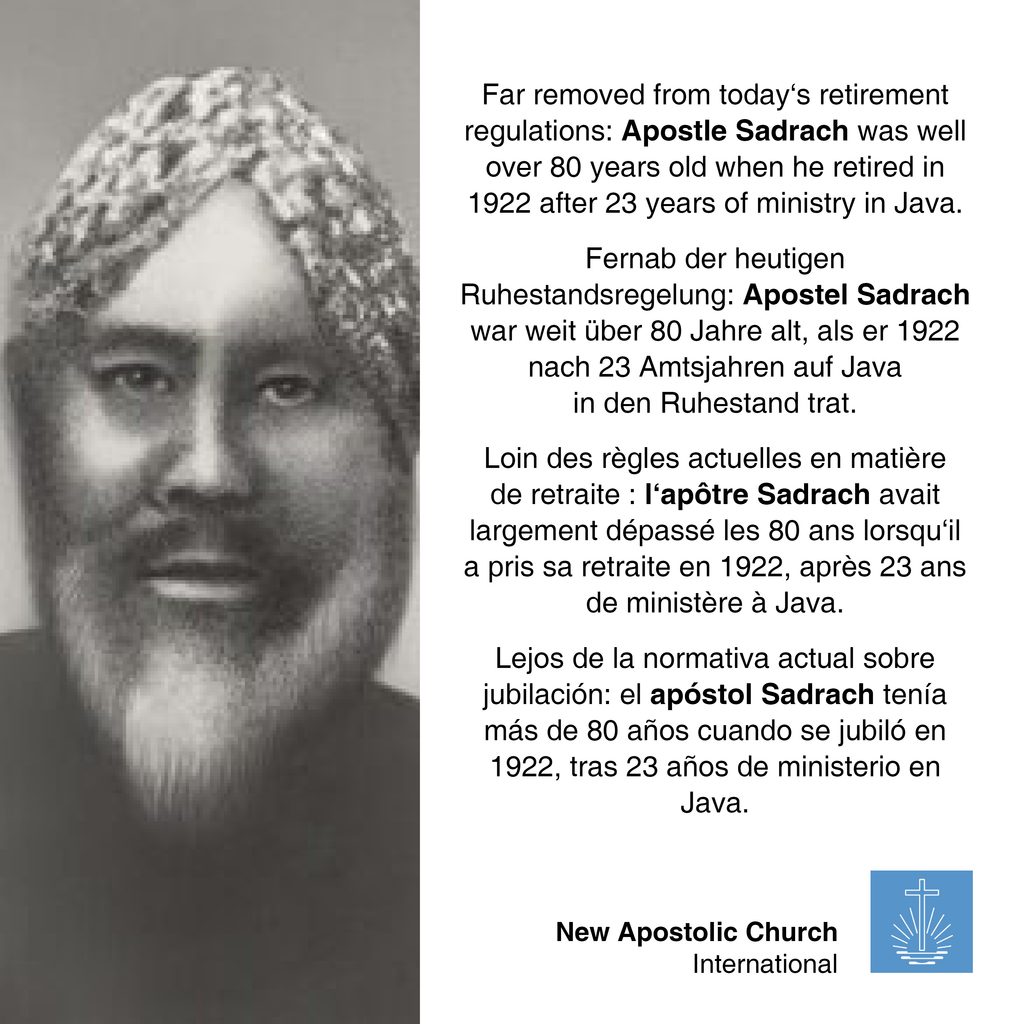
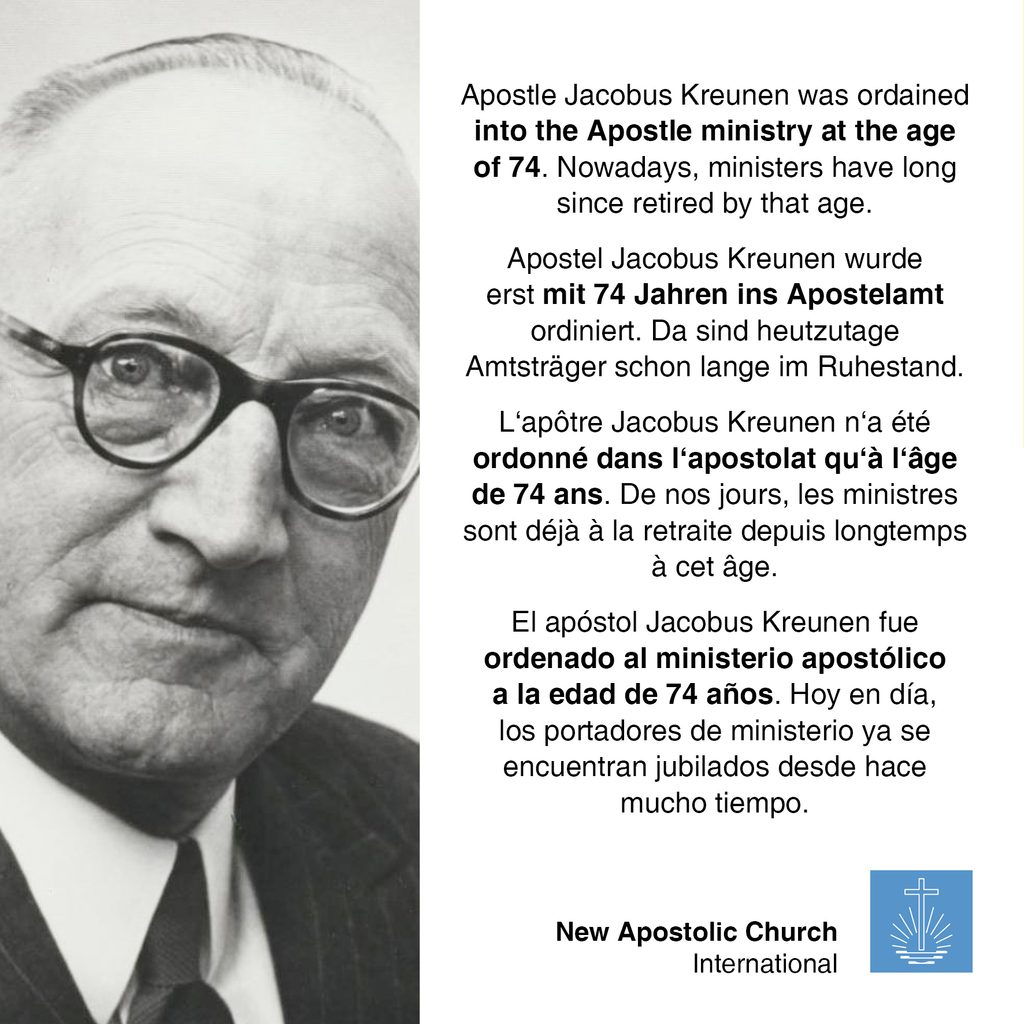
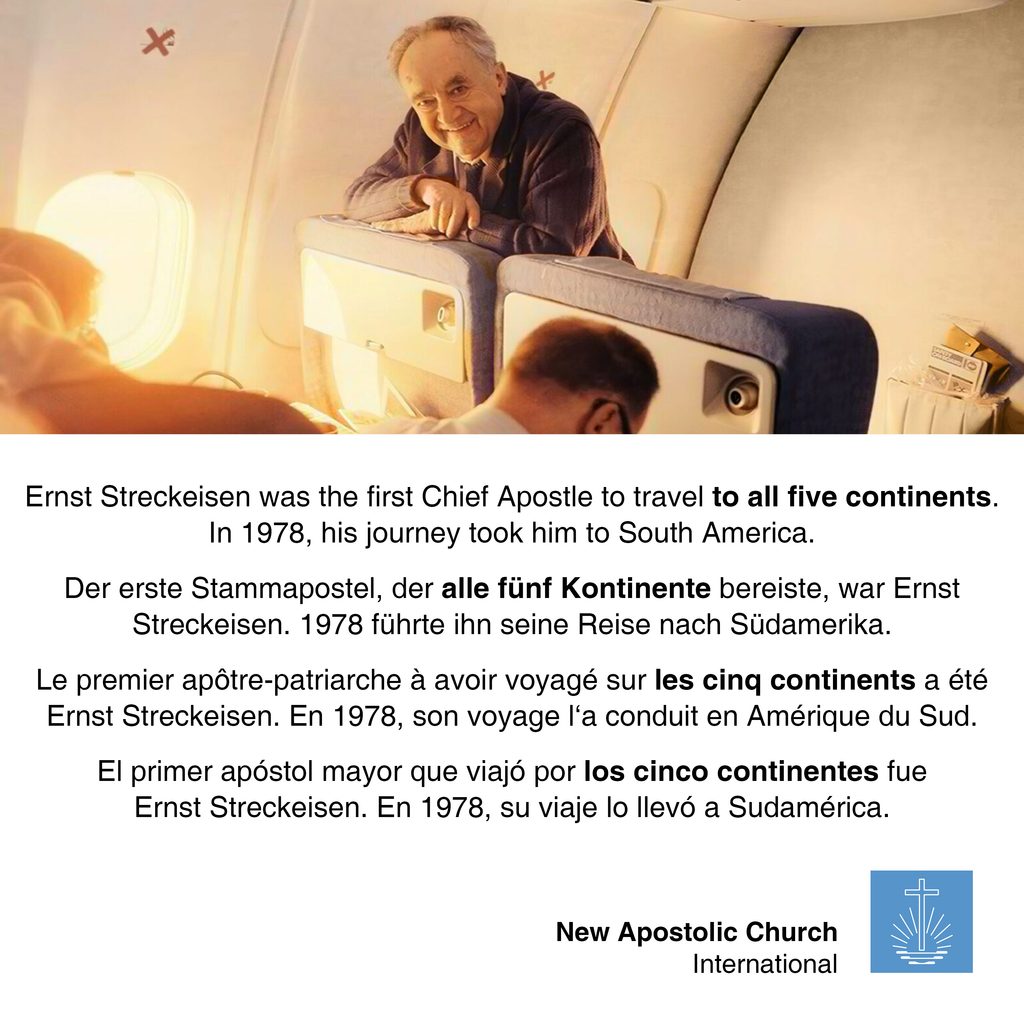
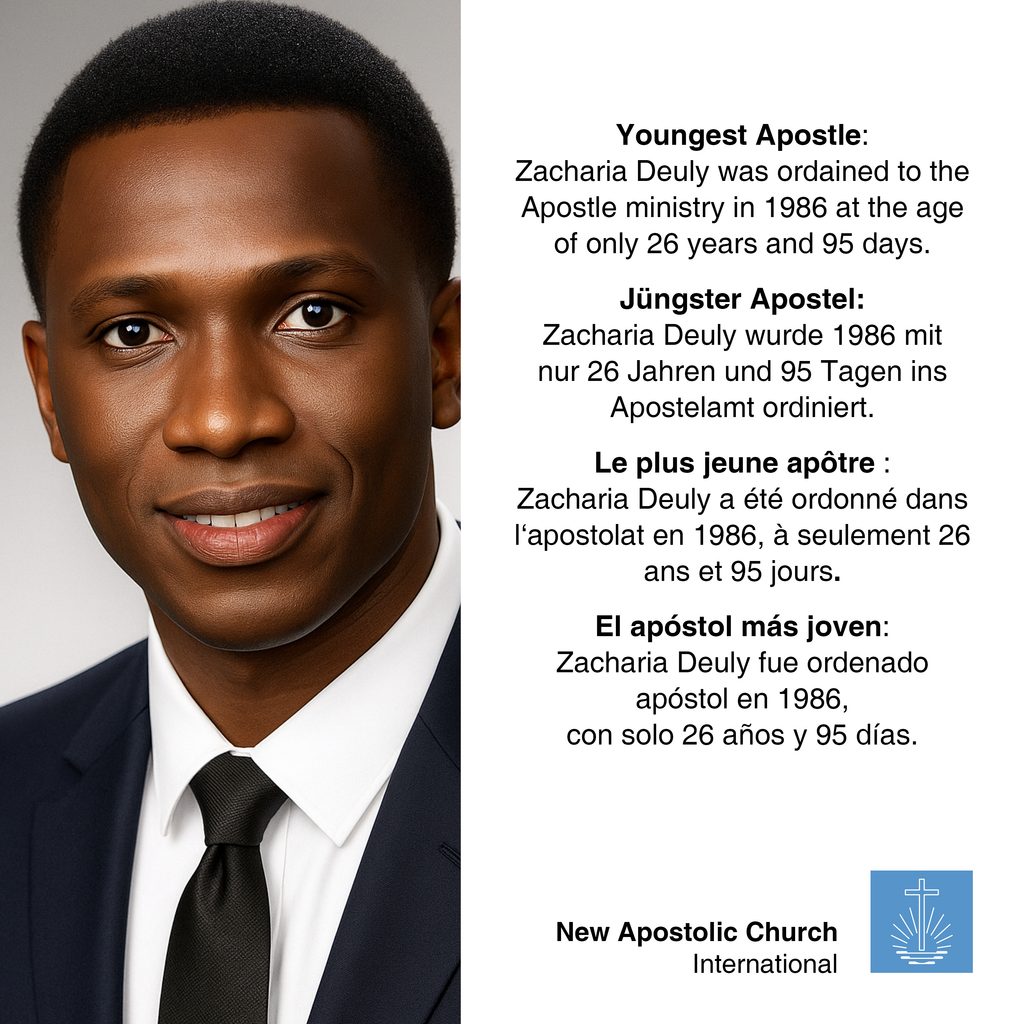
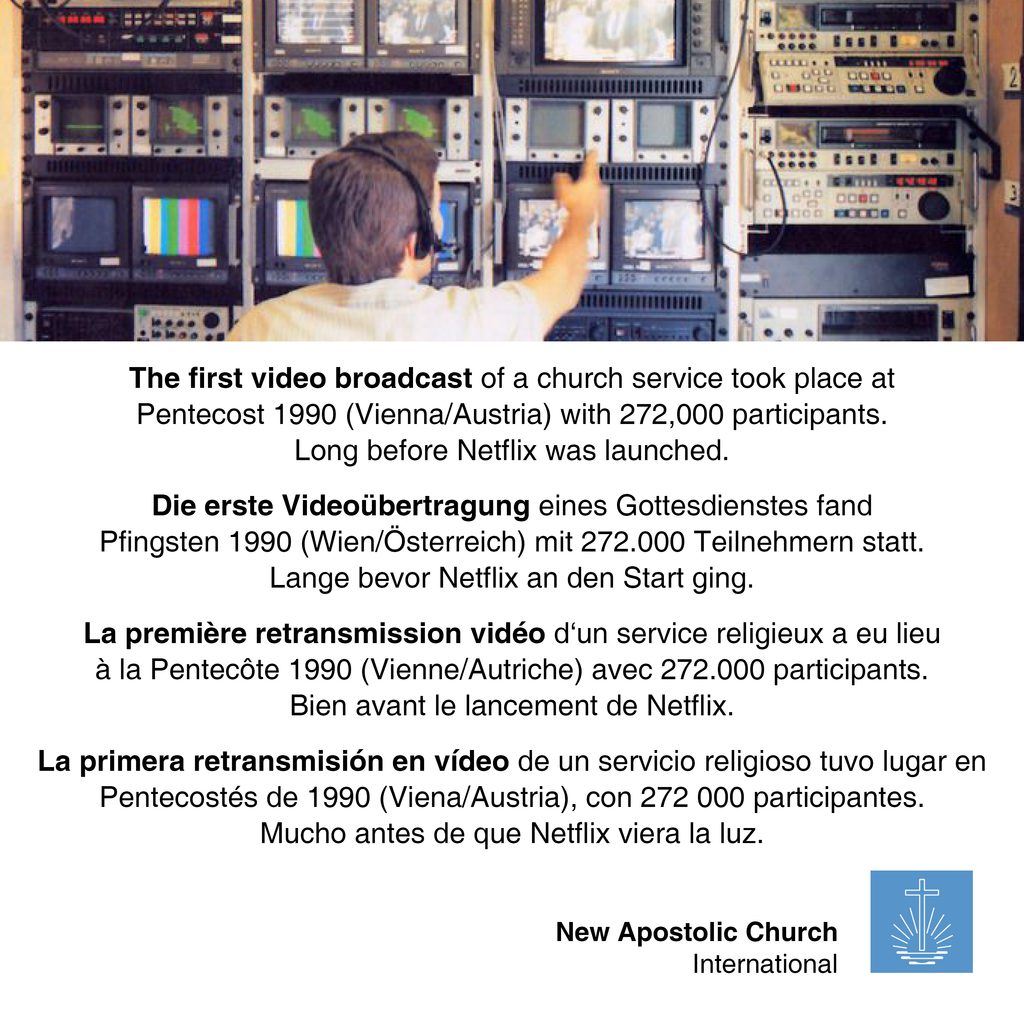
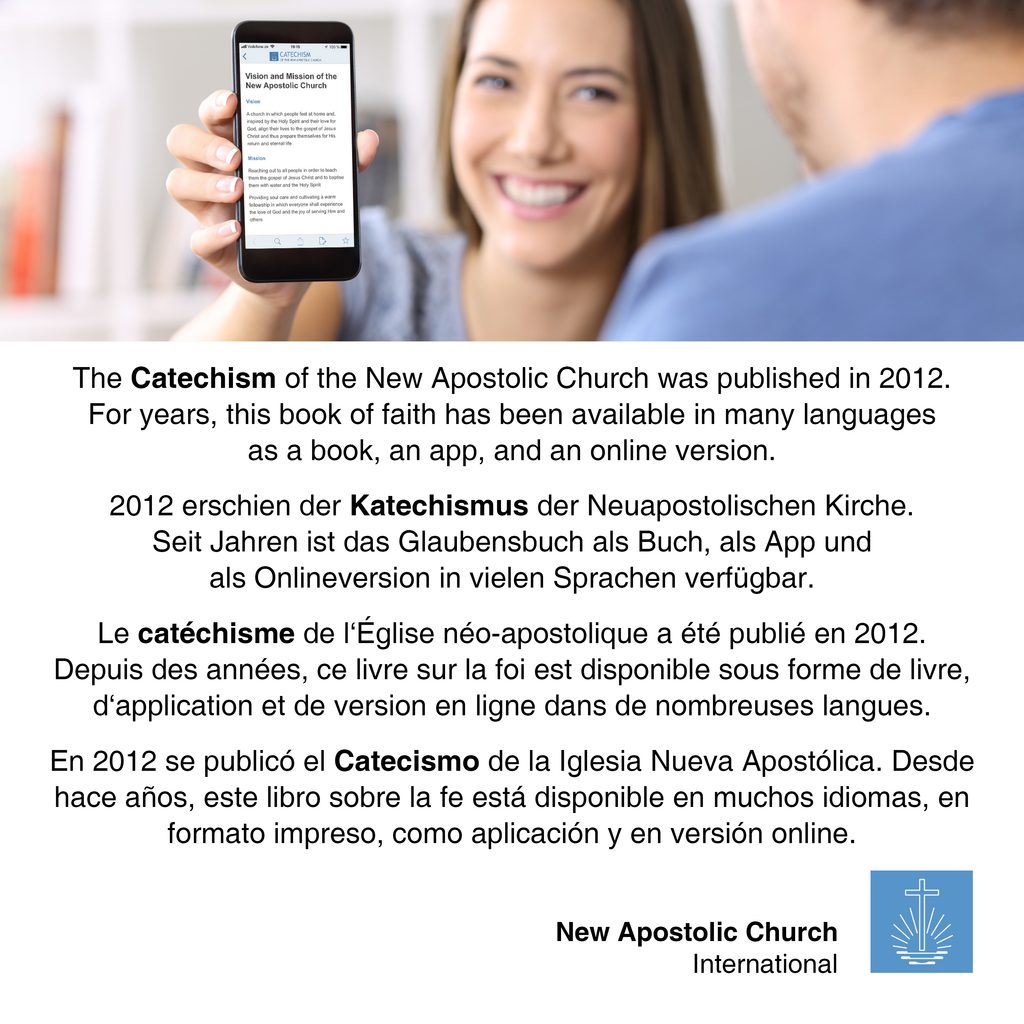
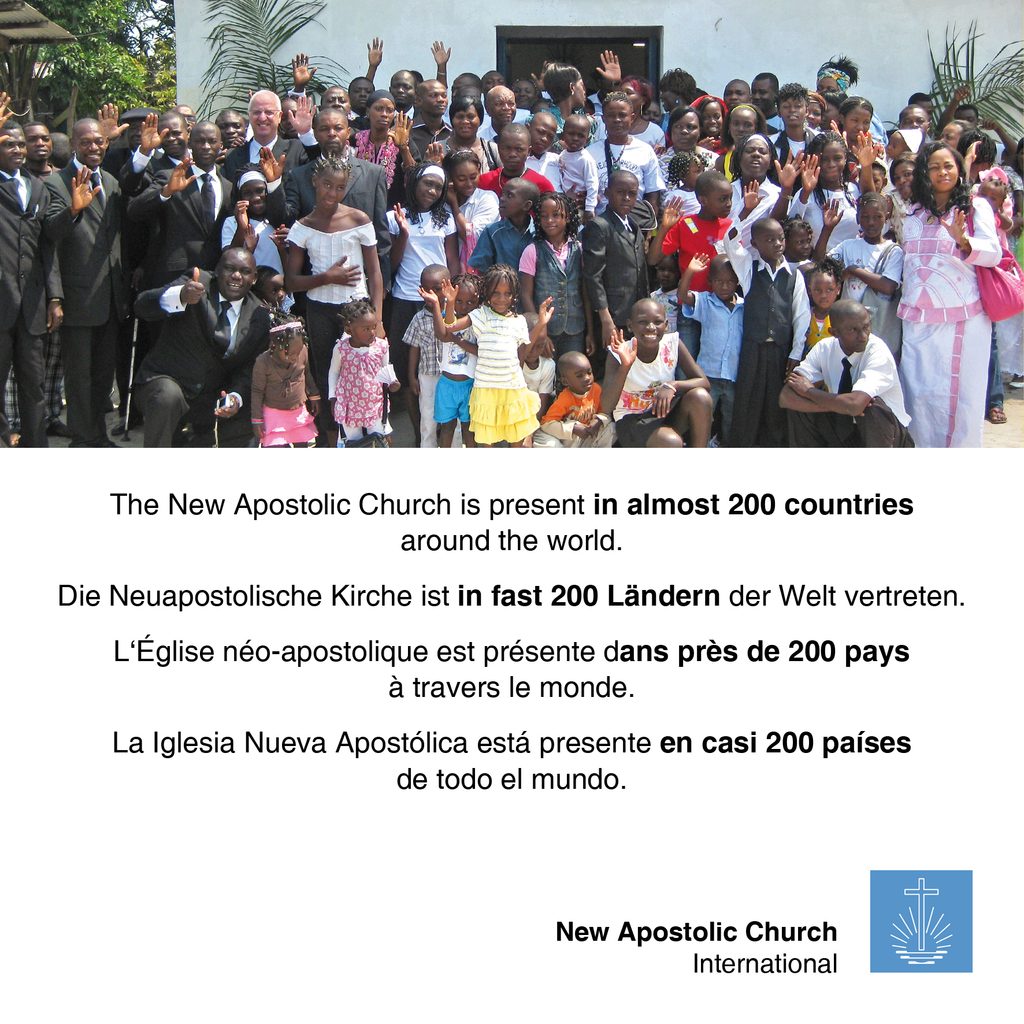
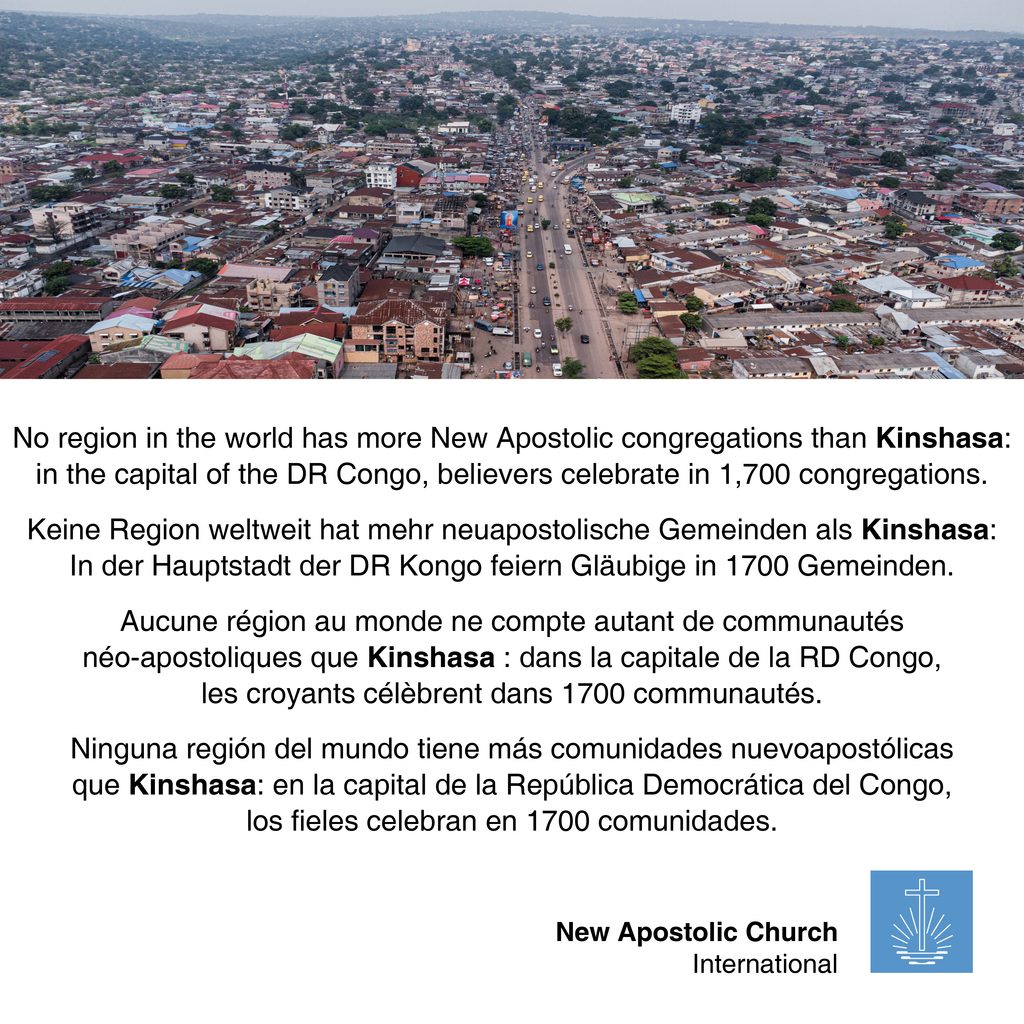
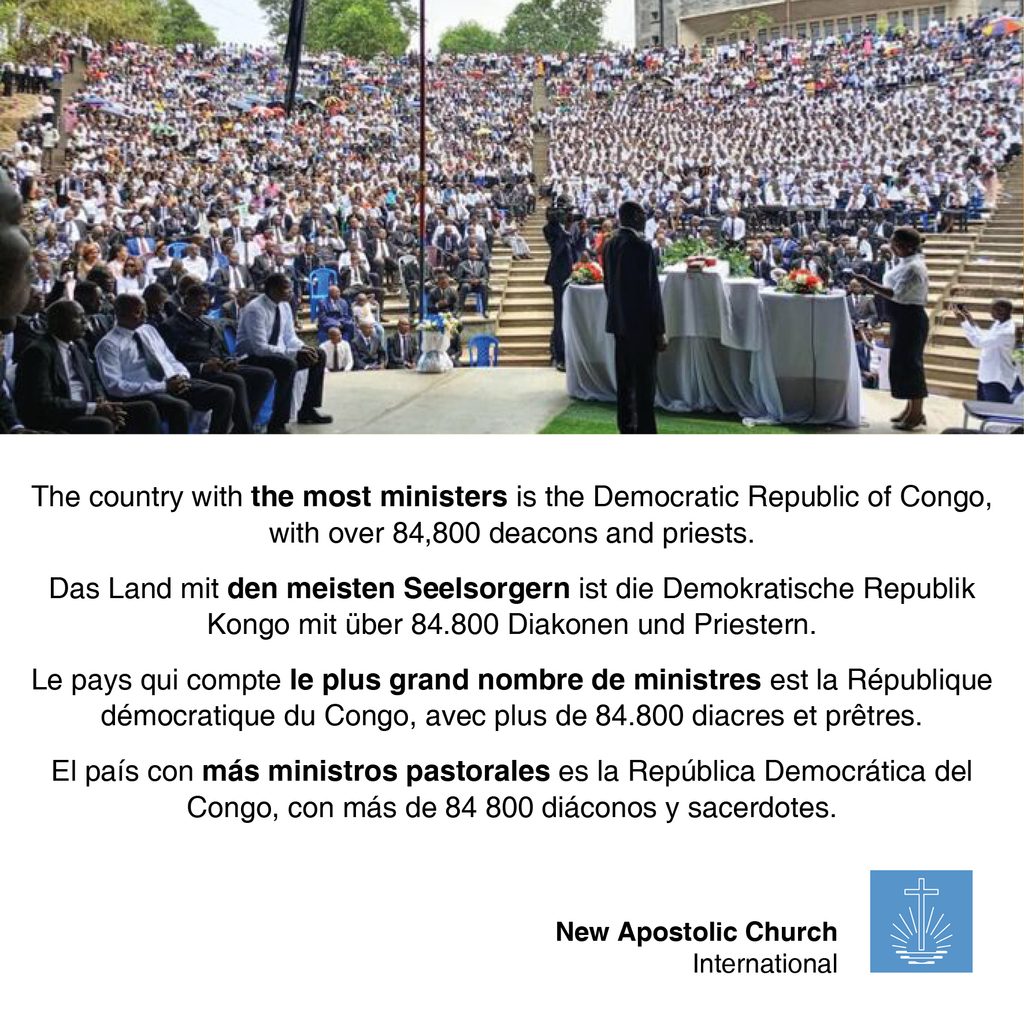
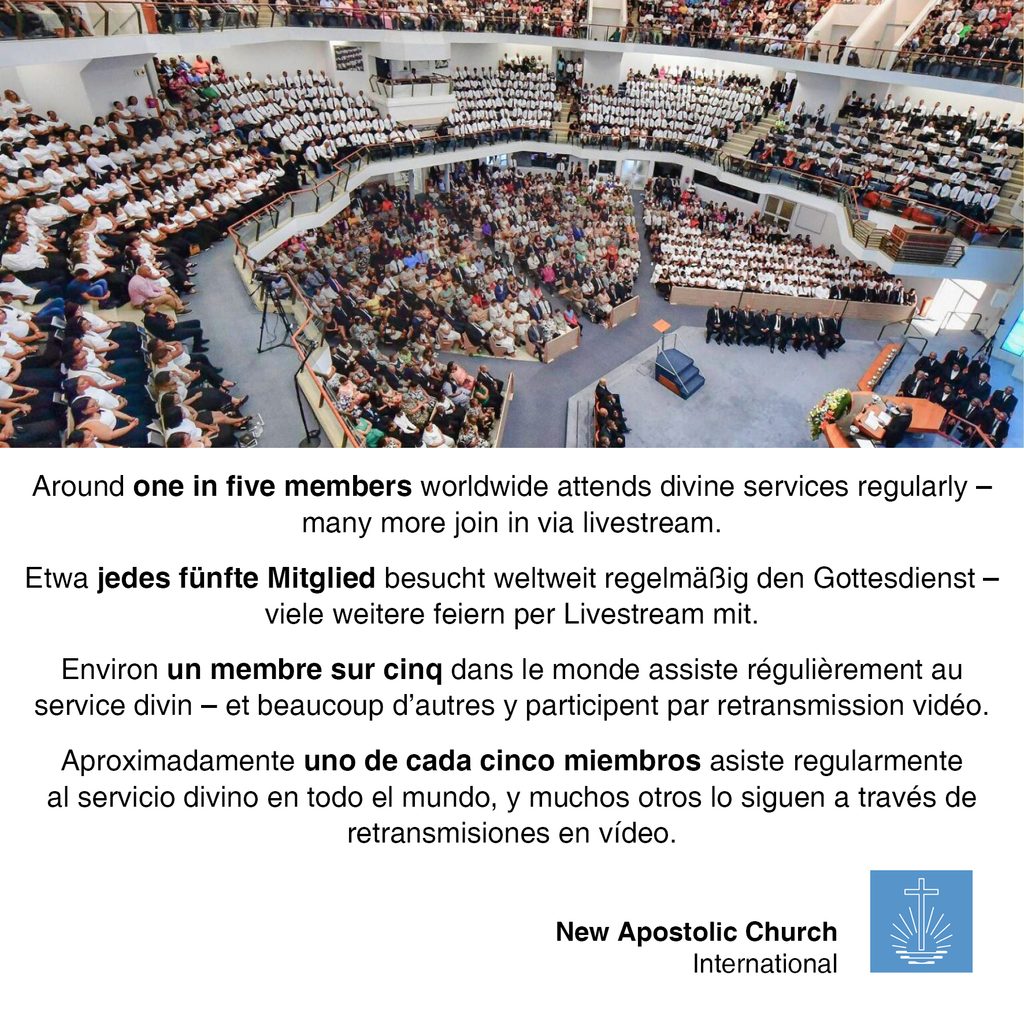
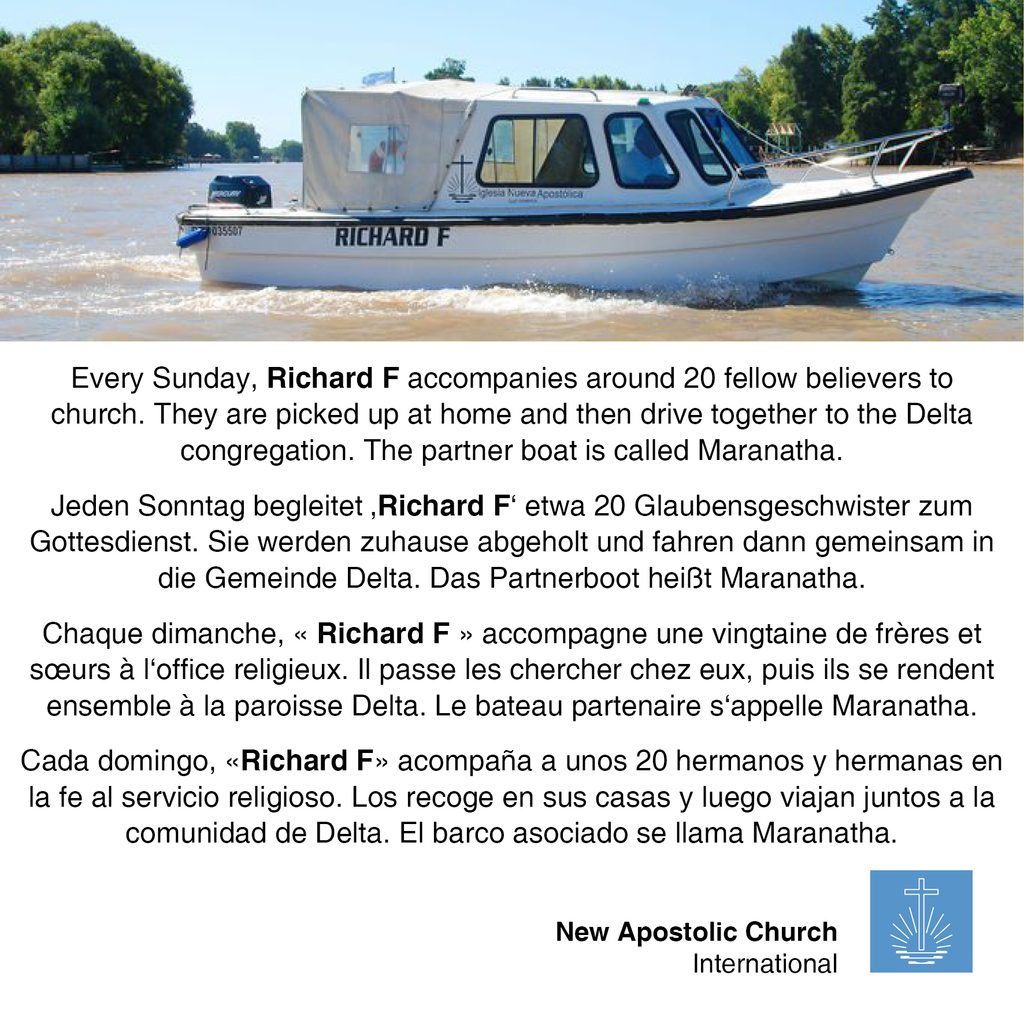
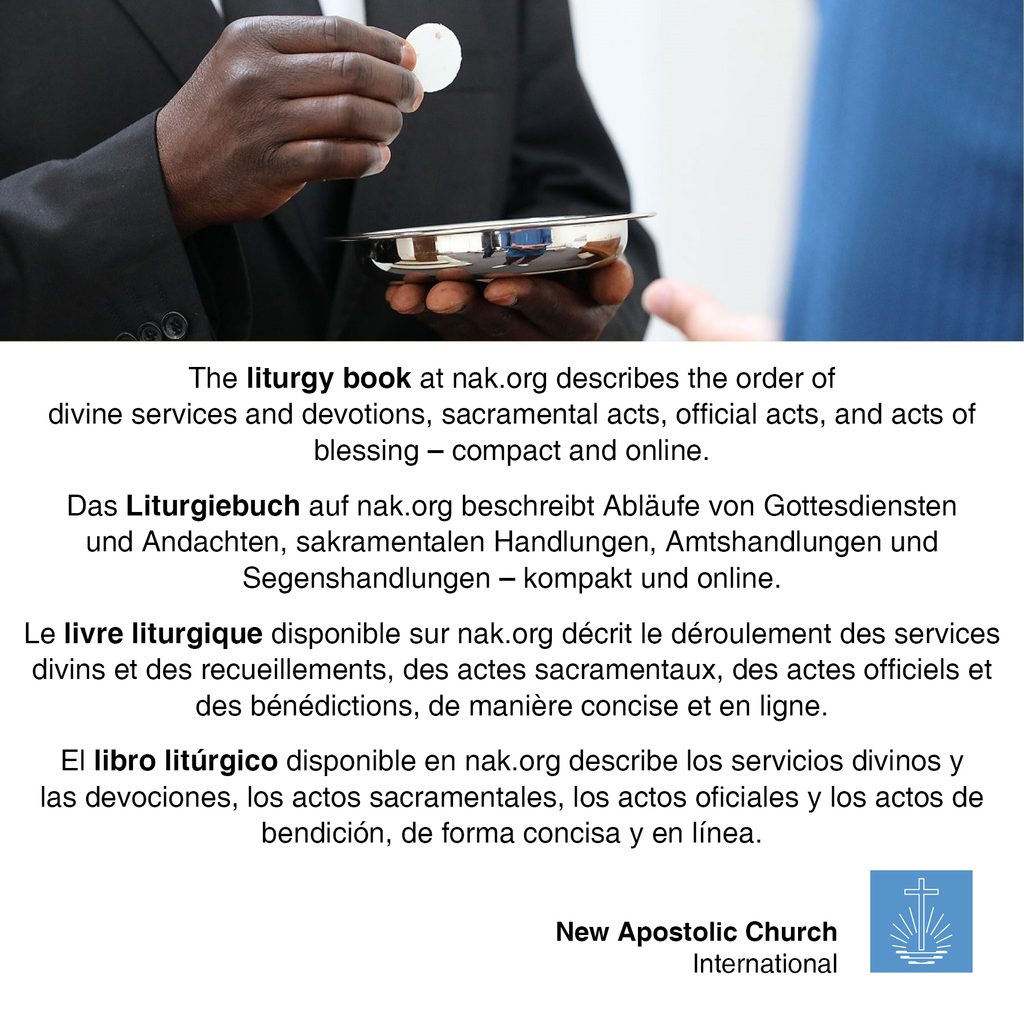
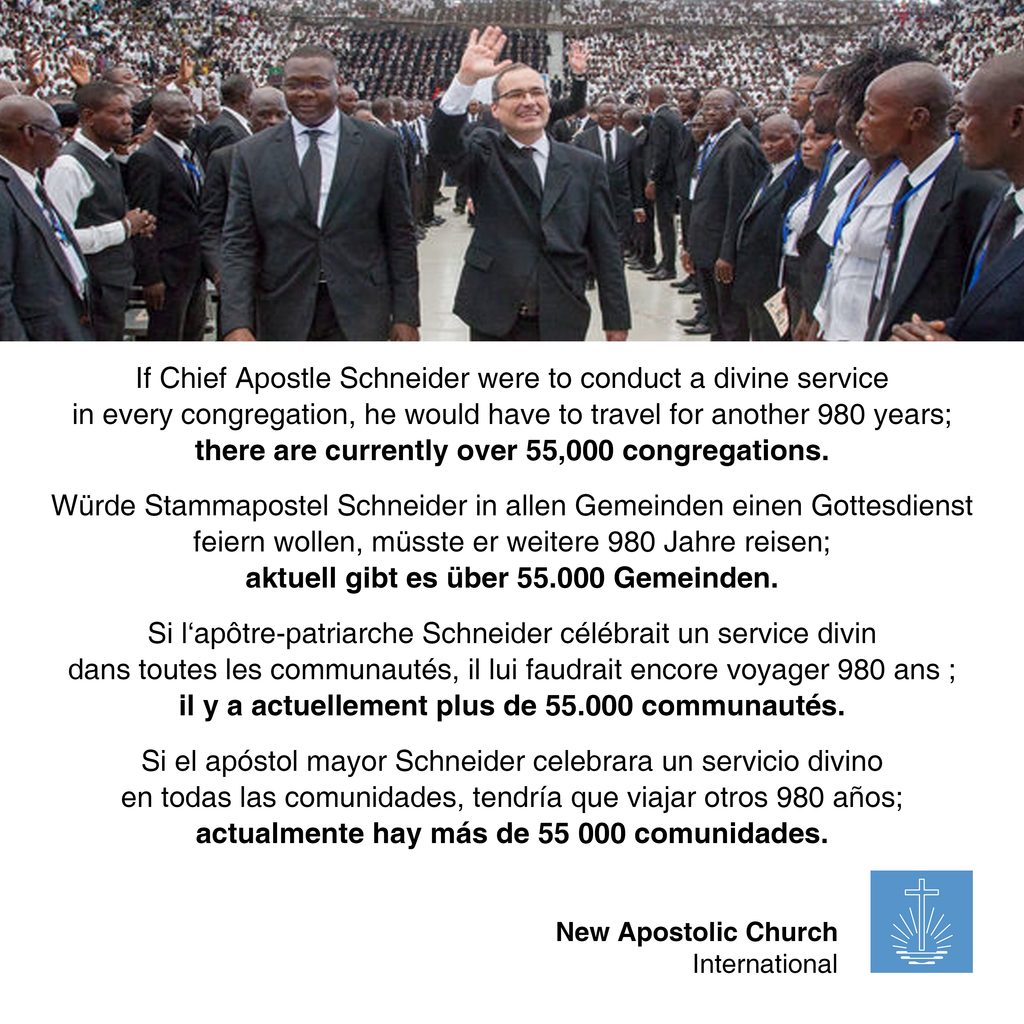
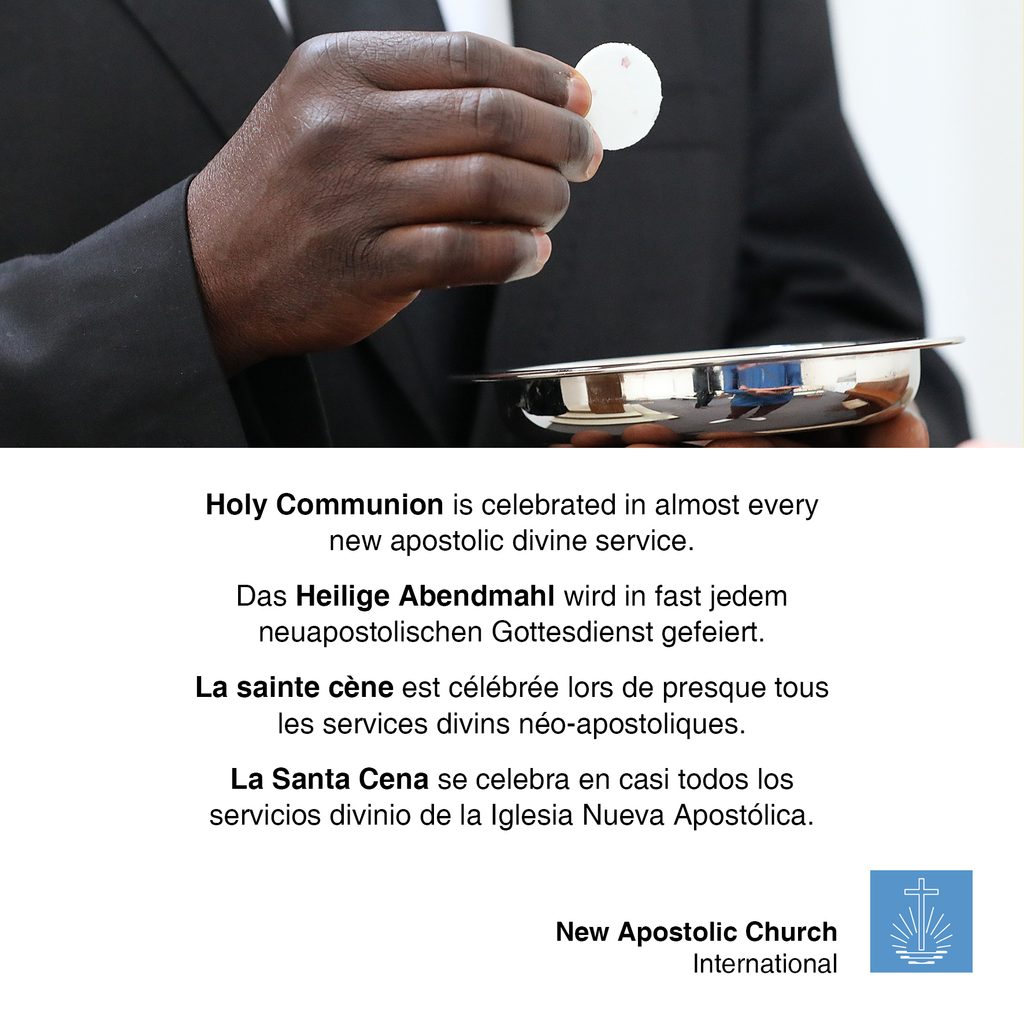
Photo: KI-generiert, NAKI