

February 23, 2026




“It’s time to do good!” This year’s motto is especially relevant for our children. This time we look at the question of how we can encourage our children in a positive way.
Children develop courage to the extent that they discover their inner strength, which in turn boosts their confidence in their own abilities. This process begins as soon as they climb the first flight of stairs.
Giving children positive reinforcement makes them proud and encourages them to expand their motor skills and their range of experience. By trying out new things, children experience success, learn to accept their limits, and can learn from their mistakes.
Courage thrives on encouragement and the basic need of every human being to be loved and valued. Children who experience a lot of criticism and little reinforcement in their immediate environment lose faith in themselves. On the other hand, those who feel accepted can learn to accept their own strengths and weaknesses. It is important to remember that courage can also mean not doing something, clearly defining your own limits, and not being ashamed of it.
By setting an example, parents can show children how courage can be distinguished from overconfidence, and how they can find a good balance between courage and accepting their own limits.
Six magical phrases that will encourage children.
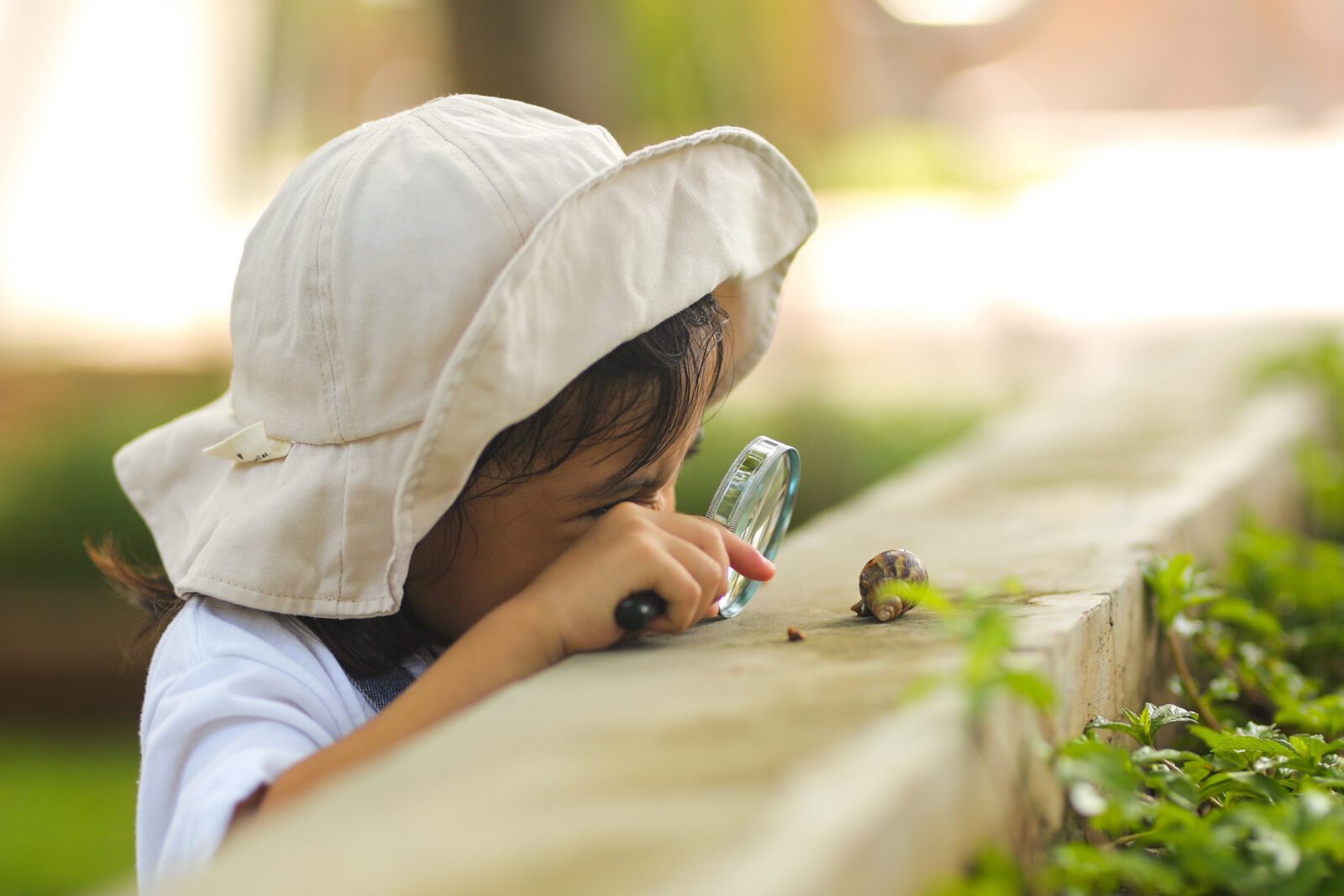
Foto: millaf – stock.adobe.com
About the author

Natascha Wolf is a teacher and principal at a primary school. She has three children. She is also a Sunday School teacher and conductor of the district children’s choir in Rottweil, Germany.