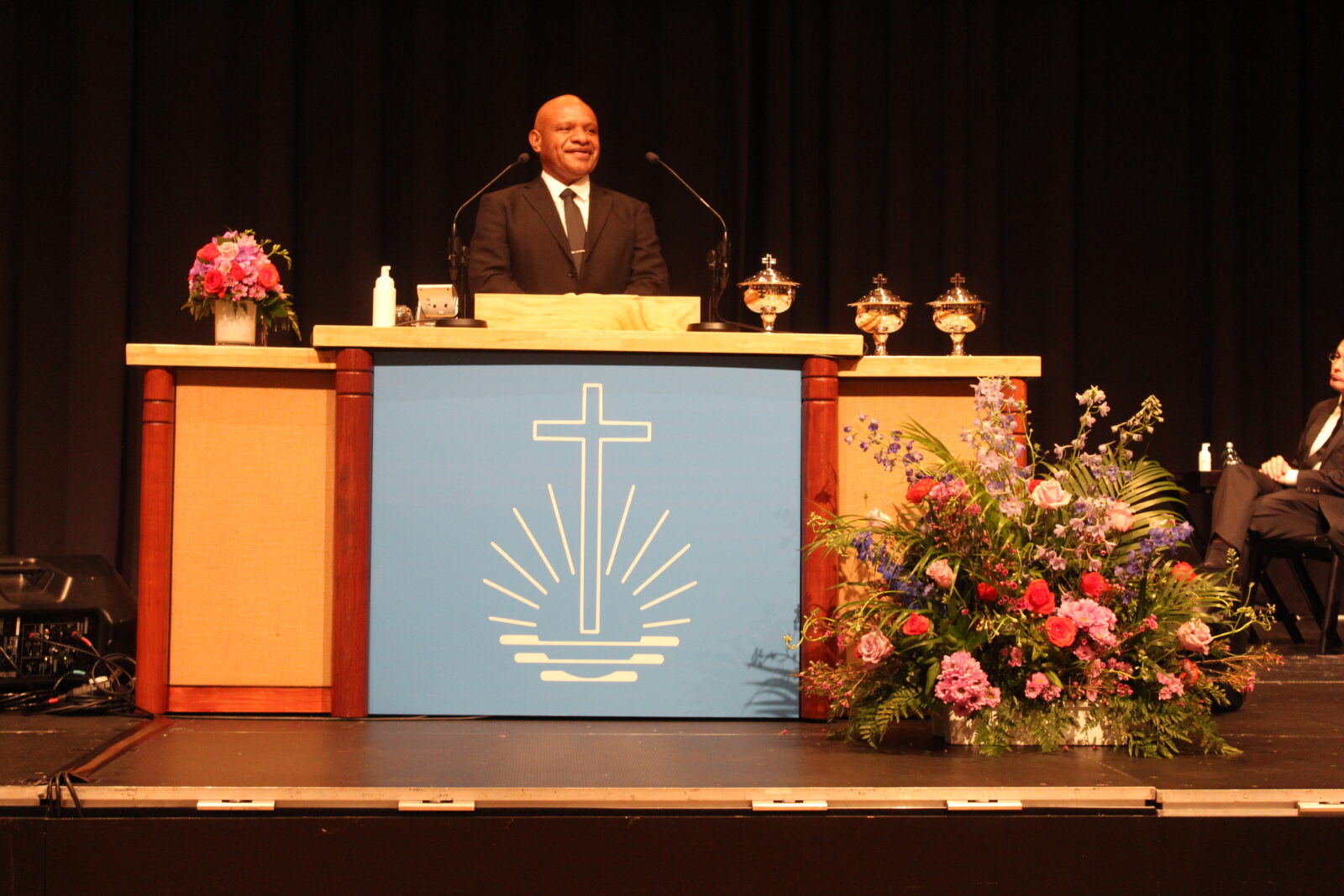



A shepherd who waits for the sheep to come him? “Unthinkable,” says the Chief Apostle in Auckland. He outlines seven characteristics of good shepherds, including a piece of advice he once received from a minister.
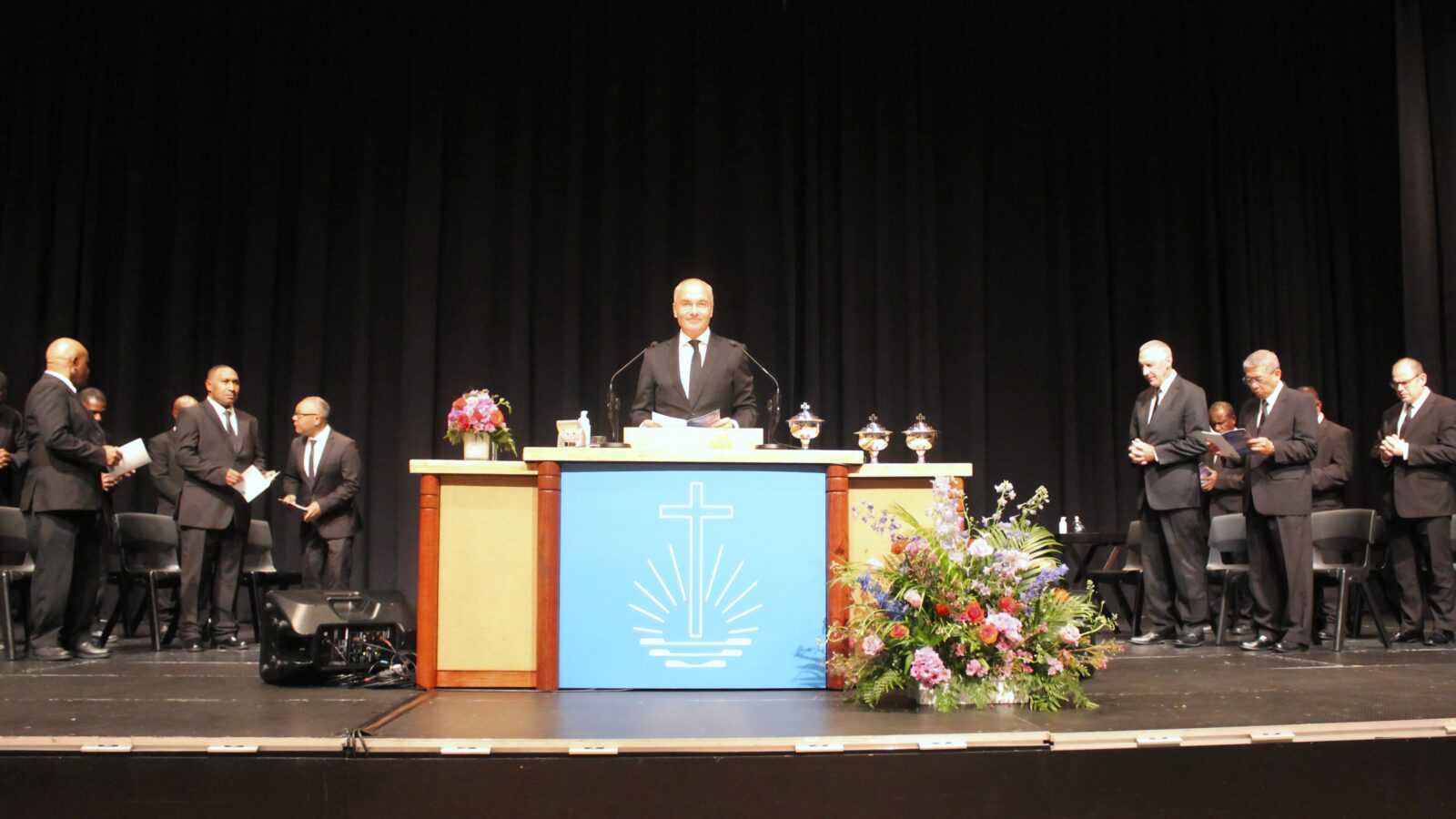
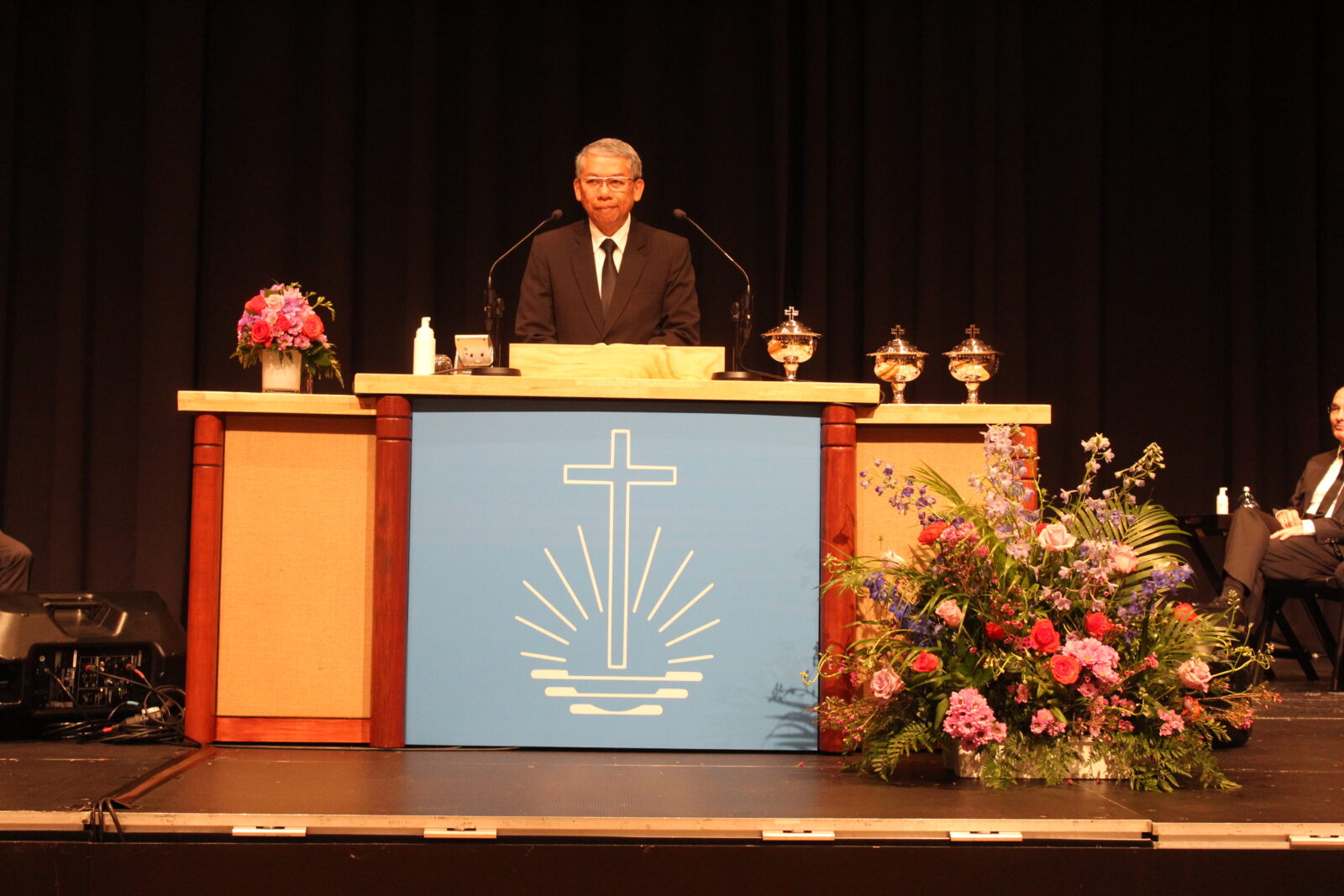
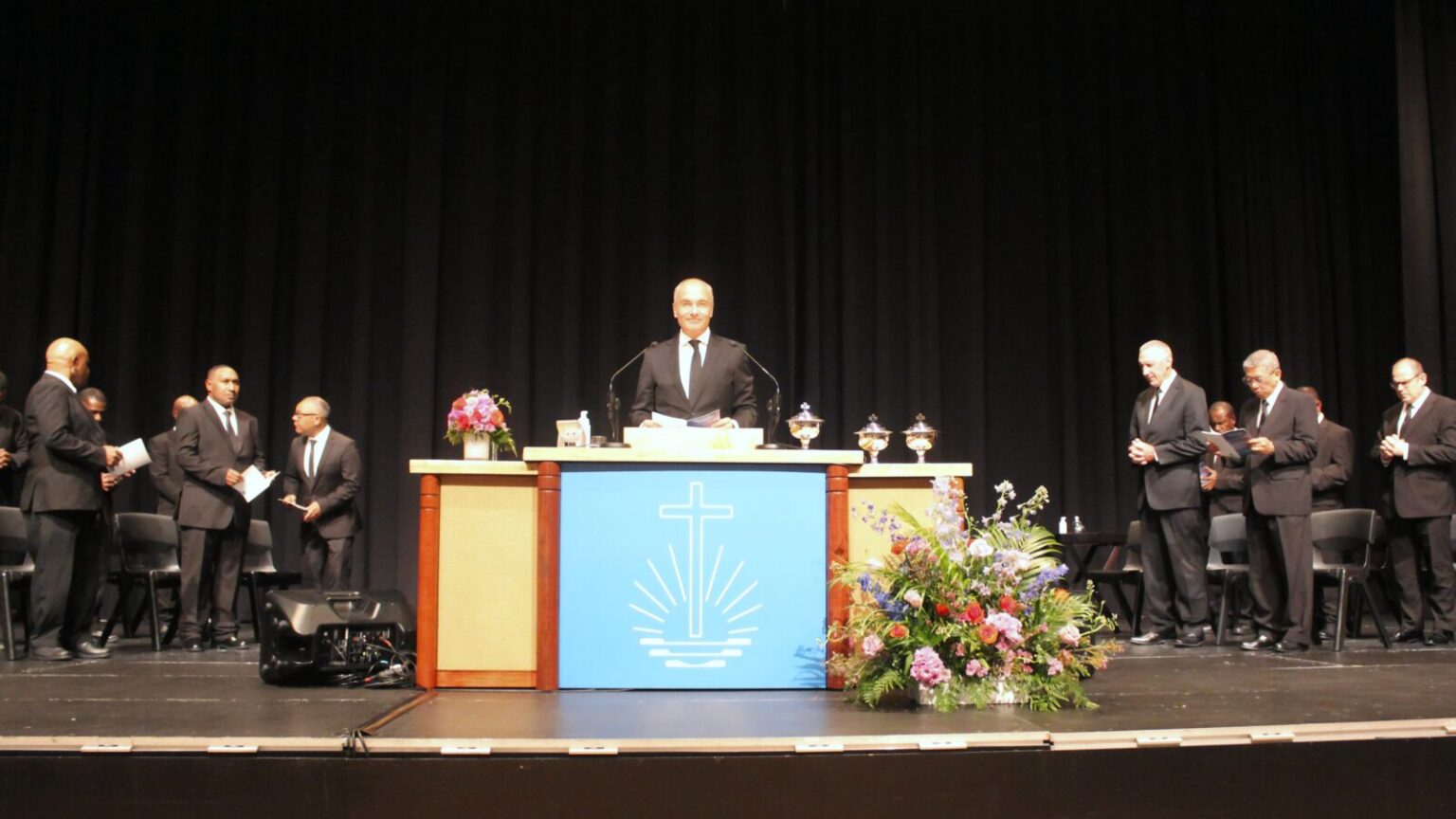
On 10 and 11 October 2026, Chief Apostle Helge Mutschler visited Auckland in New Zealand (District Apostle Area Western Pacific). For the members of the congregation there, it was one of the first opportunities to experience the Church leader following his ordination on Pentecost. He was accompanied by District Apostles Peter Schulte (Western Pacific) and Edy Isnugroho (South-East Asia), as well as almost all the Apostles from the Western Pacific region. Congregations throughout the district participated in the festive divine service on Sunday via broadcast. On Saturday morning, the Chief Apostle met with young people from New Zealand, Australia, and Samoa in the centre of Auckland.
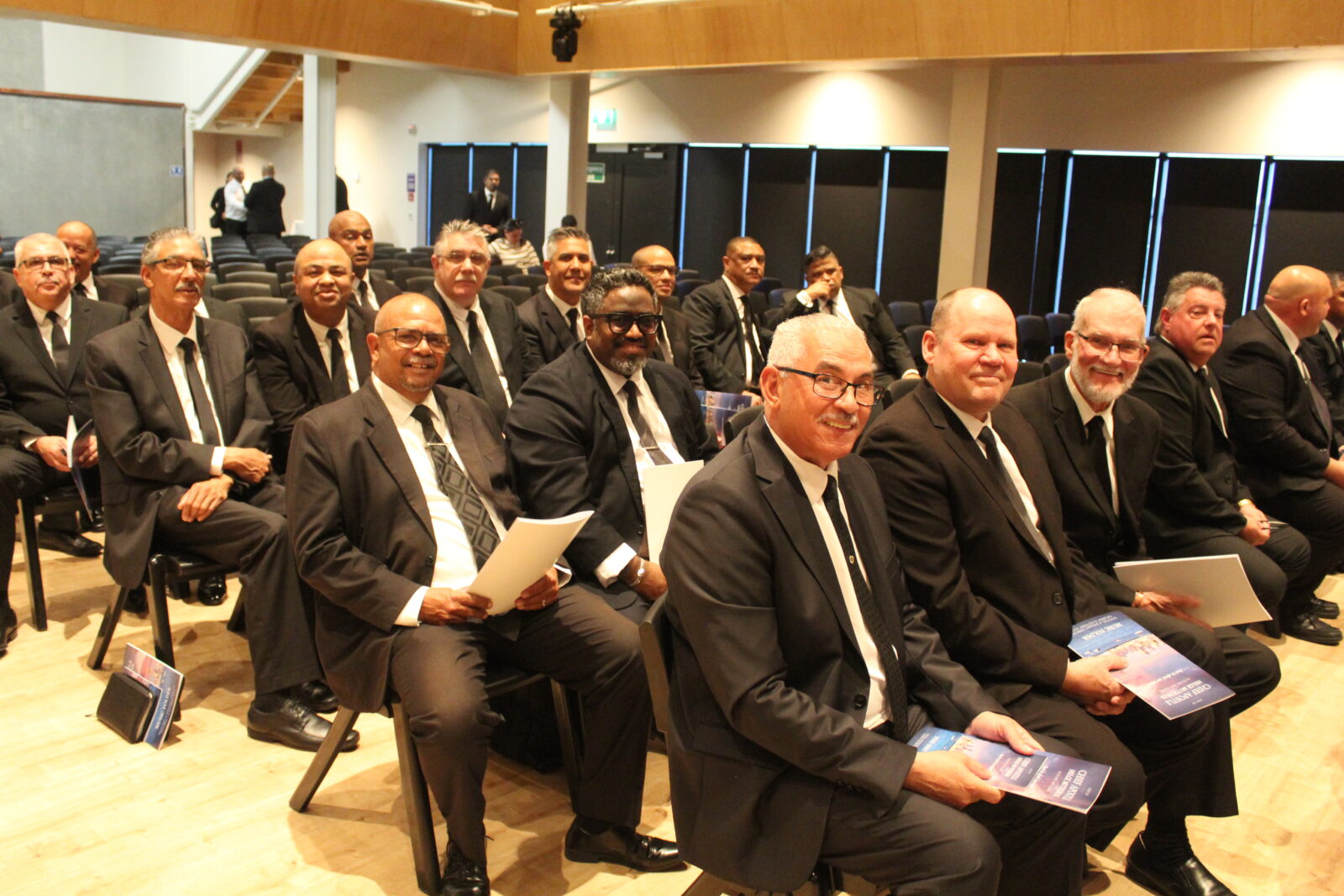
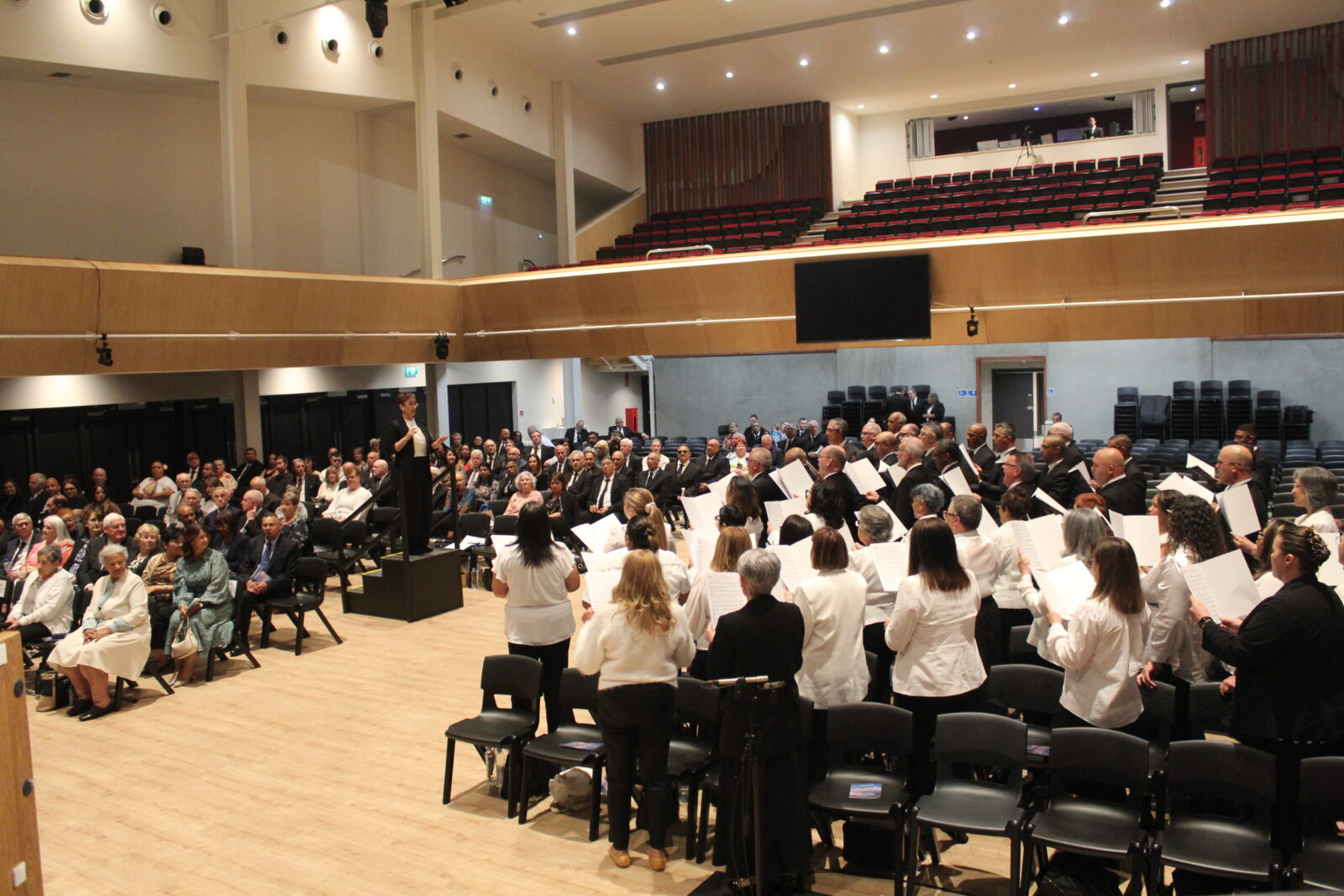
On Saturday afternoon, around 170 ministers and their spouses gathered for a divine service at Westlake Girls High School in Takapuna. The Chief Apostle based his sermon on Acts 20: 28: “Therefore take heed to yourselves and to all the flock, among which the Holy Spirit has made you overseers, to shepherd the church of God which He purchased with His own blood.”
Fellowship as preparation for heaven
The Chief Apostle began by stating that the aim of faith is the return of Jesus Christ. This would be followed by the celebration of the marriage supper of the Lamb, he said. He offered a simple description of what heaven is: “Heaven is nothing other than nearness and relationship, and fellowship and communion.” We prepare for this by already living in fellowship here and now, both in divine services and in pastoral care.
In Miletus, Paul took leave of the elders from Ephesus. His words, the Chief Apostle explained, were a kind of testament. At the time, they would have been addressed to the elders. Today, they apply to the ministers in the Western Pacific. Jesus Christ is the good shepherd, but they too are shepherds of His flock, he explained.
The value of the soul and the gift of ministry
Jesus Christ purchased this flock with His own blood. That is why every soul is precious. “Every single soul counts, wherever this soul might be and might live,” the Chief Apostle emphasised, with the vastness of the district in mind. Perhaps, when Jesus comes, He will ask, “My dear child, my dear minister, where is my sister, where is my brother?”
He explained that the ministers had received their ministry from the Holy Spirit, even if they felt weak and sinful. “It is God Himself who called you into your ministry.” At the same time, he told them, that they needed to take care of themselves. “We cannot only give and give and give all day long. We also have to receive.” Moments of stillness were necessary, moments in which they could receive God’s love. The Chief Apostle thanked the ministers for their service and their spouses for their support.
What makes a good shepherd?
The international Church leader outlined seven characteristics of a good shepherd.
- He goes to the flock. Jesus took the initiative and went to Zacchaeus’ house. Relationships grow only if someone shows an interest and takes the first step. “If I only sit there and let the brothers and sisters come to me, no relationship will grow.”
- He opens the door. On Easter Eve, the Risen One came to the disciples through locked doors. Asking for forgiveness in the midst of a conflict and examining our own part in it is a door opener. “Prejudices are closed doors.”
- He leads the flock. The shepherd gives orientation. In societies where hopelessness is growing, ministers can speak of the conviction in their hearts that Jesus is coming and that there is hope.
- He leads to green pastures. Jesus offered the woman at Jacob’s well water that would ensure she would never thirst again. “It is love that nourishes our souls.”
- He cares for the injured and the weak. Like Jesus at the Pool of Bethesda, he heals those who are wounded. Everyone is weak. “Nobody has the right to say, ‘I am strong.’” That, he said, would be a kind of religious egoism. There are many who stand in the door rather than in the midst of the congregation; we must go to them.
- He sees the bigger picture. The word “bishop” comes from the Greek term for “overseer”. But this does not mean a strict controller. “An overseer is someone who has an overview, who is interested in the flock, who knows who is missing.” He notices when someone begins to drift away inwardly, even though they continue to attend the divine services.
- He creates a positive mood. The Chief Apostle said that this was a point mentioned to him by a minister in Russia. A positive atmosphere develops when people sit around one table and open their hearts to one another. “God has made us for relationships.”
The Chief Apostle concluded his sermon with an appeal to the ministers: “Let us be good shepherds and look to the good shepherd, Jesus Christ.”
At the table with Jesus Christ
Before the celebration of Holy Communion, the Chief Apostle spoke about the lost sheep. Everyone could consider themselves to be that one lost sheep. God seeks each individual and comes to them personally, right where they have lost their way. Jesus takes them onto His shoulders and brings them back into the midst of the flock.
That morning, the young people had asked him which parable was his favourite, the Chief Apostle reported. One of them, he said, was the parable of the prodigal son. The father had demanded neither an explanation nor proof that his son had really changed. Instead, “He gave him back his value.” The Chief Apostle explained that this is what we experience every time we celebrate Holy Communion, when we sit together with Jesus Christ at one table. He went on to interpret the words of Jesus about eating His flesh as an invitation from Jesus: “Take Me. Take what I have. Take My whole love that I have for you.”
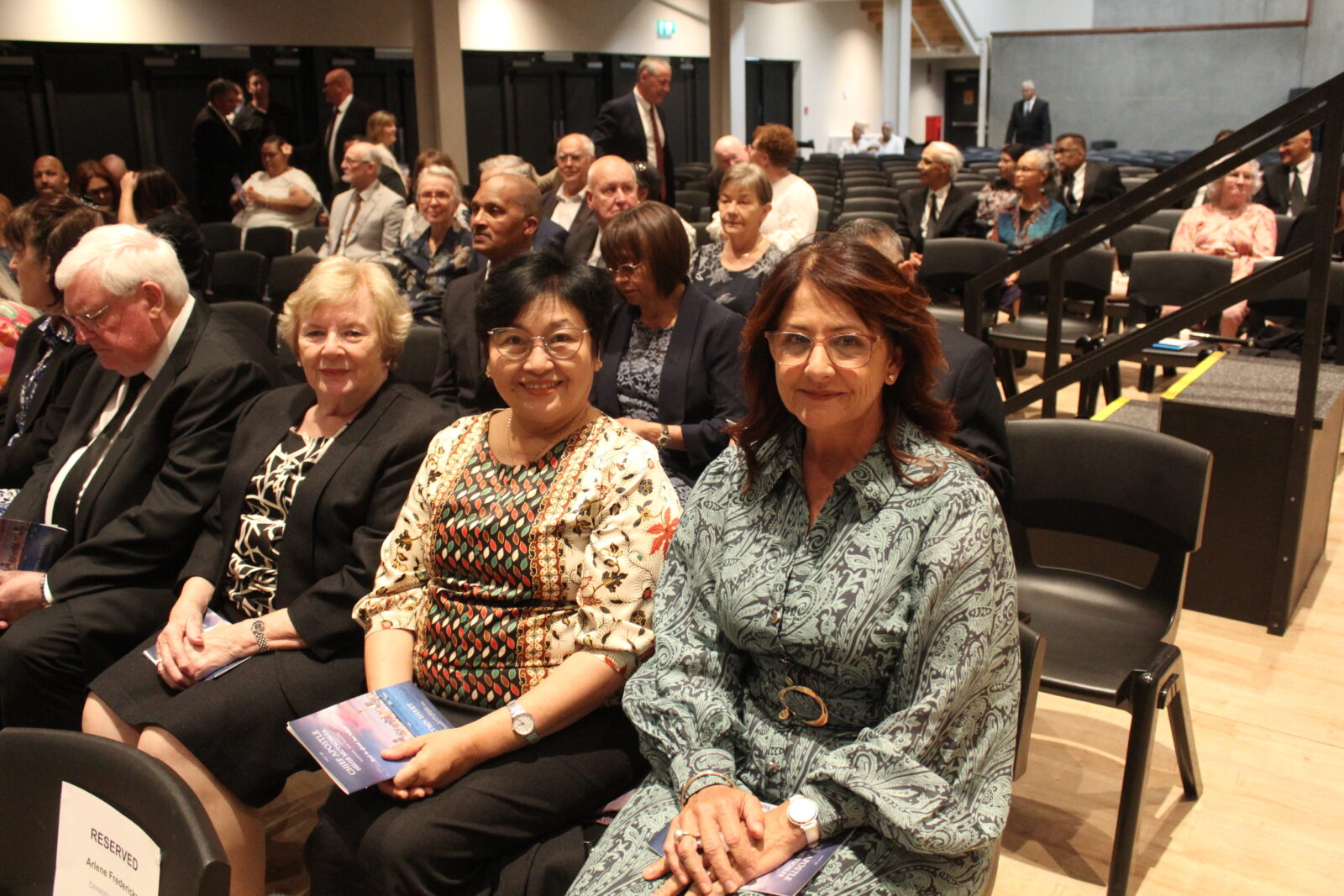
Photo: NAC Australia