




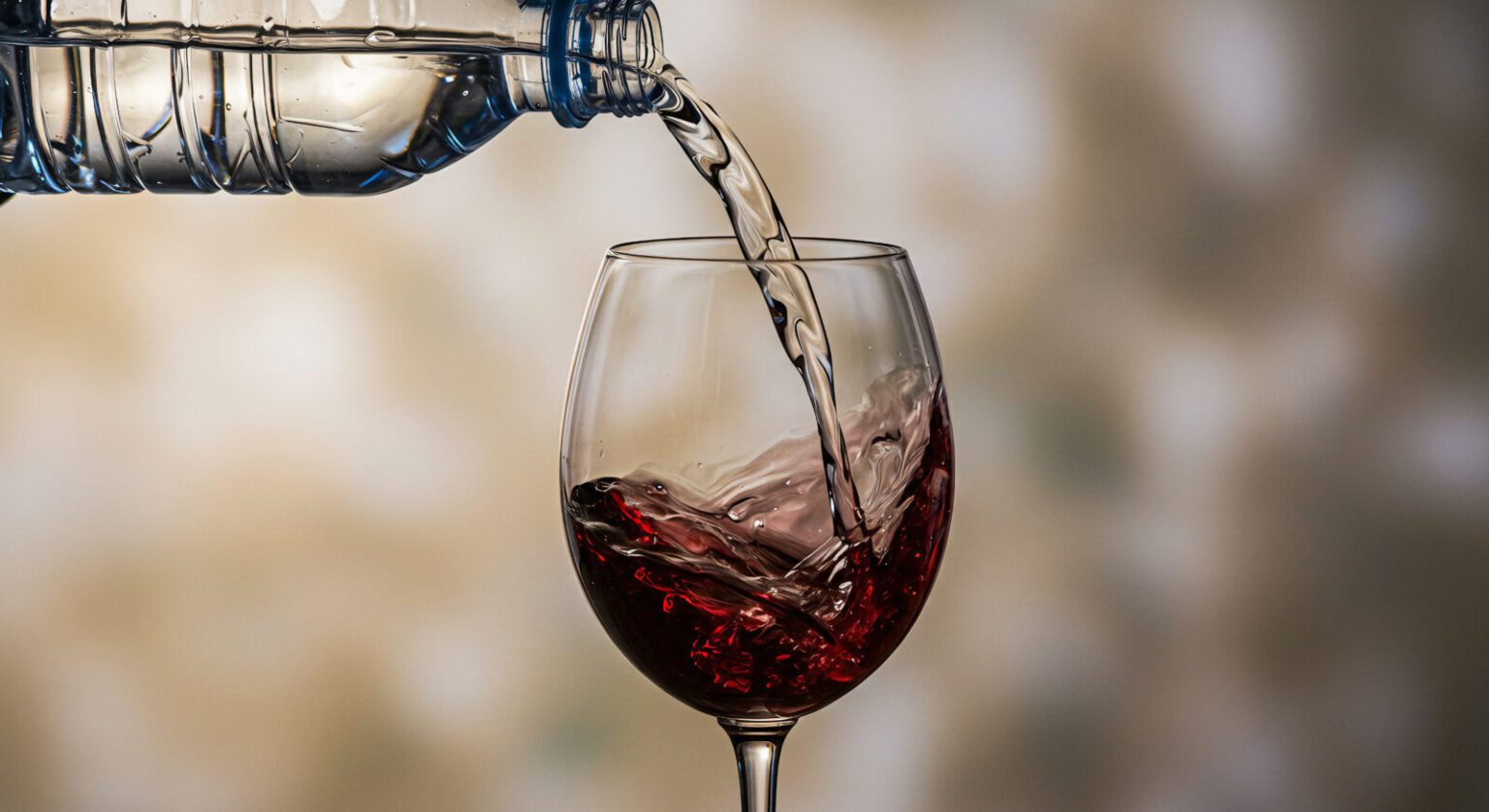
The Saviour of the world made an appearance, and hardly anyone noticed. All the guests wondered about was why the wine suddenly tasted so good. An event full of significance.
It was a happy day and everyone was enjoying themselves. Then, suddenly, the wine ran out. Seriously? That can happen when a wedding lasts seven days and new guests can join the festivities every day. Still, it made for an awkward situation.
A mother, a guest herself, nudged her son. But He said, “My hour has not yet come.” Then He gave the waiters a big job. He told them to draw water, around 500 to 700 litres, into stone jugs normally used for Jewish purification rites. They filled them to brim. Water went in, and wine came out.
Not just any wine—the best wine of the entire celebration, much to the astonishment of the chief steward. Evangelist John, however, who likes to structure his narratives so that the events build up to a pinnacle, highlights a different miracle in this story: “This beginning of signs Jesus did in Cana of Galilee, and manifested His glory.”
But wait a minute, what sign? And what glory?
There is more to the wine
“The Lord of hosts will make for all people a feast of choice pieces, a feast of wines on the lees,” it says in Isaiah’s Apocalypse. “He will swallow up death forever. And the Lord God will wipe away tears from all faces.”
The fact that Jesus provided the finest wine for the guests was a clear signal: “I am the Messiah, the Saviour of humanity. A new era begins with Me.”
And the glory? There is more of that too.
When the Bible speaks of glory
When John speaks of glory, he does not mean splendour and magnificence as such. The Greek word doxarather refers to the revelation of divine reality. It picks up on an old biblical term, the Hebrew kabod: God’s effective, tangible presence.
This splendour does not just appear once. It runs through the whole Bible in ever new images.
The cloud: God is near. In Solomon’s temple, above the tabernacle, or as a pillar in the wilderness of Sinai, it demonstrated the presence of God, that is, His essence, His name. “I am who I am,” He tells Moses from the burning bush. Still today we can tangibly experience God by listening, by letting others feel our love, by walking with Him, and by allowing Him to carry us.
The wine: God transforms. Water became wine. There was no drum roll, just a quiet sign. The glory of Jesus is not revealed in outward spectacle, but in quiet, steady transformation: lack becomes abundance, that which is old is made new, and the broken are healed.
The cross: God loves to the end. “Father, the hour has come. Glorify Your Son,” Jesus says in His farewell prayer. God’s revelation reaches its pinnacle in a love that freely gives itself—in all its implications. Nowhere is His essence more evident, made tangible for all eternity.
The city of light: God completes. This city has no need for the sun or the moon “for the glory of God illuminated it”. This is New Jerusalem—the new creation, eternal glory. Here, God will dwell with humankind and everything is whole. For “God will wipe away every tear from their eyes; there shall be no more death, nor sorrow, nor crying.”
This glory is the focus of every divine service when the congregation prays at the end of the Lord’s Prayer: “For Yours is the kingdom and the power and the glory forever.” This doxology is more than a profession of belief; it is a petition: “God, let us live according to what matters to You, sustained by your power, and encompassed by Your presence.”
Photo: Eli – stock.adobe.com