



Gloom, an inner emptiness, and worries: the longing for joy is great. The Chief Apostle reveals where the key to true joy lies—and what prevents us from experiencing it.
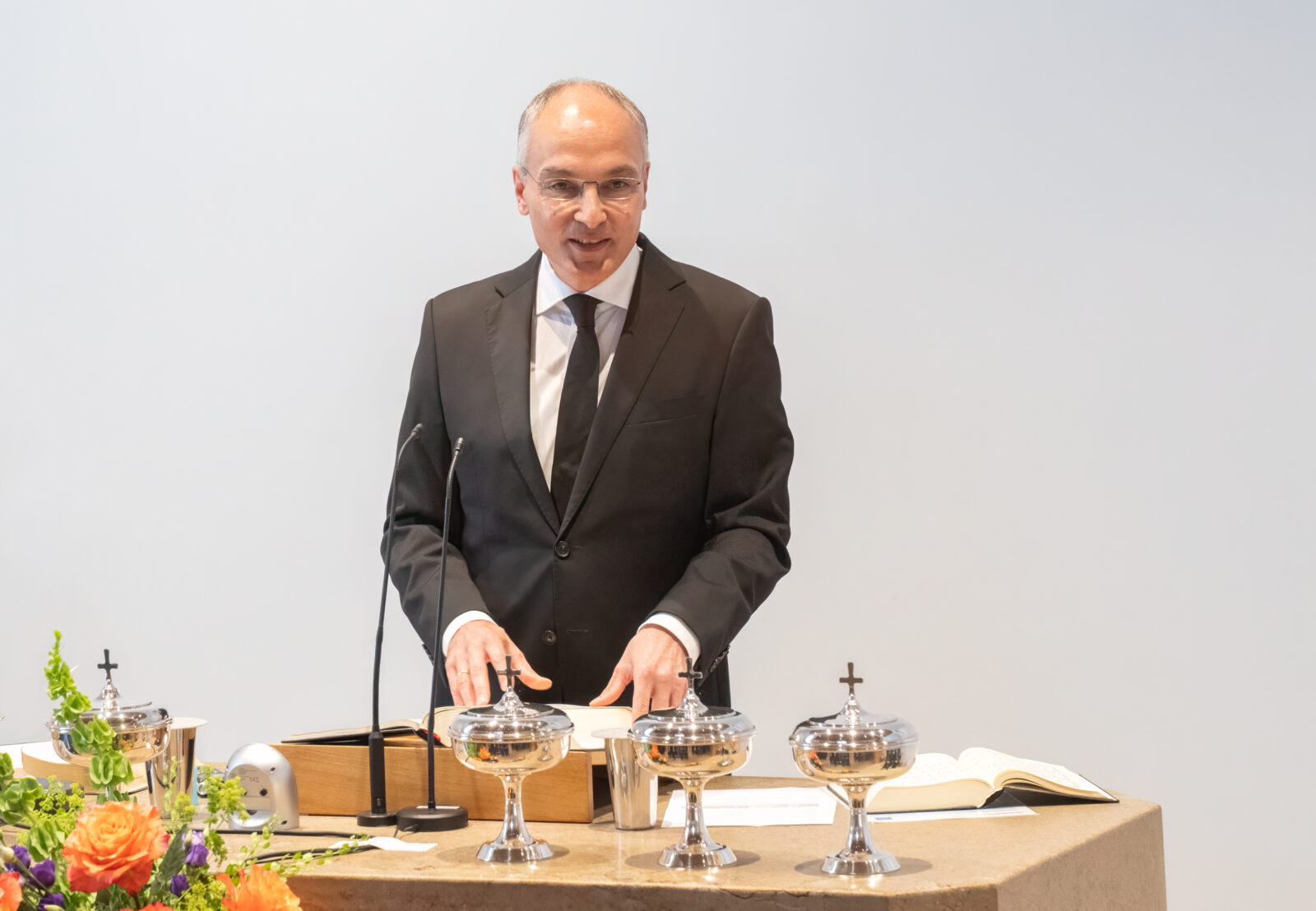
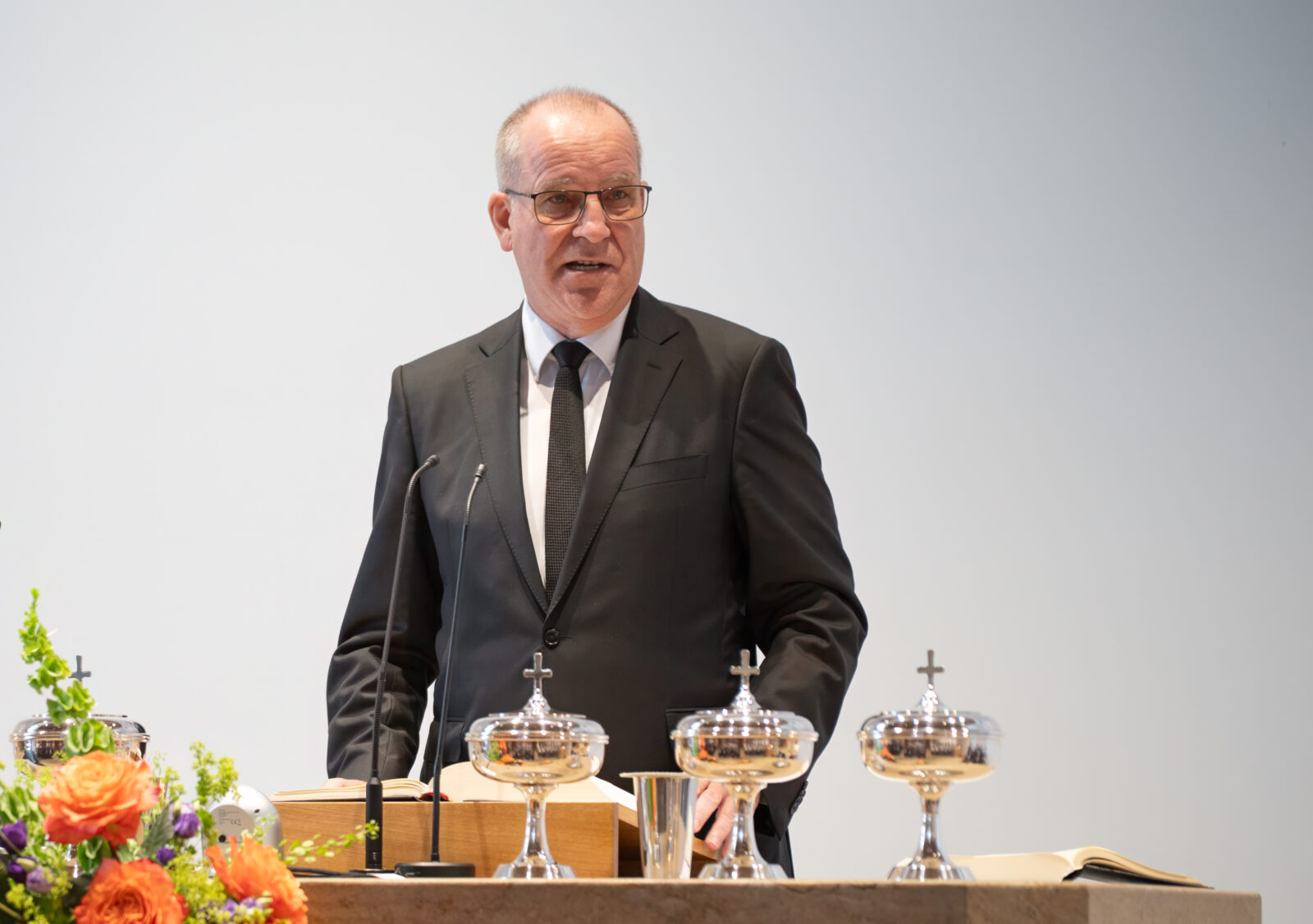
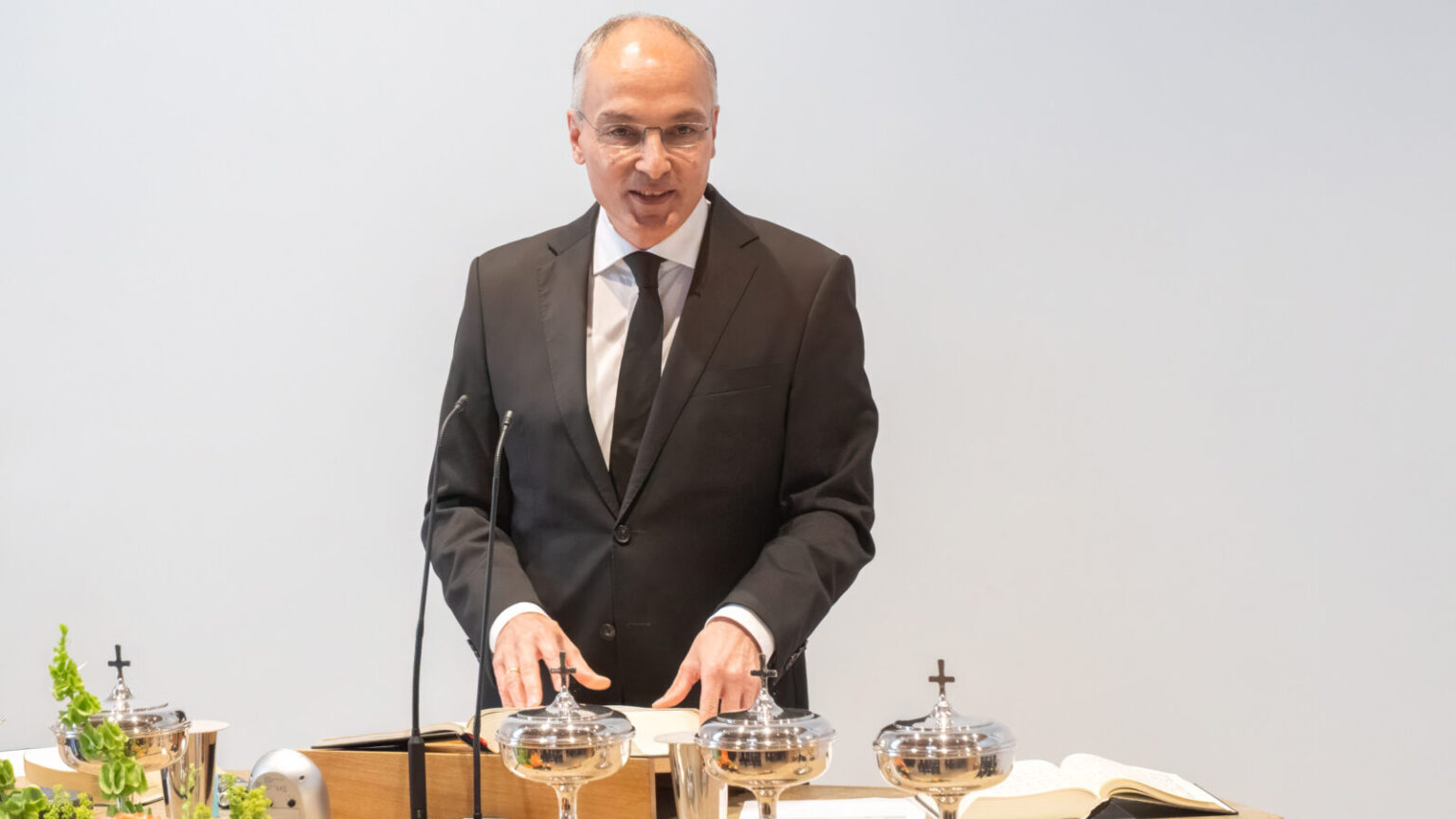
“Rejoice in the Lord always. Again I will say, rejoice!” (Philippians 4: 4). This was the Bible text Chief Apostle Helge Mutschler used for a divine service in Stäfa, Switzerland on Sunday, 14 June 2026.
“The problem is that in society, and sometimes even in the Church and perhaps also in our personal lives, there is a great deal of joylessness.” There is a pervasive sense of emptiness. Yet, everywhere one can sense, “We want joy!” There is a deep need for it. “But the question is, how do we go about it?”
Neither a permanent smile nor ego
The Bible text is the key to finding joy. However, this could be misinterpreted. What this Bible text does not mean:
Joy as a façade. One should always smile. – “Always smiling, even though I am feeling really low and I am not happy at all? That would be like being asked to wear a mask; it would be like being asked to lie.”
Joy based on performance. Joy in Christ is based on one’s spiritual performance. – God is not a wish-granting machine into which you put something in one end and receive whatever you desire at the other. “We say a resounding no to any form of the prosperity gospel.”
Delight in earthly possessions. Basing joy on earthly goods alone. – “All these earthly things that are beautiful are fleeting and do not last.”
Joy as self-sufficiency. One should simply rise above all sorrow and suffering. – “That would not be joy in the Lord. It would be joy in myself; it would be narcissistic, selfish joy.”
Joy as a gift
What, then, might Apostle Paul have meant in his epistle to the Philippians when he wrote, “Rejoice in the Lord always”?
It is a joy that is very deep, very light, very intense, very broad, beautiful, and quite simple, the Chief Apostle said. This joy is about closeness, trust, connection, love, open arms, finding a place to belong, feeling at home, and being there in love. “This is expressed through a tiny little word: ‘in’. ‘Rejoice in the Lord always.’ Completely immersed in God, surrounded on all sides by His love.”
This joy will endure forever and ever. It is a gift and not the result of our own efforts. It springs from our own relationship with God, “or rather, from God’s relationship with us”. This joy is not first and foremost an emotion, but the lived reality of being saved.
God’s path to joy
Sin brought with it the problem of joylessness and emptiness, which persists to this day, the Chief Apostle said. The relationship between God and humankind was broken, and with it the source of joy. God’s response was the restoration of this relationship.
Through the birth of the Saviour, “the dawn of this joy could once again be felt over the whole of creation”. It was through Jesus’ death on the cross that this relationship between God and humankind was restored. On Easter, “when the disciples saw the Lord”, the Chief Apostle explained, “a different joy—deep and beautiful—filled them.ׅ” Pentecost brought them all together and healed the relationships between them. In this sense, joy is also a fruit of the Holy Spirit. “Joy is within each of us, placed there as a gift, a gift from God, particularly at the time of our rebirth of water and the Spirit. It has been placed within you and me as a source of strength.” And may this joy grow as we nurture our relationship with Christ.
Enemies versus friends
There are also enemies of joy. Since joy has something to do with relationships and trust, these enemies take the form of relationship problems and trust issues.
Conflicts. “Take the first step towards your neighbour. Consider forgiveness.” This is how the relationship can be healed and joy can return.
Worries. They destroy relationships and undermine our trust in God. Those who entrust their worries to God and place their trust in Him will see joy restored to them.
Sin divides. Feeling remorse, repenting, and confessing our sins are the solution. “When we receive forgiveness and forgive one another, joy returns.”
Egoism. Egoism results in a strained relationship with absolutely everyone. Serving God and serving one’s neighbour, the Chief Apostle said, is the answer that enables us to rediscover that deep inner, and quiet, joy that leads back to the Lord.
“The Lord is at hand,” emphasised the Chief Apostle, adding, with reference to the return of Christ: “That day, that eternity, is the purest, most complete, eternal, light-hearted, and most beautiful joy.”
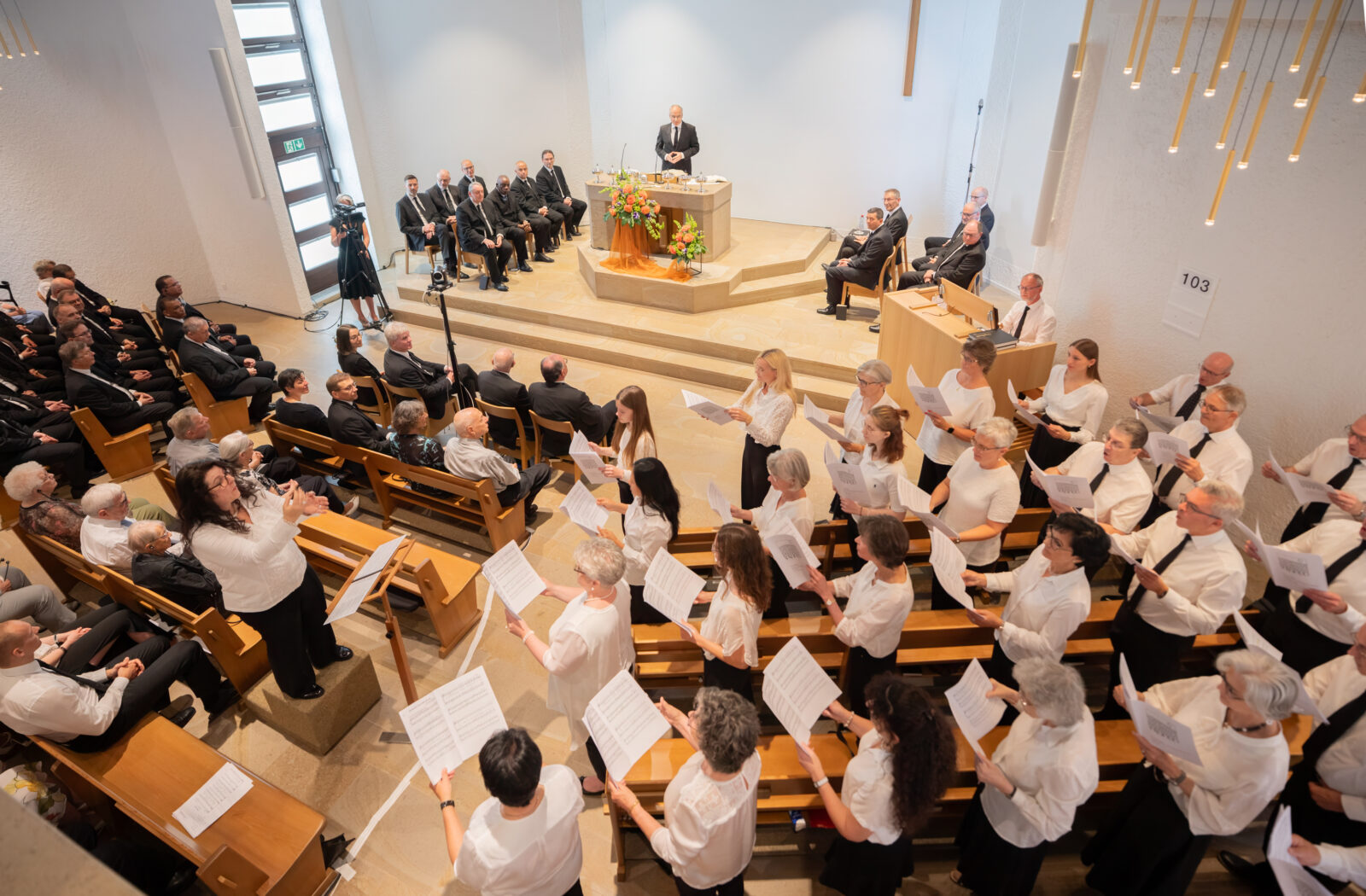
Photo: NAK Schweiz