




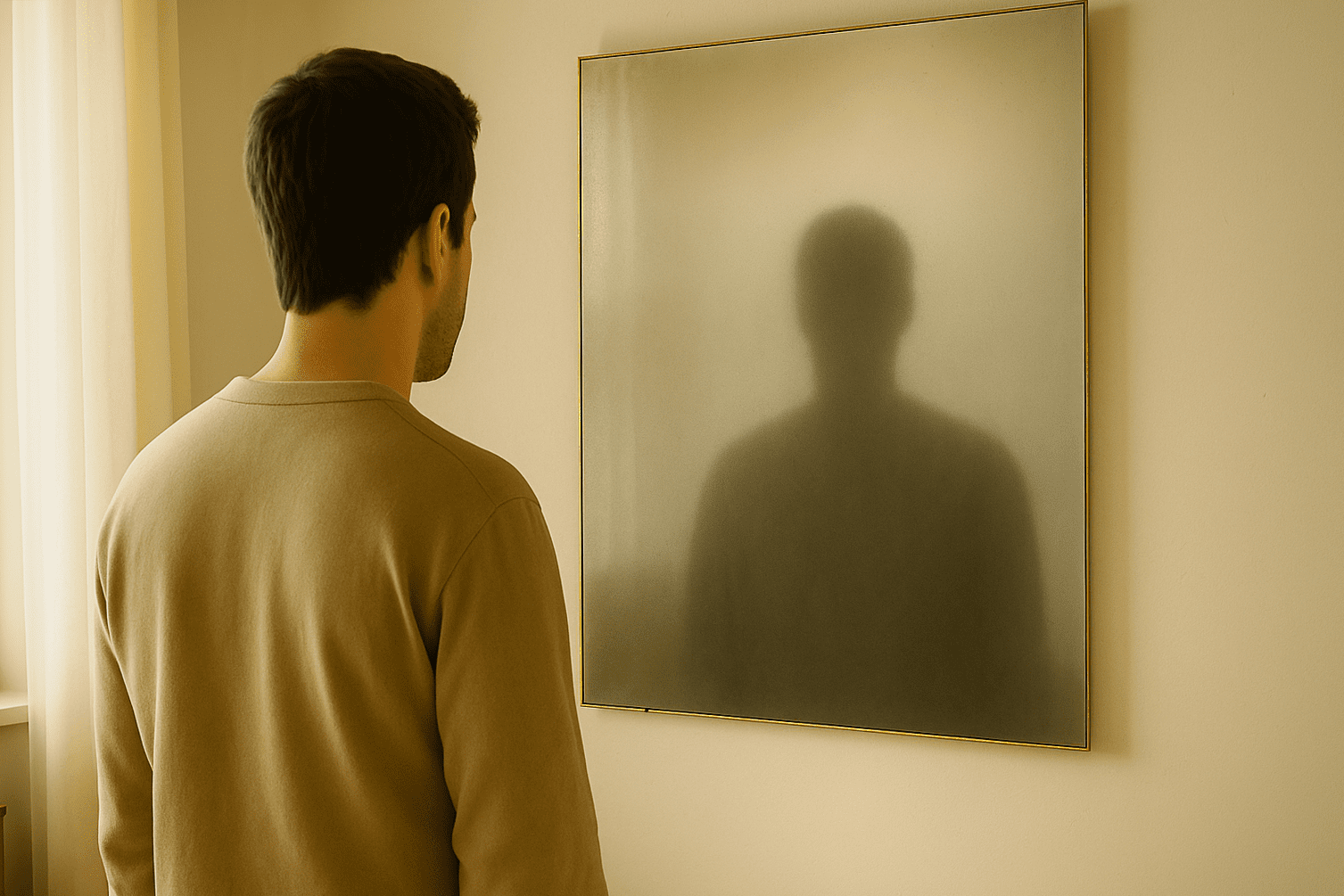
What will become of me when God makes all things new? The Ninth Article of Faith speaks of a future in which God will dwell among people—and that wounded histories will not simply be erased but healed.
It is the longest sentence in the New Apostolic Creed and it sketches a road map to hope. The string of future events—the return of Jesus, firstfruits of the dead and living, marriage in heaven, kingdom of peace, Last Judgement, based on Revelation 21—ends with a quiet but powerful outlook: “Then God will create a new heaven and a new earth and dwell with His people.”
“I believe that the Lord Jesus will return as surely as He ascended into heaven and that He will take to Himself the firstfruits of the dead and living who have hoped for and were prepared for His coming; that after the marriage in heaven He will return to earth with them to establish His kingdom of peace, and that they will reign with Him as a royal priesthood. After the conclusion of the kingdom of peace, He will hold the Last Judgement. Then God will create a new heaven and a new earth and dwell with His people.”
CNAC 2.4.9 The Ninth Article of Faith
The way to the goal
It all starts with the return of Jesus. He will take to Himself the “firstfruits of the dead and the living”: those who belong to Him, who have hoped and prepared for His return. They will be caught up to the Lord in a resurrection body.
This fellowship is described as the marriage in heaven, an image for the relationship between Christ and His church. It is perfect and yet its duration is limited, showing that God’s plan will continue.
Christ will then return to earth—visibly—and establish the kingdom of peace. The royal priesthood will rule with Him—not in a kind of power game but in service to others. The gospel will be proclaimed to all, both the living and the dead.
Only after the conclusion of the kingdom of peace, Christ will hold the Last Judgement. Then it will become visible to all that He is the righteous judge from whom nothing is concealed. And yet, this is not simply the “end”, but a new beginning.
A vision of the new creation: God will be right in the middle
“Behold, I make all things new” (Revelation 21: 5). This has nothing to do with restoration or cosmetics, but is the creation of a new heaven and a new earth. It is not a matter of removing everything in order to change everything, but of everything being completed and fulfilled and permeated by God’s presence.
At the end of the Bible, it becomes quiet and calm, and at the same time very loud. A loud voice from heaven calls, “Behold, the tabernacle of God is with men, and He will dwell with them, and they shall be His people. … And God will wipe away every tear from their eyes; there shall be no more death …” (Revelation 21: 3–4). God will not remain at a distance, but will move in, so to speak. He will dwell in the midst of His creation and will be with His people.
The new creation is not initially a question of geography, but of relationship. When it says that the tabernacle of God will be among the people, it means that God does not remain a distant observer but becomes our neighbour. This is the fulfilment of what is already alluded to in the Third Article of Faith: life everlasting as our new existence with God. We will transition from believing to actually seeing and experiencing it. What God called “very good” at the beginning He will bring to completion. It will be purified, clarified, and reconciled.
What is striking is that this new world is not described as having palaces and podiums for the winners. Instead, we can read that no more tears will flow, that there will be no more sorrow, and that death will have been swallowed in victory. The new creation is not a luxury resort for the devout, but the space in which all that is broken is finally and ultimately healed.
New, but who will I be then?
The question quickly arises, “If God makes everything new, am I still myself with all that shaped, hurt, and marked me? Will all of this be erased like a hard drive?”
The new creation is not a copy, but the completion of what God began with His creation. The Christian belief says: identity remains—but healed. Our personal history will not be erased but will be completed through God’s closeness.
A biblical image for this is the risen Christ: He still bears the stigmata, but they no longer hurt. Signs of violence have become signs of love. And we can imagine the future in a similar way:
- injuries and hurts no longer define people.
- Guilt and shame no longer have any power over us.
- What blocks us today becomes a healed memory in God’s presence—without the burdening load it still is today.
What does that mean for us today?
“I believe that the Lord Jesus will return as sure as He ascended to heaven.” Those who profess this do not count on their story ending in the grave and the world in chaos. The new heaven and new earth mentioned at the end of the Ninth Article of Faith give all the intermediate stages meaning: the return of Christ, the kingdom of peace, and the Last Judgement are not a threat, but steps on the path to God’s presence. This changes the way we see suffering, death, and having to part from loved ones: the pain remains real, but it is not absolute.
The potential that Christ sees in every human being can blossom and flourish unhindered in the new creation. And those who hope for this take seriously what God has already placed in them today.
Those who hope in the message of Revelation 21 capture something of this future for themselves and bring it into their everyday lives, and sometimes it shines through: when someone offers comfort without trivialising matters; when guilt is not hushed up but forgiven; when no one in the congregation has to be alone. Then it is as if Revelation 21 were being tested for a brief moment and God is telling us, “This is how it will be one day. Go ahead and start now!”
A new creation does not mean that we are not interested in or care about the old world, but rather that the promise of Christ’s return also applies to it, and that it longs for His return. This awareness has an influence on how we treat it.
Those who internalise this part of the creed are not only making a statement about a distant future, but also about their own present: “I am focussing my life on a story that is greater than my own biography. And what’s matters is that this story does not end with the judgement, but continues onward into the new creation.”
Photo: AI-generated