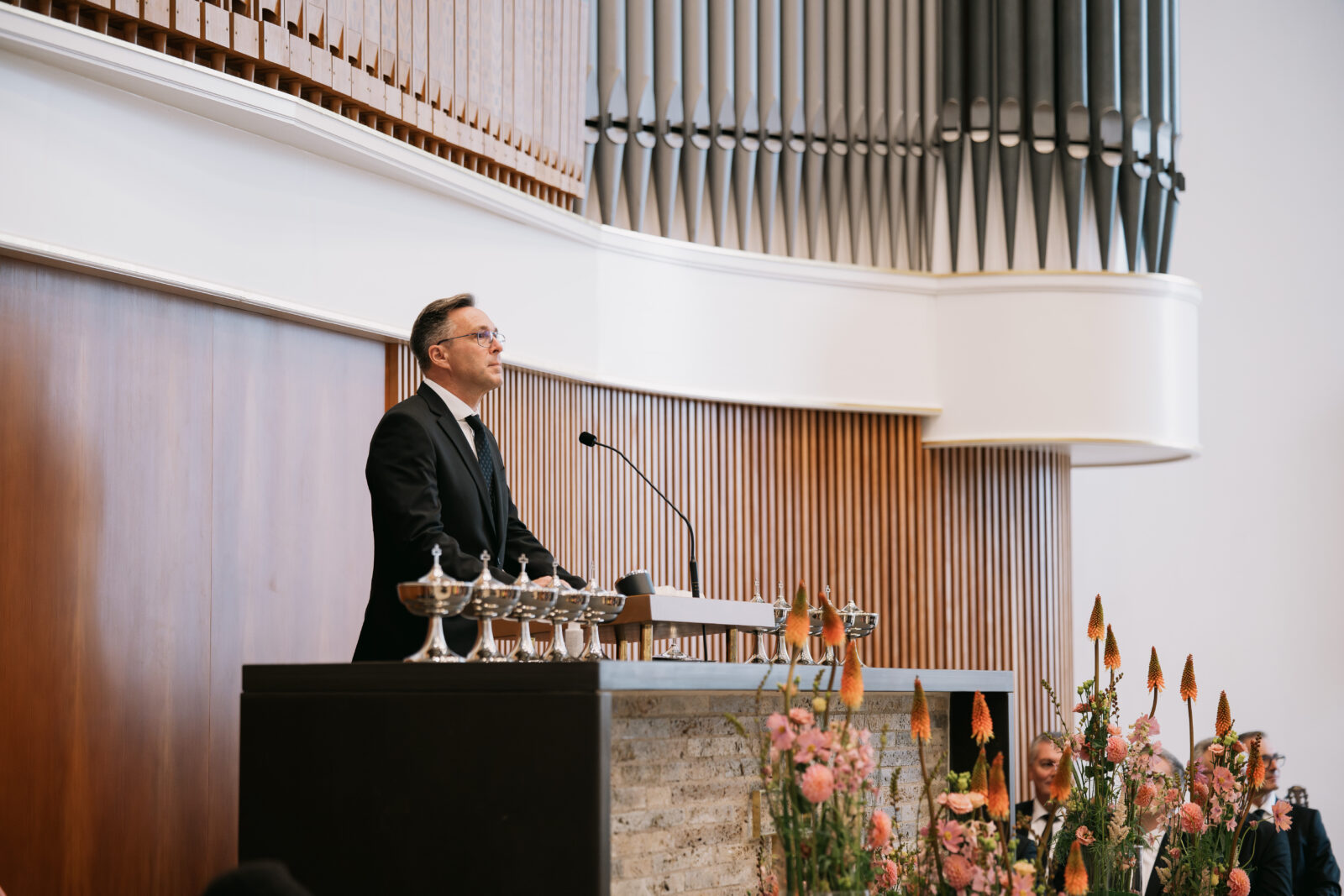




Tears are simply part of life—but they will not have the last word. Chief Apostle Mutschler preached in Reutlingen about the harvest of joy that is sure to come.
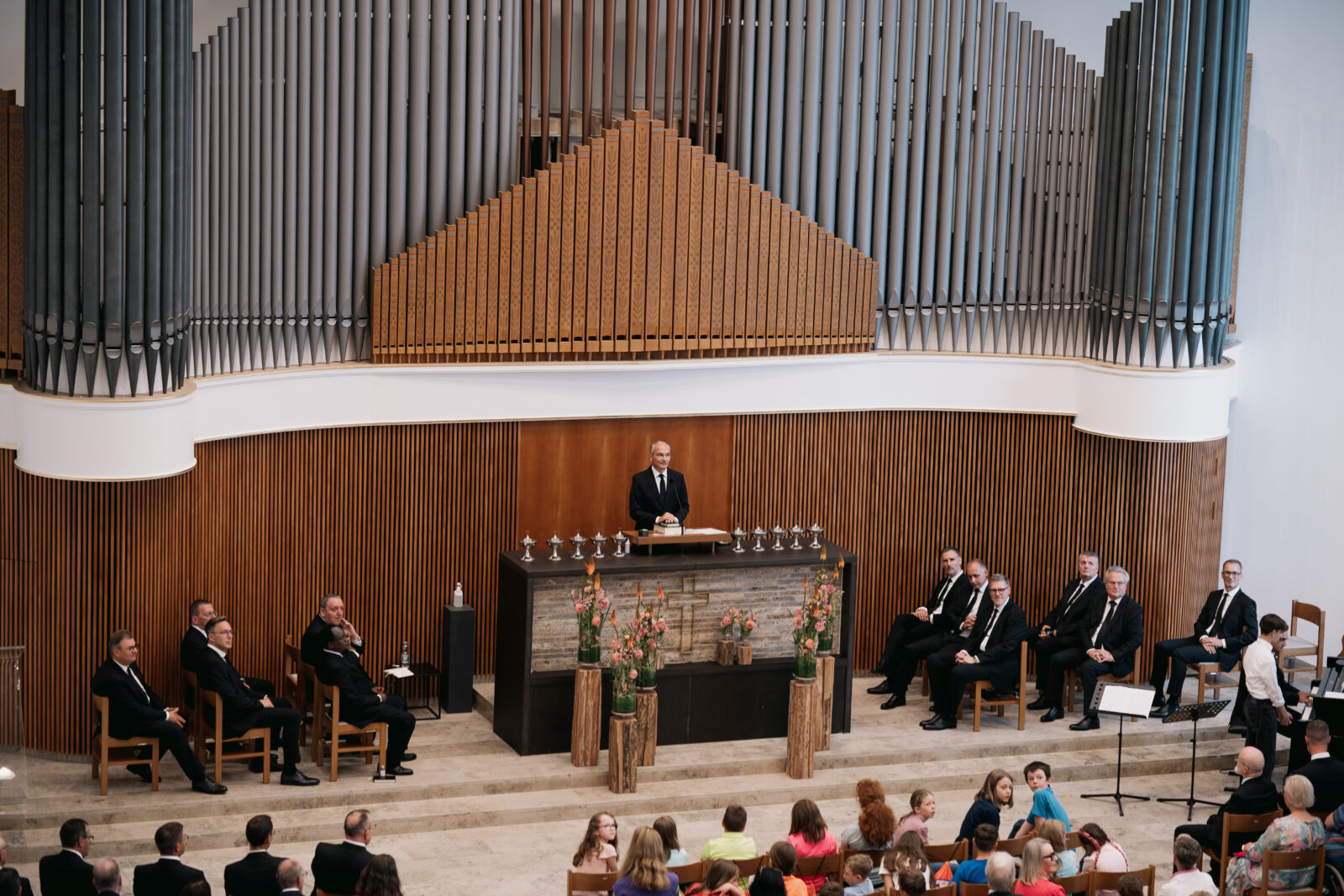
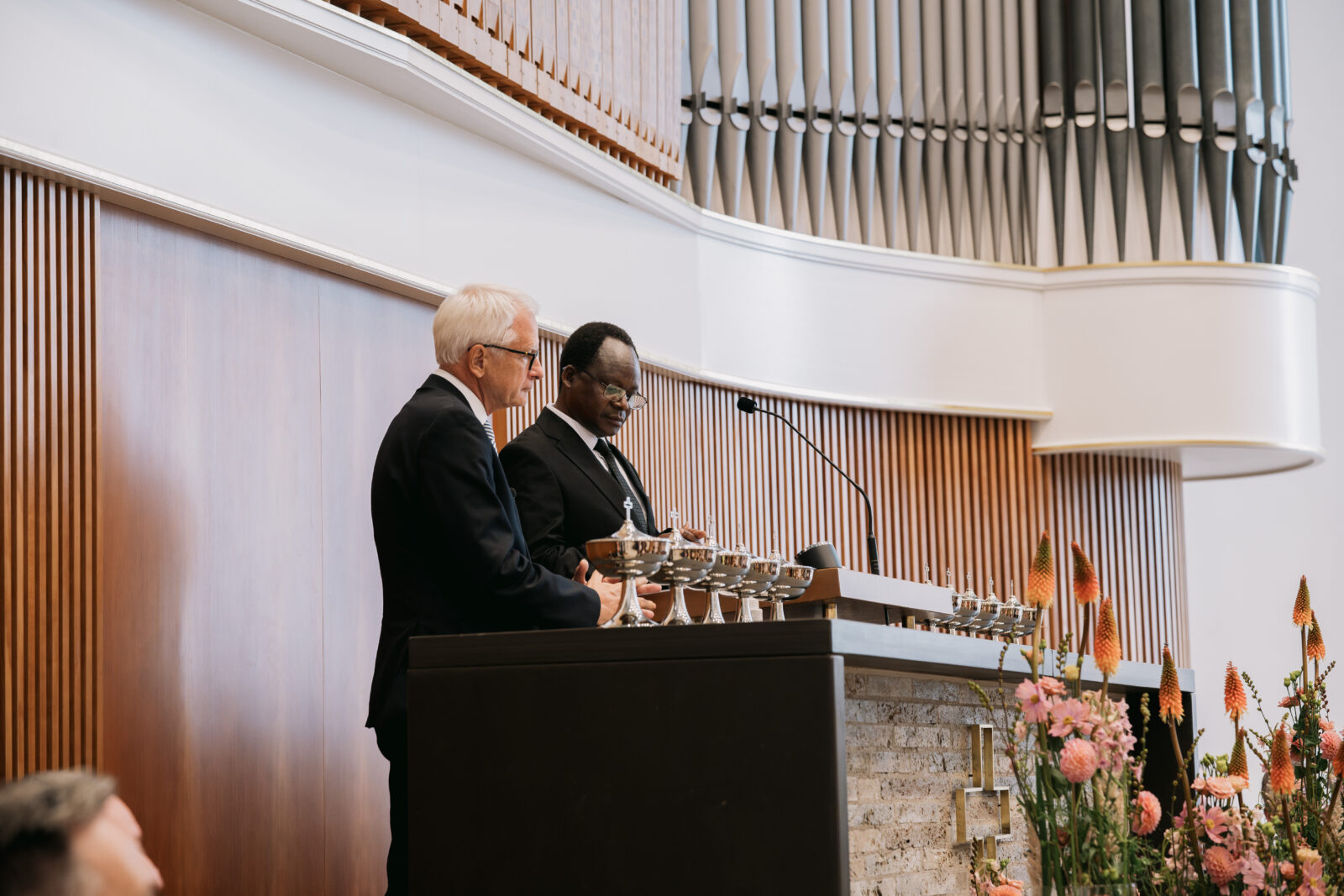
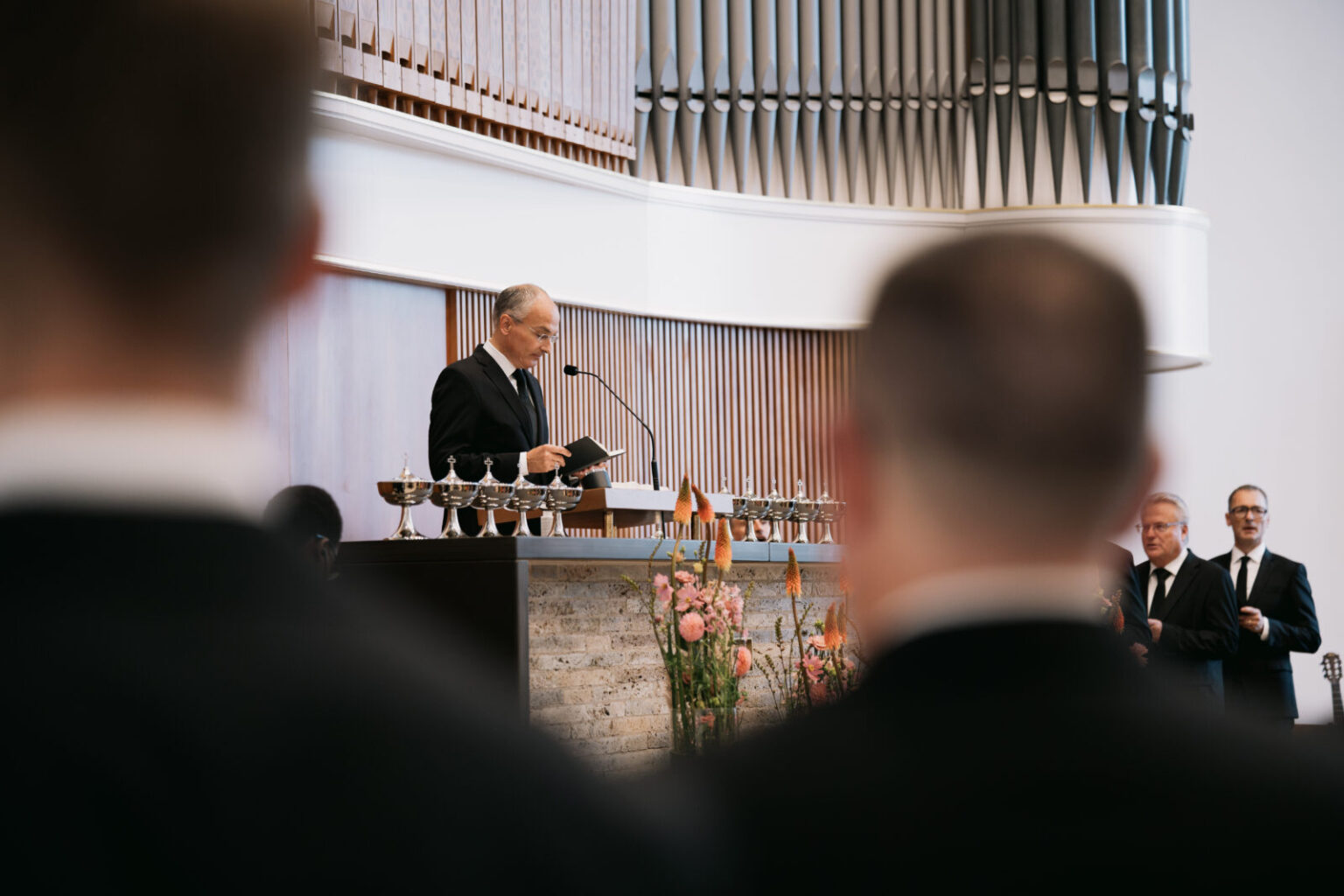
On Sunday, 30 August 2026, Chief Apostle Helge Mutschler celebrated a divine service in Reutlingen, Germany, which is part of the Regional Church of Southern Germany. The host was the responsible District Apostle Martin Rheinberger. Also invited as guests were District Apostle Kububa Soko (Zambia), Apostle Helmut Kasper (Northern and Eastern Germany), and Apostle Mike Dietel (Northern and Eastern Germany).
The sermon was based on a passage from Psalm 126: 5–6: “Those who sow in tears shall reap in joy. He who continually goes forth weeping, bearing seed for sowing, shall doubtless come again with rejoicing, bringing his sheaves with him.” With reference to the time of year, the Church leader noted that most of the grain fields had already been harvested. “On the one hand, it is harvest time, but it is also already time to sow.”
Why people sowed in tears
The Chief Apostle explained that the psalmist was writing against the backdrop of the situation facing the people of Israel after their captivity in Babylon. Those returning home were “like those who dream” (Psalm 126: 1). Yet in Jerusalem, they found only destruction. “There was nothing left but ruins.” Instead of joy, there was sorrow.
He explained that the harsh conditions of the time often drove people 2,500 years ago to sow in tears. The seed was often the last thing a father possessed, and his hungry children actually needed it. Nevertheless, he sowed it so that life could go on. The Church’s foremost clergyman drew attention to the curse upon the ground referenced in Genesis 3: 17–19: “Where there is sin, there are also tears, pain, suffering, and wailing.”
Weeping is allowed
Weeping is often pushed off to the sidelines, as if it had no place, said the Church leader—”certainly not in our Church, since we are supposed to be joyful.” Psalm 56, however, says that God gathers our tears in His flask. “You are allowed to weep. There is room for tears.” Those who are grieving are likewise permitted to weep.
In the original Hebrew text, verse 6 can also be read as “he goes about weeping,” the Chief Apostle explained. This is a reference to Jesus Christ, who wept at the grave of Lazarus. “Jesus Christ weeps too, because He is truly human.” The international Church leader told the children that the Lord Jesus also sits beside them and weeps when they weep, “because He has compassion.”
The grain of wheat and the harvest of joy
The Chief Apostle also made reference to Hebrews 5:7: Jesus offered up “prayers and supplications, with vehement cries and tears” to God. And He “was heard because of His godly fear.” He called Lazarus forth from the grave, whereupon the powerful decided to kill Him. “But with this death, He accomplished the greatest sowing that the true God and true Man could ever have accomplished,” the Church leader emphasised.
He then went on to cite the words of Jesus in John 12: 24: “Unless a grain of wheat falls into the ground and dies, it remains alone; but if it dies, it produces much grain.” Easter is a harvest of joy, and the resurrection of the dead will likewise come. The original text states literally: “They go and go and go and weep.” To anyone wondering how to go on, the Chief Apostle wished “that—even amidst your tears and your sorrow—God may grant you paths where your feet can walk too.”
Sowing in family, community, and society
Raising children in faith can also involve sowing in tears, he said. “Dear mother, dear father, please, just keep on sowing!” The same applies within the congregation, because everyone possesses a gift from the Holy Spirit. Older ministers can rejoice when a young Deacon or Priest reaps what they themselves sowed fifty years ago.
Those who do good sometimes wonder whether there will be enough left for themselves. “Yes, you will have enough,” the Chief Apostle replied. Every good deed is recorded and will yield a harvest. Professing faith in Jesus Christ can also be a kind of “sowing in tears”—for instance, when one refuses to join in the lying and slander that prevails in an environment hostile to Christ. Society needs this message!
The return of Christ and the kingdom of peace
Shortly before the end of His life, Jesus wept once more as He looked upon Jerusalem—weeping, according to the Chief Apostle’s interpretation, over the state of the world. Even today, the sight of hatred and discord can trigger despair. The final part of the verse—which speaks of their coming with joy—can also be understood in the original text as a reference to their return home. “That is our message as the New Apostolic Church: Jesus Christ will return to bring His bride home.”
He emphasised, however, that this was not a privilege reserved for the bride. Her task, he said, was also to keep sowing during the thousand-year kingdom of peace. God’s will is for all people to come to the knowledge of the truth. The sermon concluded with the words: “Sister, brother, I have a simple request for you and for me: Please, just keep on sowing!”
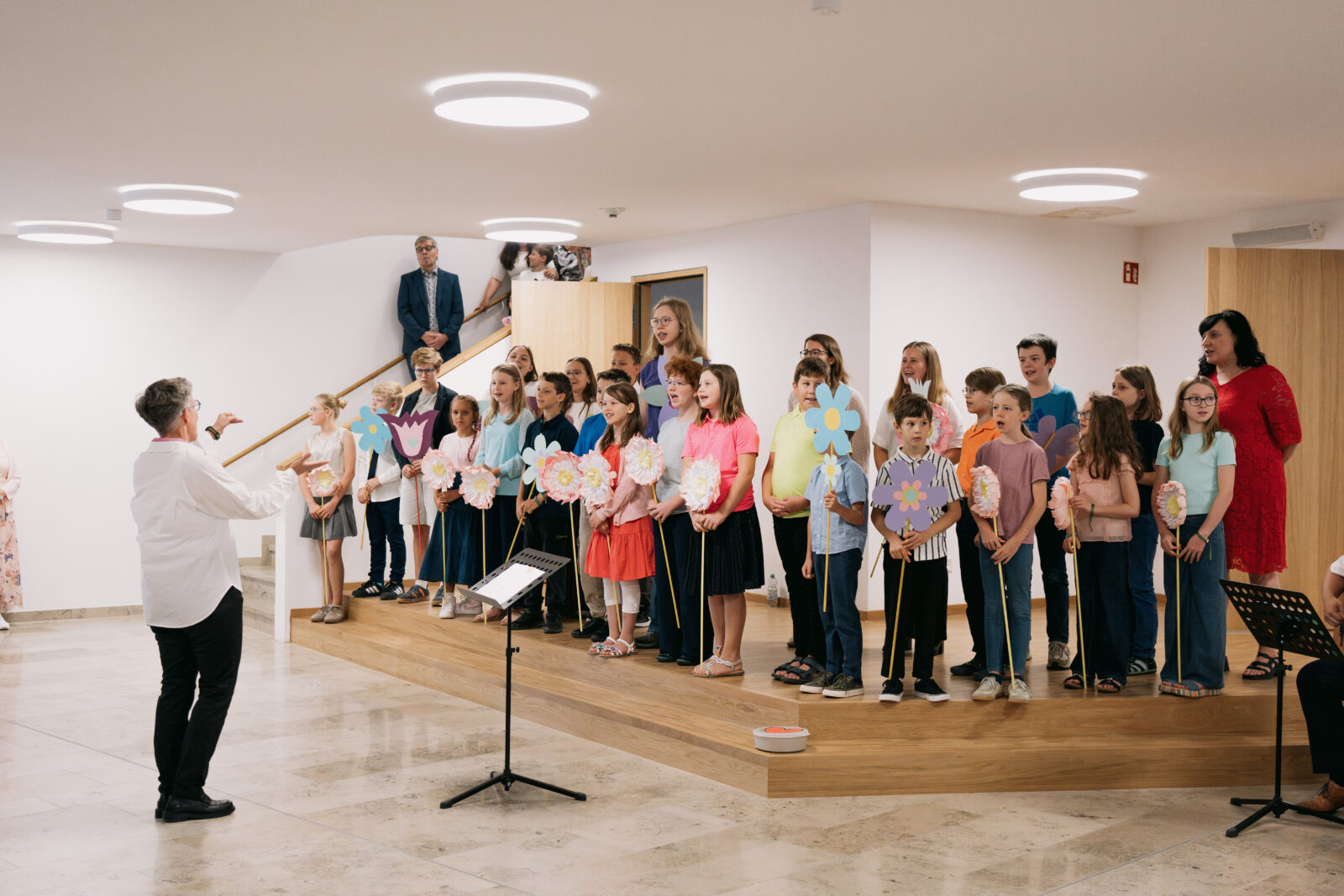
Photo: NAK Süddeutschland