


Website color:

The Sacraments

The sacraments (31): The sequence according to the menu

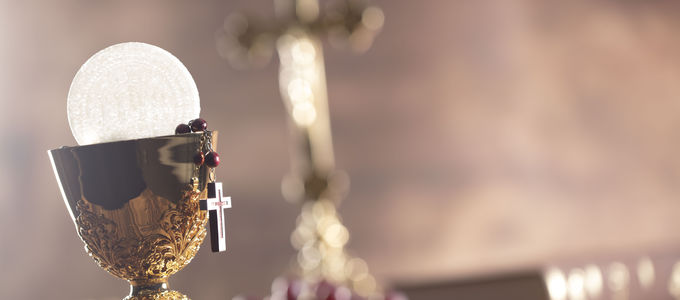
It all began as a simple table prayer and developed into a rich culture incorporating many different forms of expression. We’re talking, of course, about the celebration of Holy Communion. Where did it come from and where will it lead? Here are some similarities and differences.
The sacraments (30): Communion under both species

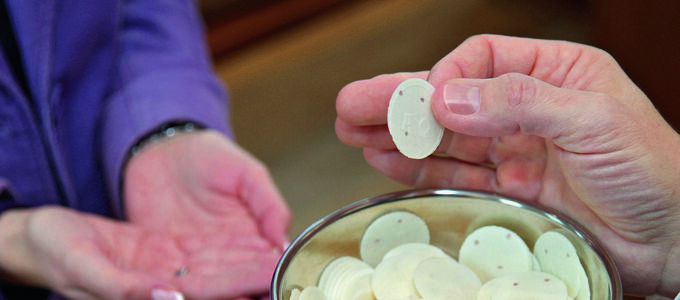
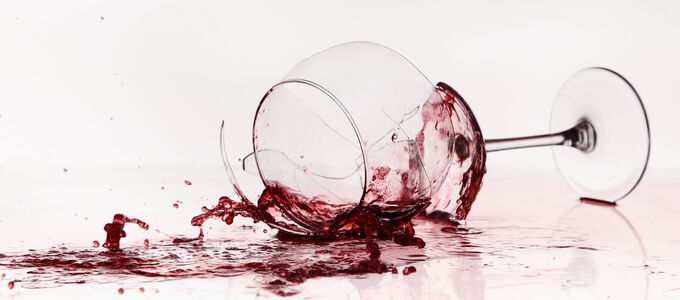
Communion during COVID: it would be a non-starter if we all shared the same wine chalice. So how can the sacrament nevertheless be celebrated “under both species”—that is, with both bread and wine? For an answer, we turn to history—namely that of the New Apostolic Church!

The sacraments (29): The clash over the cup

There is to be bread and wine at Holy Communion. Jesus said so. But what about children, people with allergies, and alcoholics? Will one of the two elements do the job just as well? Church history provides some answers.

The sacraments (28): What the churches are serving with supper

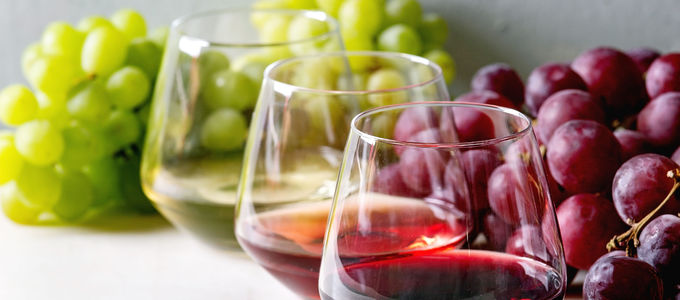
Red wine, white wine, grape juice? Pure or mixed with water? As with the bread, Christendom has also come up with a multitude of variants for the second element of the Lord’s Supper. And each has its reasoning—sometimes based on theology, sometimes based on more worldly factors.

The sacraments (27): Definitely something to chew on…

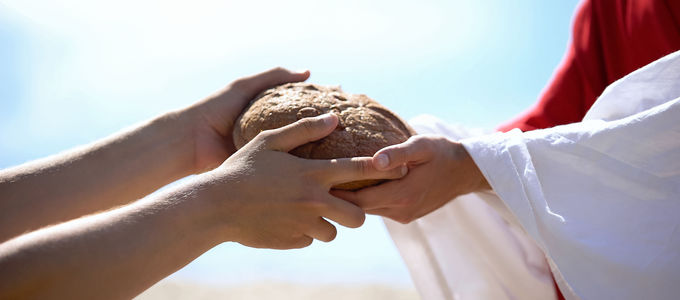
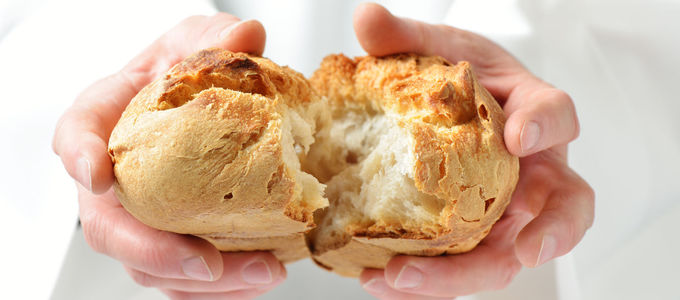
Are you serious, Leonardo? Dinner rolls? The bread on the menu of Da Vinci's famous painting of Jesus’ Last Supper does not quite correspond to the historical reality. And the whole question of what kind of bread was served at the Last Supper is already tricky enough. Nevertheless, let us attempt a foray…

The sacraments (25): Being and being there

Bread and wine: “This is My” body and blood. For over 2,000 years, Christians have been racking their brains over these words spoken by Jesus at the Last Supper. “Is”—what is that supposed to mean anyway? The answers to this question have been shaped by the mindset of the respective ages.

The sacraments (24): From Last Supper to Holy Communion

Breaking of bread, Eucharist, altar sacrament: these are not merely three designations for Holy Communion. These terms also outline the path which the celebration took in its early days: away from the familiar evening meal and toward its place in church service.

The sacraments (23): The Lord’s bountiful table

The New Testament says little about how, but all the more about why and what for. So how does the Bible interpret Holy Communion? Here is a look at the words of the one who instituted it, Jesus Christ.

The sacraments (22): Soft or solid, just a question of time

Was the Last Supper of Jesus a Passover meal? This question helped ignite one of the greatest divisions the church has ever seen. And to this day, it is this question that determines how we celebrate the sacrament. The underlying problem: the Bible contradicts itself.

The sacraments (21): At the table with Jesus and the disciples

A farewell dinner among friends—with some far-reaching implications: for 2,000 years, Christians of all denominations have been celebrating this festive meal over and over again. Here is what the New Testament has to tell us about the last supper of Jesus Christ.

The sacraments (20): Too comprehensive for a single word

Lord’s Supper, Communion, the Eucharist: these are some of the most familiar designations for this sacrament. Yet these terms never appear in the Bible in this sense—other words are used instead. This article is all about the wealth of the various designations for the sacrament—and what they mean.

The sacraments (19): Eat and drink!

So far in our series on the sacraments in the church of Christ we have explored Holy Baptism. Now we are moving on to take a closer look at Holy Communion. What is the position of the New Apostolic Church?