




It was all about power politics. But then someone came along and turned everything on its head: the One who Himself would become the answer to life’s questions.
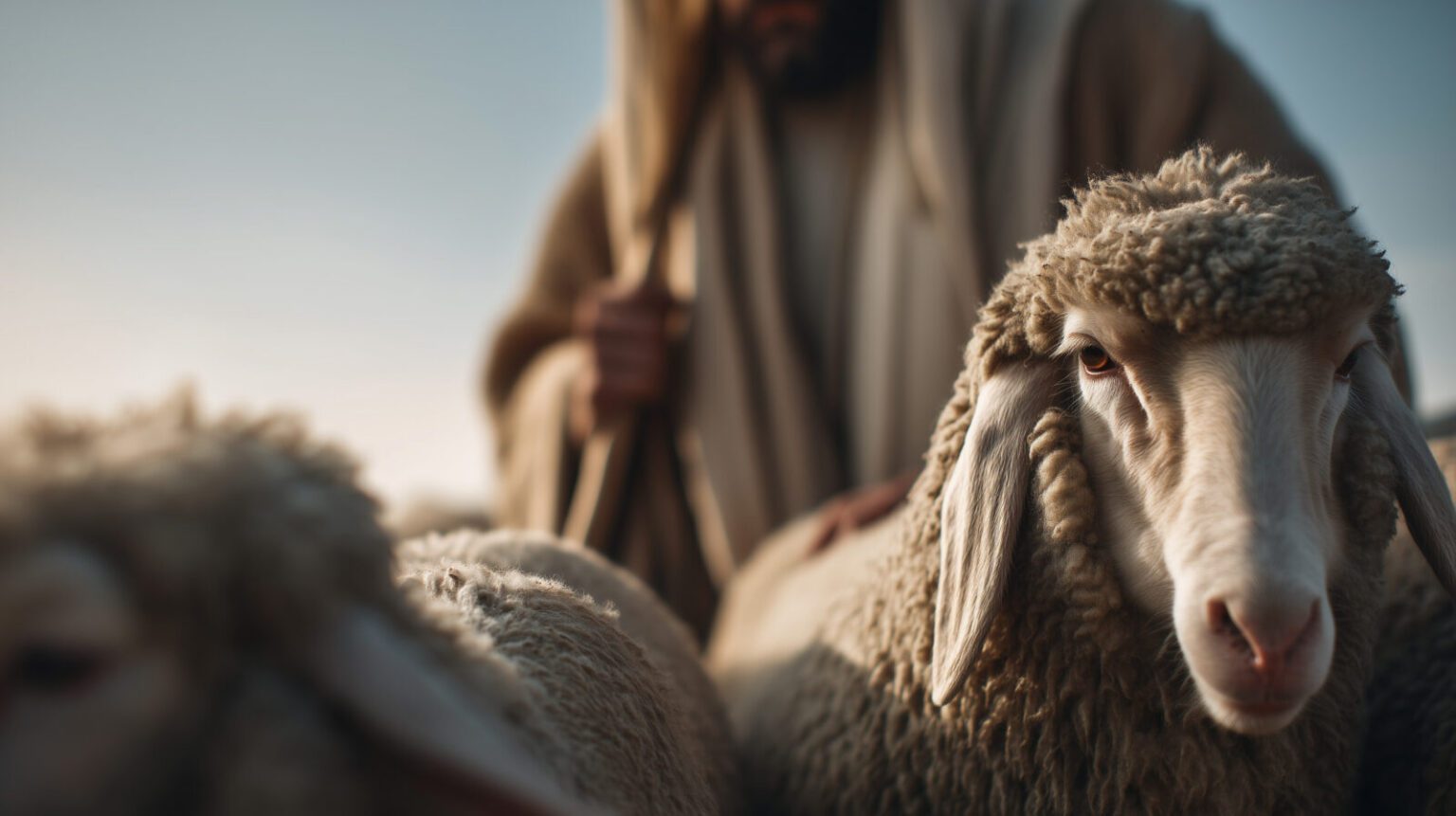
The biblical image of the shepherd comes to mind, tinged with a gentle romanticism. Lingering in my imagination is the cover art of the old Good Shepherd from days gone by. Yet this motif originates from somewhere else entirely: “I am Hammurabi, the shepherd, the mighty king,” the Babylonian ruler had carved into stone around 1,800 years before Christ.
The Old Testament takes up this theme and reinterprets it: “Woe to the shepherds of Israel who feed themselves!” protests the prophet Ezekiel, criticising the nation’s elite. And he conveys God’s promise: “I will feed My flock and make them lie down.” Psalm 23: 1 says: “The Lord is my shepherd …” And Jesus makes it clear: “I am the good shepherd.”
But what does such a shepherd do? He leads, cares for, and protects in both the Old and New Testaments. There are, however, fundamental differences.
A personal compass
The shepherd leads the flock. “He leads me in paths of righteousness,” declares Psalm 23: 3. And indeed, God showed the Israelites the way: “[God] did not take away the pillar of cloud by day or the pillar of fire by night from before the people.”
Jesus, too, knows how to lead and guide: “My sheep hear My voice … and they follow Me,” He continues, using the image of a shepherd. But He goes even further: “I am the way.” Thus access to God is opened only through a relationship with Christ.
More than enough
The shepherd cares for the flock. “He makes me to lie down in green pastures; He leads me beside the still waters,” celebrates Psalm 23: 2. Indeed, God causes manna to rain down upon the Israelites in the desert, bread from heaven, like dew. And He made water gush forth from a rock.
Jesus, too, turns the little there is into more than enough: the multiplication of the loaves in the feeding of the five thousand. But here, too, the new surpasses the old. Jesus does not merely provide bread for life. He declares, “I am the bread of life.” Thus, faith is no longer nourished by gifts, but by fellowship with Christ.
Deliverance that costs everything
The shepherd protects the flock. “Your rod and Your staff, they comfort me,” testifies Psalm 23: 4. This staff, shevet in Hebrew, is no mere walking stick but a weapon, like a club or cudgel. In this same spirit, God intervenes when the Israelites find themselves trapped: caught between the Red Sea on one side and the Egyptian army on the other.
Once again, Jesus goes far beyond this. Not only does He protect from the outside but intervenes Himself. Where the power of death descends upon humankind, He Himself steps into the breach: “The good shepherd gives His life for the sheep.”
Jesus leads through all things
Herein lies our comfort to this day: those who believe are not spared from every trial but are kept through them all. For in the end, Jesus will lead His flock safely out of all danger into a reality where no threat remains. What begins here as protection ends there in eternal security.
And then, suddenly, the shepherd himself stands before us.
Photo: KotBaton – stock.adobe.com