




Epiphany, Épiphanie, Fiesta de revelación … This term has made an appearance in our church calendar and is rather unusual for us. However, it is one of the oldest Christian festivals.
Basically, Epiphany, the name used by the ancient church, is the forerunner of Christmas. The word comes from Ancient Greek and means “manifestation” or “appearance”, in the sense of self-manifestation. As early as around the year 300, particularly in the eastern part of the Mediterranean region, January 6th was celebrated as the day of Jesus’ birth, commemorating the manifestation of God as a human being in the world.
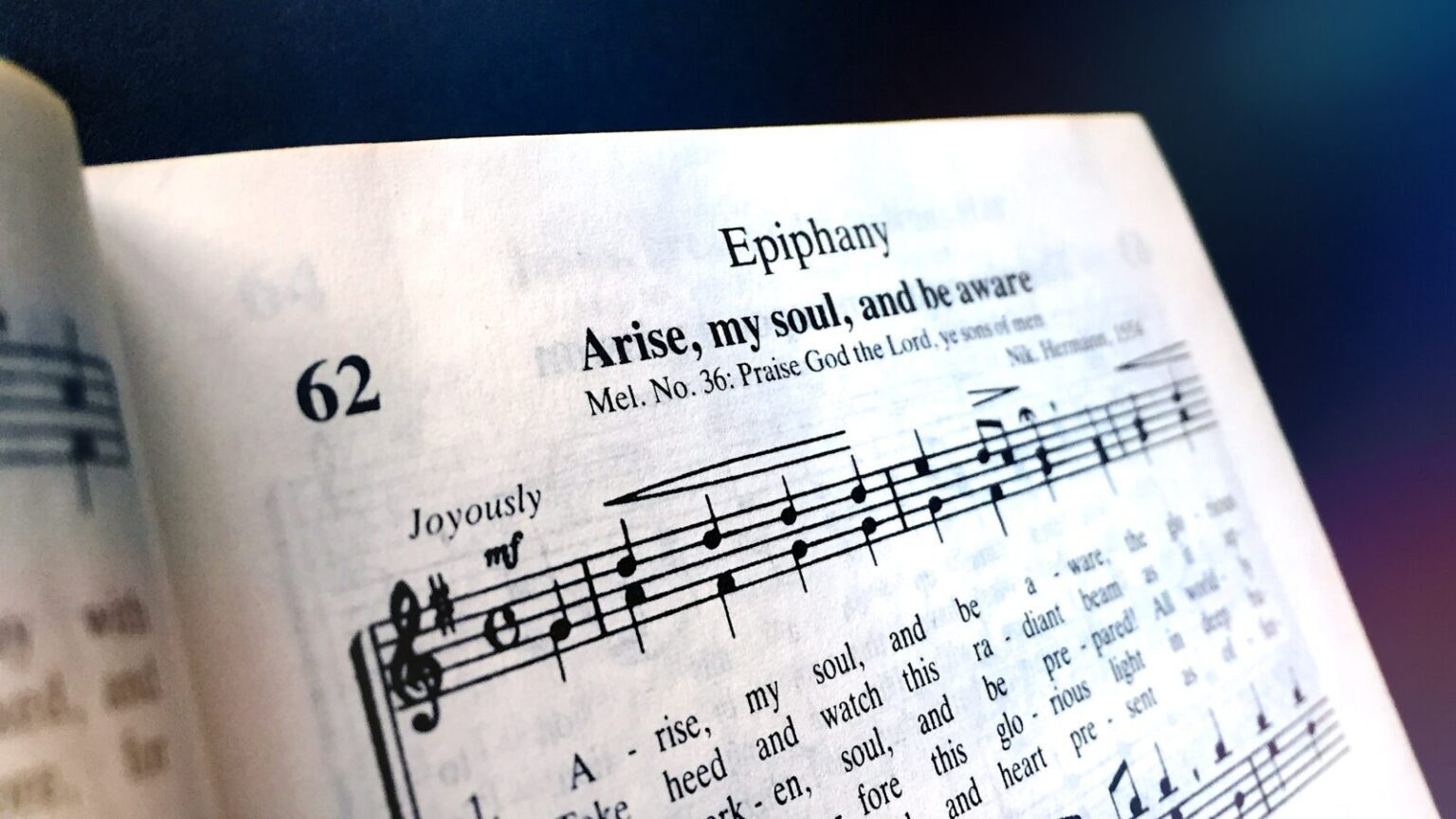
The old English (1925), French (before 2015), Spanish (1986), and German (1925) hymnals of the New Apostolic Church feature hymns to mark the season. Hymns No. 62 to 68 are grouped under the category “Epiphany”, and deal primarily with the resplendent light and glow that the birth of the Redeemer brings to humanity. “Jesus, great and wondrous star” is a typical example in this category.
A postponed birthday
Before long, Epiphany received stiff competition. Starting in the fifth century, the celebration of Christmas started to spread. Under the influence of the Western (Roman) Church, December 25th came to be established as the day celebrating the birth of Jesus. Epiphany, the older Christian holiday, was redefined as the feast of the baptism of Jesus to be commemorated on 6 January. It was during the baptism of Jesus at the Jordan that He first appeared in public.
New Apostolic Christians in Eastern Europe, for example in Russia, are quite familiar with Christian feast day. The festival there is officially called Theophany, meaning “the appearance of God”. However, it is also more commonly known as the “baptism of the Lord”, kreschenije Gospodne. Since it is bitterly cold in eastern Europe at this time of the year, people also speak about the Epiphany frosts.
Ice water and gifts
Orthodox Christians celebrate this day with a variety of traditions and practices. People plunge into a hole that has been cut into the ice of frozen rivers and immerse themselves three times. Ice water that has been consecrated is filled into bottles that people then take home. In New Apostolic congregations, however, Epiphany is not commemorated in any special way. At best, the brothers and sisters greet each other with a special greeting.
Although Epiphany is a very traditional feast in Greece, and the day is a public holiday, spiritually it plays little or no role for New Apostolic Christians there. A very special custom developed in Italy. The Italian word for Epiphany, Epifania, was altered over time and became Befana. This is the name of a kind-hearted witch who delivers gifts to children like Saint Nick or Santa Claus in other parts of the world.
What the religious festival means today
For some time now, Epiphany has regularly appeared in the international church calendar of the New Apostolic Church. The central idea of the Divine Service Guide article in 2013 was: “Jesus Christ reveals Himself also today and points the way to salvation.” In 2019 it was: “Christ left the glory of His Father and became true man out of love for us.” And 2025 explained: “As the true light, Jesus reveals the love of God.”
And this year, Epiphany is all about the prophet Simeon’s song of praise. Simeon recognised the Saviour of the world in the newborn and vulnerable infant. And that filled him with deep peace. The end of the Christmas season gives us an opportunity to reflect on the baby Jesus once again and reflect on His significance for us today.
Photo: Oliver Rütten