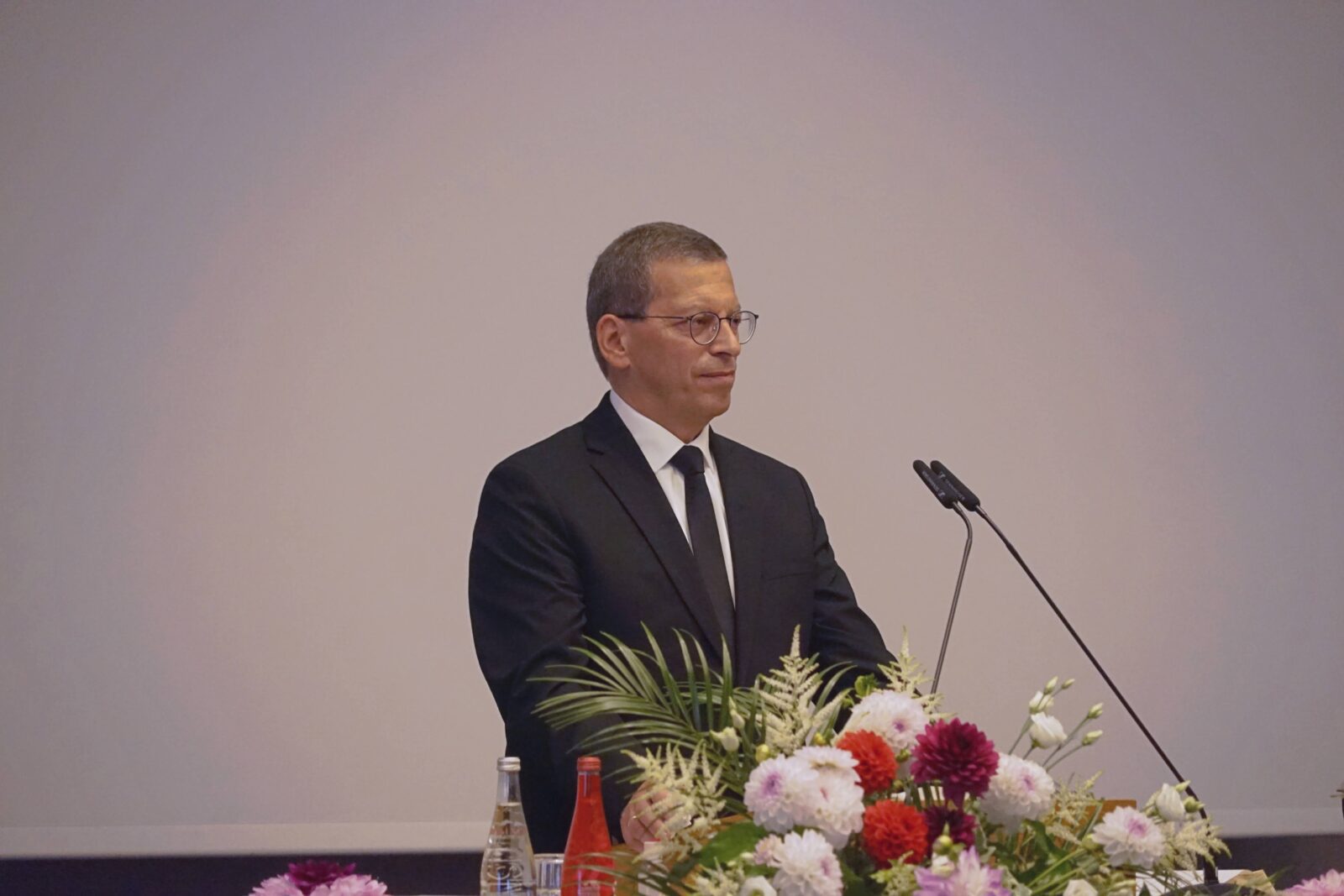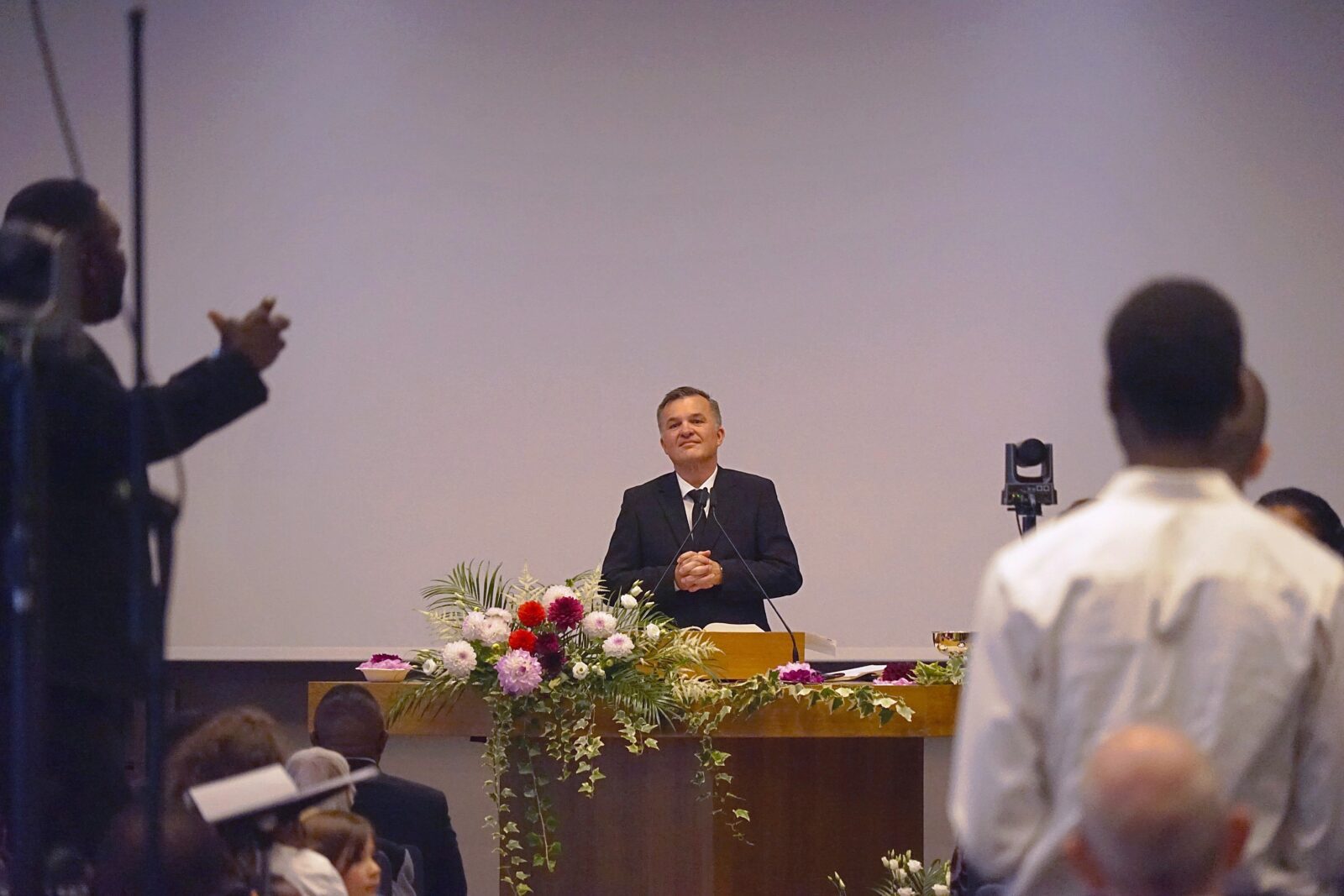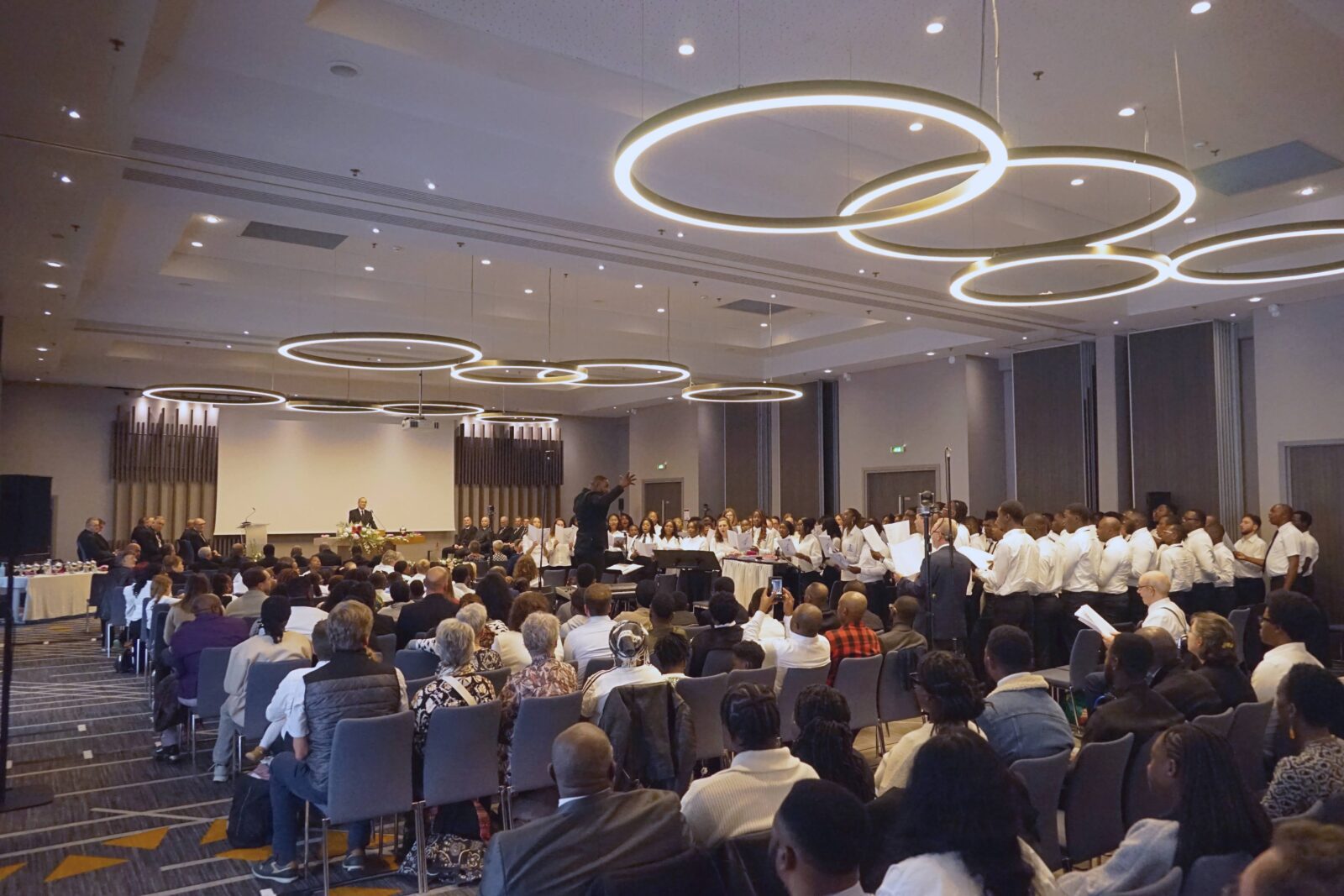




“This will not be to everyone’s liking,” the Chief Apostle said at the beginning of the divine service. Here is why Christians can and must be open about their faith today.
He had made enemies of everyone, this Paul: the Jews because he had turned away from them, the Greeks because they considered themselves intellectually superior, and the Romans because he placed Christ above the emperor.
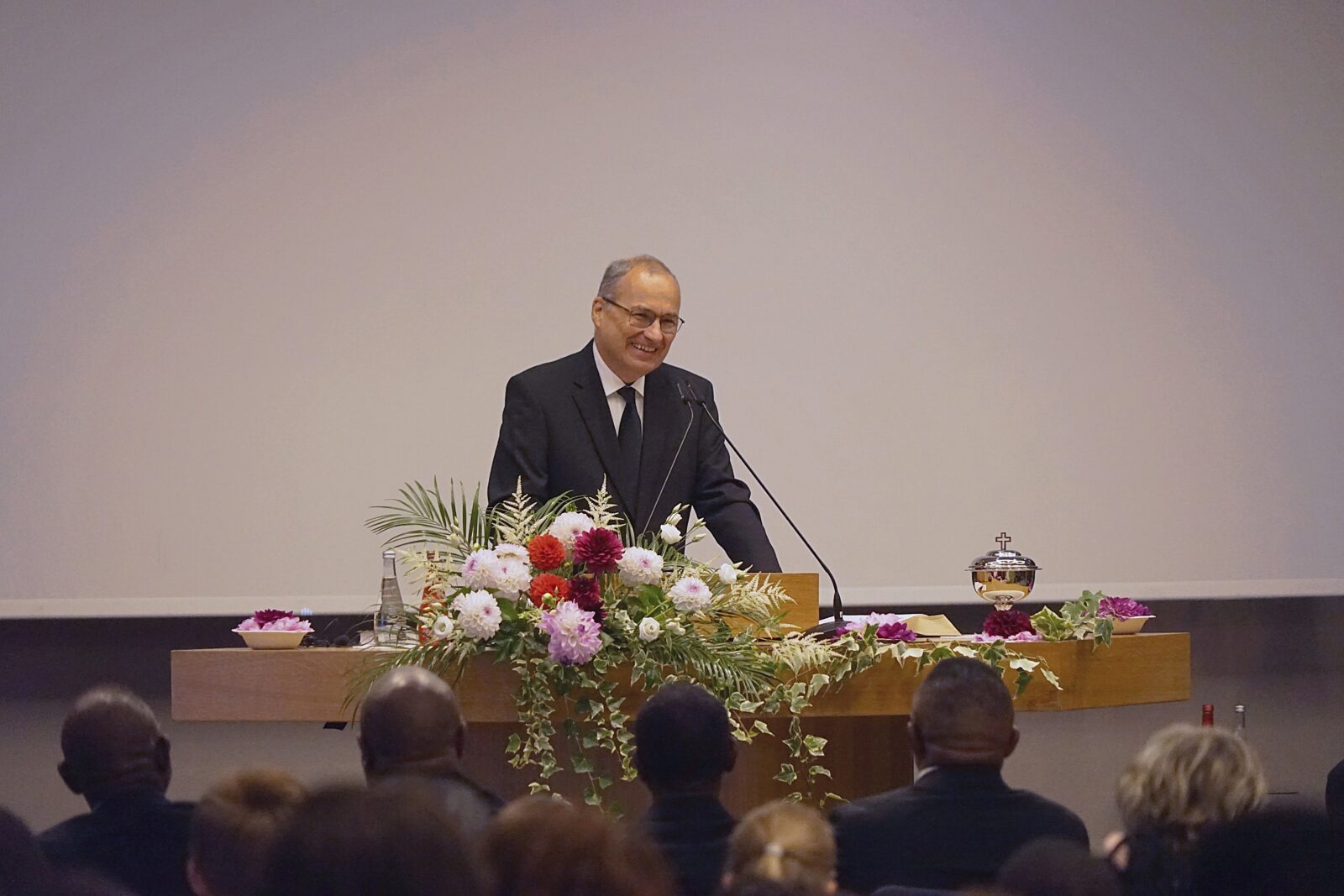
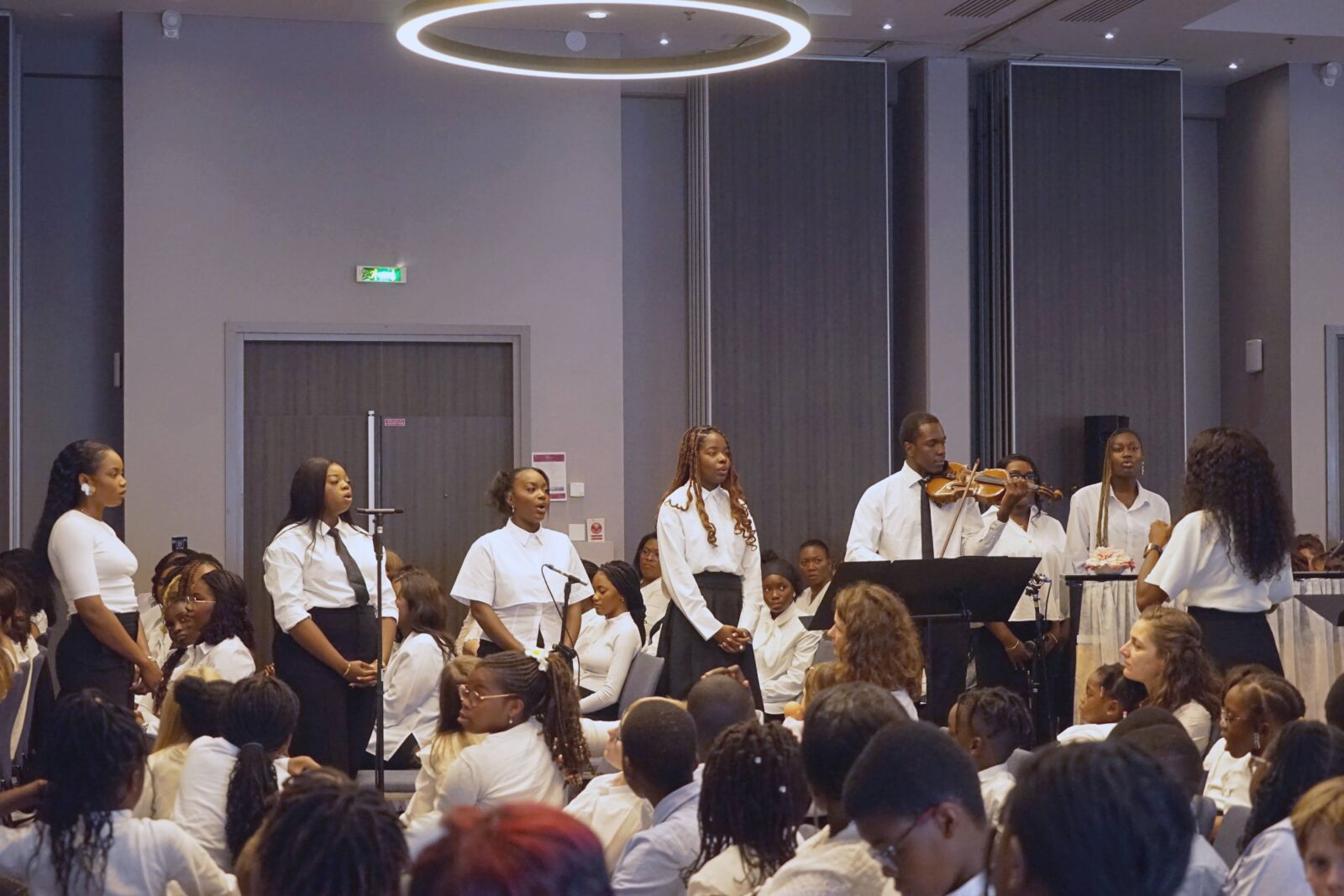
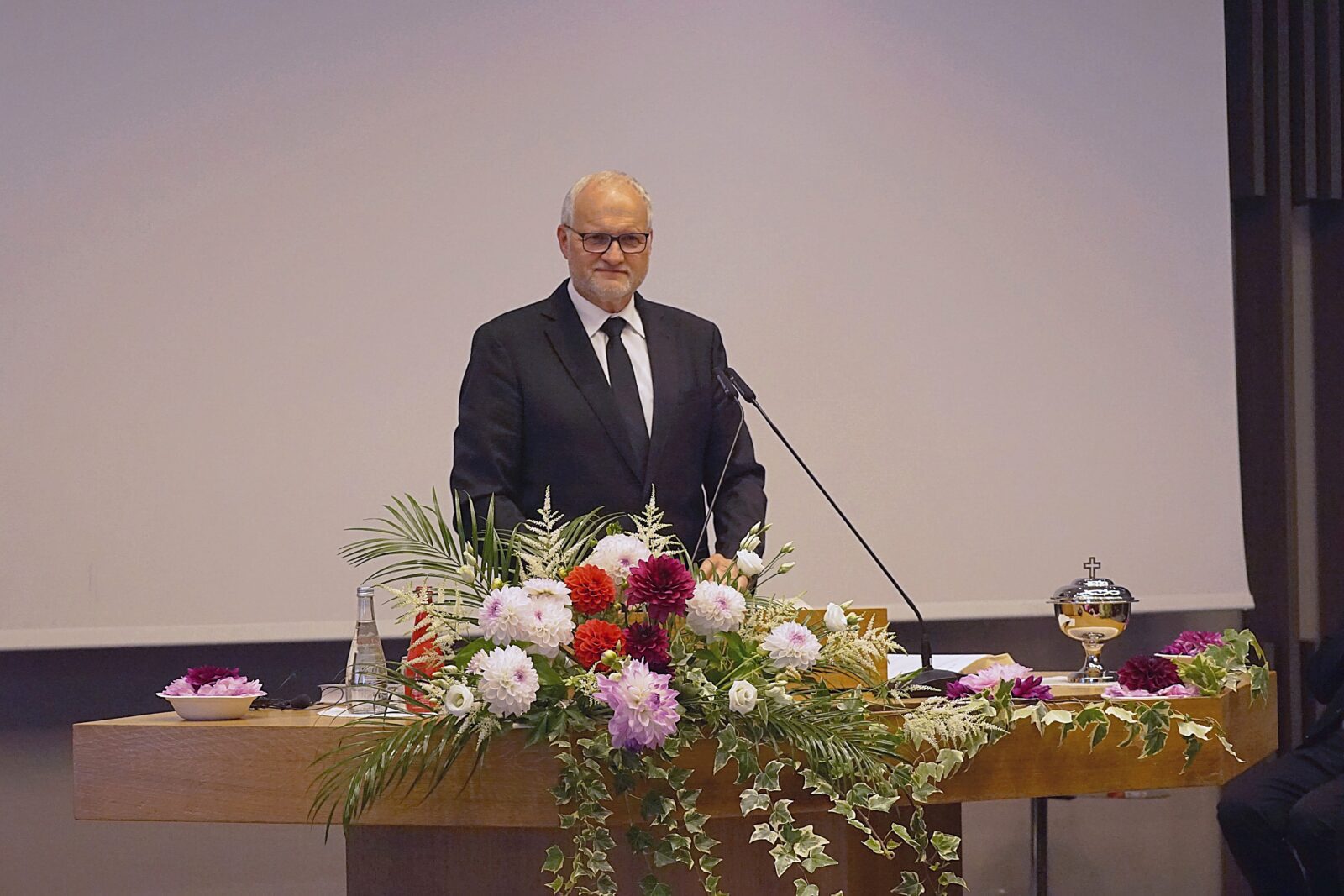
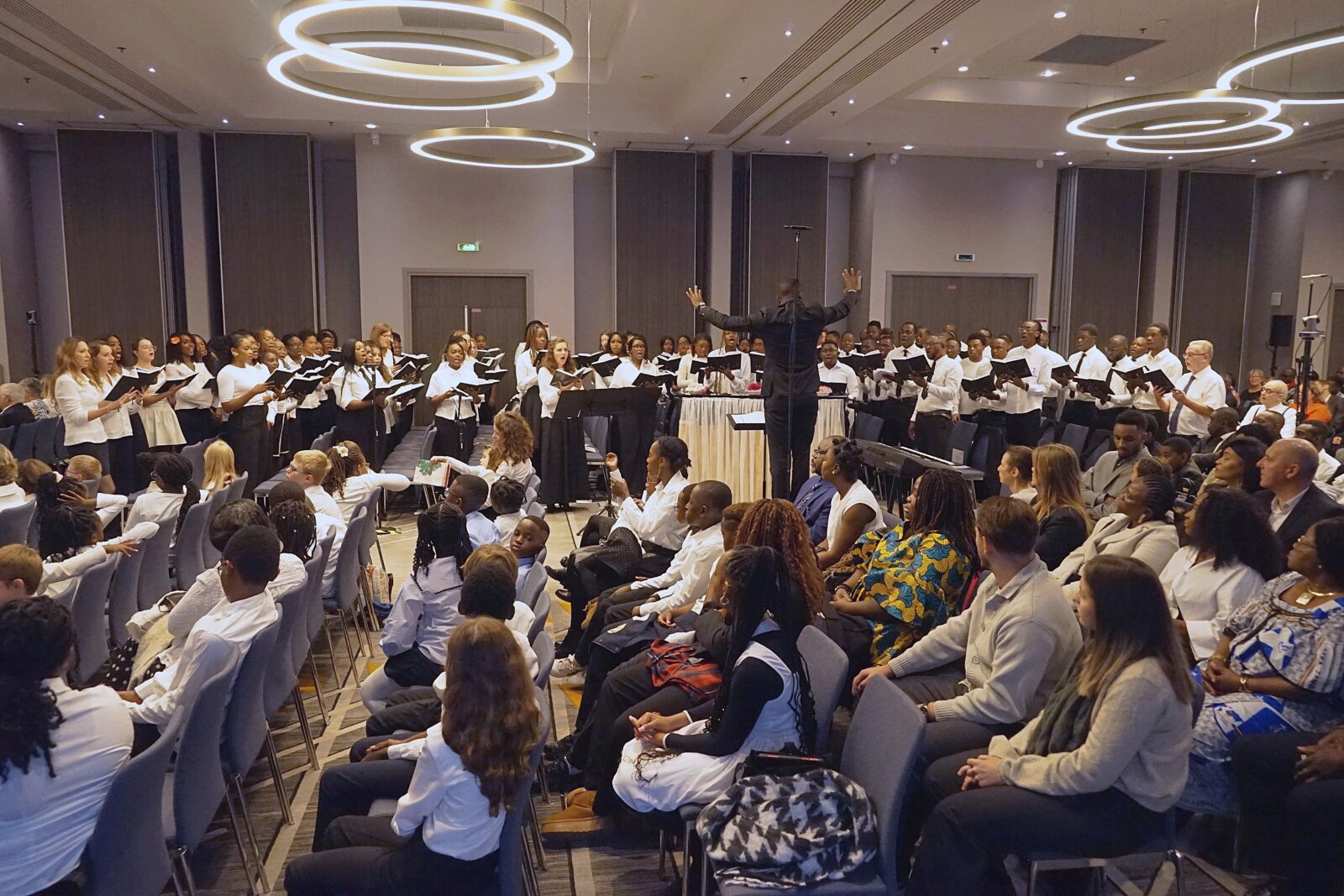
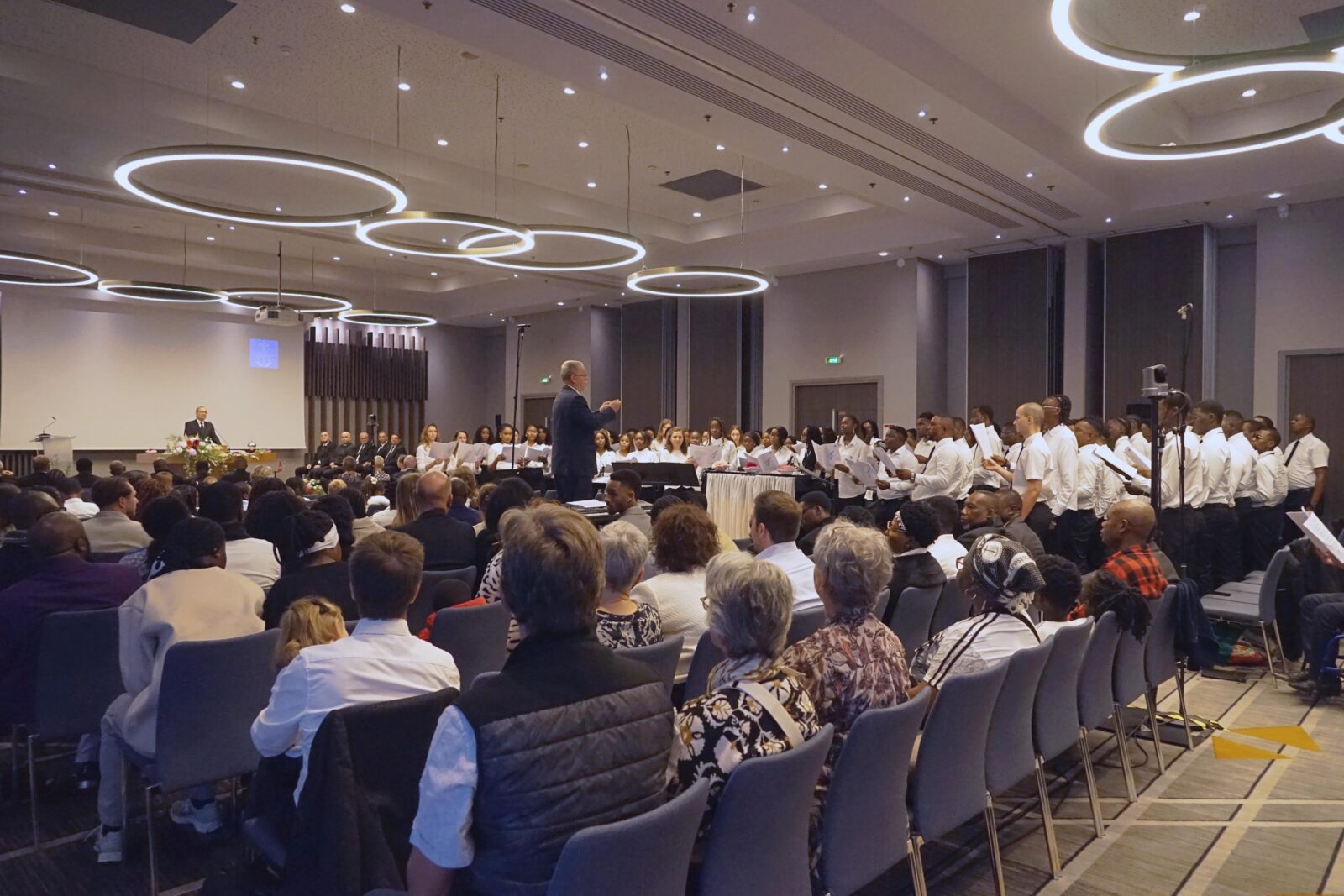
And yet he said, “For I am not ashamed of the gospel of Christ, for it is the power of God to salvation for everyone who believes, for the Jew first and also for the Greek” (Romans 1: 16). This was the basis for a divine service in Roissy-en-France on 28 September 2025.
The quiet shame of faith
“What is shame?” Chief Apostle Jean-Luc Schneider asked and answered: a painful sense of embarrassment, of awkwardness, or even fear. And this also applies to Christians today “because the majority opinion definitely does not reflect the Christian faith”.
People don’t talk about their faith for fear of being marginalised or rejected. People are afraid of being laughed at because the gospel is seen as an outdated doctrine for the uneducated. They are ashamed of all the mistakes that Christians have made.
We do not need to apologise for the gospel
“If we are asked to defend our values, then we do not need to be ashamed of the gospel,” the Chief Apostle emphasised, saying that no one should be ashamed to speak out and say, “No, I believe in Christian values, I believe in the commandments, I believe in Christ.”
“The most extreme, the most idiotic, the most far-fetched ideas” are being promoted and aired today and demand respect. “Why should Christians remain silent? There is no reason for this. Why should we be ashamed of the gospel, of defending Christian values?”
Why Christians should not remain silent
Why should we not be ashamed of the gospel? “Because the gospel is not a handicap, a straitjacket that is imposed on us to make us well-behaved, nice, and obedient.” Rather, the gospel is a power, a force that illuminates our lives and gives them meaning, the Chief Apostle said. In fact, it gives us the strength to carry on no matter what happens and to overcome difficulties.
“The gospel is a power that makes us strong, gives us confidence, and gives us hope.” Because: “I know what the right path is, what the right values are, namely those that will pay off in the end and not lose their value over time.” And: “We know that, in the end, Jesus will win. For us, for those who follow Jesus, the story will end well. That gives us confidence and assurance.”
Not a crusade, but a faith that is practised
“This gospel works,” the Chief Apostle continued. However, “the effectiveness of the gospel depends on the depth and intensity of our faith,” he said. “So if we don’t feel the full effect of the gospel, we really need to ask ourselves some questions.” This includes: “Is our faith intense enough? Is it deep enough? Is it sincere enough? Or is our faith just a synonym for the exercise of religion? Or does it consist of simply following a set of rules and traditions?”
“This is not about starting a crusade and converting the whole world,” Chief Apostle Schneider made clear. “Punitive faith, which is content to follow rules in order to be blessed and which hopes for the punishment of those who do not follow these rules, produces no fruit but only violence and bad reactions.”
Rather: “The whole idea is to live our faith, practise the gospel, serve God, serve our neighbour, and simply do what the Lord asks us to do,” the Chief Apostle said. “True faith in the gospel becomes active in love.”
Photos: ENA France