



While donations fluctuate, aid remains stable
With more than 3.3 million euros, NAK-karitativ has helped thousands of people in need back on their feet. Here is the 2024 Annual Report .
This is the vision of the German aid organisation: a world in which people can develop their potential free from hunger, with access to healthcare, and opportunities for education. The more than fifty measures are divided into four areas:
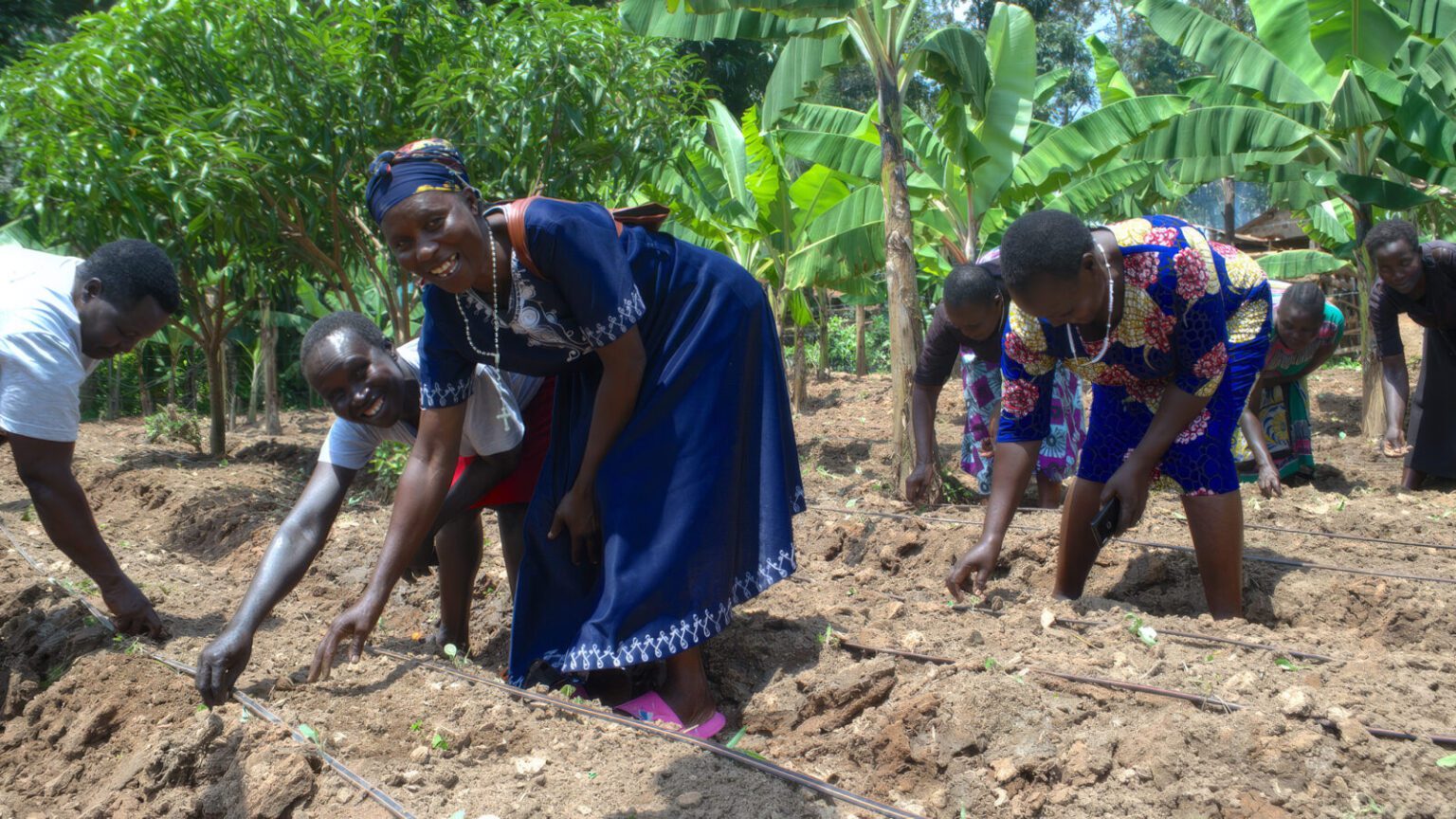
- Just under a third of the project costs in 2024 were attributed to the bread sector. The annual report cites food security in Kenya, as an example. This includes 36 school gardens, which yield several thousand kilos of vegetables and benefit more than 13,000 children.
- A good quarter of the costs was attributed to the health sector. This includes improving the water supply and sanitary facilities for dozens of schools and villages in East Africa and Malawi.
- Around 17 per cent went toward education: for example, to help young people in Armenia and Albania improve their computer skills.
- A further quarter went to disaster relief: for example, for 73 tonnes of food after a drought in Zambia, for trauma counselling for children in the Ahr valley in Germany, or to help rebuild farms for hundreds of families after a drought in the Philippines.
Almost two thirds of the funds went to Africa, with a focus on East Africa. The rest is shared between Asia and Europe. Projects were run in a total of 19 countries.
The project costs accounted for a good 91 per cent of the total expenditure of almost 3.7 million euros. In addition, costs were incurred for administration (6.4 per cent) and public relations (2.7 per cent).
Why donations fluctuate so much
On the income side, NAK-karitativ recorded a total of 4.4 million euros in the 2024 reporting year. This was almost 29 per cent down from the previous year. Two items, which were previously exceptionally high, have been drastically reduced: bequests (minus 1.6 million euros) and individual donations (minus 540,000 euros).
These two items are also responsible for the fluctuating income over the years. By nature, bequests cannot be planned. And the individual donations (most recently 2.4 million euros) were heavily influenced by disasters that made headlines in the media, such as the flash floods in Germany (2021, the war in Ukraine (2022), and the earthquakes in Turkey and Syria (2023).
Financially stable, strategically changing
The annual report states that the volume of donations has now normalised again. Meanwhile, there has been an age-related decline in regular donations. NAK-karitativ was able to counteract this with the help of State funding (most recently 530,000 euros). However, in times of austerity measures, State support is anything but certain in the future.
For now, the financial situation is stable: as in previous years, the aid organisation was able to set aside money from current operations. In 2024 it was a good 760,000. The charity now has a total of almost 8.7 million euros in its rainy-day fund. The report states that “projects can be realised on the same scale in the coming years”.
But NAK-karitativ is looking further ahead: it plans to establish a network of ambassadors to help raise awareness of the organisation within the New Apostolic Church and increase the volume of donations. And secondly, the charity plans to change its policy and invest less in many individual projects but more in longer-term programmes so that the money can be used more effectively and sustainably.