




Why does God allow weeds in His wheat field? The parable is an image of the church of Christ. And the answer to the question contains three tasks for every believer. Here is more on this subject from the Chief Apostle.
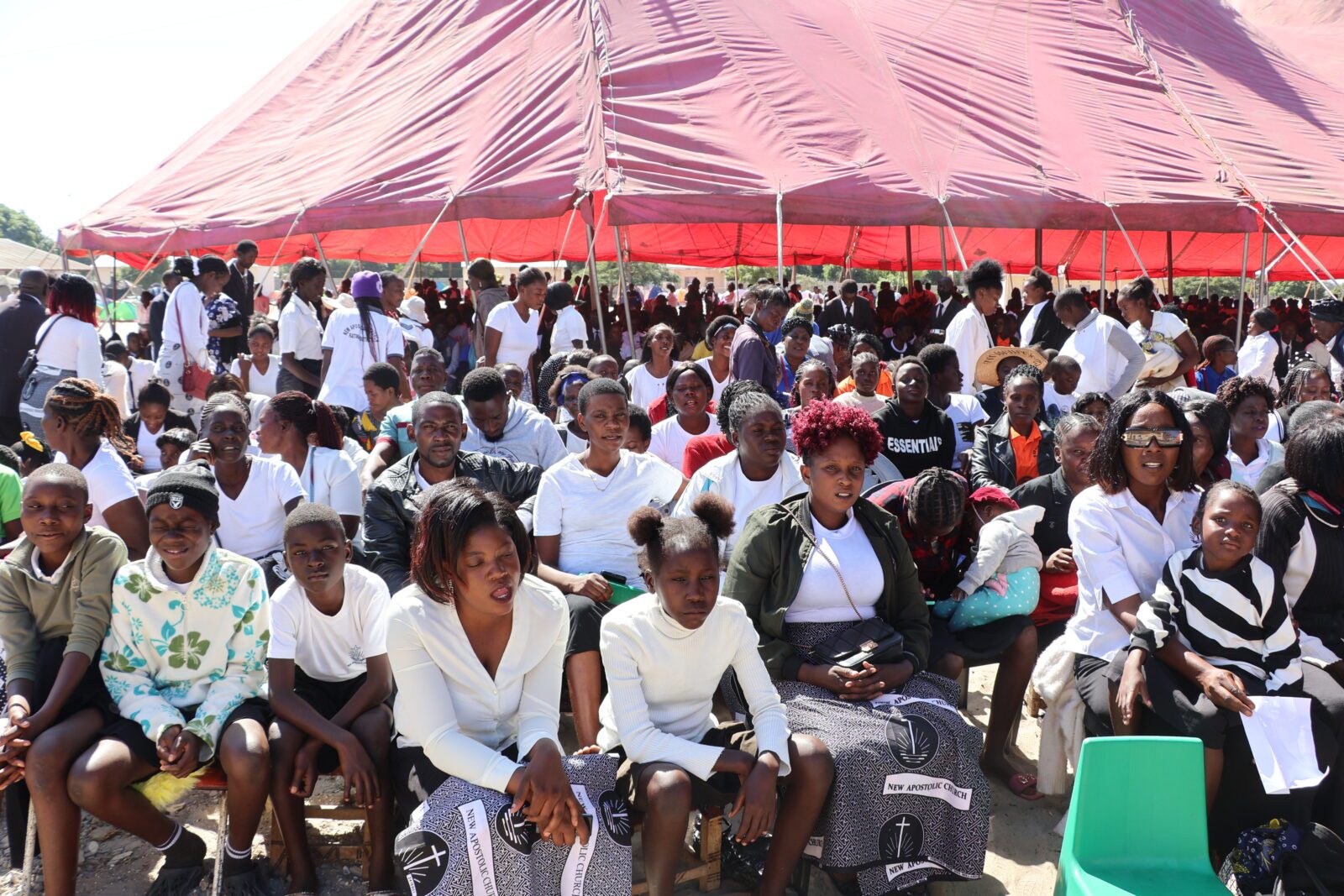
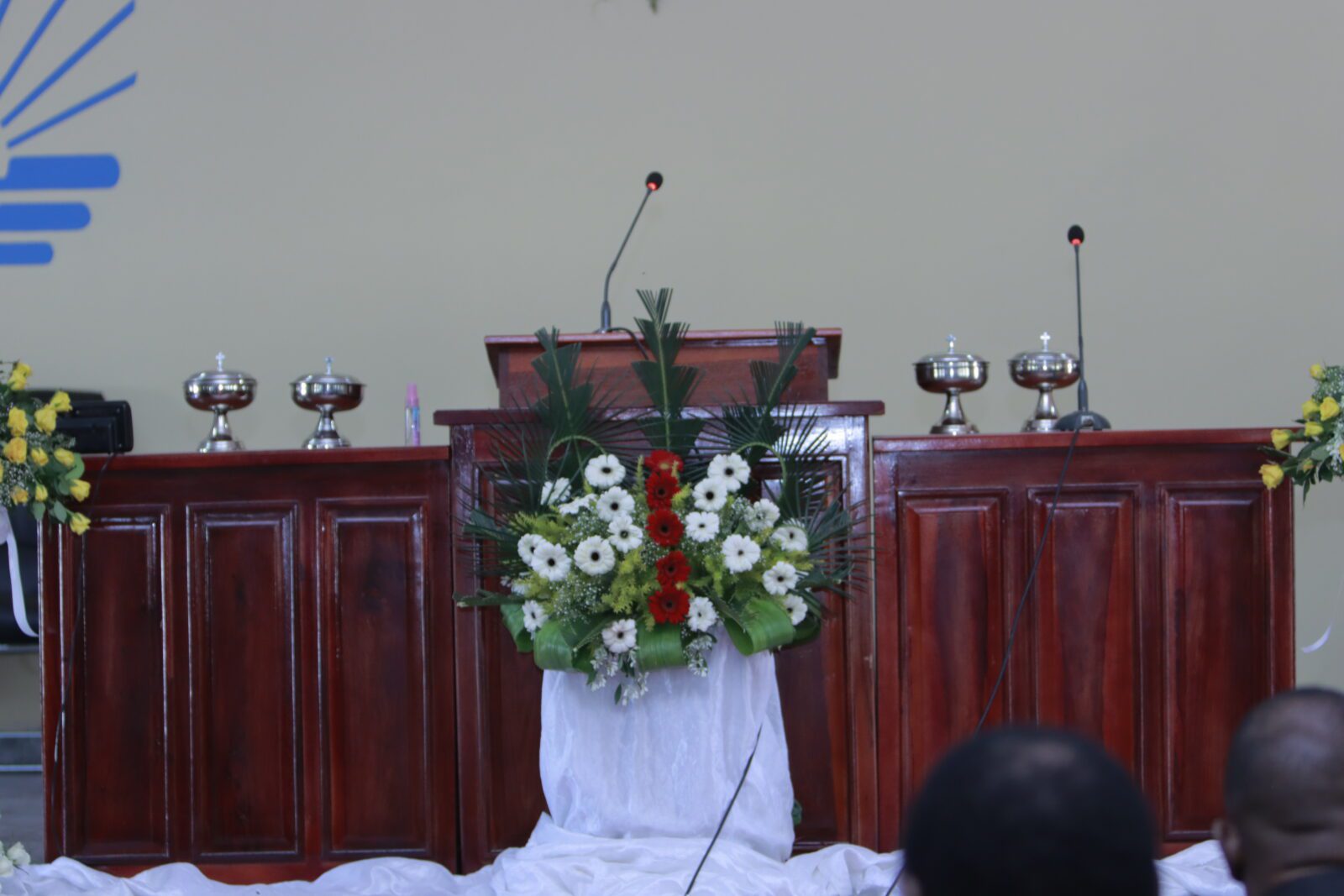
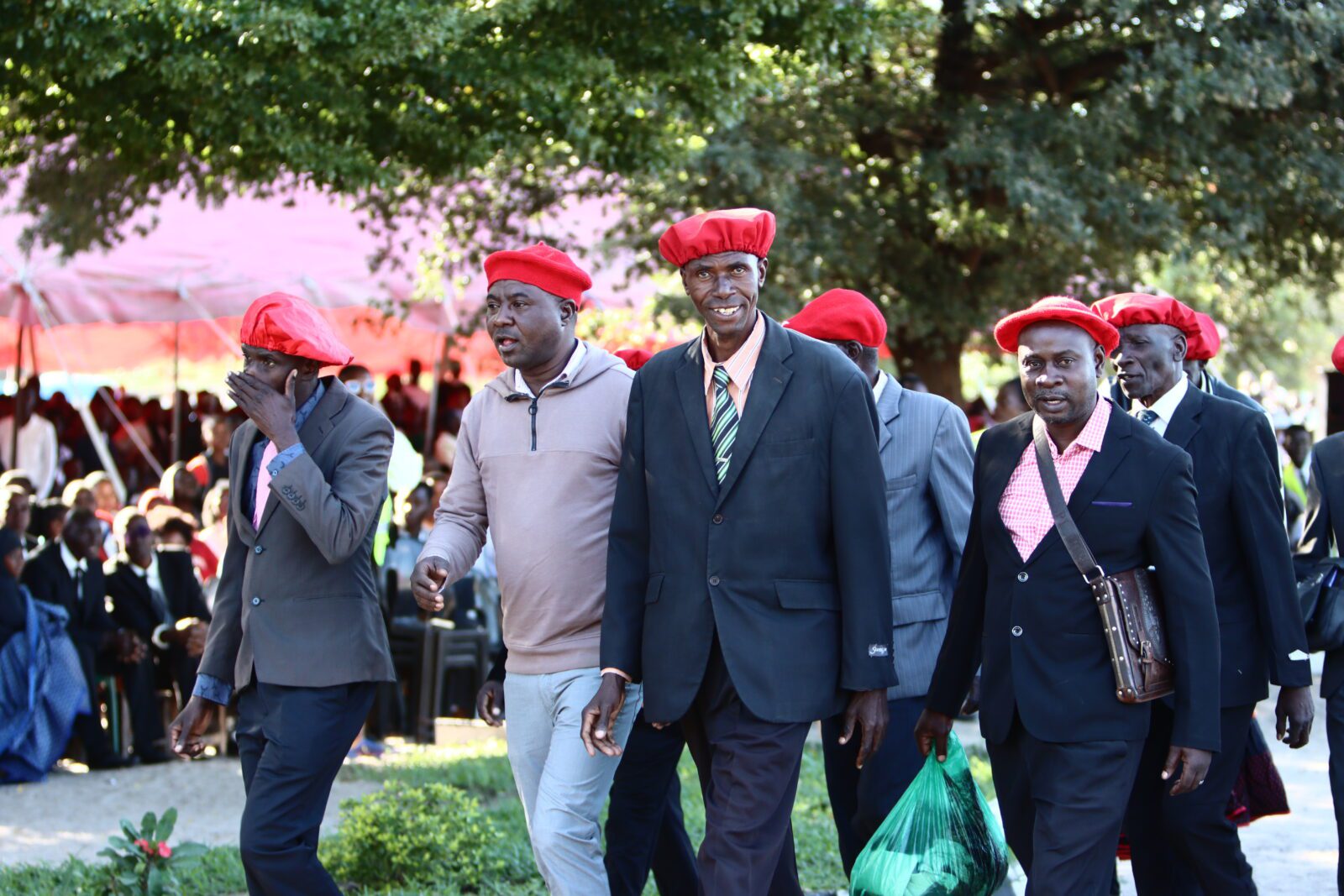
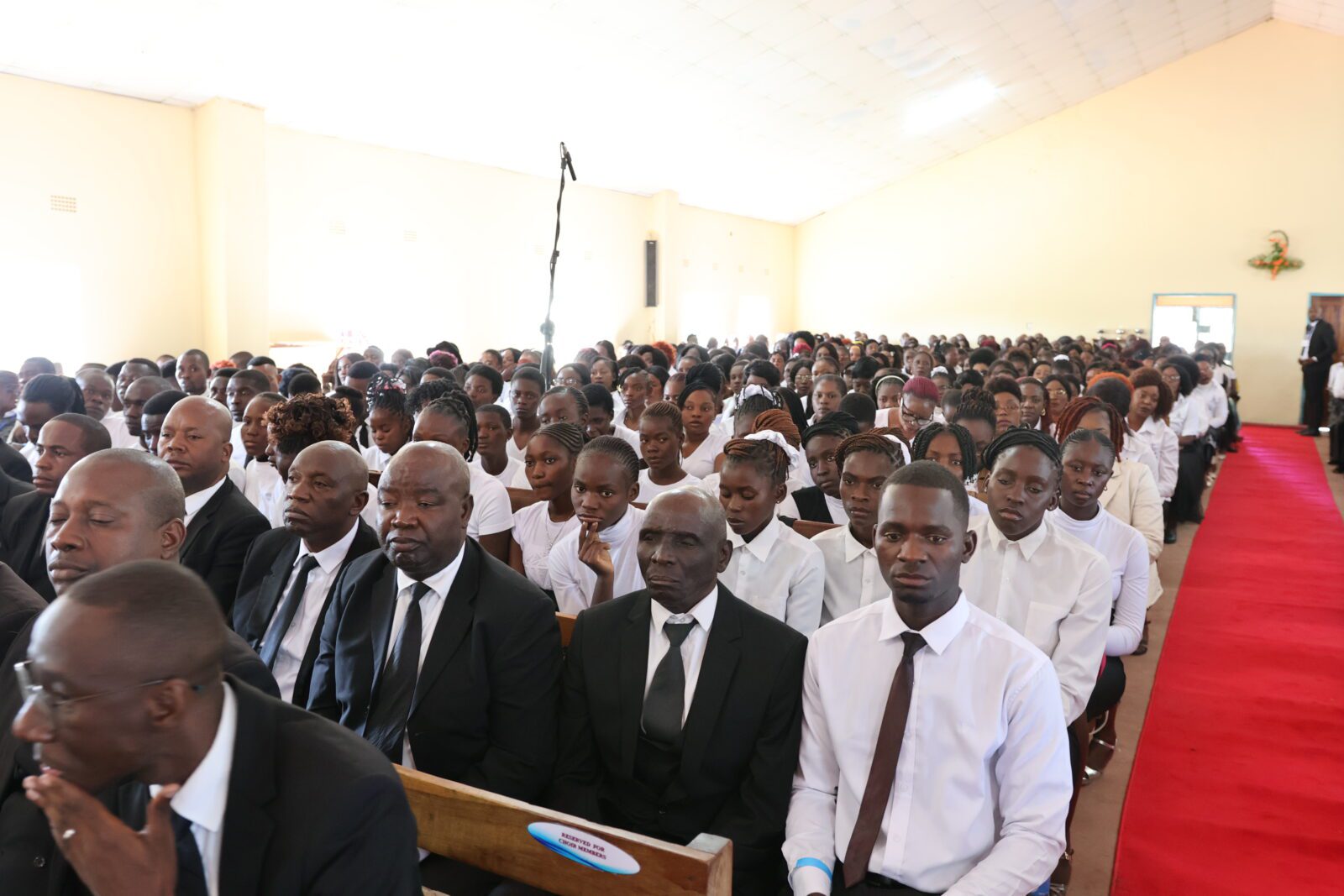
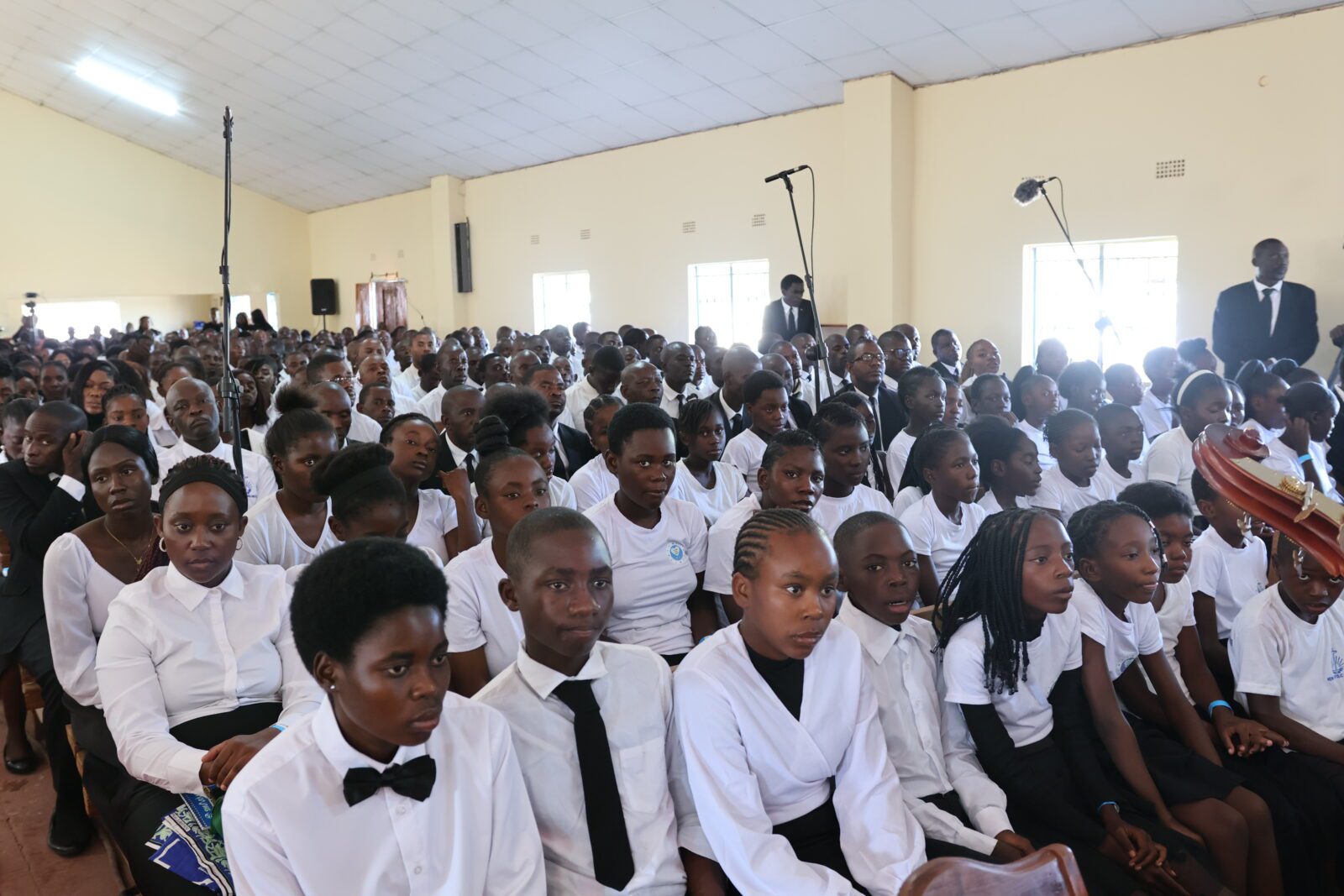
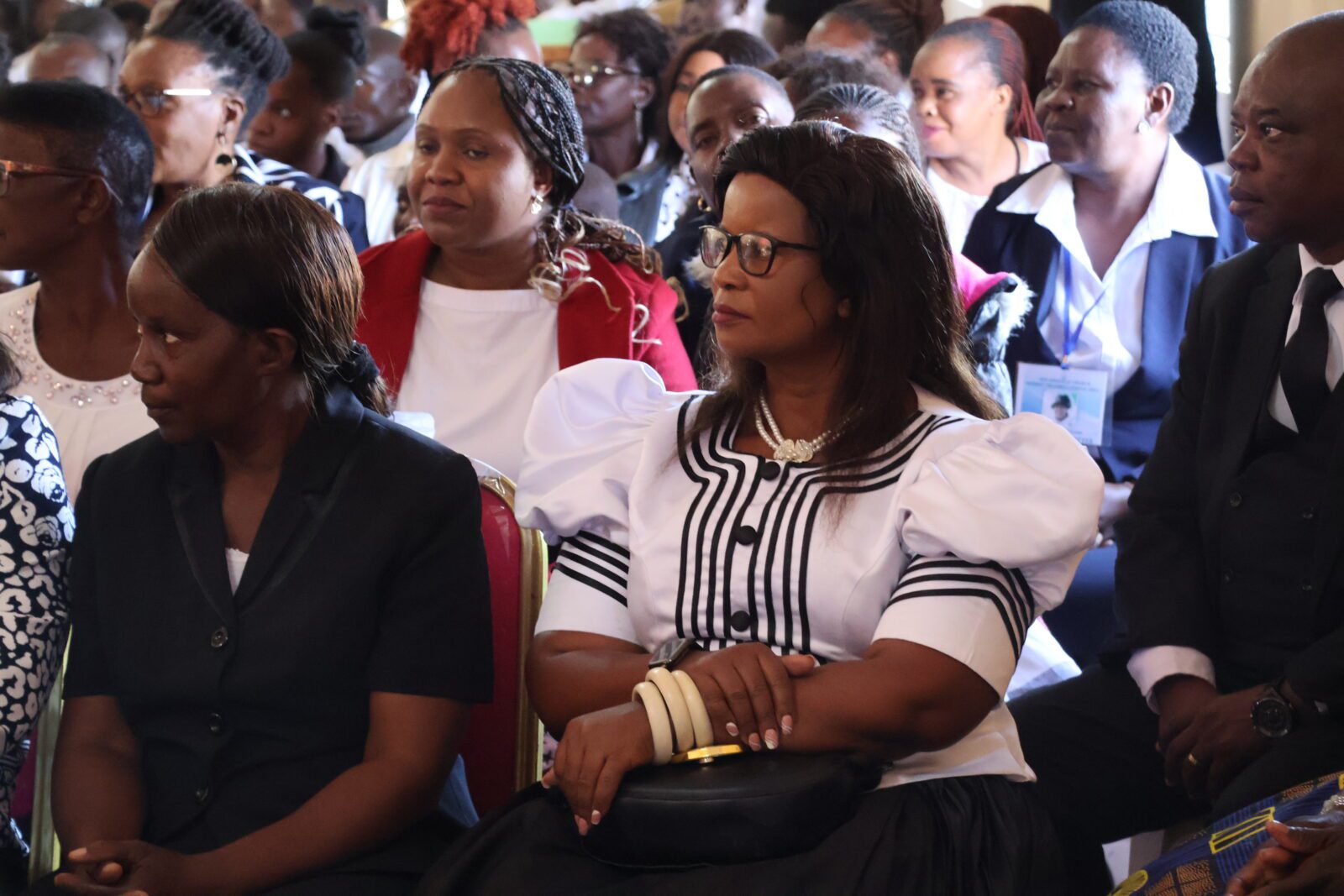
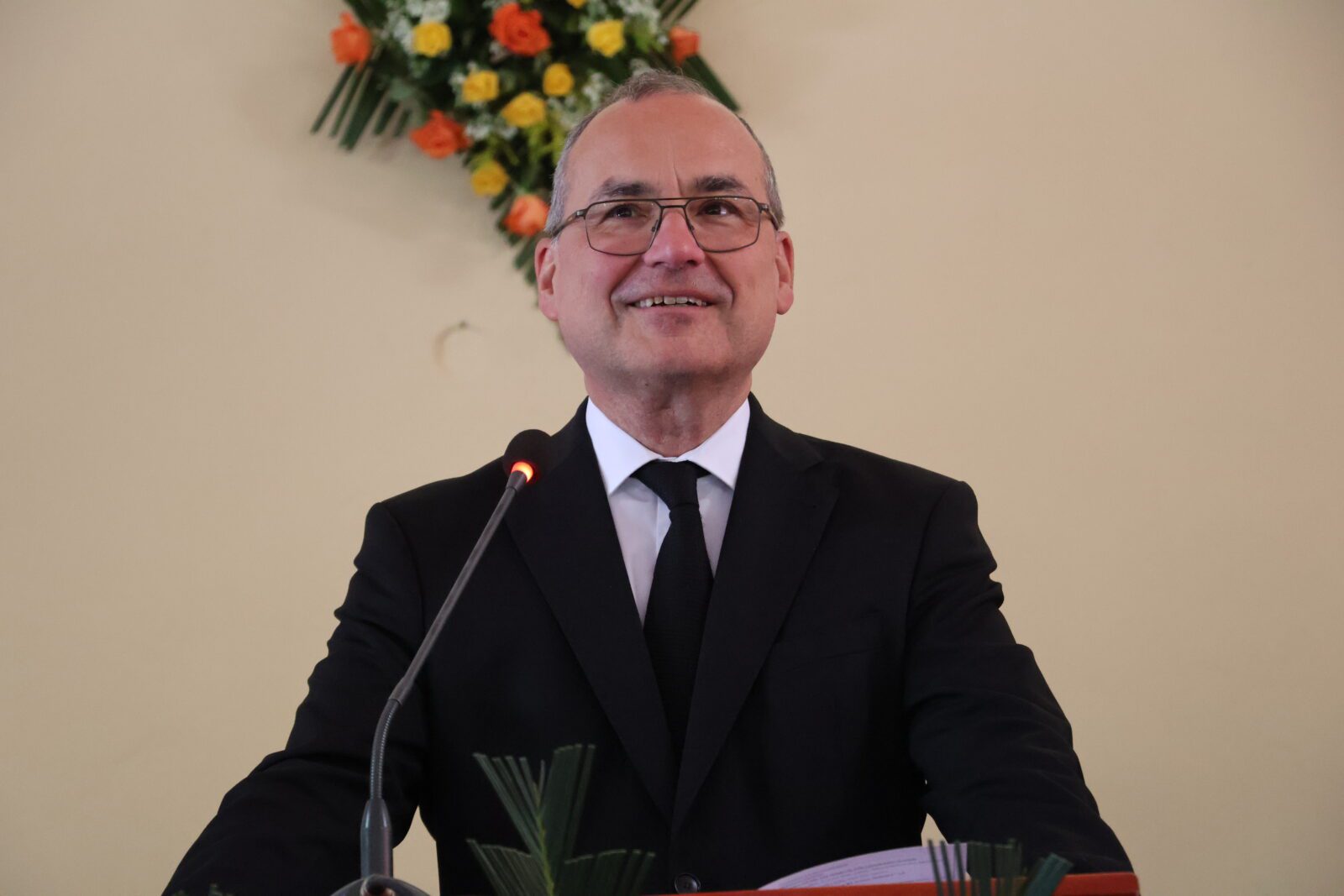
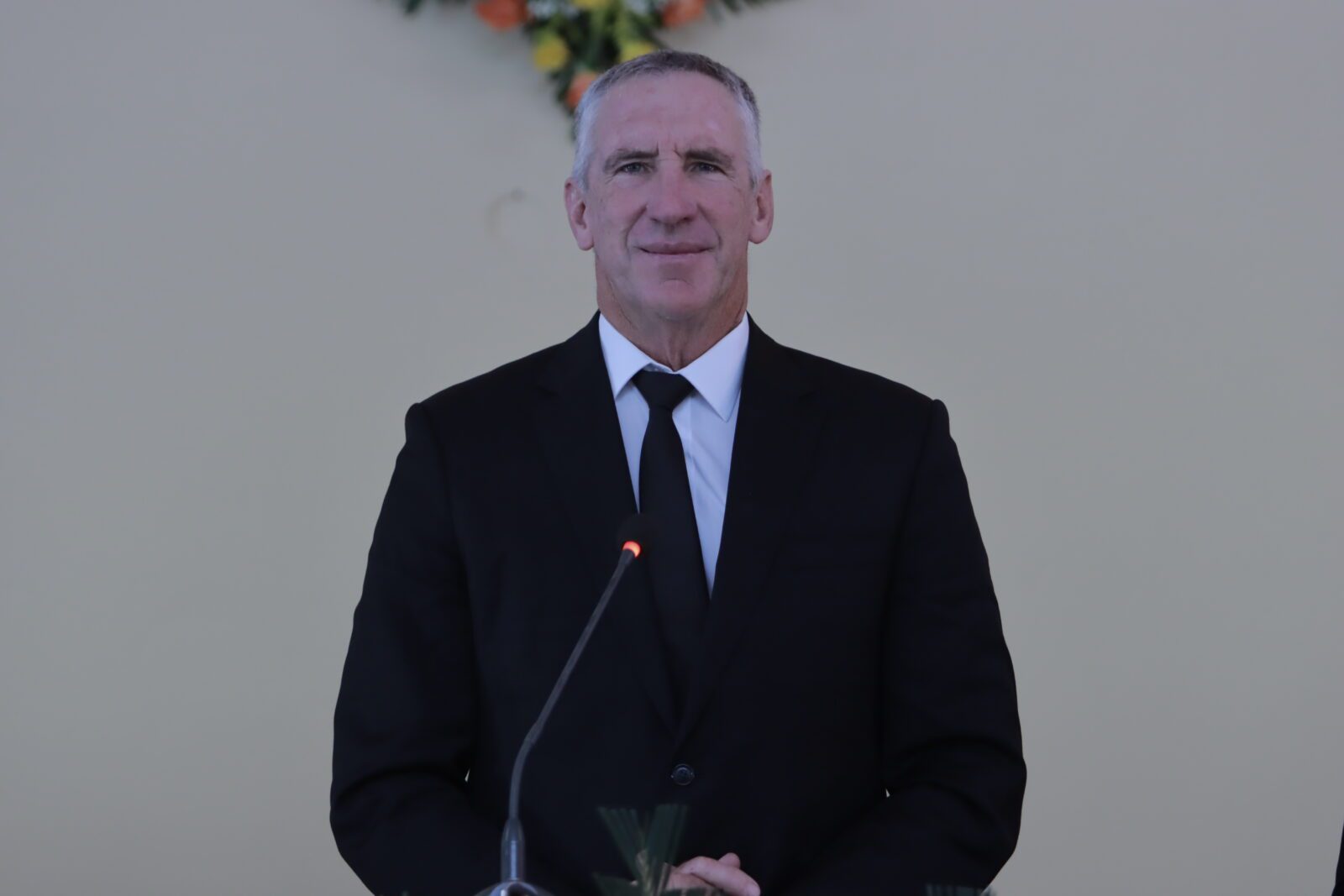
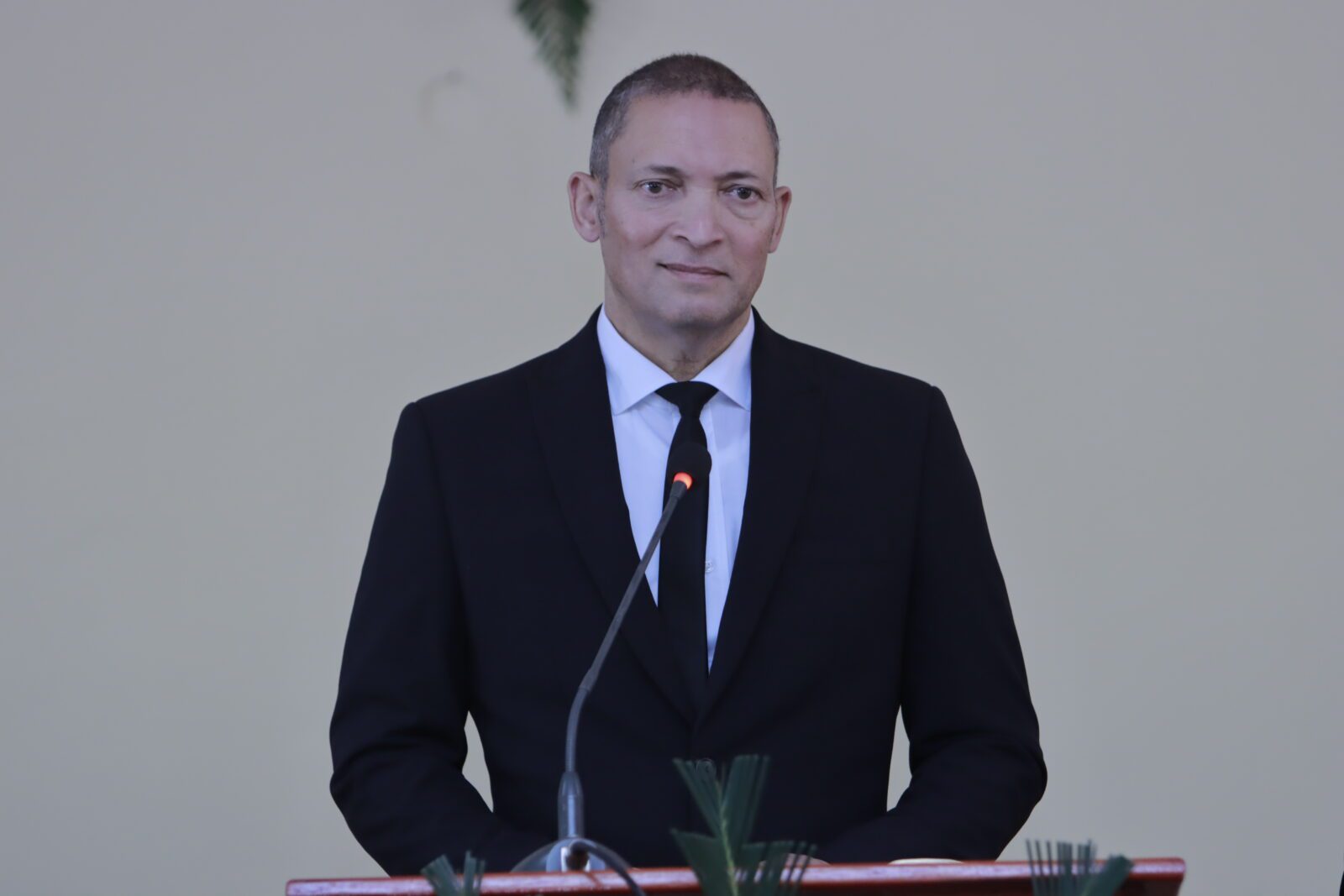
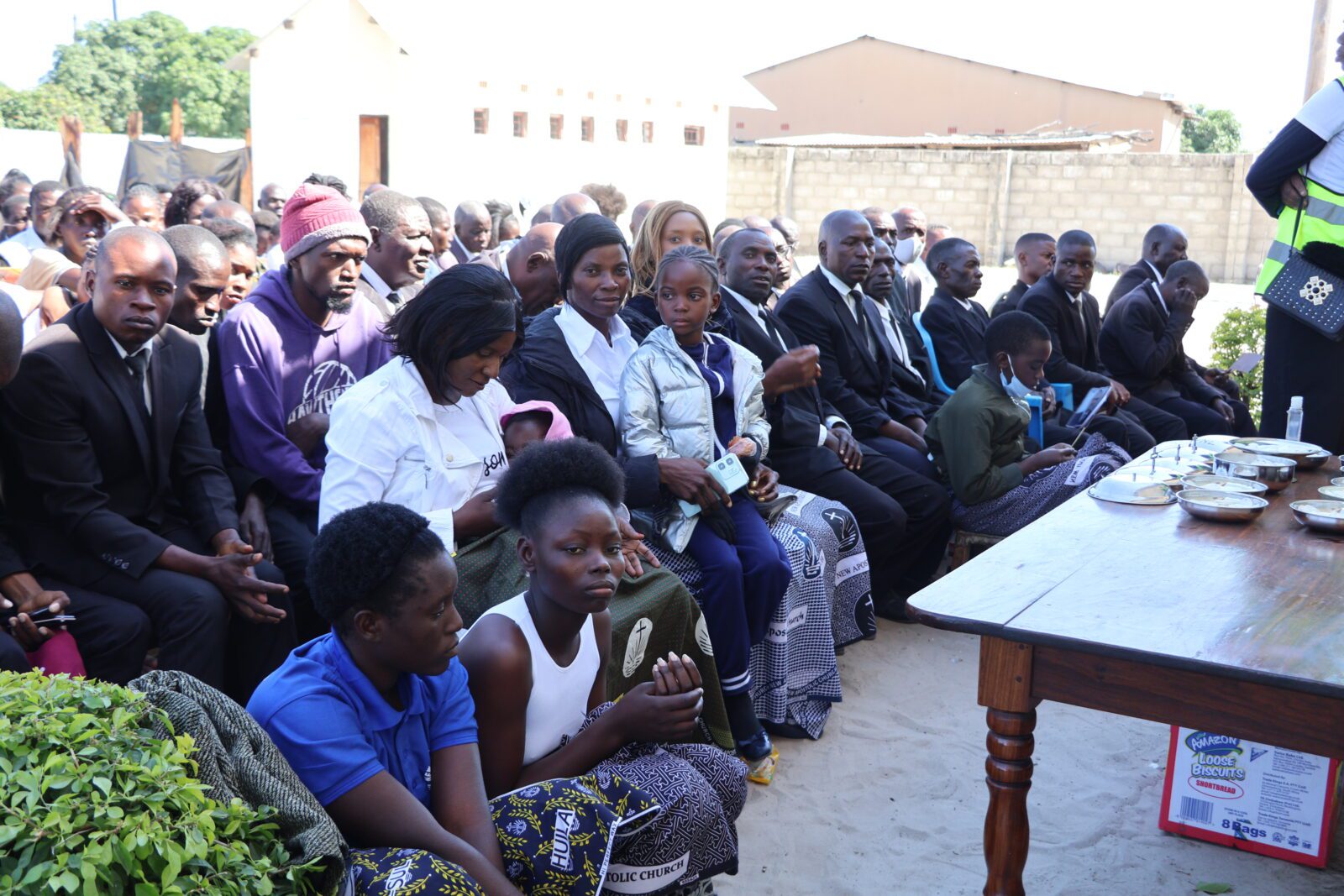
Chief Apostle Jean-Luc Schneider conducted a divine service in Sesheke in Zambia on 23 May 2025, with 14,707 people in attendance. The service was based on Matthew 13: 24–25: “Another parable He put forth to them, saying: ‘The kingdom of heaven is like a man who sowed good seed in his field; but while men slept, his enemy came and sowed tares among the wheat and went his way.’”
Wheat versus weeds
The wheat stands “for those who have received the good seed, the gospel, who have accepted it. And now Jesus Christ reigns in their hearts”, the Chief Apostle explained. And the tares, the weeds, symbolise those who do evil. This seed has been sown by the enemy.
Weeds everywhere
Weeds in the world. “If you look at the numbers, I think there are far more weeds than crops.” The weeds even seem to be getting out of hand. But this will not prevent the harvest. “Just trust in God, He will fulfil His plan.”
Weeds in the church. “How is that possible?” the Chief Apostle asked. “In the church, everyone should be holy and do only good things.” But God says, “I invite the good ones and the bad ones.” After all, God wants to help all human beings. “We must trust God! He accepts the fact that both wheat and weeds are found in His church. And He does not punish the wicked.” God is still working on them, the Chief Apostle said, and is giving them time in the hope that they will change.
What can be done about weeds?
Being vigilant. Both weeds and wheat are found in the Master’s field. It is important that we examine ourselves. Everyone must do so, regardless of whether we are ministers or members in a congregation. “Who rules in your heart? What is the motivation for your works and deeds? Is it Jesus Christ, His love and grace, or something else?” Jesus came to bring us eternal life, not to make us rich. He came to serve out of love and not because He was hoping to benefit personally.
“The presence of weeds in the church is not an excuse to do nothing.” On the contrary, it’s time to do good, the Chief Apostle said. “Do not allow the devil to sow bad seed into your hearts. Rather, let us make sure that Jesus Christ reigns in our hearts.”
Not judging others: How about our relationship with our neighbour? We can see our neighbour’s actions, but not the motivation behind them. We often tend to think that their sins are far more serious than our own. We do not have the authority, nor is it our mission, to judge and punish our neighbour, the Chief Apostle said, emphasising that our only mission is to help the weak become good.
We can pray for them, assist them with daily life, we can forgive them, and let them feel God’s love: “You know, you still belong to us, and I want you to be saved with me.” Being kind and doing something good for them means showing them the love of Christ.
Separating the wheat from the chaff
“At the return of Christ and later at the Last Judgement, God will judge. The good seed will be accepted, and the bad seed will be burned.” But the time of grace has not yet ended. God will allow the weeds to stay “because he is still working. He wants to save them.” The Chief Apostle urged the congregation: “There is still time for grace. You have the chance to change. Please change!”