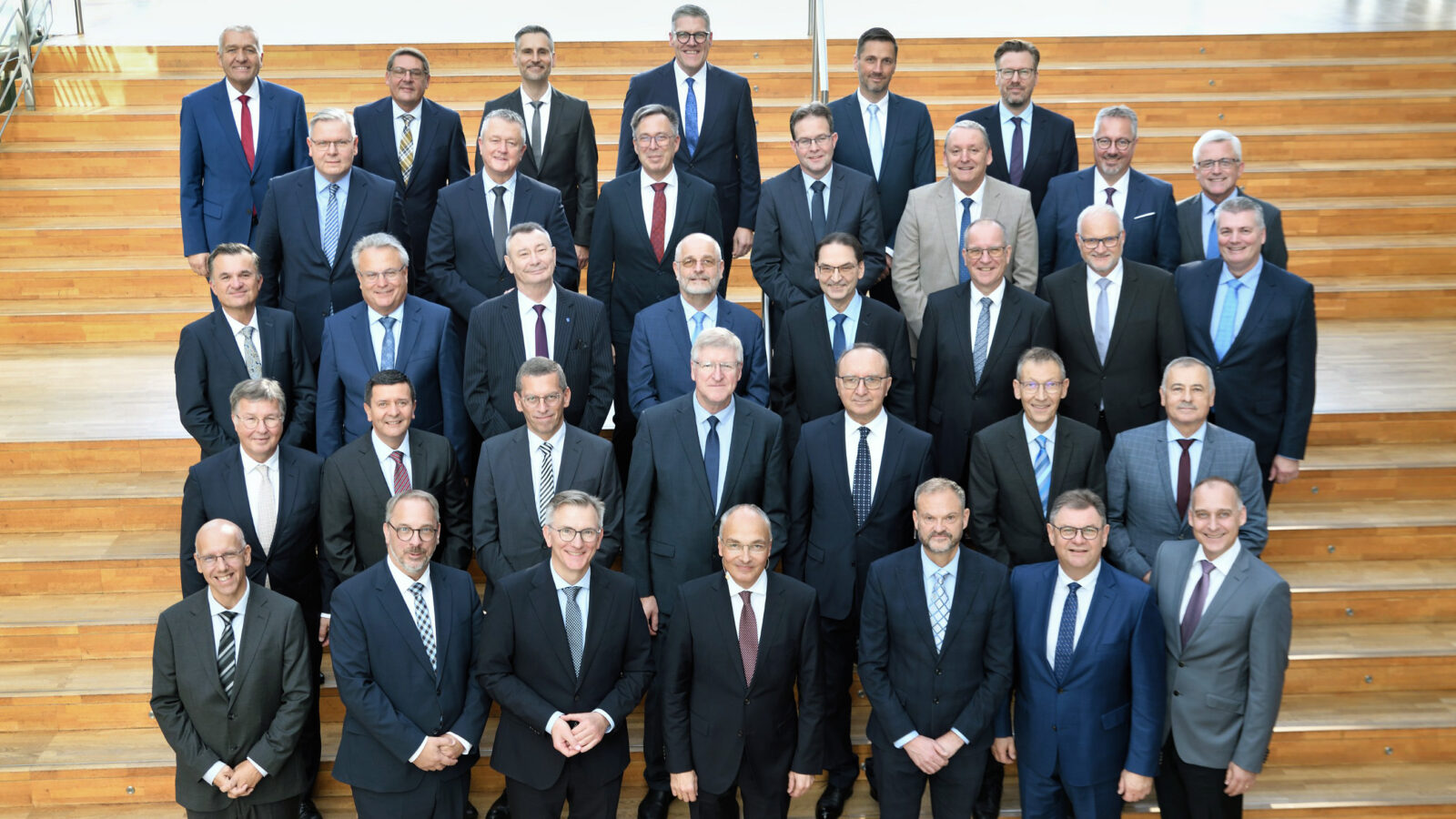



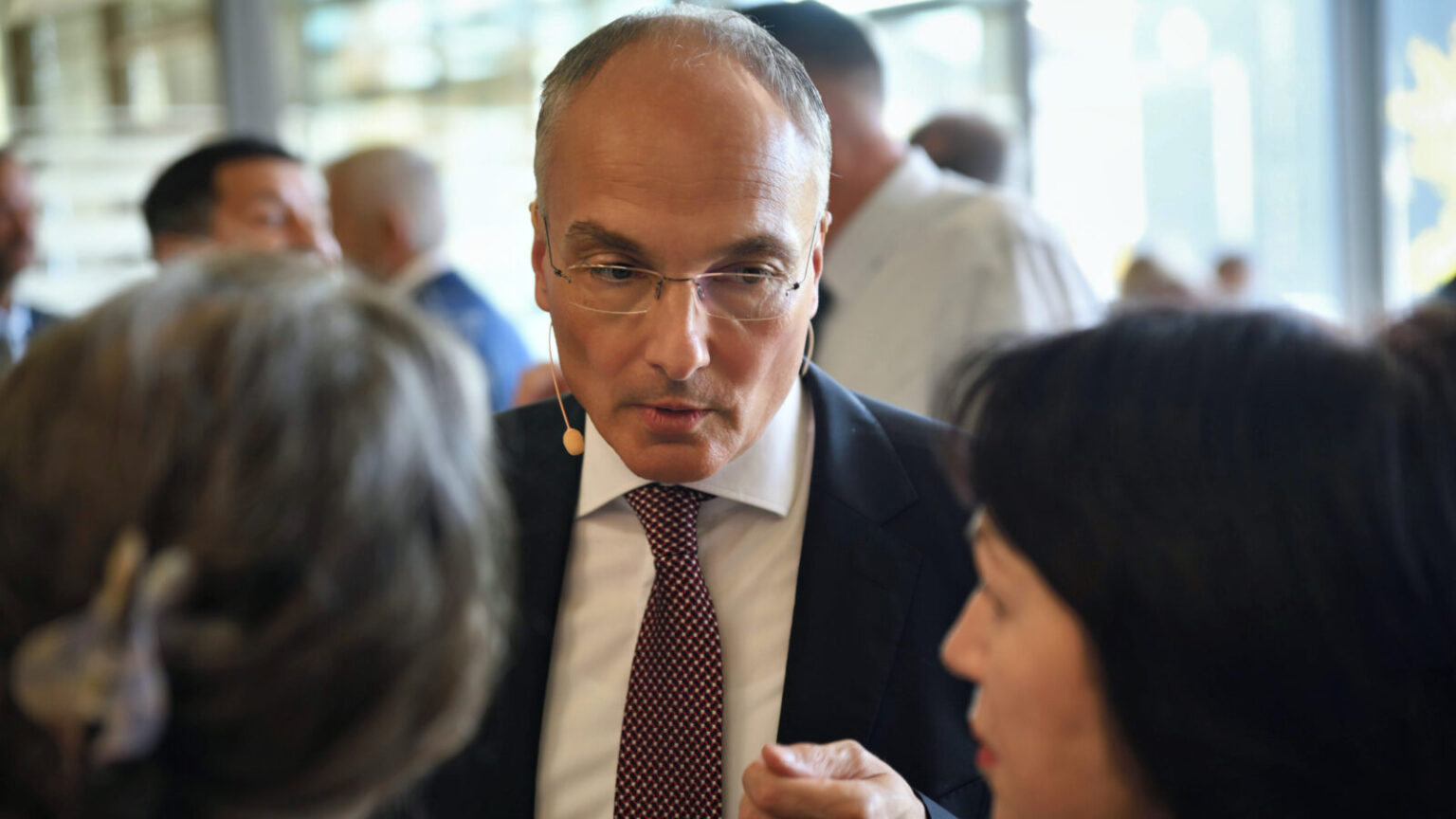
Interest, empathy, and authenticity: these are the foundations of pastoral care. How these principles can once again be brought more firmly into focus was the subject of discussions among the European Apostles and their wives.
Even before he became Chief Apostle, Helge Mutschler was already setting clear priorities. “Pastoral care was a pillar of our Church. Such a beautiful tradition. And I can well imagine that this will once again take centre stage,” he said in an interview the day after his appointment as Chief Apostle Helper.
The direction in which this was heading became clear a year later in Cape Town, when Apostle Mutschler presented the results of the work currently underway to the District Apostle Meeting: insights from workshops, questions raised in discussion groups, and initial responses to those questions.
Building and nurturing relationships
The ongoing process is to be set out in a policy paper which is currently being discussed by the District Apostle Meeting. Chief Apostle Mutschler announced this in a further interview: “It is expressly not intended to be a set of rules. Rather, it aims to describe a vision.”
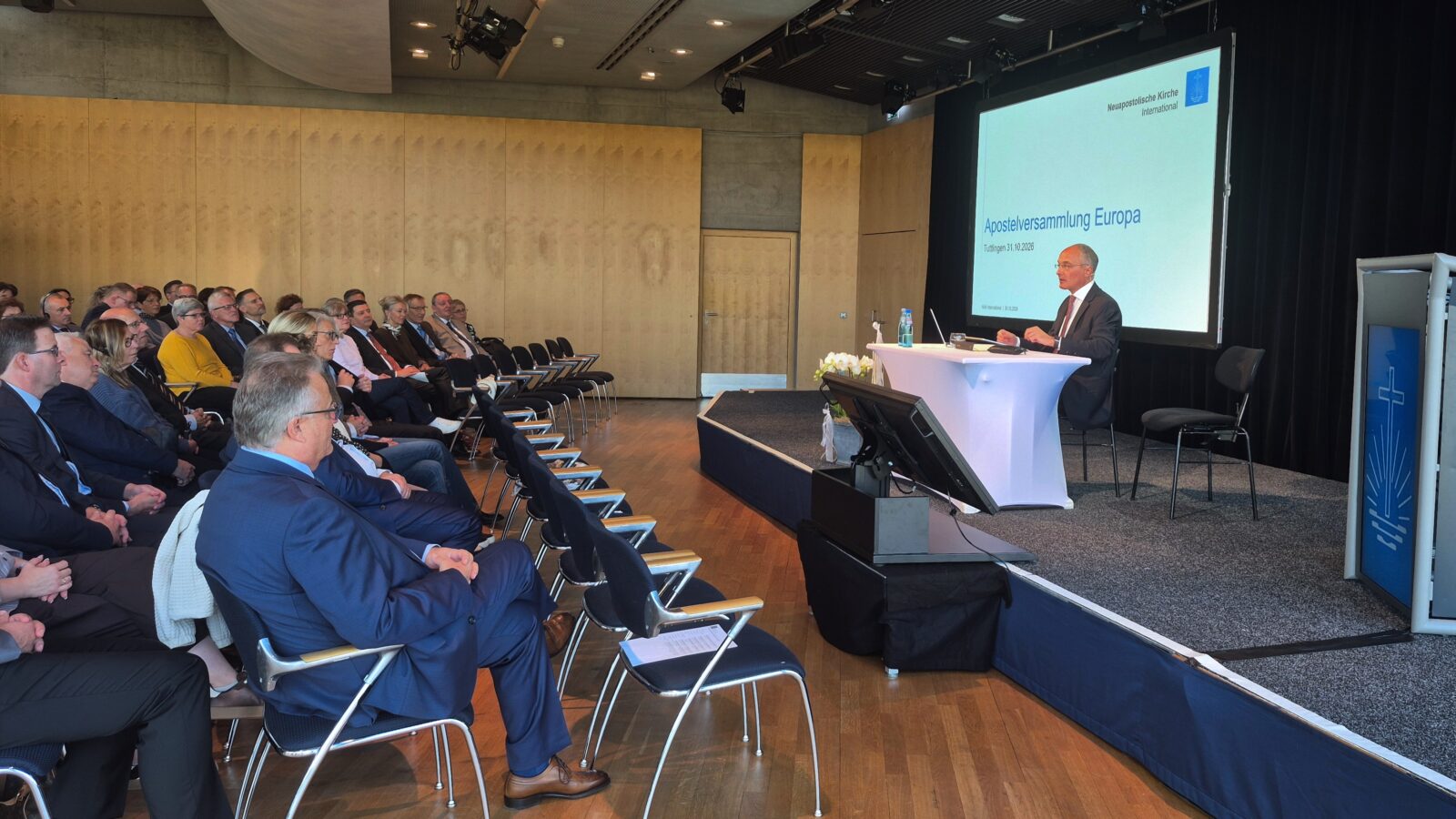
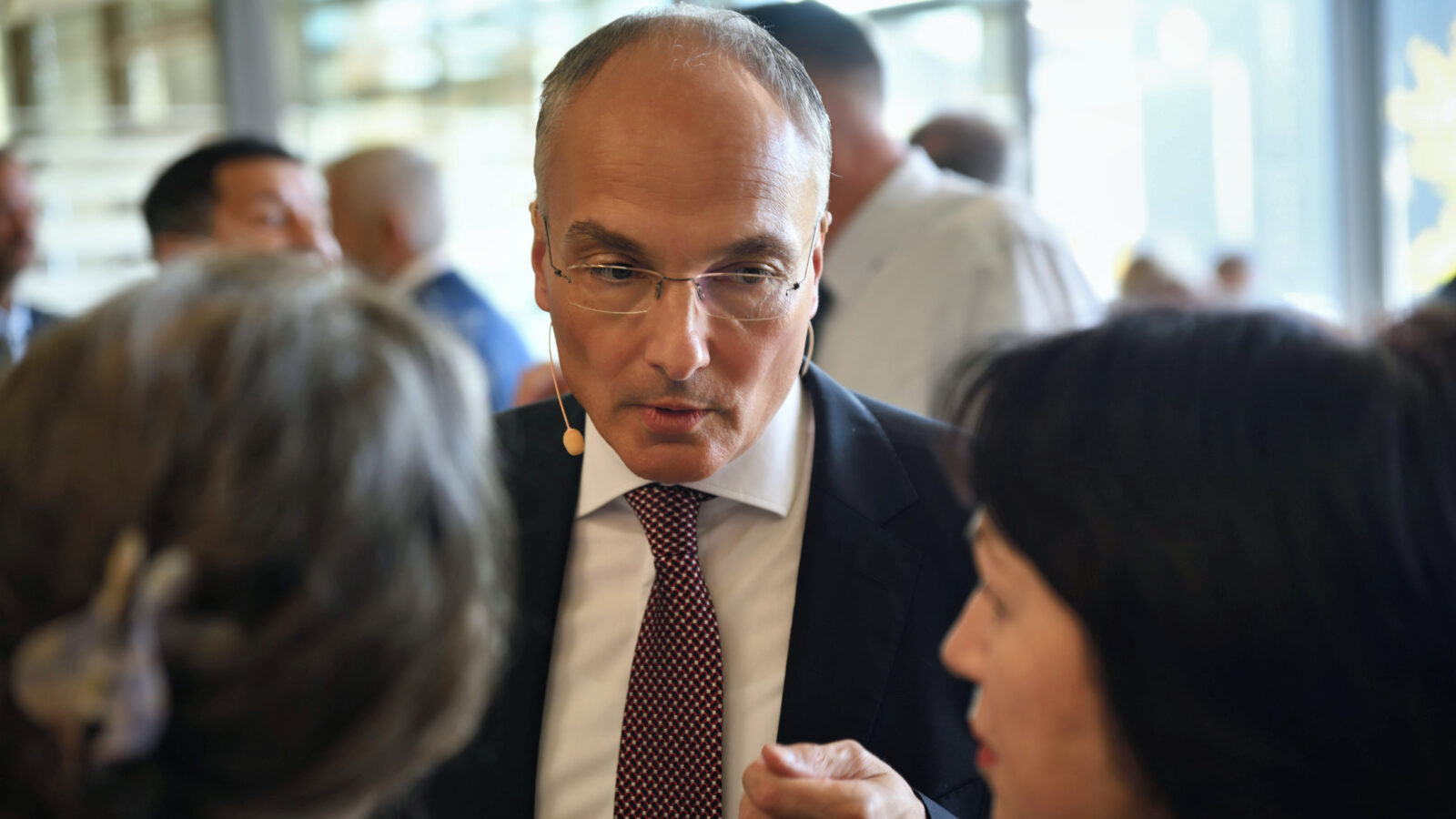
He also addressed this subject at the European Apostles’ Meeting in Tuttlingen, southern Germany, at the end of October. The Apostles’ wives had been specifically invited to attend the presentation of this agenda point and participate in the subsequent discussion. This followed on from the 2025 Pentecost assembly in Wiesbaden, at which the wives of the District Apostles had contributed their perspective on the subject. In both cases, the focus was also on the pastoral care needed by the ministers and their families.
The general thrust so far is that pastoral care is fundamentally relational: it involves establishing and nurturing relationships. It is characterised by interest, empathy, and authenticity. Pastoral care should not be experienced as a burden. As the Chief Apostle put it, “What I would like to see is a genuine enthusiasm for pastoral care.”
Participating in and shaping divine services
The Apostles themselves raised further subjects, including the liturgy. The liturgy is uniform worldwide and binding on all ministerial levels. After all, the defined framework in which the activities in the divine service unfold demonstrate God’s consistent care.
The European Apostles reaffirmed their commitment to the liturgy, reports the official Church website nak.org. At the same time, the Apostles discussed formats that enable greater congregational involvement in the divine service. There is also scope for creativity both before and after the actual liturgy.
Living unity through dialogue
The discussion also centred on the uniform proclamation of the gospel. Ensuring this unity is one of the Chief Apostle’s responsibilities. The Apostles have committed themselves to supporting him in this. There are two means of doing so: firstly, the Divine Service Guide, which is distributed to all New Apostolic ministers, and secondly, the Chief Apostle’s circulars, which are sent to all Apostles after each of his divine services.
Finally, the discussion turned to the leadership structure and the Apostles’ involvement in decision-making within the Church leadership. Alongside the Apostles’ Meetings, the District Apostles play a central role. They represent the Chief Apostle within the circle of Apostles while also representing the Apostles of their respective working areas at the District Apostles’ Meeting. On certain matters, the Chief Apostle also consults all Apostles worldwide directly—for example, during deliberations on the concept of ministry and the ordination of women.
-

Photos: NAK Süddeutschland
-
-
-