



September 10, 2026
Listen to it
To truly understand the gospels, one must immerse oneself in the era in which they were written. That world was shaped by a movement known as Hellenism: where it came from and where it led—here is part 2 of our series on the subject.
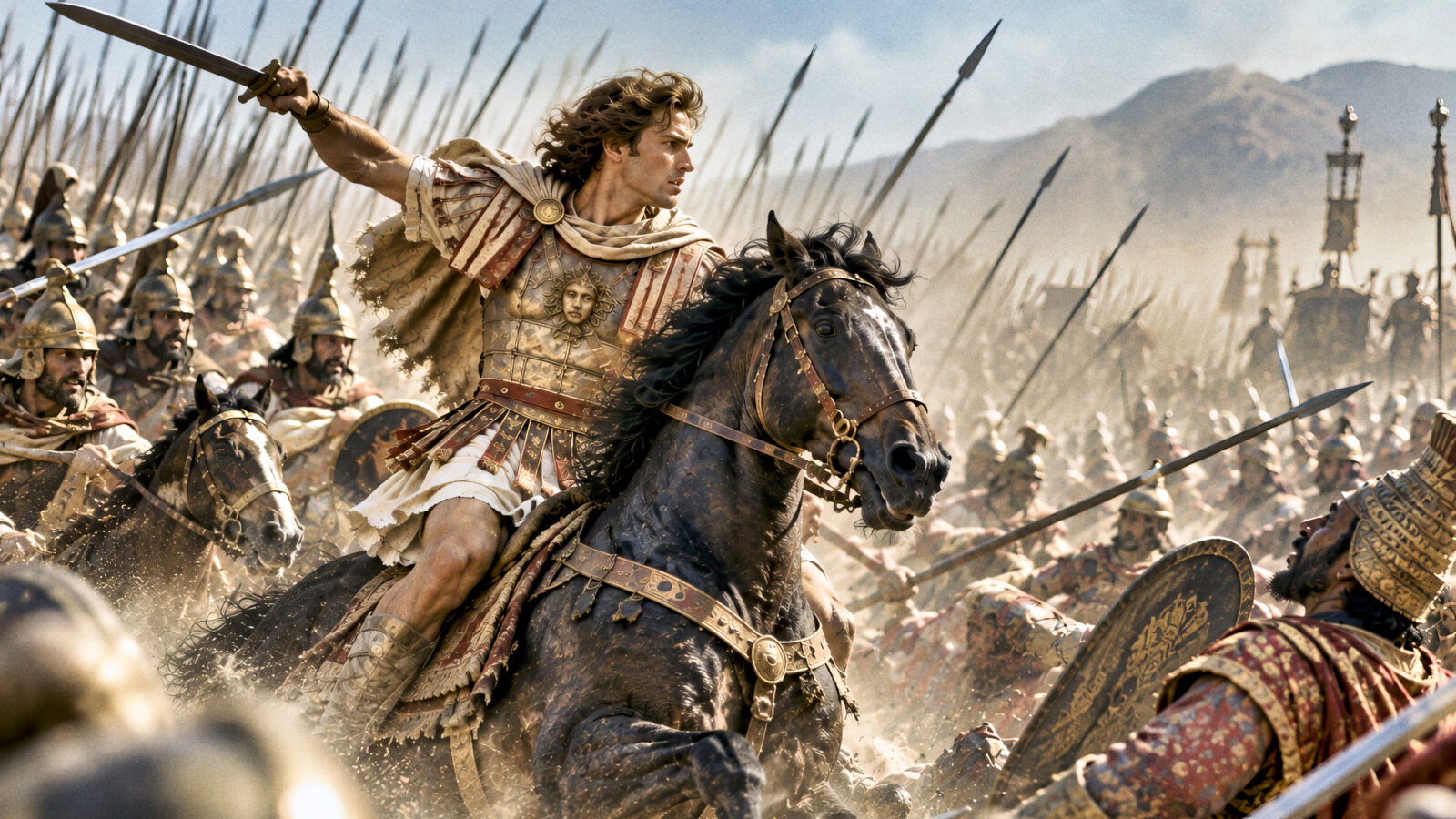
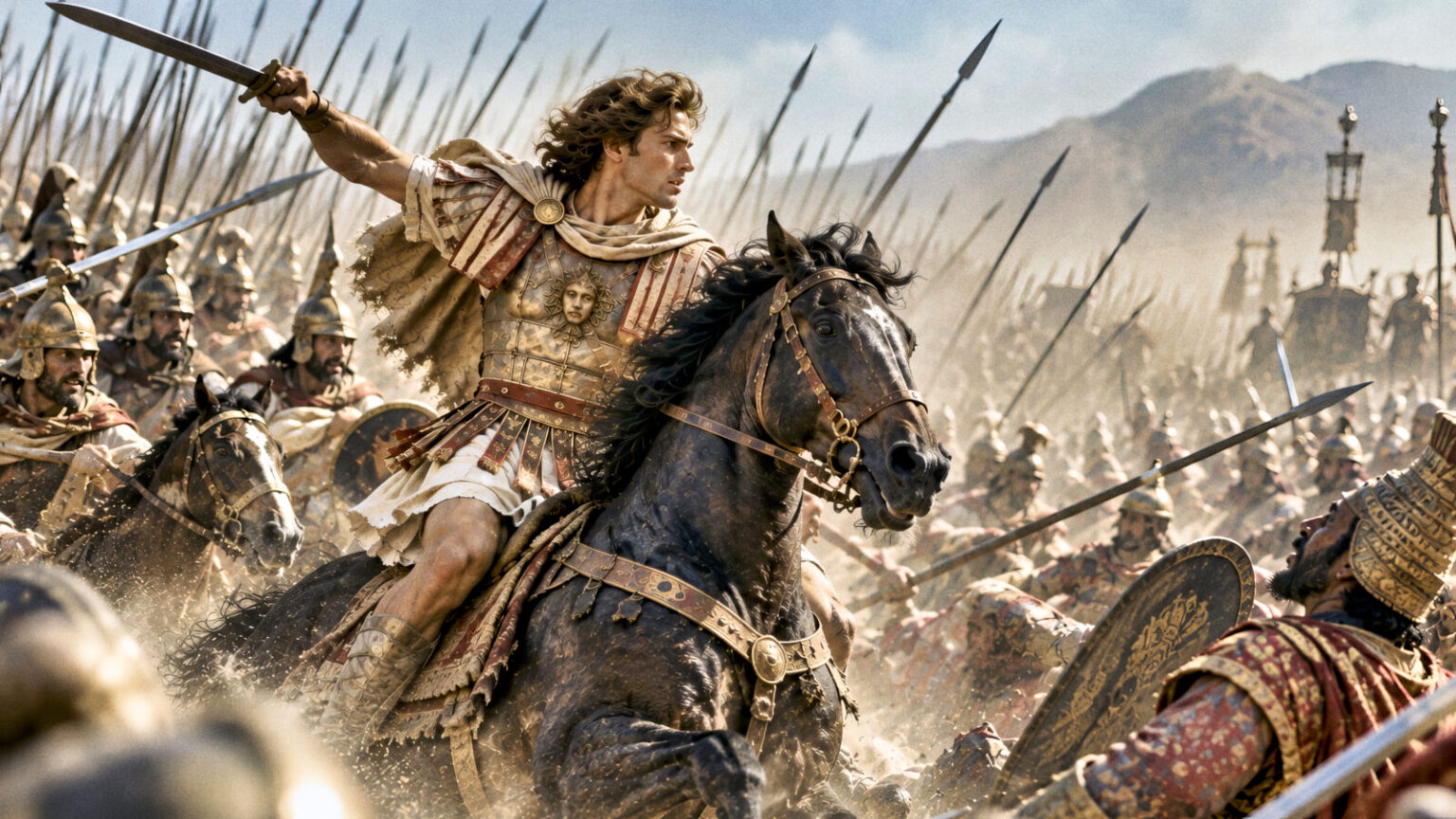
The history of Hellenism begins with Alexander III of Macedon, best known as Alexander the Great. He was born in 356 BC and ascended the throne of his father at the age of twenty. Over the next ten years, he led an unprecedented military campaign across Asia and Northeast Africa, creating one of the largest empires of the ancient world.
One language for many nations
The Greek culture he brought with him had a profound influence on the entire region, which extended from Greece through Syria to Mesopotamia, and along the coast via Palestine to Egypt. Thus, Greek became the lingua franca (common language) for most people of the region at that time.
And for the gospels, this implies two things: like the rest of the New Testament, they were written in Greek. Furthermore, this language was the primary means of spreading the good news of Jesus Christ throughout the ancient Mediterranean world.
Caught between the fronts
After Alexander’s sudden death in 323 BC, the empire fell into the hands of his generals, who warred against one another. The commander Ptolemy declared himself King of Egypt. His rival Seleucus established his rule over Mesopotamia.
The Judeans* in Palestine were initially ruled by the Ptolemies (successors of Ptolemy) and subsequently by the Seleucids (successors of Seleucus). These two enemies waged wars over the region, and this, in turn, split the economic and political elites in Jerusalem into two camps vying for supremacy.
A translation with major implications
One of the most important documents to come into being during this period is the Septuagint, the Greek translation of the Hebrew Bible. It became the Holy Scripture for the early Christian church, and the vast majority of New Testament quotations from the Old Testament are derived from it.
This Septuagint comprised both the books of the later Hebrew canon and the works generally known today as the “Apocrypha”—and described by scholars as “deuterocanonical writings.” Initially, these books were only found in Greek.
From resistance to apocalypse
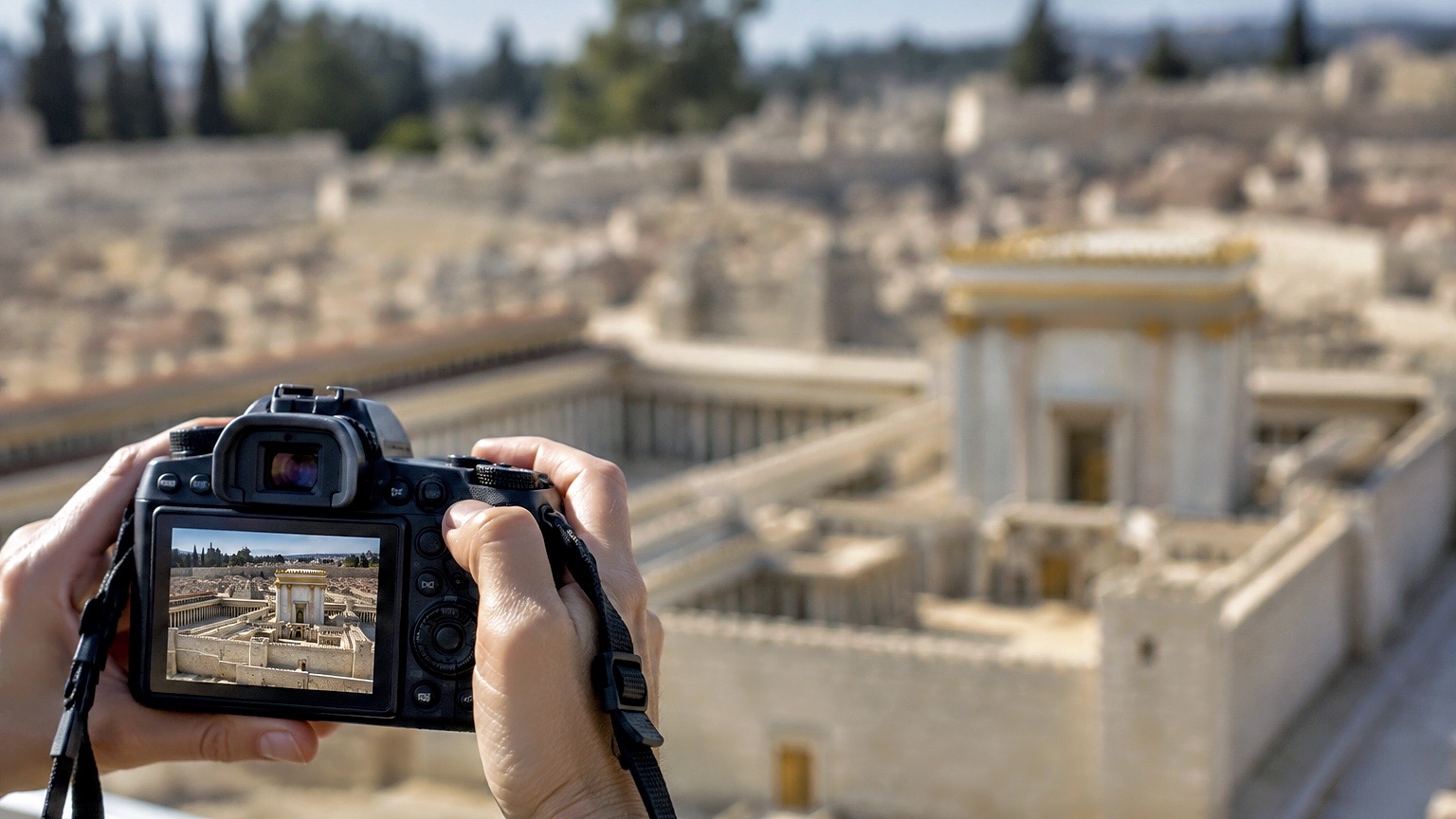
A period of peace came to an abrupt end under the Seleucid ruler Antiochus IV Epiphanes in 167 BC. He intervened drastically in religious affairs, banned Judean customs, and desecrated the Temple.
The Maccabean Revolt was a response to this situation. One key success of this uprising occurred in 164 BC with the recapture and rededication of the Jerusalem Temple. The first book of Maccabees traces this development from the priest Mattathias through Judas Maccabeus to John Hyrcanus. So it was that an independent Judean state emerged, namely the Hasmonean kingdom, which endured until the arrival of the Romans.
During the Maccabean period, the Judeans developed a new genre of literature, namely the apocalypse. These writings of “revelation” or “unveiling” amounted to a form of political protest against the ruling powers. Using dramatic imagery, this form of literature describes the struggle of good against evil and the ultimate triumph of good. The New Testament also contains such an apocalypse: the Revelation of John. It is directed against the Romans.
* In our time, the designation “Jew” tends to denote religious affiliation. Historically, however, it also encompassed shared aspects of social order, origins, and tradition, as well as culture and way of life. For this reason, some scholars prefer to use the term “Judeans”.
Image: Generated by AI