




February 14, 2025

Listen to it
Does making sacrifices automatically mean giving something up? Not necessarily. The word actually tells a completely different story: one of closeness, of showing we care, of paying attention. Here is how children can discover this.
Making sacrifices and giving offerings tend to have a rather bad reputation, as they conjure up the idea of having to give up something that is important to me. Parting with something I would really like to keep. The offering box in the church regularly reminds me that I ought to give an offering. It even has the power to make me feel guilty. Certain biblical stories, such as Abraham’s near sacrifice of Isaac or the animal sacrifices of the old covenant, also reinforce this supposedly radical nature of sacrifice, which demands a superhuman effort from us.
In the literal sense of the word, “to raise” means guiding children and young people to adopt a desired way of behaving. This may involve teaching them socially accepted values and norms such as respect, kindness, and gratitude. Parents are happy when their children behave as they have been taught. In Christian upbringing, giving an offering is also a behaviour we wish to teach children and adolescents.
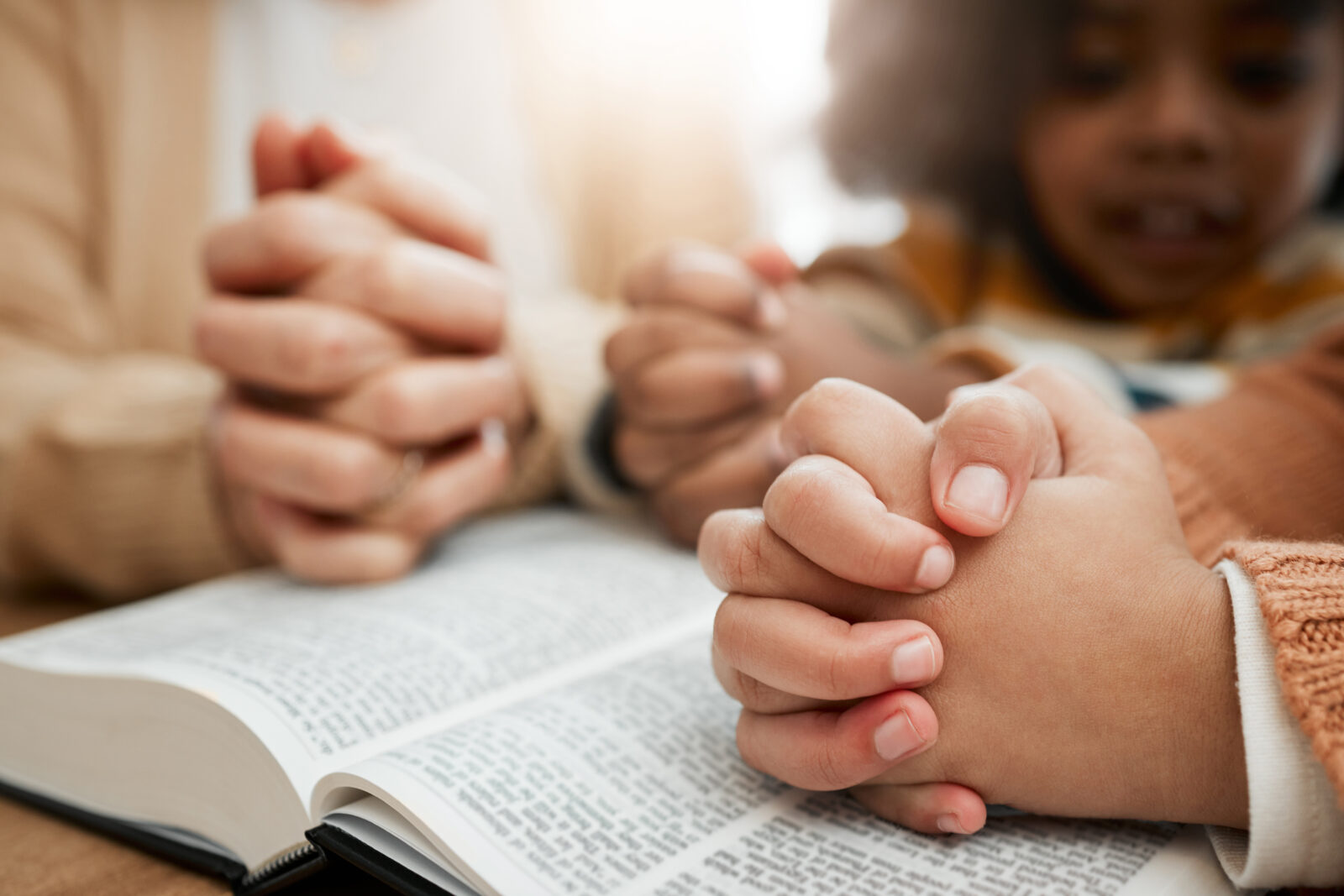
Talking to children about giving an offering
Let us explain to our children that giving an offering is not something that is taken away. In Hebrew, the language of the Bible, the word for “sacrifice” is derived from a root meaning to draw near, to approach, or to bring near. And drawing near towards someone or something is a conscious, focused, and caring act. The attention we give to others must not be done half-heartedly or as an afterthought. Sacrifice is a deliberate focus on our neighbour.
Let us talk to our children about how we can do good things for others—and let us put it into practice with them. This can be done through a simple smile, spending time with the other person, or giving some money—regardless of whether I feel like it or have the time, and regardless of whether I like the other person or not. Being a Christian is not meant to be comfortable. For God can expect us, as Christians, to do more than is strictly necessary. This is not a matter of judging whether someone makes a better or worse sacrifice. Rather, the other person may be an example to me in their sacrifice and in their attitude toward others.
Jesus’ sacrifice on the cross cannot be compared to any other sacrifice (CNAC-QA 734). This knowledge helps us understand that our own sacrifice is neither an impossible task or an act of self-flagellation. Rather, Jesus’ sacrifice serves as a model of self-giving love and teaches us how to love others.
Let us encourage our children to realise that God has created us good: we are able to give and make sacrifices because we are blessed by God. This means that He created us as His creatures and that we, too, carry God’s love within us. It is because we carry this love within us and love God that we want to give and make sacrifices.
Photo: frimufilms – stock.adobe.com
About the author

Nina Wilkenloh teaches German and history at a comprehensive school. She is a member of the Church History working group of the New Apostolic Church International.