



February 14, 2025
Listen to it
Not everyone is the same, and that is perfectly normal. An open-minded approach, honest answers, and small steps in everyday life can help to make inclusion a natural part of life for children.
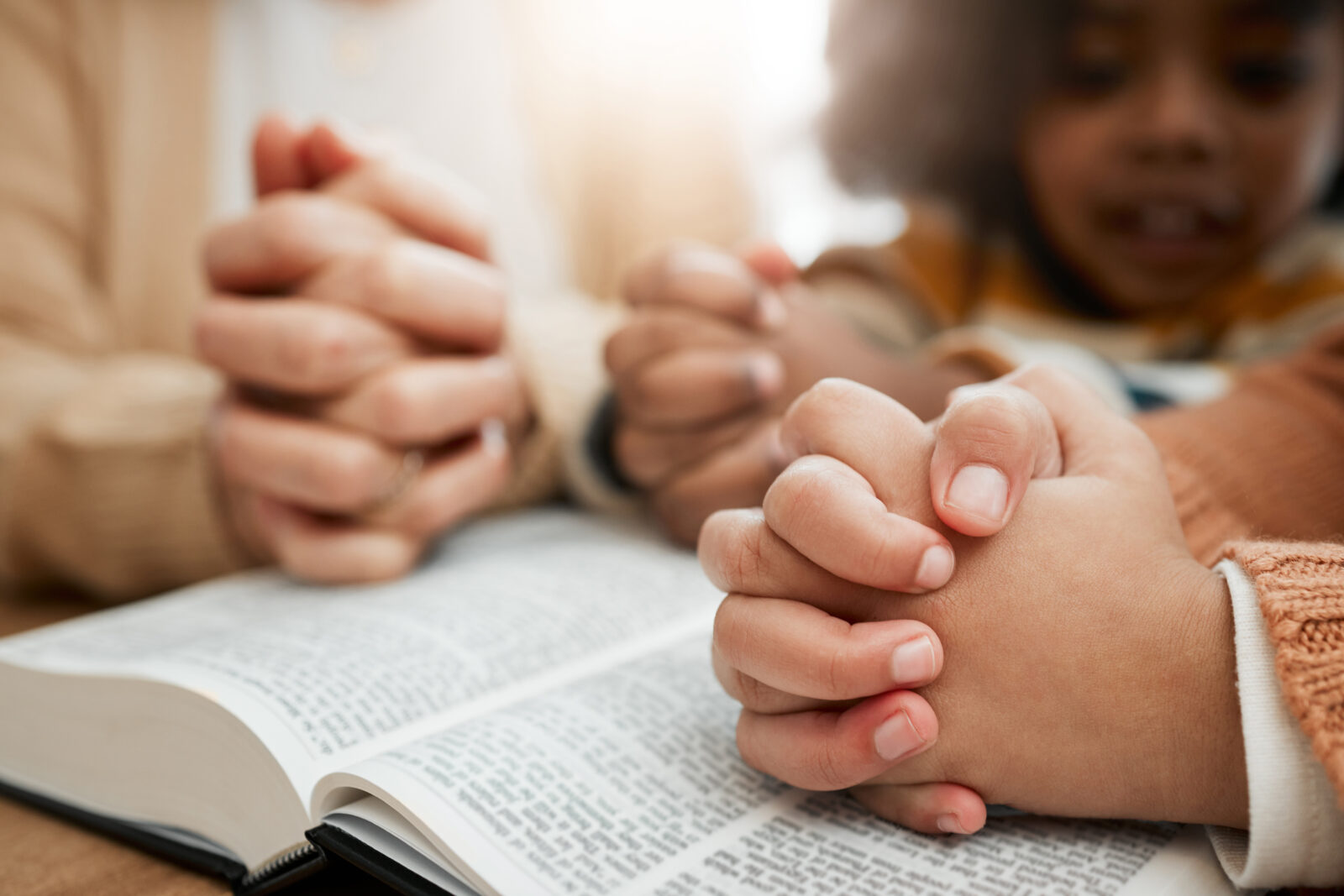
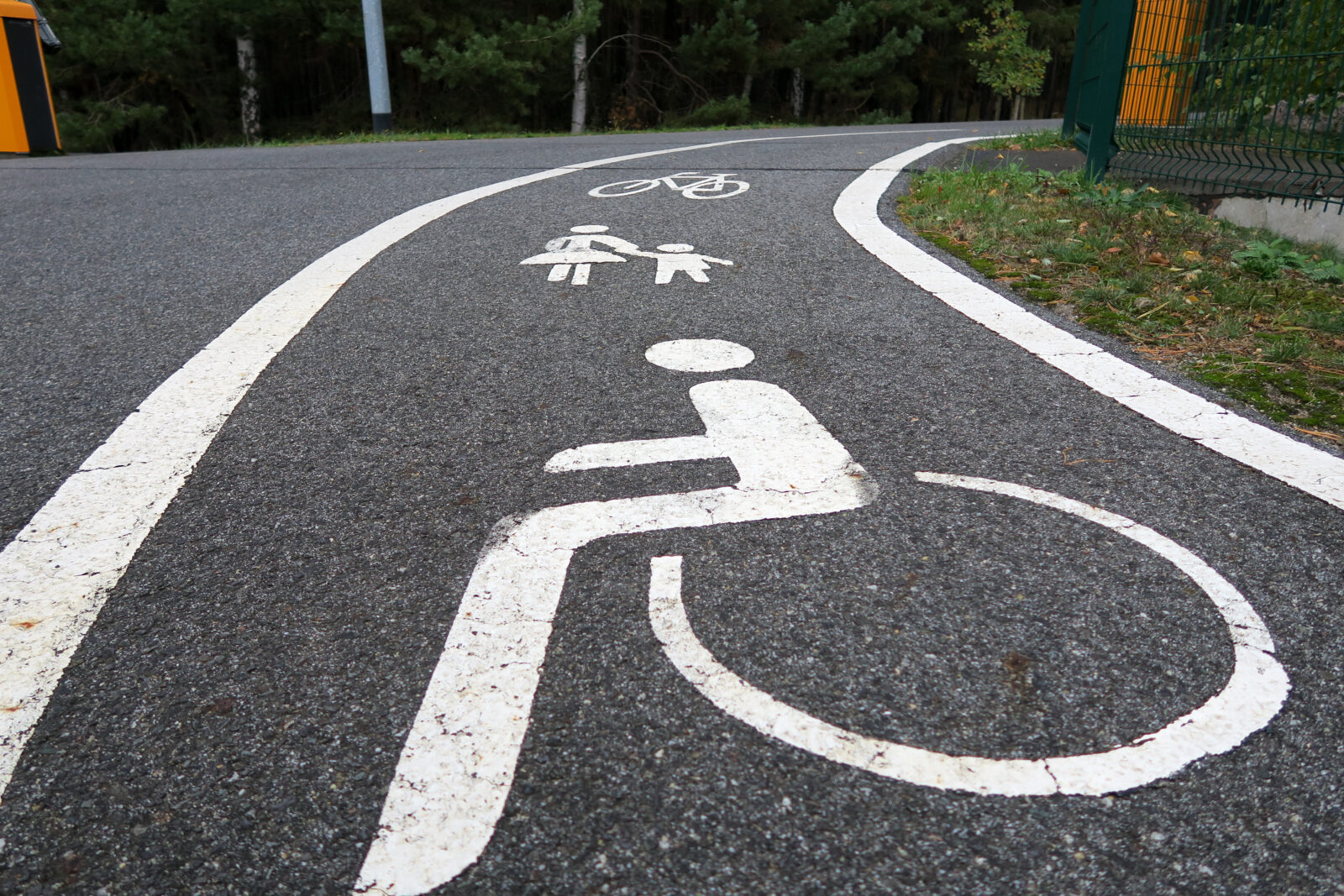
Many people with disabilities can live independently with the help of assistive devices and good medical care. Nevertheless, they still face many barriers. Often, these barriers are caused by a lack of understanding or rejection from others. That is why we should keep reminding our children that it is completely normal for people to be different. Some people have eagle-sharp eyesight, while others need glasses. The same applies to hearing aids or wheelchairs. And when children ask questions we should answer them openly and honestly, as best we can. At home, we can also pray together for people who live with disabilities.
When we approach people with disabilities openly and without prejudice, just as Jesus showed us, we help make inclusion something that comes naturally to our children. It is a little like a gift: what matters is what is inside, not the wrapping. Our bodies are only the visible part of who we are. Ultimately, in the new creation, all these differences will disappear.
And let’s be honest: don’t we all have one quirk or another, or a characteristic that sometimes makes everyday life a little more difficult? This can be discussed with children in an open and even humorous way maybe by looking for books which help to foster inclusion. Such books not only provide information about Down Syndrome, autism, and deafness, but also about such “disabilities” as being a “troublemaker,” a “show-off,” or a “picky eater.”
Six practical tips for everyday life
What parents of a child with additional needs can do:
- Speak openly about any difficulties or concerns, for example regarding seating arrangements, lessons, or other practical matters. You know best what your child needs.
- If a child is born with a disability, following an accident, or when moving to a new church community, consider speaking about the disability after a church service. This can help reduce uncertainty and anxiety and make it easier for people to interact naturally.
How the congregation can remove barriers and build bridges:
- Keep children’s individual needs in mind when planning events and make appropriate adjustments so that no one is excluded. If you are unsure what is needed, ask the parents directly.
- At church cafés or community events, offer games or activities that encourage people to experience things from a different perspective—for example, reading Braille, putting something together or sorting objects while blindfolded, lip-reading, or navigating a step in a wheelchair. Experiencing things from another person’s perspective can be valuable for everyone.
- Add sign language to songs. It is great fun and looks beautiful, too.
- Adapt lessons to suit the child’s abilities. For example, change rooms if stairs are creating an obstacle.
Simone Meisterhans is a qualified educator and a specialist in childhood special education. She works as a special needs teacher in a kindergarten and teaches Sunday School and confirmation classes in the New Apostolic Church. She is also a member of the working group Children and Education in Switzerland.
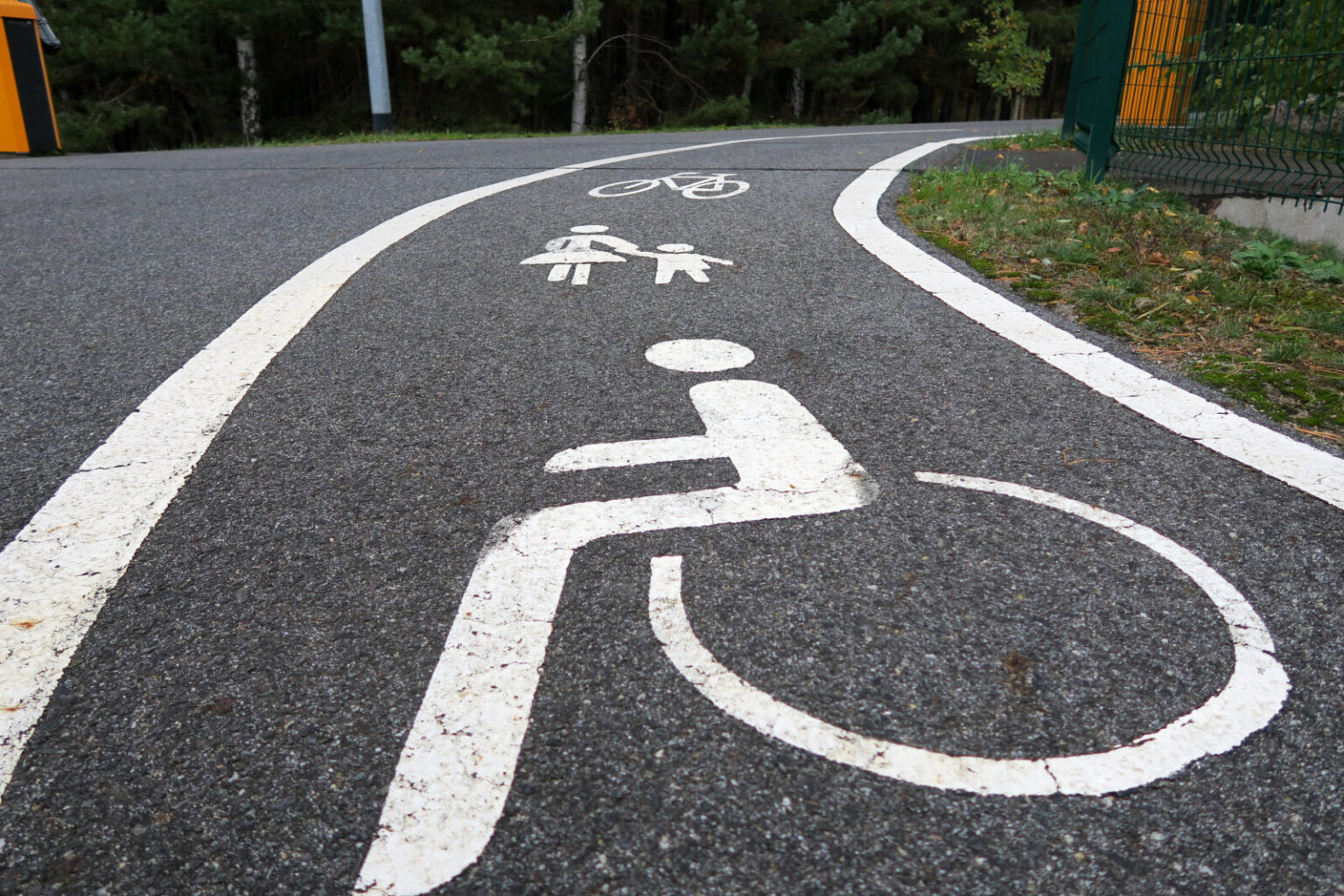
Photo: fotoak80 – stock.adobe.com