



February 14, 2025
faith.today
Intercession as a superpower in everyday life
Listen to it
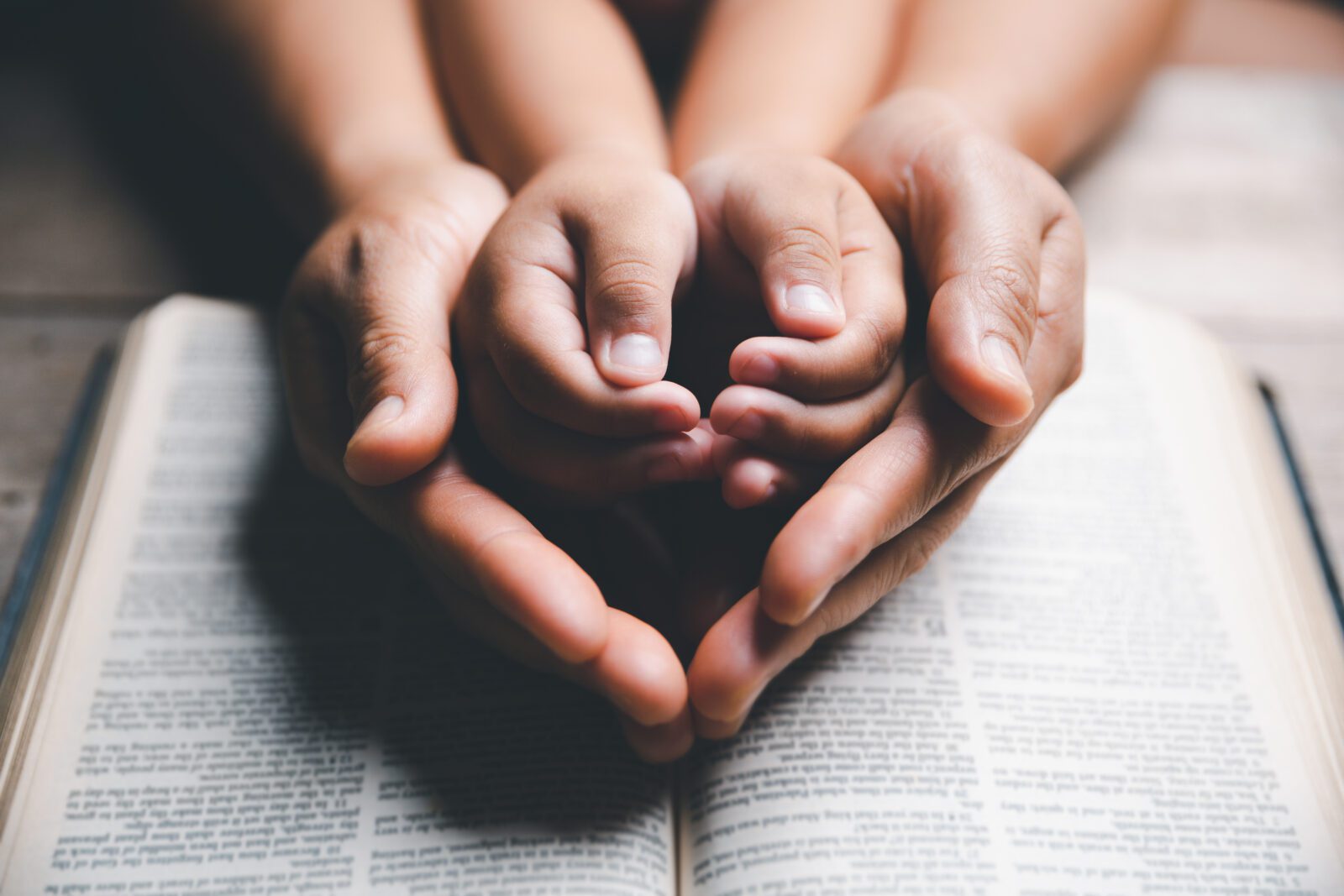
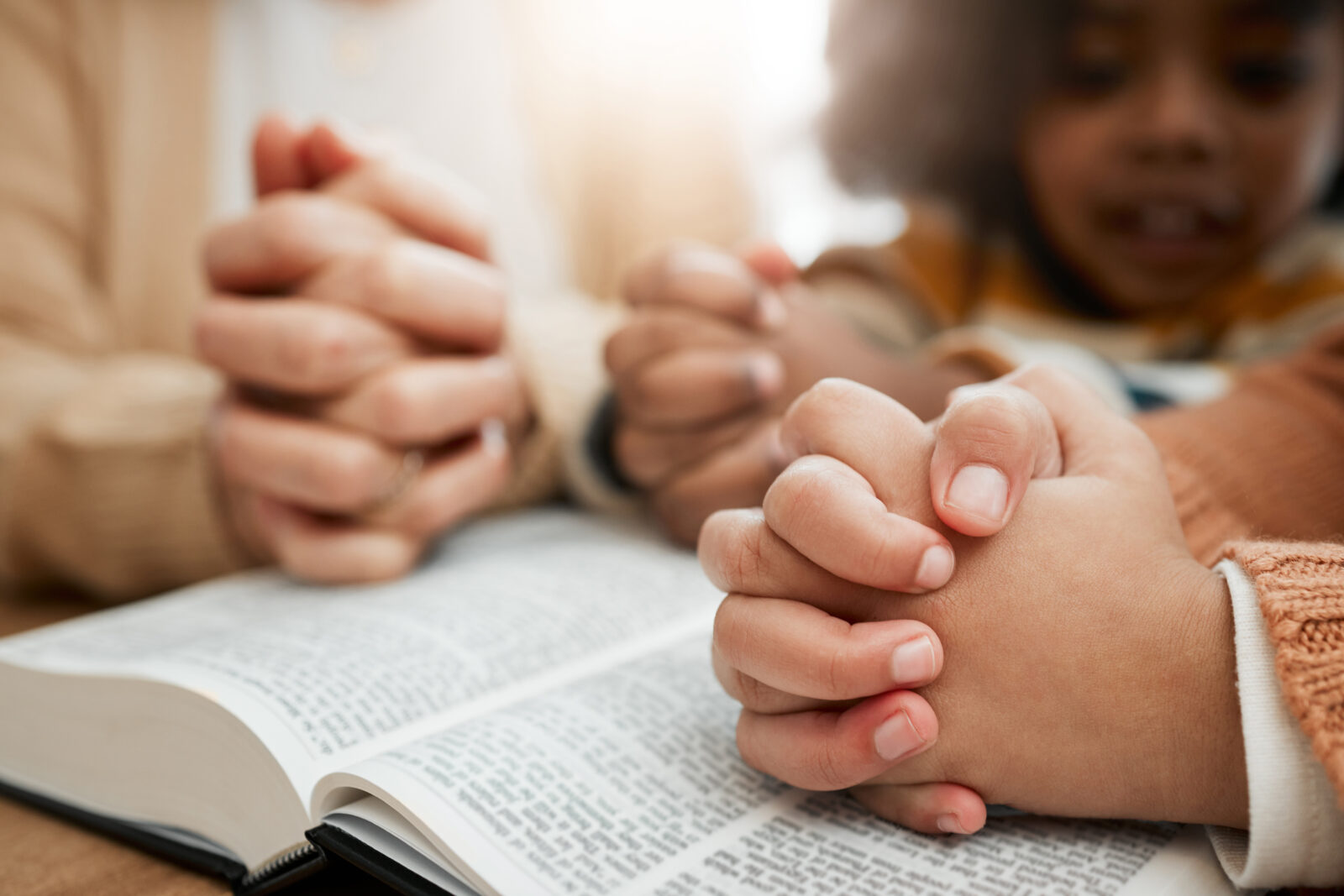
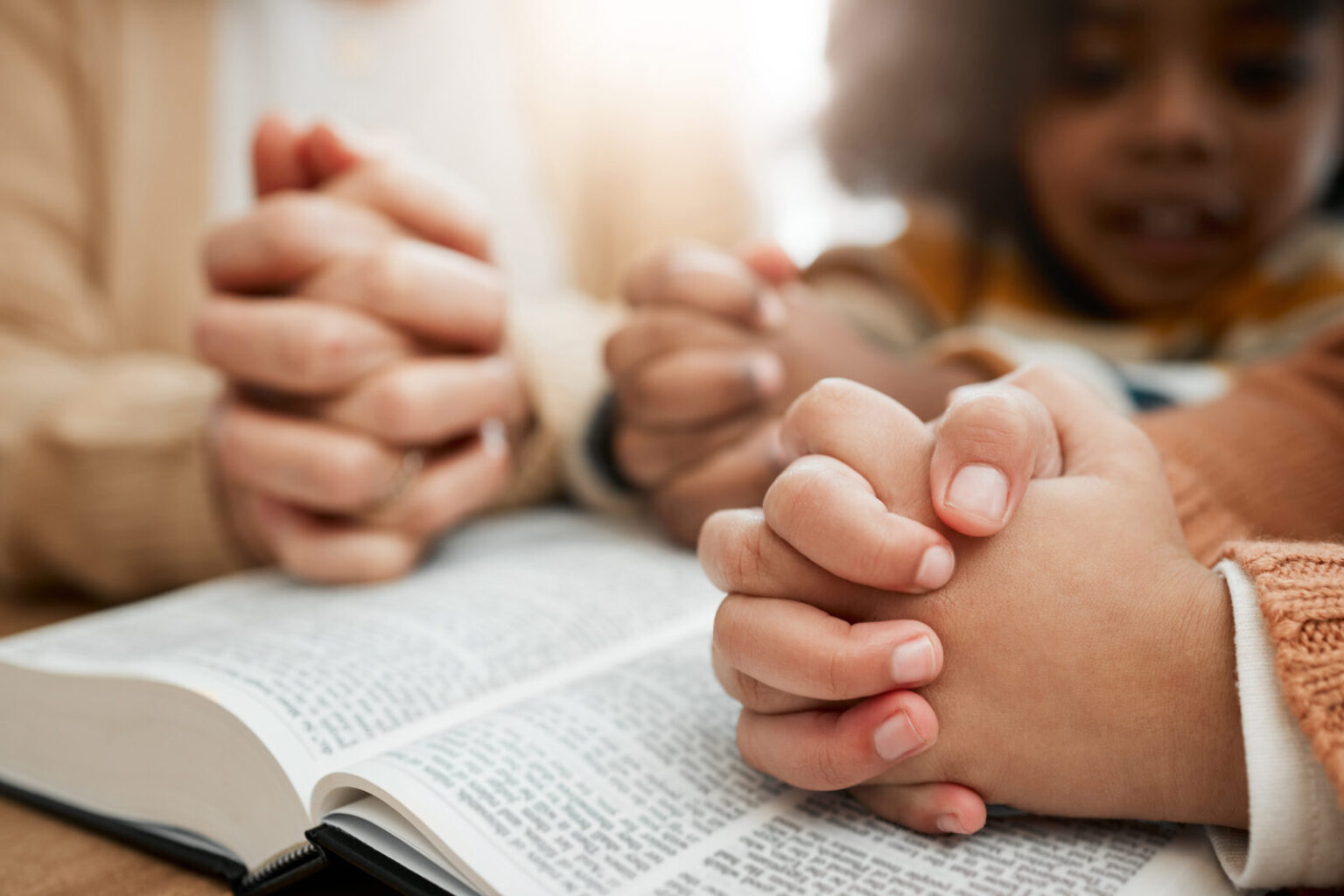
Prayer is a superpower that strengthens, sustains, and gives hope, even if things don’t always change immediately. Here are five tips to help children experience this power.
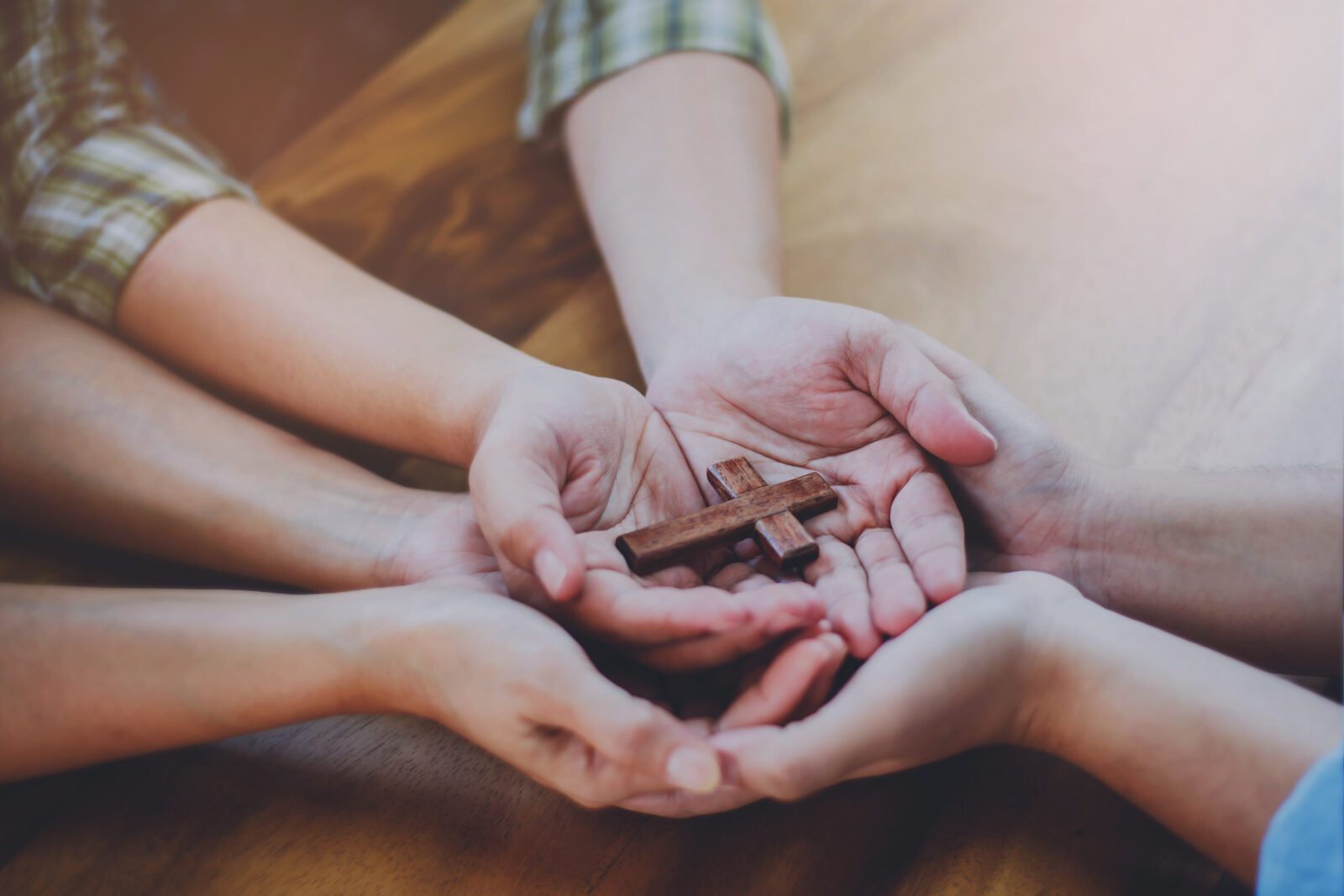
Ever since our annual motto from the year before last—at the very latest—we are no doubt aware of the power of prayer. When an entire congregation prays for a sister or a brother, it is a wonderful experience. You experience the strength of God, even if the situation may not change at all for the moment.
For children, it is difficult to imagine the power that intercession can unleash in prayer. The Bible is full of examples showing that God can heal the sick and even bring the dead back to life. Despite their prayers, however, Grandma may remain ill and eventually passes away. Or perhaps Dad is unable to find a new job for a long time. To avoid causing children to feel disappointment, or even anger, when their prayers go unanswered, the way we pray is of great importance. Let us ask God to give us the strength and courage we need to go on, or to ensure that the person we are interceding for does not feel alone and may continue to experience happy moments. The strength that comes from intercession is like a superpower. It helps one to carry on and gives one new energy to persevere.
Of course, the hope for a full recovery also has its place in prayer. However, let us make it clear to children that we leave it entirely up to God to decide whether this wish can be granted.
Five ways to make intercession part of everyday life
- Let us not take our own health and livelihood for granted. And let us express our gratitude for them. When children see and appreciate all that they have, they are more likely to understand why someone else needs this “superpower” right now.
- Before we pray, let us ask ourselves for whom we want to intercede and who needs this special power?
- Let us visit elderly members in hospital or in a care home together with the children. A relationship can develop in this way, and with it the desire to intercede for these brothers and sisters in prayer.
- Let us share our experiences of faith. When was the last time I felt this strength? It is particularly important to focus on the small, everyday experiences so that children do not only associate intercession with serious problems, but also see it as part of everyday life.
- We can also say a spontaneous prayer now and then, for example, when we happen to be talking about someone who is going through a difficult time. This way, children see that intercession is possible at any time.
Photo: Allistairpeopleimages.com – stock.adobe.com
About the author

Simone Meisterhans is a qualified childcare educator and a special needs teacher who works in a kindergarten. Within the Church, she teaches Sunday School and Confirmation classes. She is also a member of the working group Children and Education in Switzerland.