



February 14, 2025

Listen to it
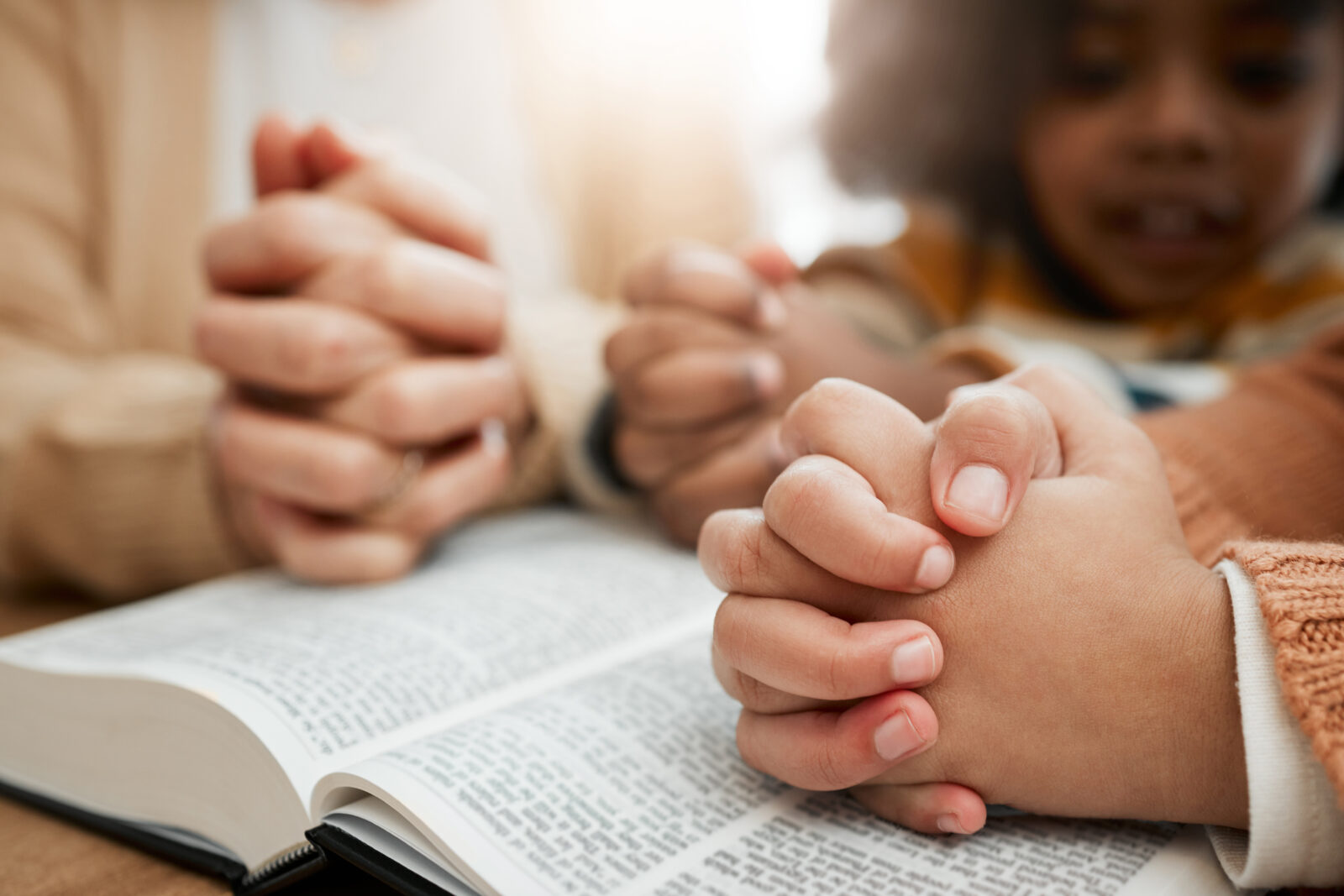
Children draw pictures of God, talk to Him, and question Him. Their ideas of God change as they grow older and reveal how they understand the world, themselves, and God.
You shall not make for yourself an image. Hardly any other biblical verse sounds so unequivocal—and is so difficult to uphold in everyday family life. After all, children ask about God, talk about Him, draw Him, and think about Him. This is not a mistake, but a sign of development. Each age group develops its own images of God. They are not wrong. They are an expression of how children and young people currently understand the world. They are an expression of communication with God Himself.
Human words are never enough to describe God. Every statement remains provisional, every image incomplete. That is precisely why we need images. They help us to at least come close to the inexpressible. They do not diminish God but make Him accessible.
Yet our image of God is never neutral. It is always, at the same time, an expectation of God and a reflection of our current circumstances. Those who are afraid hope for protection. Those who feel guilty think of a God who passes judgement. Those who need comfort seek it in God. God thus becomes the recipient of our questions, uncertainties, hopes, and also our convictions.
How do children understand God?
- At first, children think of God as a very human and concrete figure: an old man with a beard who looks down from heaven kindly, who intervenes and watches over them. As children reach school age, their image of God begins to change. God becomes a moral authority. He rewards and punishes. He sees everything. “If I tell a lie, God will know.” This way of thinking reflects a child’s growing need for order and fairness.
- During adolescence, a young person’s image of God becomes more fragile and abstract. Young people begin to question God: Why does He not intervene? Why does He allow suffering? Such questions can lead to doubt, but they can also open the way to new, more personal and firmly grounded ideas of God. From around the age of 16, God can once again be thought of in more personal terms, though now in a symbolic sense: as a partner in a relationship, as the reason for being, or an inner guide.
- Children’s and young people’s ideas about God offer valuable opportunities for conversation and for exploring the Bible together. The creation story, Jesus’ parables, and the gospels reveal many different aspects of God. They invite us to talk about God, to ask Him questions, and to make room for Him in our lives—whether through an image, a word, or a feeling.
Photo: Choat – stock.adobe.com